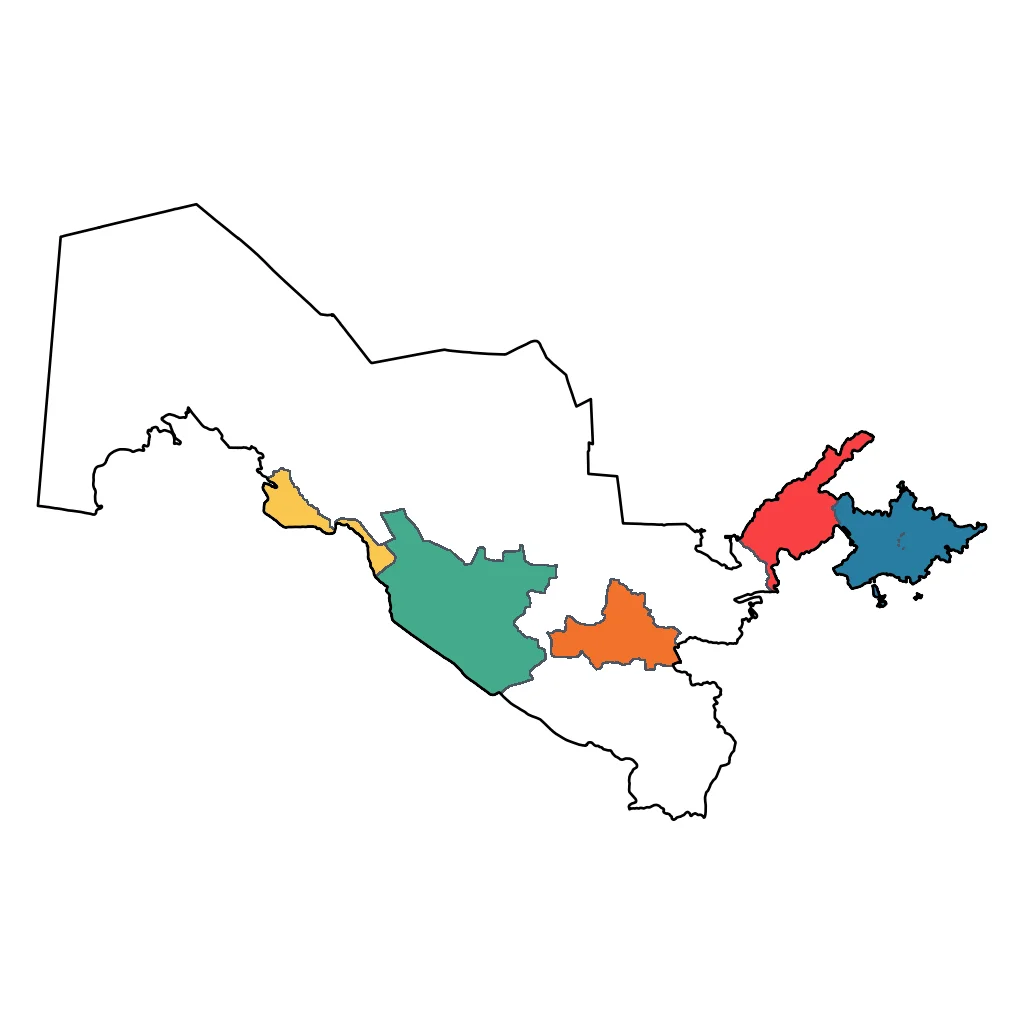

Khiva is the most remote of Uzbekistan's major Silk Road cities, located in the west near the vast Kyzylkum Desert. Its historic core, the Ichan-Kala, is a UNESCO World Heritage site fully enclosed by crenellated mud-brick walls. For families, this is essentially a giant, safe playground. Since cars are restricted within the walls, parents can let children walk relatively freely through the labyrinth of alleys, historic madrasahs, and caravanserais.
The visual appeal of Khiva is distinct. The Kalta Minor, a short, fat minaret covered in turquoise tiles, is an icon of the city. Legends say the architect was thrown off before he could finish it, a story that adds a layer of mystery for older kids. Adventurous families can climb the steep, dark spiral staircase of the Islam Khoja Minaret for a panoramic view of the desert city—though this is best for older children and active parents. The Juma Mosque is another wonder, a forest of over 200 carved wooden pillars where kids can play hide-and-seek among the shadows.
Cultural activities are plentiful. The city has a puppet museum and workshops where families can see how traditional Khorezm dolls are made. In the evenings, the city walls are lit up, and the silence of the desert descends, creating a magical atmosphere. You might even encounter camels near the city gates, offering short rides and photo opportunities.
Food and Logistics: Khiva's cuisine is unique. Families should try shivit oshi, bright green noodles infused with dill and served with a mild meat stew—a fun-looking dish that is usually a hit with kids. Getting to Khiva requires effort; it involves a flight to Urgench followed by a 30-minute taxi, or a very long train ride from Tashkent or Bukhara. Because of the travel time, it is best to stay at least two nights to explore at a relaxed pace. The desert climate means winters are freezing and summers are scorching; spring and autumn are the ideal windows for travel.
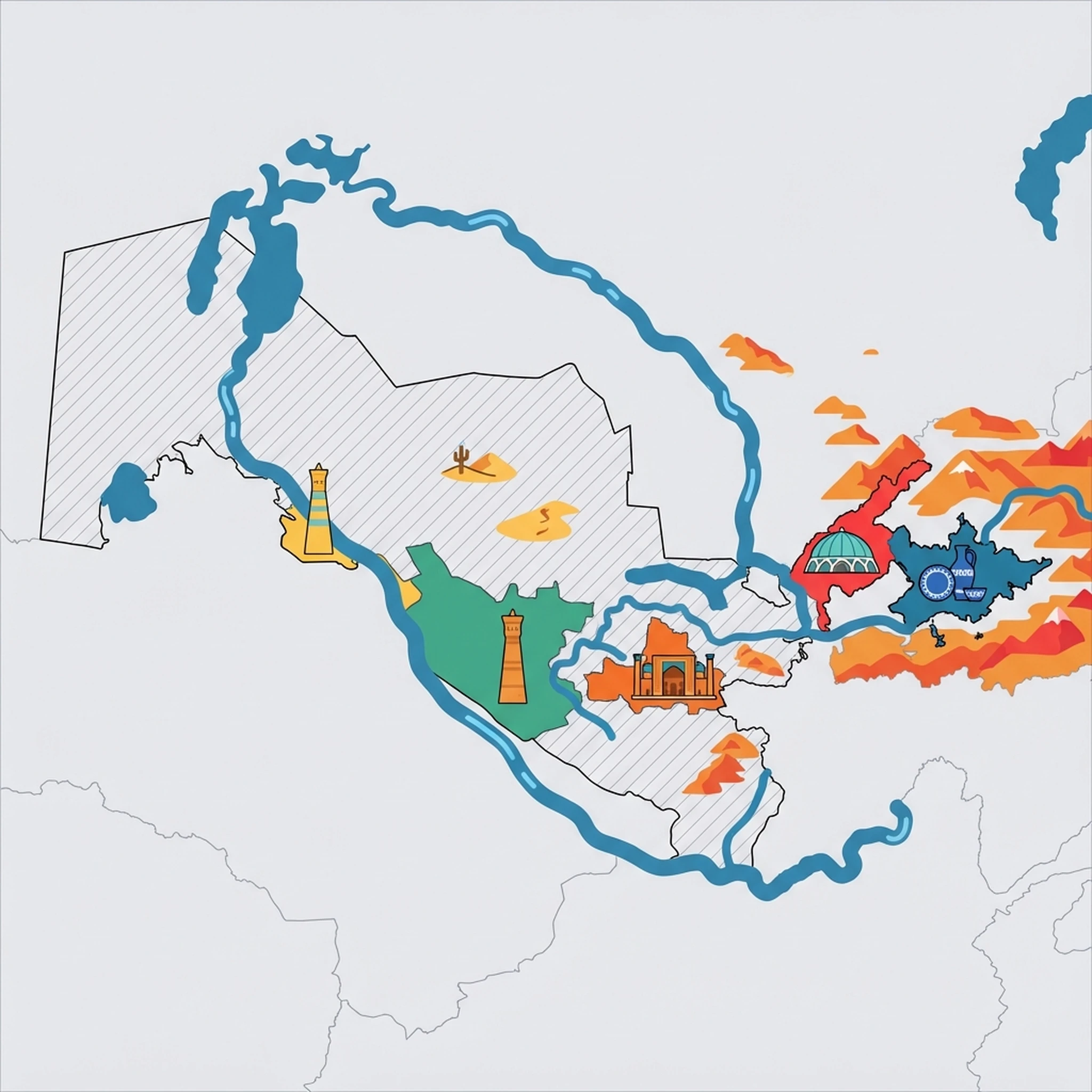
Click a region to explore

Activities & Best Times

Urban tourism, museums, historical sites, architecture
An exquisitely preserved UNESCO walled city, Khiva offers a globally unique 'open-air museum' experience of Silk Road architecture and culture. Peak spring and autumn months provide the comfortable temperatures required for exploring the labyrinthine Itchan Kala, while extreme summer heat and sub-zero winters are unsuitable for outdoor sightseeing.

Learning experiences, scientific sites, historical education
A world-class archaeological and historical site detailing the legacy of the Khwarezm Empire and Central Asian Islamic scholarship. Optimal conditions for in-depth guided tours occur in the temperate months, whereas the desert's extreme thermal shifts in mid-summer and winter limit the educational experience.
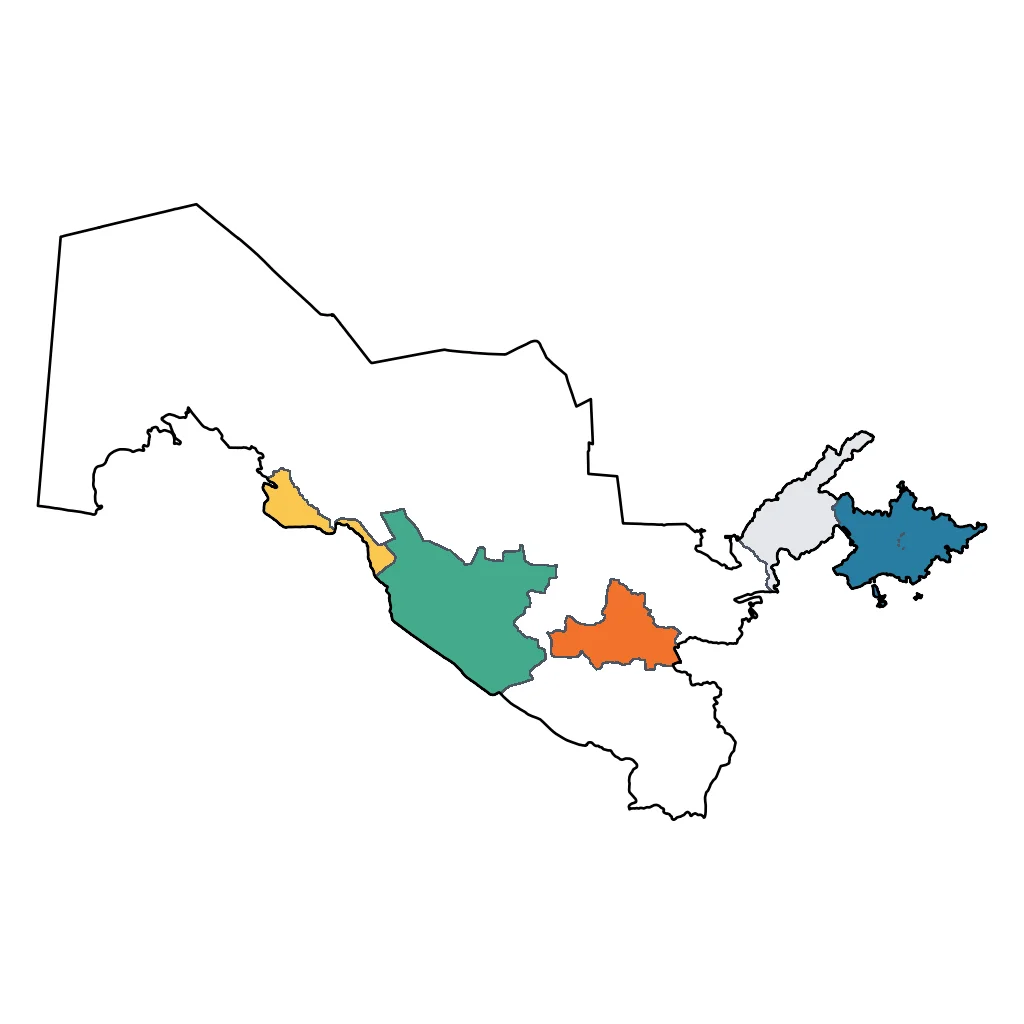

Hiking, wildlife, outdoor exploration, ecotourism
Gateway to the Kyzylkum Desert, offering sophisticated families authentic camel trekking and yurt stays under pristine skies. Peak months align with mild desert temperatures; the intense summer heat and freezing winter nights are too extreme for comfortable nature-based adventure.
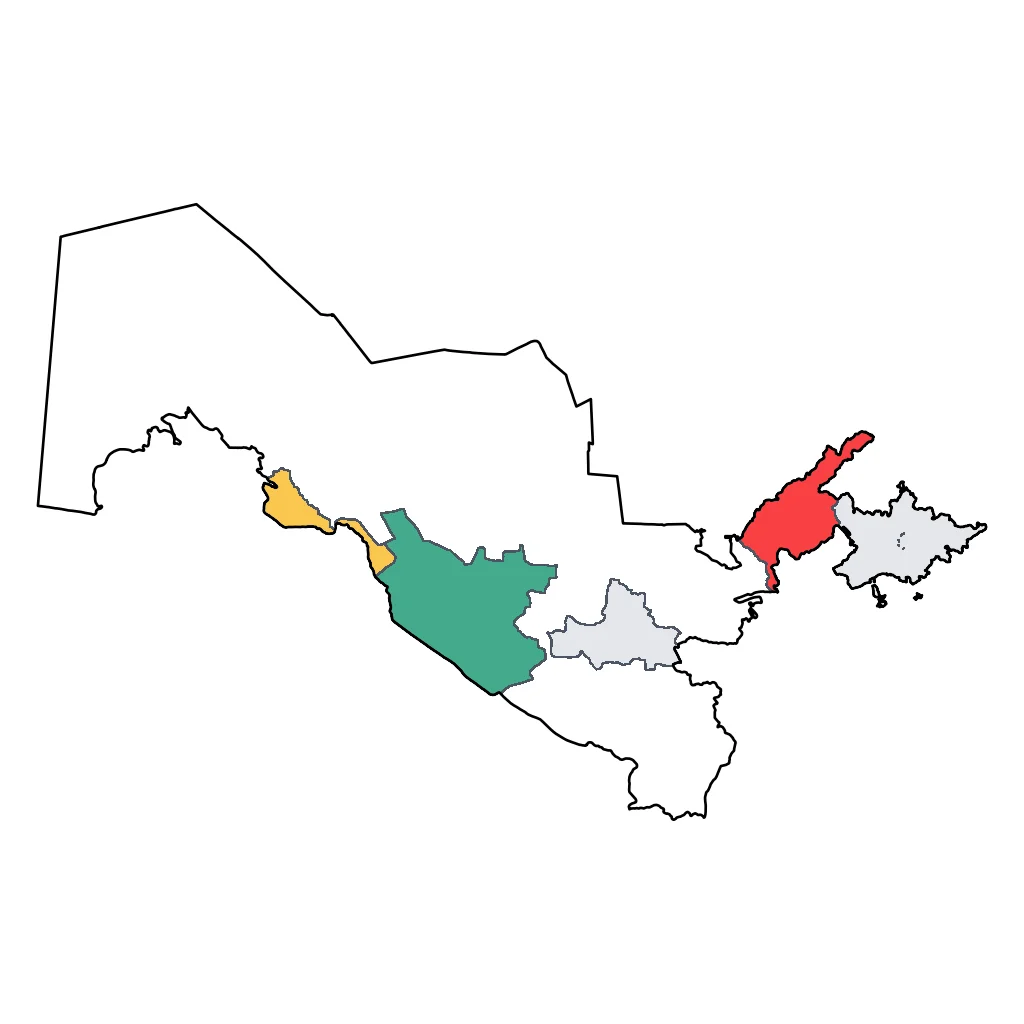

Events, celebrations, seasonal attractions
Features authentic Central Asian cultural celebrations, including traditional puppet theater and local folk performances that bring the Silk Road's history to life. Events are most enjoyable during the mild peak months, as extreme summer heat and winter cold are unsuitable for outdoor cultural gatherings.
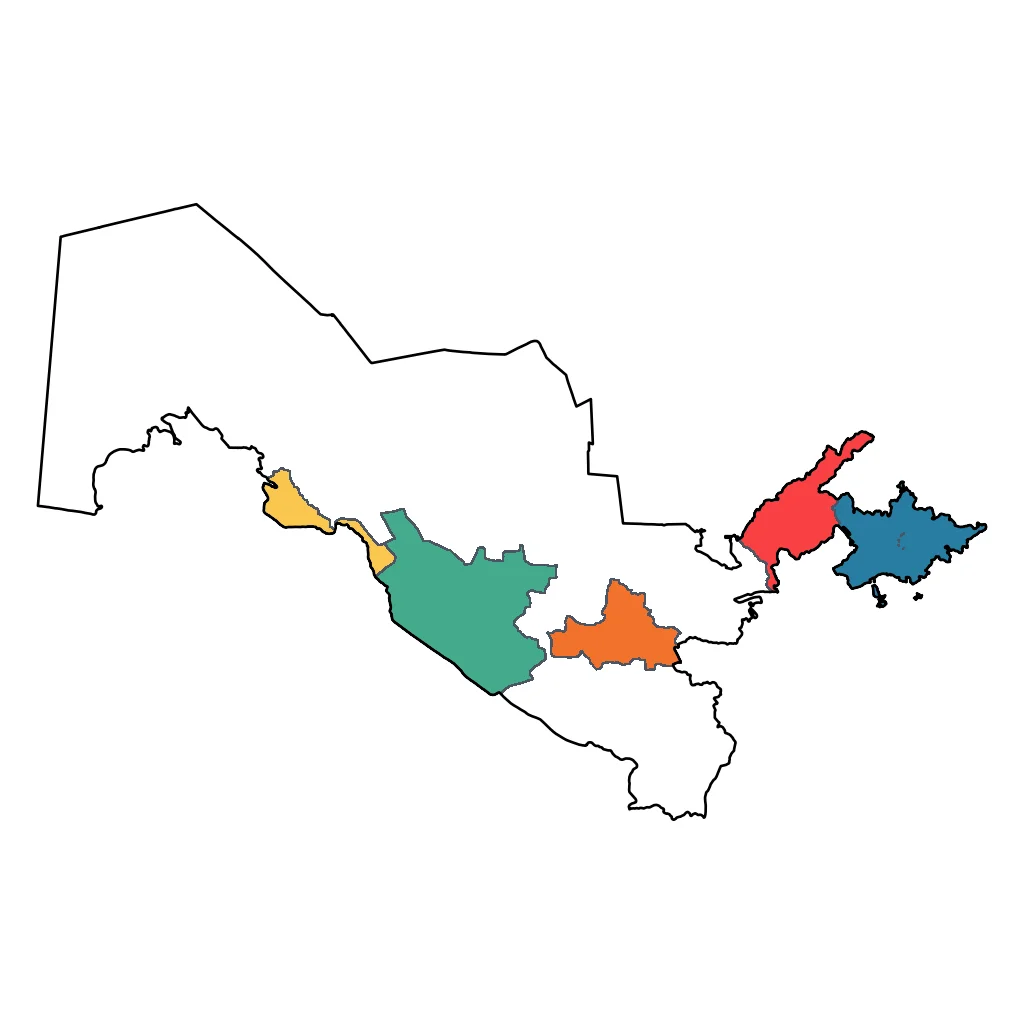

Scenic drives, countryside tours, route-based travel
Provides a spectacular, authentic route for the legendary Silk Road drive through the desert to Bukhara, featuring dramatic desert vistas. Peak travel months offer clear visibility and comfortable driving temperatures, while the peak of summer taxes air conditioning systems and winter brings harsh, freezing winds.