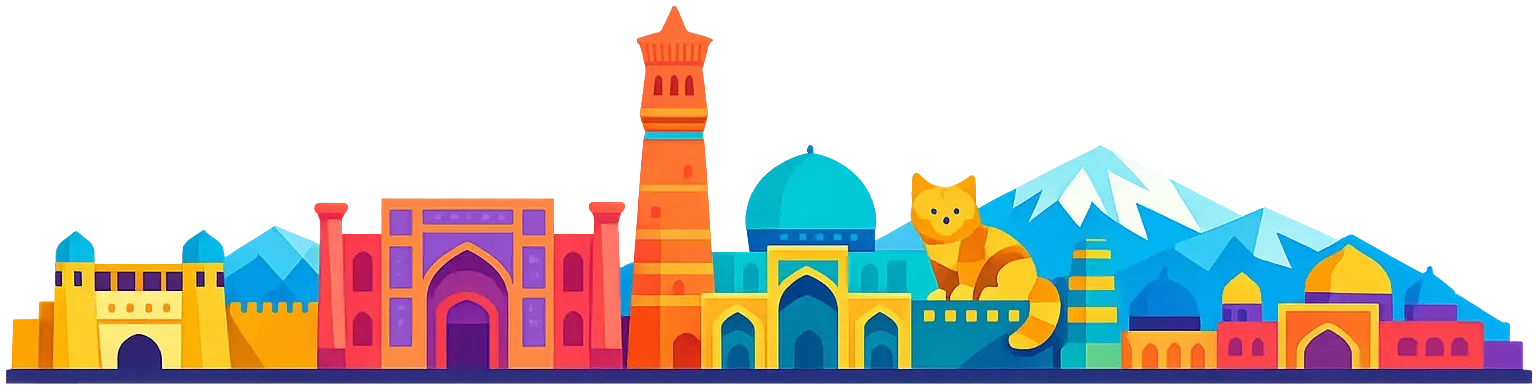

Samarkand is the crown jewel of the Silk Road, a city defined by grand scale and blue mosaics. For families, the sheer size of the monuments is awe-inspiring. The centrepiece is the Registan, a public square framed by three massive madrasahs. The detailed tile work is mesmerizing, and the large courtyard offers space for children to move around. In the evenings, a light and sound show often illuminates the buildings, turning the history lesson into a visual spectacle.
Beyond the main square, Samarkand offers educational experiences that appeal to young minds. The Ulugbek Observatory showcases the remains of a massive sextant used by the astronomer-king Ulugbek in the 1400s to map the stars. It connects history with science in a tangible way. A short drive from the city centre lies the Konigil Meros Paper Mill. This is a fantastic stop for families; located in a shady garden with a stream, visitors can watch a waterwheel power the pestles that mash mulberry bark into pulp. Children can watch the entire process of making traditional silk paper and even participate in workshops to make pottery or oil pressings.
The Siab Bazaar, located near the Bibi-Khanym Mosque, is a sensory adventure. Here, families can taste and buy the famous Samarkand non (bread), which is heavy, glazed, and lasts for weeks. The market is also full of dried fruits, nuts, and traditional sweets like halva, perfect for stocking up on snacks.
Practical Tips: Samarkand is a large, modern city with a historic core, so taxis are needed to get between some sites. The Shah-i-Zinda necropolis involves climbing stairs past vibrant blue tombs—it is beautiful but can be tiring for toddlers, so bring a carrier. The city is the central hub of the high-speed rail network, making it an easy 2-hour trip from Tashkent. Accommodation ranges from boutique guesthouses near the Registan to larger hotels with pools, which can be a lifesaver during the hot summer afternoons.
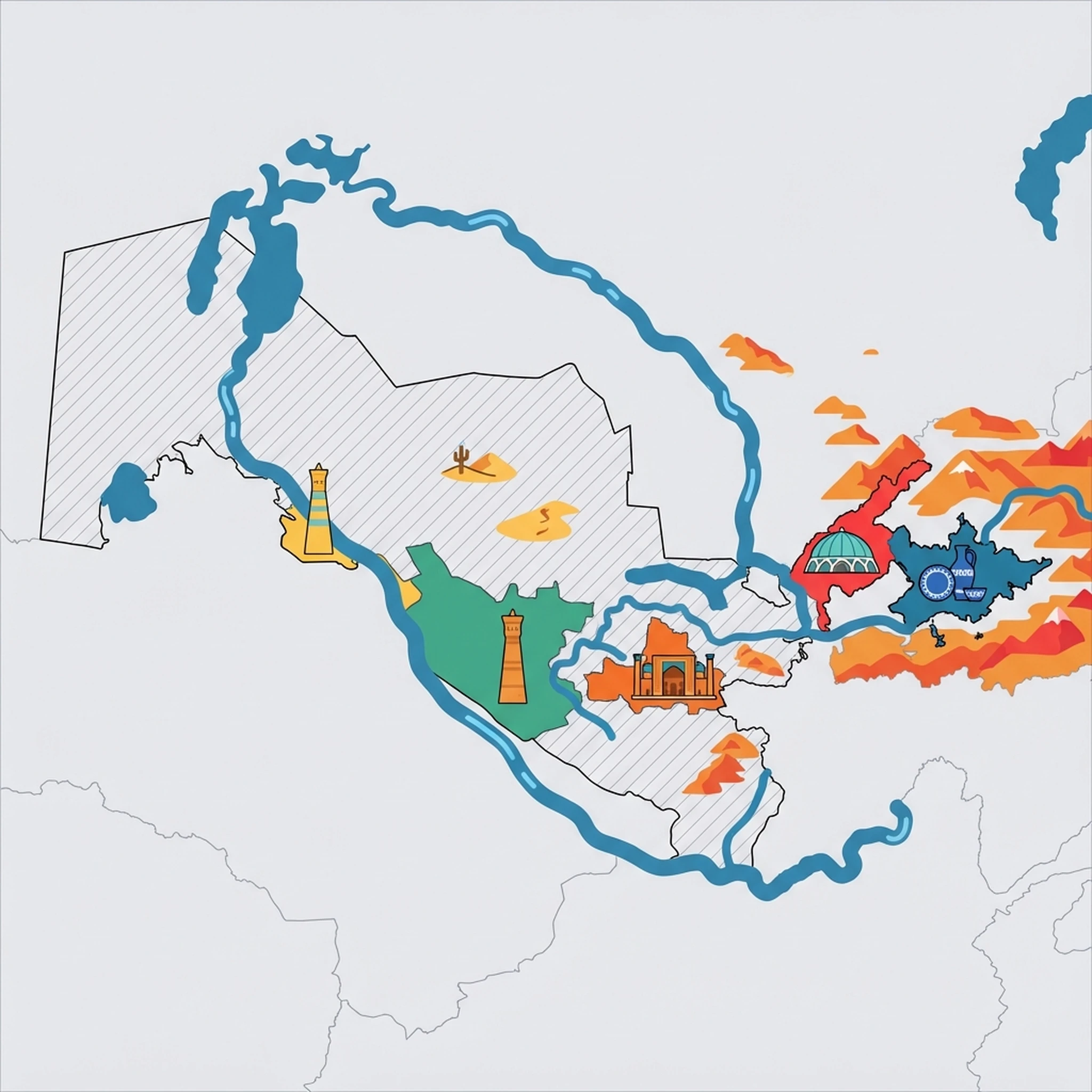
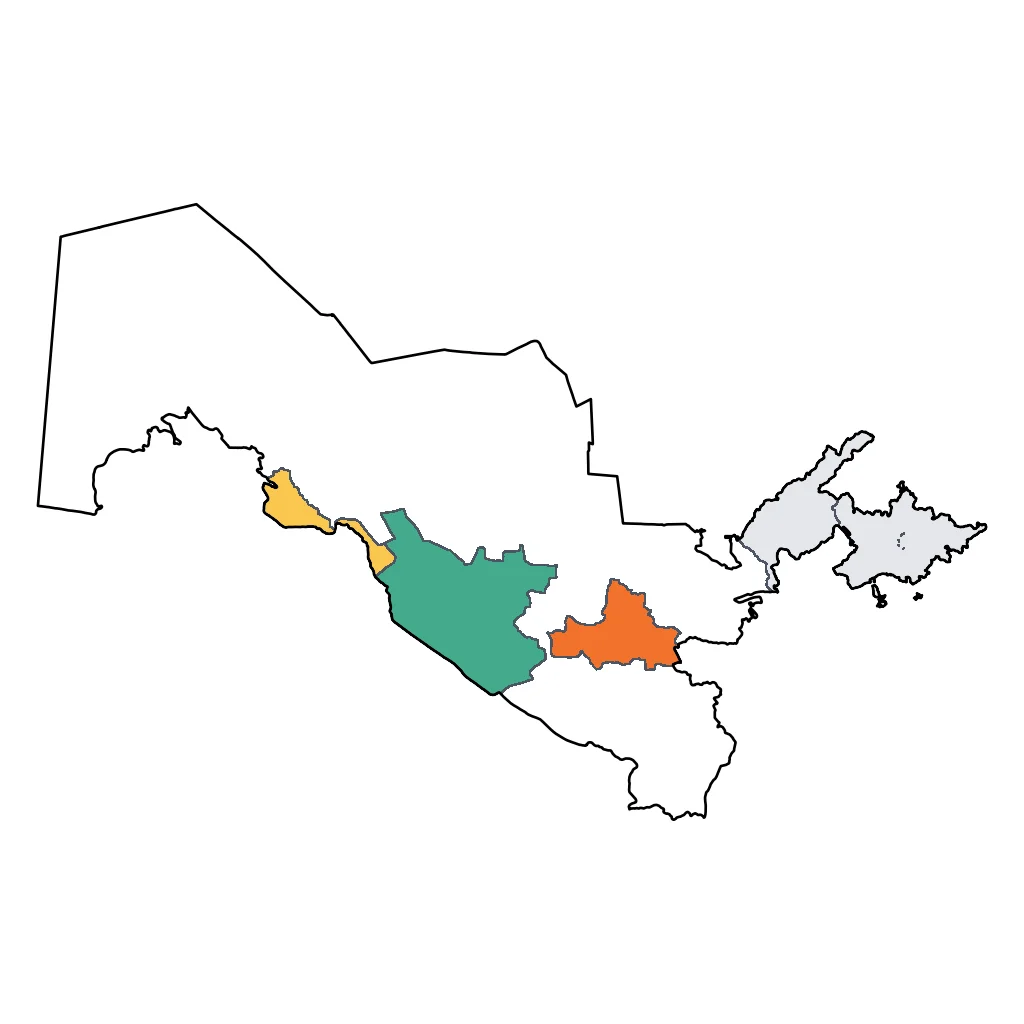
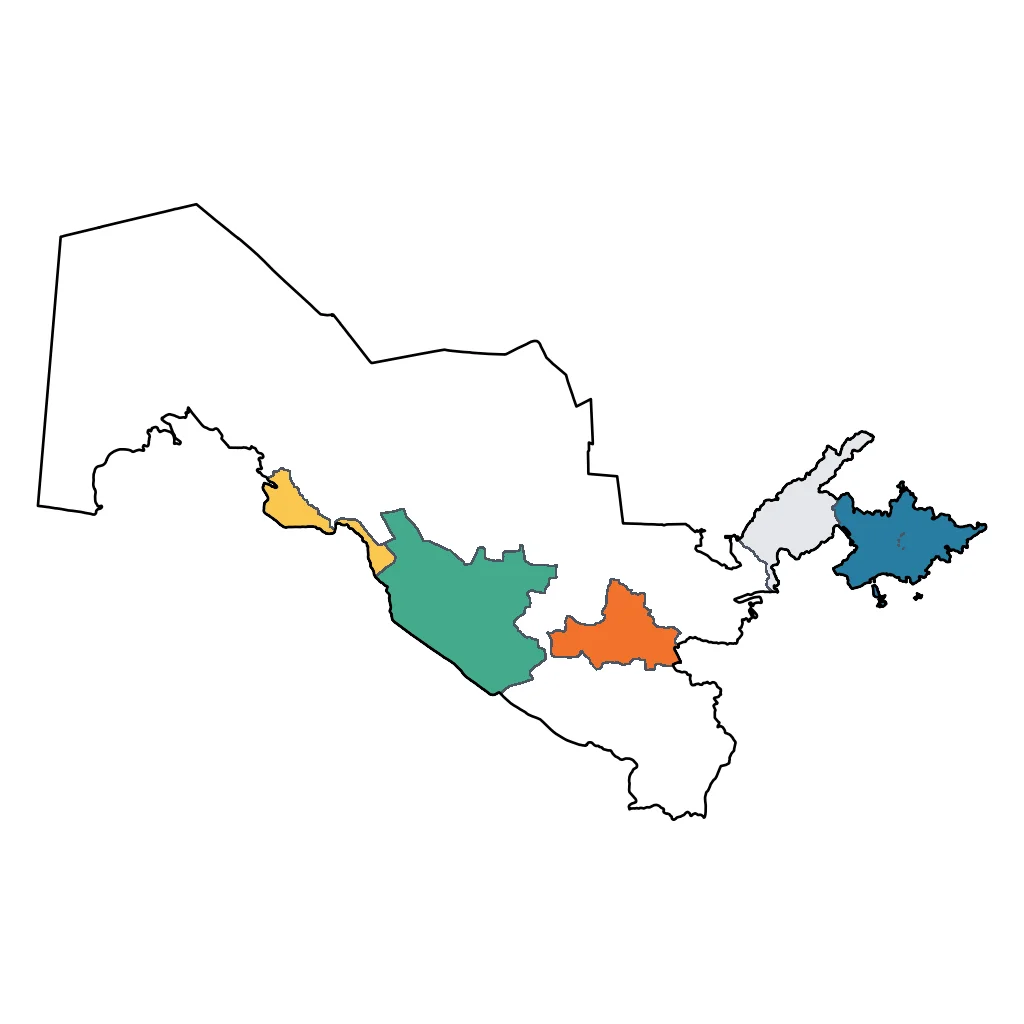
Click a region to explore

Activities & Best Times

Urban tourism, museums, historical sites, architecture
Samarkand is a world-class destination featuring the pinnacle of Islamic architecture and Silk Road history, including the iconic Registan Square. Peak spring (Apr-May) and autumn (Sep-Oct) offer ideal temperatures for sightseeing, while the extreme continental heat of July and freezing winter months are less comfortable for family exploration.

Learning experiences, scientific sites, historical education
The city offers deep intellectual immersion through sites like the Ulugh Beg Observatory and the Afrosiyob archaeological museum, perfect for inquisitive families. These outdoor historical sites are best experienced during mild seasons, as the extreme July heat (>35°C) and winter lows (-2.2°C) hinder the learning experience.

Events, celebrations, seasonal attractions
Hosts authentic international events like the Sharq Taronalari music festival in August and the vibrant Navruz (Persian New Year) celebrations in March. While March can be rainy and August hot, the cultural significance of these festivals provides a world-class experience for travelers seeking genuine local traditions.
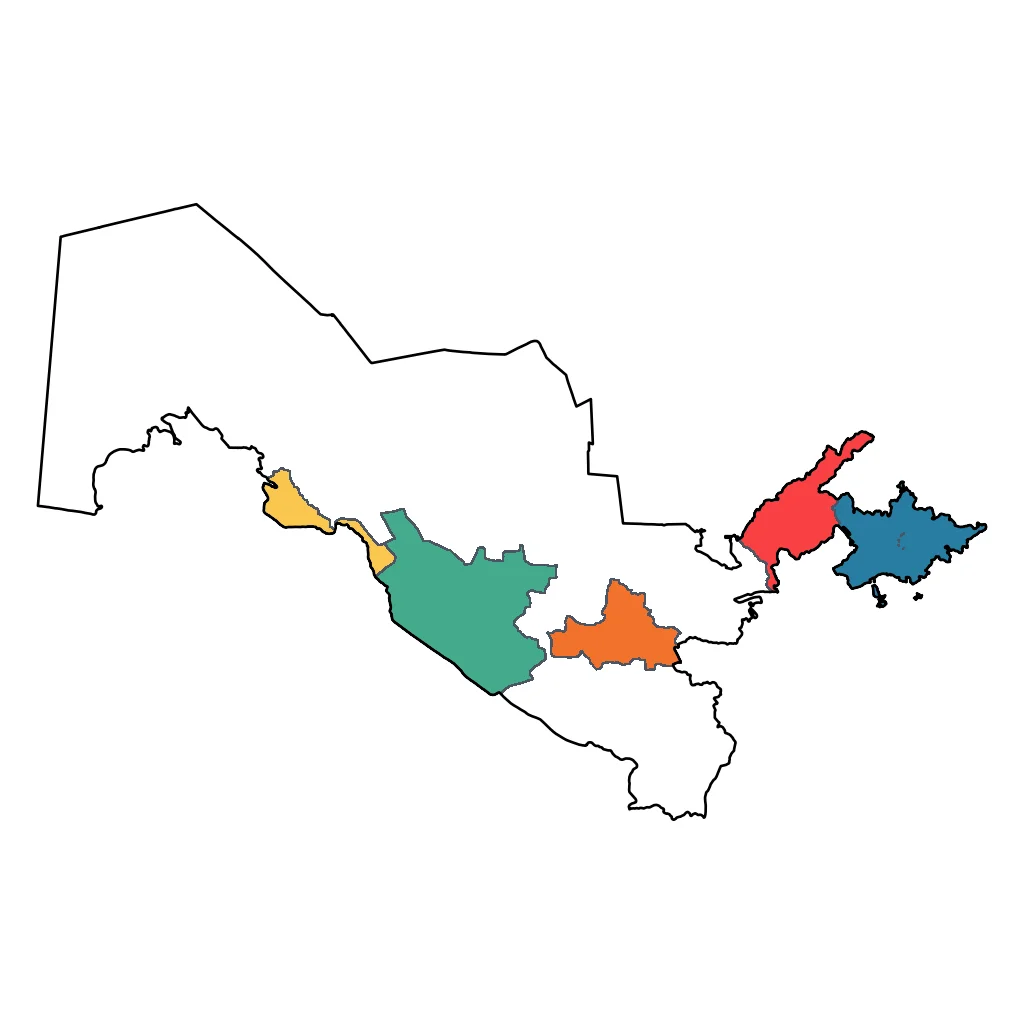

Scenic drives, countryside tours, route-based travel
Samarkand serves as a critical hub for legendary Silk Road routes through spectacular arid landscapes and mountain passes. Spring blooms and autumn harvest colors provide a beautiful backdrop for driving, whereas winter snow and July's intense heat make long-distance travel across the steppe more challenging.
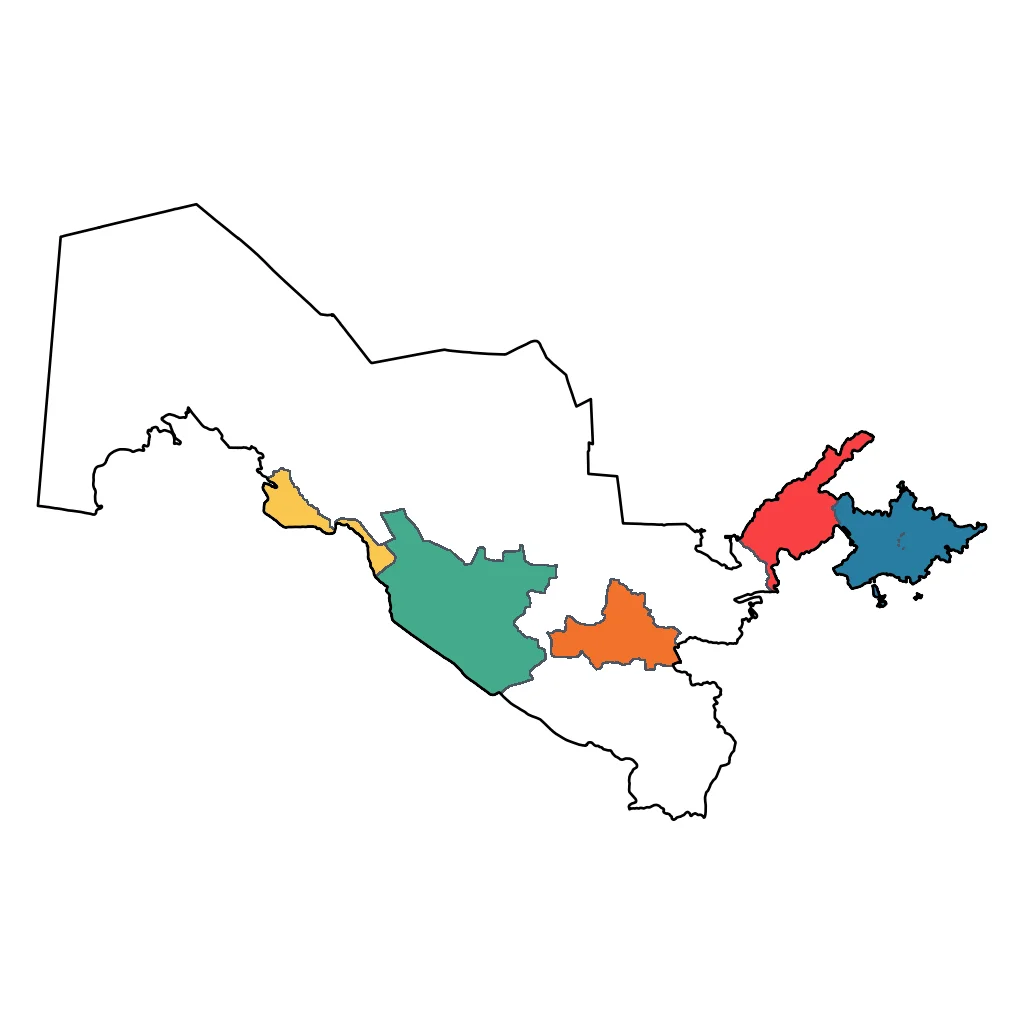

Hiking, wildlife, outdoor exploration, ecotourism
Zero nature-based attractions in database. Zarafshan mountains exist but infrastructure is limited. Samarkand is fundamentally a cultural destination - 'good' for adventure inflates its profile against global adventure destinations.
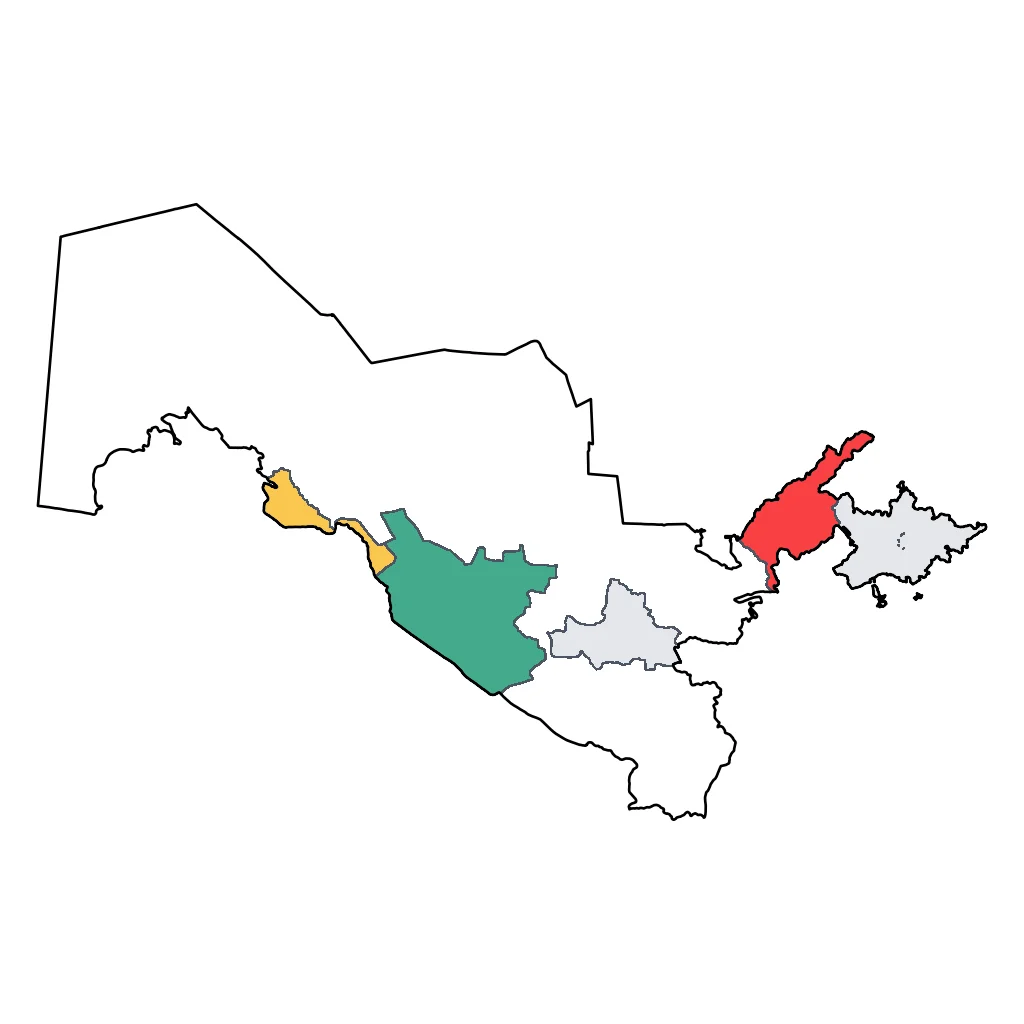

Spa retreats, wellness centers, peaceful getaways
Features traditional hammams and a developing high-end resort infrastructure (Silk Road Samarkand) that provides a peaceful escape from the bustling city. While authentic, it lacks the depth of world-class spa diversity found in dedicated wellness destinations, and outdoor relaxation is limited by the region's temperature extremes.

Sport tourism, fitness activities, active recreation
Offers opportunities for cycling and light hiking in the rural outskirts during the mildest months of the year. The suitability is limited for discerning travelers due to a lack of specialized international-standard sports infrastructure and highly restrictive seasonal weather conditions.