

Vatican City sits as an independent enclave entirely surrounded by Rome, covering just 44 hectares. For families, this geographic curiosity is often the first hook: children love the idea of walking across a street and entering a different country. While it is the center of the Catholic Church and home to immense artistic treasures, a visit here can be tailored to suit children's energy levels and interests without becoming an overwhelming history lesson.
The heart of the state is St. Peter's Square (Piazza San Pietro). Its sheer scale allows kids to move around more freely than in crowded city streets. The massive colonnades and the central Egyptian obelisk provide a dramatic setting. Families often enjoy spotting the Swiss Guards stationed at the entrances. Their distinct Renaissance-style uniforms-striped in blue, red, and yellow-and halberds are visually striking and memorable for younger visitors. Watching the changing of the guard is a simple but engaging event.
St. Peter's Basilica is free to enter, though security lines can be long. Inside, the immense size of the nave is awe-inspiring. A popular activity for families with older children is climbing the dome (cupola). You can take an elevator part of the way, but the final ascent involves narrow, spiraling stairs that feel like a medieval adventure. The reward is a concrete view looking down directly into the Vatican gardens and out across the rooftops of Rome.
The Vatican Museums are vast and can be tiring, so a targeted strategy works best. Families should head toward the Carriage Pavilion (Padiglione delle Carrozze), which displays historic carriages, saddles, and a collection of Popemobiles used by past popes. This section is rarely crowded and very relatable for kids. The Gregorian Egyptian Museum is another hit, featuring sarcophagi, mummies, and hieroglyphs that capture the imagination. If you plan to see the Sistine Chapel, prepare children beforehand for the strict quiet rules and the crowds.
Practically, visiting the Vatican requires planning. Dress codes are strictly enforced: shoulders and knees must be covered for everyone, including children, so pack scarves or wear convertible trousers even in summer. The climate matches Rome's, with hot, humid summers and mild winters. July and August can be stiflingly hot; early morning visits are essential to beat both the heat and the longest queues. While there are cafeterias inside the museums, many families prefer to eat pizza or gelato in the surrounding Prati district of Rome immediately after their visit.

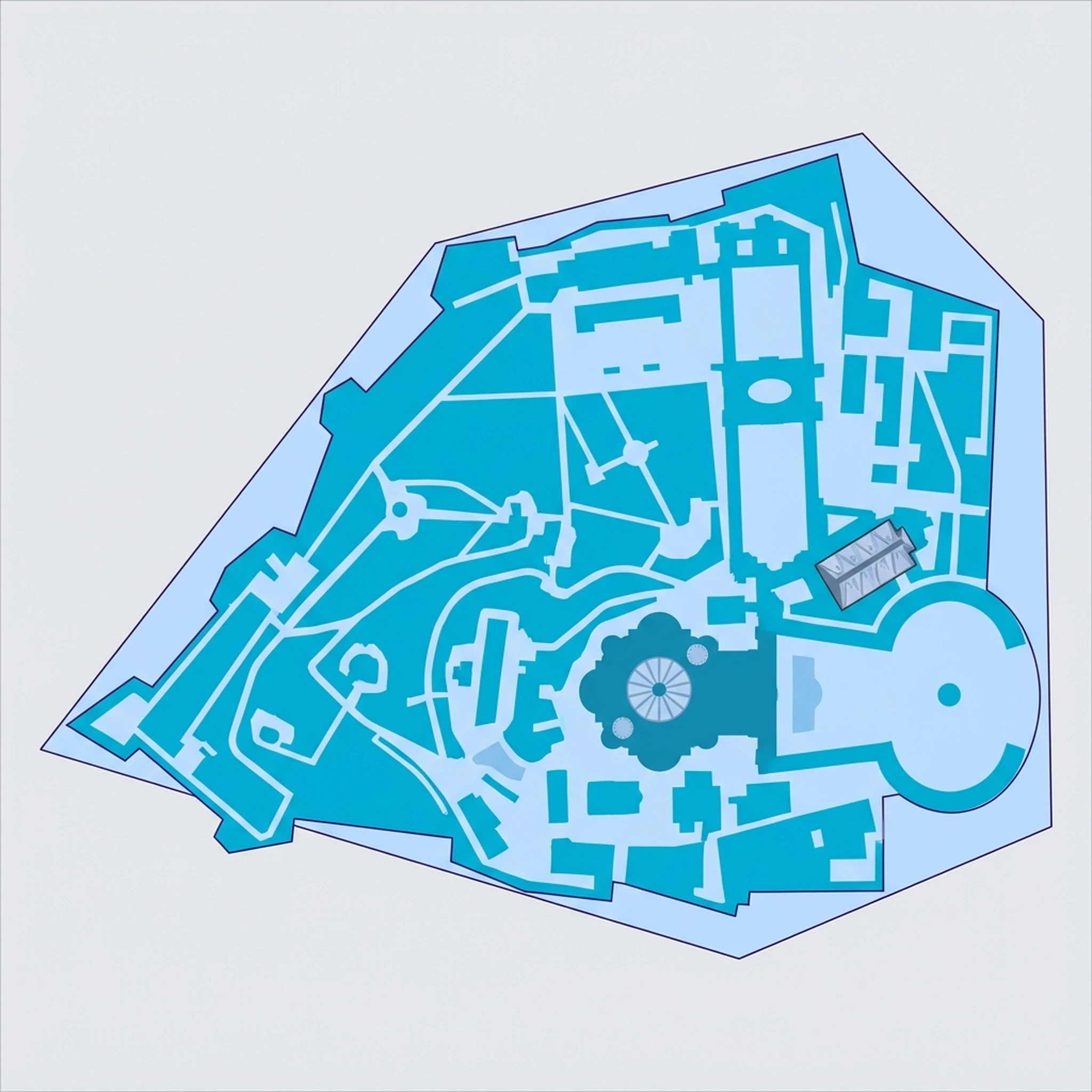
Map

Activities & Best Times

City & Cultural
ExcellentUrban tourism, museums, historical sites, architecture
A globally unparalleled cultural destination containing the Sistine Chapel, the Vatican Museums, and St. Peter’s Basilica. Peak summer and late spring months offer the most consistent weather for exploring the expansive architectural complexes, while winter months are cooler with higher precipitation that can hinder outdoor exploration of the Piazza.

Educational & Exploratory
ExcellentLearning experiences, scientific sites, historical education
Offers world-class historical and archaeological learning, including the Necropolis (Scavi) tours and extensive art history collections. Ideal weather in the middle of the year facilitates access to guided educational experiences across the enclave, whereas Nov-Feb see significant rainfall and lower temperatures.

Festivals & Seasonal
Very GoodEvents, celebrations, seasonal attractions
Home to globally significant religious events like Easter and Christmas, which provide authentic, world-class ceremonial experiences. While April and December are peak for major events, weather conditions in winter are less than ideal for outdoor gatherings compared to the minor festivals held in shoulder months.

Attractions
8 attractions to explore. Click markers for details.

Airports & Flight Routes
Toggle options to view domestic routes and international airports. Click an airport for details.
Climate & Weather
Climate Overview
| Month | Temp (°C) | Rain (mm) | Humidity | Wind (m/s) |
|---|

Travel Advisory
The majority of international agencies classify the Holy See as a destination requiring standard safety awareness, despite localized crowding and petty crime risks.
Safety Topics
Traveller Advice (3 groups)

While legal, same-sex relationships are a sensitive subject within the jurisdiction. Discretion in public displays of affection is advised to avoid unwanted attention or potential friction with religious authorities.

Prepare for long queues and high temperatures during the summer. It is recommended to book museum tickets well in advance due to extreme demand during the Holy Year.

Participants in the 2025 Jubilee are encouraged to obtain a digital Pilgrim's Card for access to major events and to follow specific security corridors designated for religious processions.