

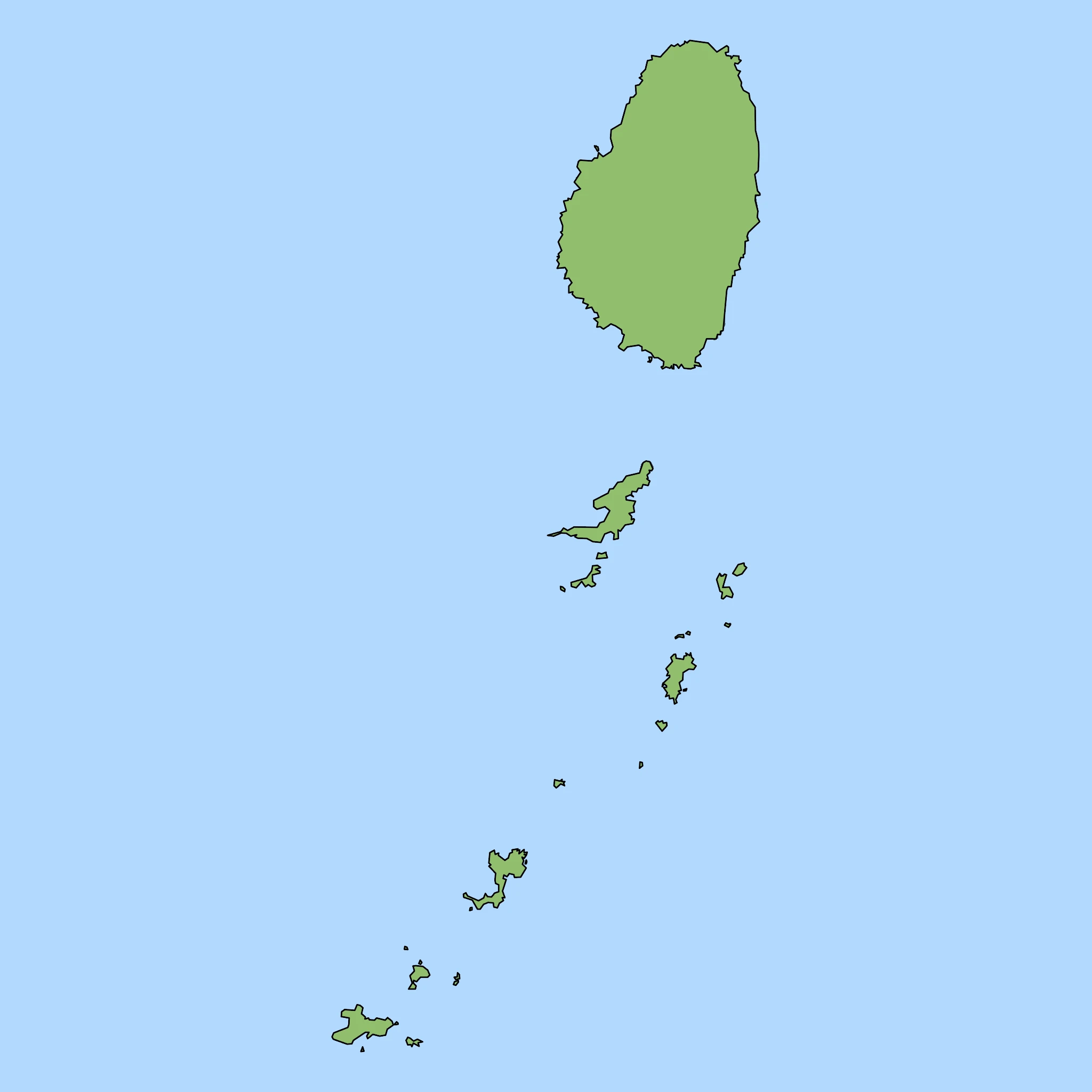
Saint Vincent and the Grenadines (SVG) is not a single destination but a chain of 32 islands and cays that offers families a diverse Caribbean adventure. Unlike destinations defined by gated all-inclusive resorts, SVG encourages exploration. The country comprises the main island, Saint Vincent-a lush, volcanic land of rainforests and waterfalls-and the Grenadines, a string of smaller, quieter islands known for white sands and sailing. This contrast allows families to combine hiking and eco-tours with relaxing beach days in a single trip.
On the main island of Saint Vincent, active families can explore the rugged landscape. A visit to Wallilabou Bay is often a highlight for children, as the preserved set remnants from the Pirates of the Caribbean movies allow them to step into the world of Captain Jack Sparrow. Nearby, the Dark View Falls are accessible via a short hike and a bamboo bridge, offering a cool freshwater swim beneath two cascading waterfalls. For a gentler outing, the St. Vincent Botanical Gardens in Kingstown-the oldest in the Western Hemisphere-gives kids the chance to see the rare St. Vincent Parrot and massive tropical trees.
Traveling south by ferry to the Grenadines changes the pace entirely. Bequia, the largest of these islands, is particularly welcoming to families. The ferry ride itself is an exciting open-deck experience across the channel. Once there, families can walk along the Belmont Walkway or visit the Old Hegg Turtle Sanctuary, where children can observe hawksbill turtles and learn about conservation efforts. The beaches here, such as Princess Margaret Beach and Lower Bay, have calm, shallow waters ideal for younger swimmers.
The crown jewel for aquatic adventure is the Tobago Cays Marine Park. Accessible only by boat, this protected horseshoe reef offers some of the best snorkeling in the region. The water is shallow and exceptionally clear, allowing even novice snorkelers to swim alongside green sea turtles and stingrays in their natural habitat. Many boat tours provide beach barbecues on the uninhabited cays, serving fresh fish and potatoes.
Practical considerations: The dry season (December to April) is the most comfortable time to visit, though brief tropical showers occur year-round. Getting around often involves water taxis and ferries, which adds to the adventure but requires basic planning. English is the official language, and the Eastern Caribbean Dollar (XCD) is the local currency, though US dollars are widely accepted. The sun is strong, so high-SPF biodegradable sunscreen is essential for days spent on the water.

Map

Activities & Best Times
Beach & Sea
ExcellentBeach resorts, marine activities: diving, snorkelling, kite surfing, wind surfing, sailing
The Grenadines offer world-class sailing and snorkeling in the Tobago Cays, rivaling the Maldives for marine clarity and barefoot luxury. Peak conditions occur in February and March when rainfall is at its annual minimum (<100mm), ensuring the best underwater visibility and calm sea states.

Sports & Active
ExcellentSport tourism, fitness activities, active recreation
Regarded as one of the world's premier sailing grounds due to consistent trade winds and deep-water channels between islands. Peak season aligns with the most stable wind conditions and dry weather; the hurricane season (Jun-Nov) poses significant risks to maritime activities.

Adventure & Nature
Very GoodHiking, wildlife, outdoor exploration, ecotourism
Home to the dramatic La Soufrière volcano and the Vermont Nature Trail, providing authentic encounters with rare wildlife like the St. Vincent Parrot. Drier months (Feb-Mar) are optimal for safe volcanic trekking; the wet season (Jun-Nov) makes mountain trails treacherous and muddy.

City & Cultural
GoodUrban tourism, museums, historical sites, architecture
Kingstown offers authentic colonial history and the vibrant Heritage Square, reflecting a genuine Caribbean urban identity. Cultural exploration is best in the cooler, drier months of February and March; the extreme rainfall from June to November makes walking tours uncomfortable.

Educational & Exploratory
GoodLearning experiences, scientific sites, historical education
The St. Vincent Botanic Gardens and the unique volcanic geology provide significant learning opportunities for nature-focused families. Peak visitation coincides with stable weather for outdoor tours, whereas the high precipitation of the off-season limits access to scientific sites.

Festivals & Seasonal
GoodEvents, celebrations, seasonal attractions
The 'Vincy Mas' carnival in June/July and the 'Nine Mornings' festival in December offer globally unique cultural immersion. While the summer months are wetter, they are the peak for these specific cultural traditions; late autumn months see fewer traditional celebrations.

Relaxation & Wellness
GoodSpa retreats, wellness centers, peaceful getaways
While exclusive private island resorts like Mustique offer luxury accommodations, SVG lacks the dedicated wellness infrastructure (destination spas, wellness resorts, yoga retreats) that characterizes internationally outstanding wellness destinations. The rating conflates luxury lodging with wellness tourism. 'Good' is more appropriate - visitors can certainly relax in beautiful settings, but it's not a wellness destination per se.

Road Trips & Scenic
MarginalScenic drives, countryside tours, route-based travel
Dramatic coastal roads on the main island offer scenic views, though the archipelago is better explored by sea. Road exploration is most enjoyable during the dry window to avoid potential landslides and poor visibility caused by the heavy seasonal rains (over 250mm/month).
Attractions
31 attractions to explore. Click markers for details.

Airports & Flight Routes
Toggle options to view domestic routes and international airports. Click an airport for details.
Climate & Weather
Climate Overview
| Month | Temp (°C) | Rain (mm) | Humidity | Wind (m/s) |
|---|

Travel Advisory
The country is generally considered safe for visitors, with all major agencies recommending standard safety awareness and vigilance against petty crime.
Safety Topics
Traveller Advice (3 groups)

Exercise caution when walking alone, particularly on beaches or in unlit areas after dark. Be aware of potential verbal harassment and stick to well-travelled routes.

Secure your belongings in tourist hubs and avoid carrying large amounts of cash. If travelling by yacht, ensure all equipment is locked and monitor regional maritime security alerts.

Same-sex relations are technically illegal under buggery and indecency laws. While rarely enforced against tourists, public displays of affection are generally discouraged due to prevailing social attitudes.