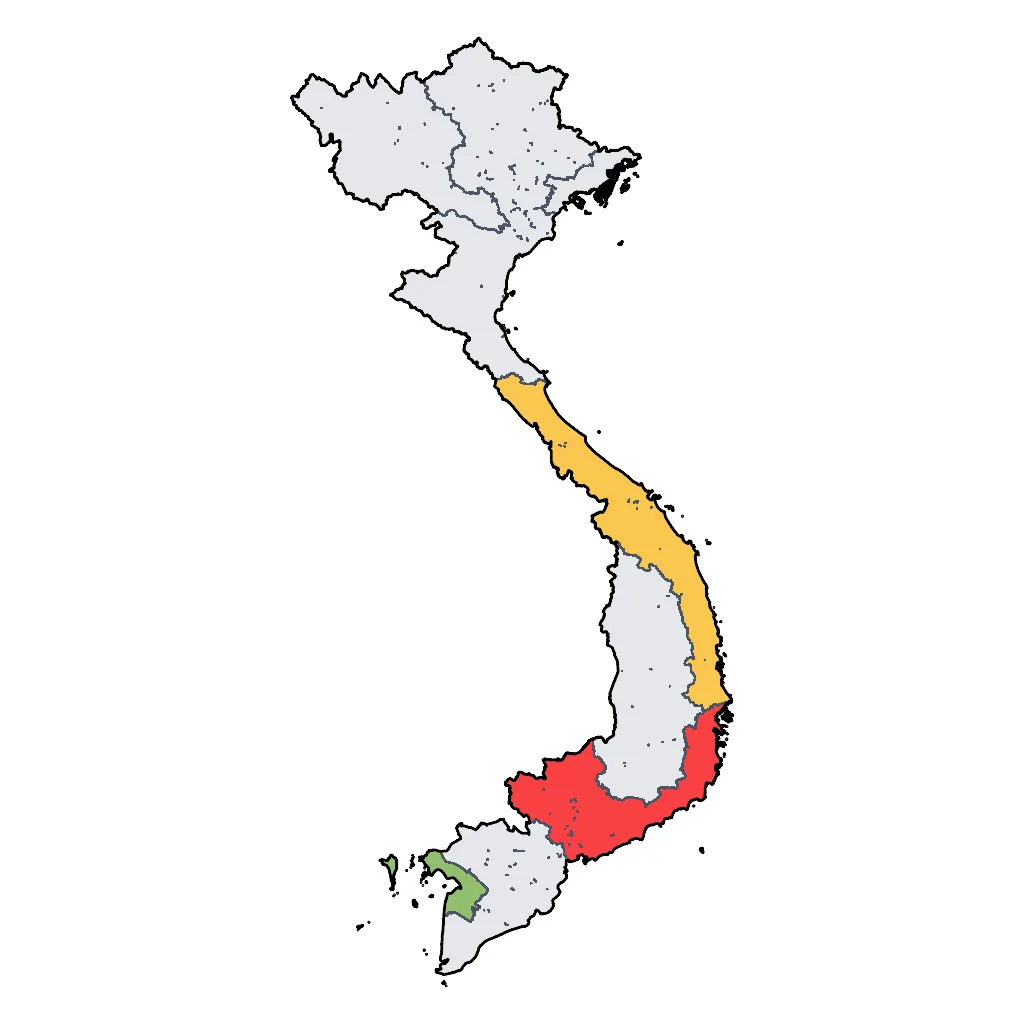

Sapa and the surrounding Northwest Mountains offer some of Vietnam's most dramatic scenery. Famous for cascading rice terraces carved into steep mountainsides, this region provides an adventurous yet accessible experience for active families. The cooler climate—it can even snow in winter—is a stark contrast to the tropical heat of the lowlands, so packing layers is essential.
The highlight for many is the Fansipan Legend Cable Car. This engineering marvel whisks families from the valley floor to the top of the highest peak in Indochina in just 15 minutes. It allows children and grandparents to experience high-altitude views that were once reserved for hardcore trekkers. At the summit, a complex of temples and statues sits amidst the swirling clouds, creating a mystical atmosphere.
Cultural interaction is central to the Sapa experience. The region is home to several ethnic minority groups, primarily the Black H'mong and Red Dzao people, distinguished by their beautiful traditional clothing. Families can take light treks into the Muong Hoa Valley to villages like Ta Van or Lao Chai. Unlike strenuous hikes, these walks can be tailored to little legs, often following paved paths or dirt roads. Children often enjoy seeing the free-roaming water buffalo, pigs, and chickens in the villages.
Getting to Sapa is an adventure in itself, with the overnight sleeper train from Hanoi to Lao Cai being a popular choice for kids who enjoy the novelty of sleeping in a bunk on the rails. Alternatively, modern sleeper buses take about 6 hours. While the town of Sapa has become quite built-up, the surrounding countryside remains breathtakingly beautiful, especially during the harvest season in September when the rice turns gold.
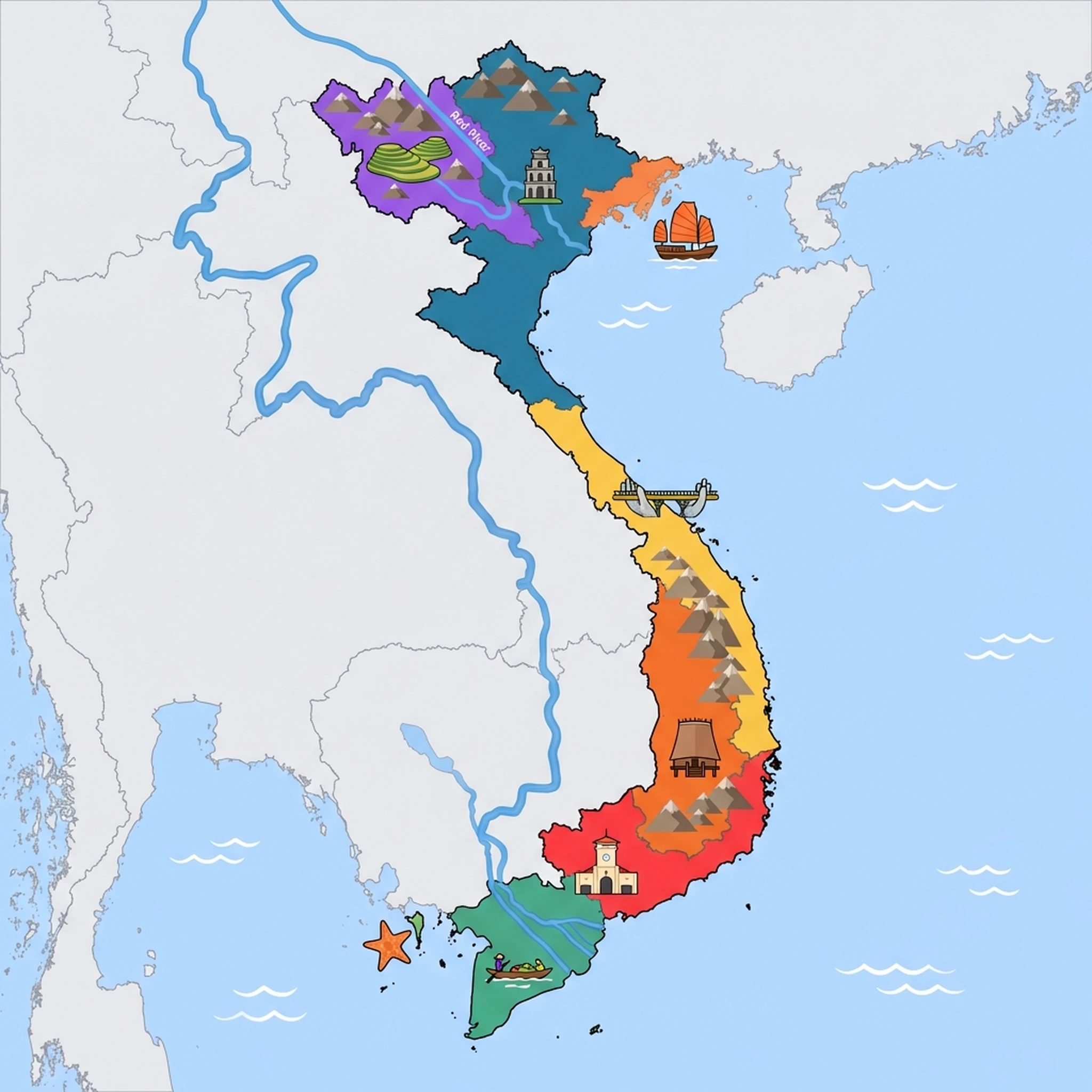
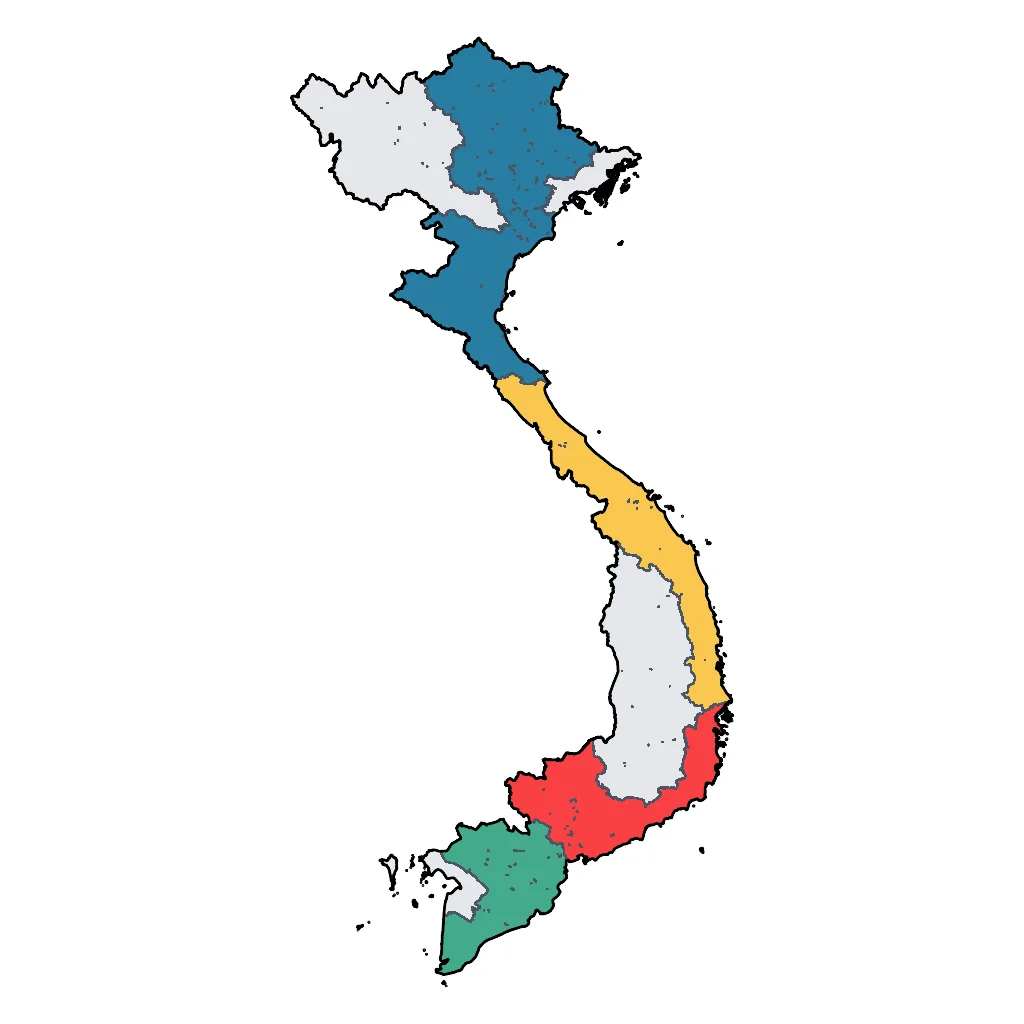
Click a region to explore

Activities & Best Times

Hiking, wildlife, outdoor exploration, ecotourism
Home to the world-renowned Mu Cang Chai rice terraces and the roof of Indochina, Fansipan. Peak months offer dry trails and crisp air; summer monsoons (May-Sep) bring high landslide risks and poor visibility that degrade the experience for sophisticated adventurers.
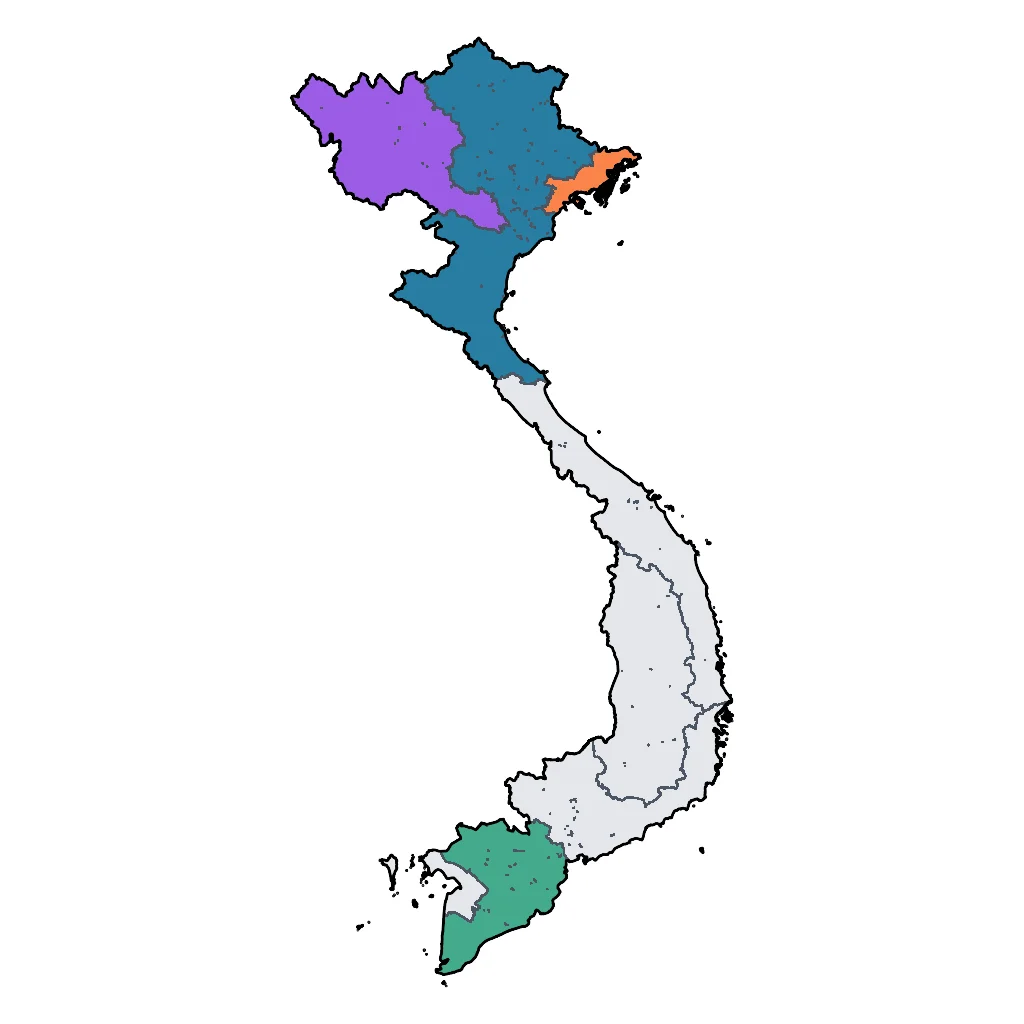

Scenic drives, countryside tours, route-based travel
The region features the spectacular O Quy Ho Pass and rugged loops that rival the world's best mountain drives. Winter and spring offer dry, safe tarmac and mist-free vistas; summer monsoons make these high-altitude routes dangerous and prone to closures.
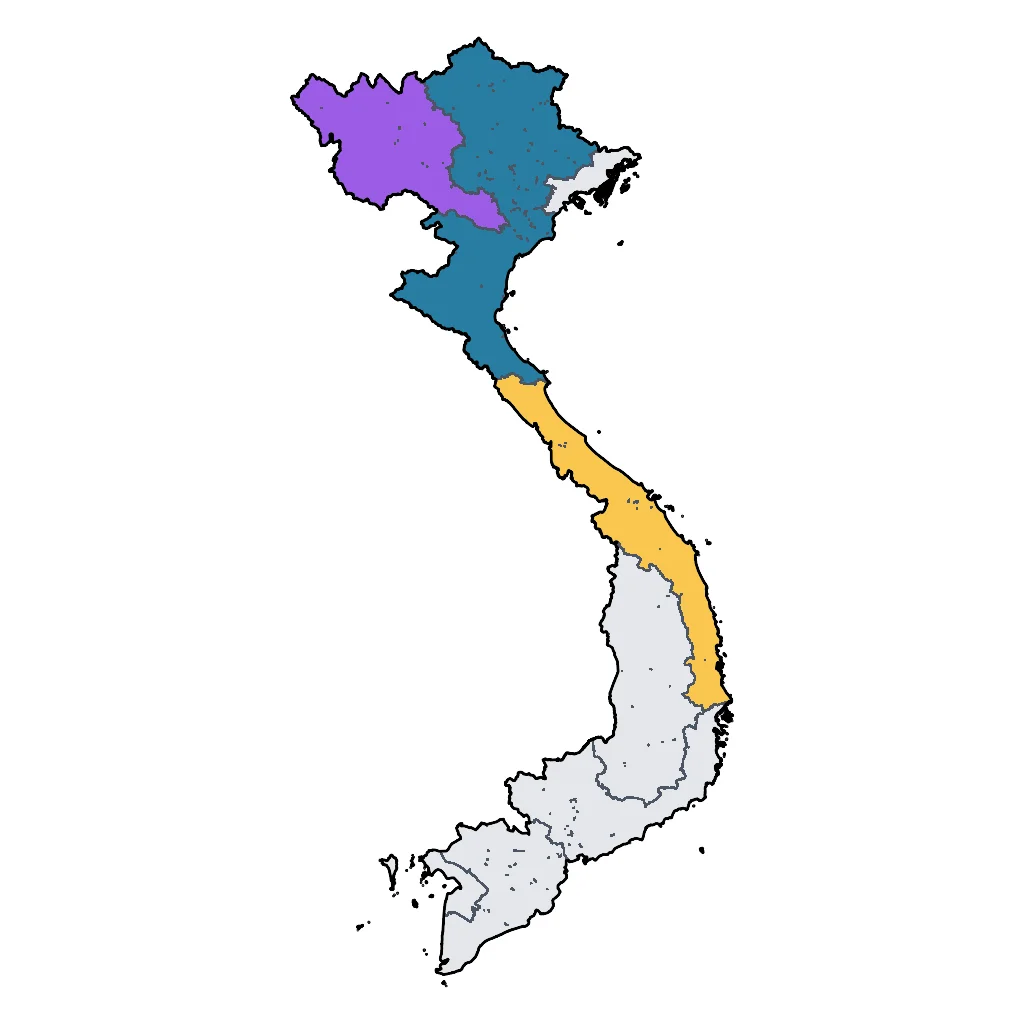

Events, celebrations, seasonal attractions
Offers authentic cultural immersion through ethnic minority hill tribe markets and traditional harvest celebrations. September is a world-class visual event as the terraced valleys turn golden, while Jan-Feb feature the region's most significant spiritual festivals.
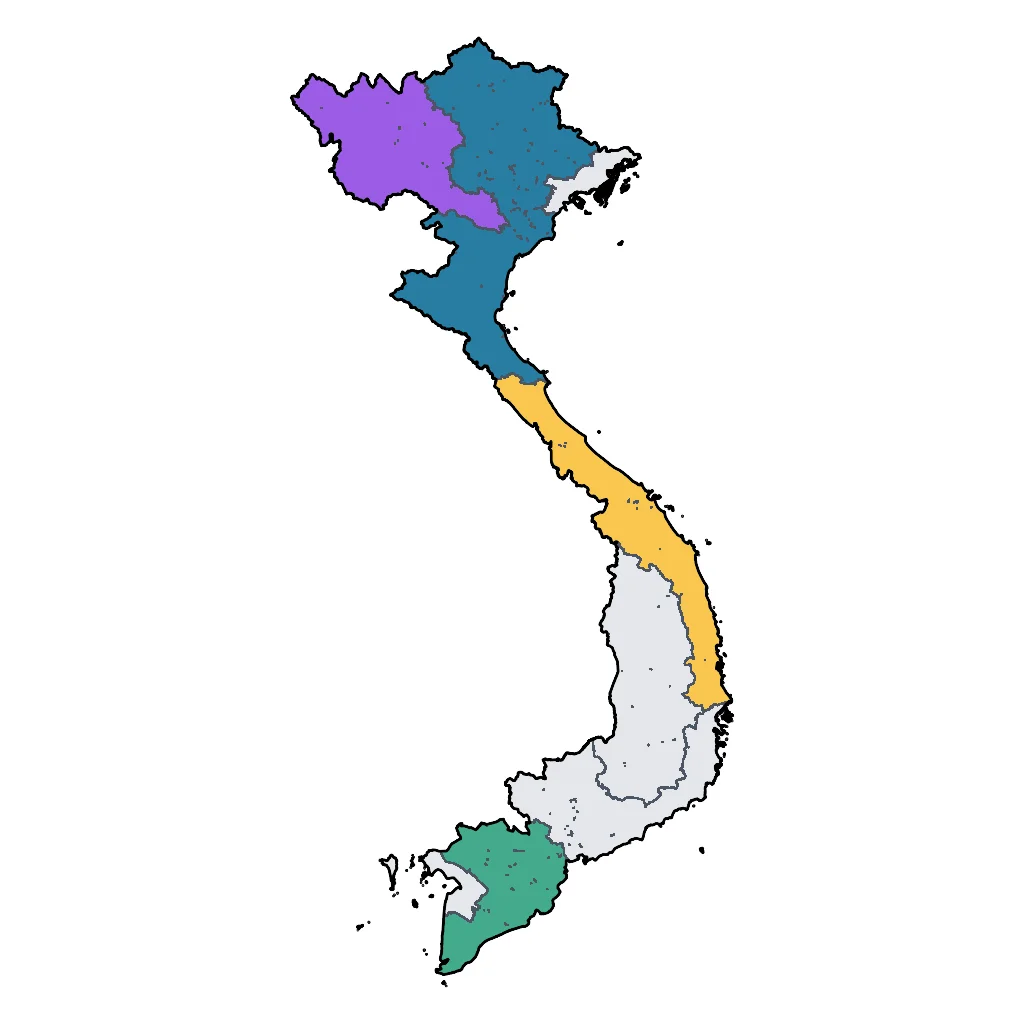

Sport tourism, fitness activities, active recreation
A premier destination for high-altitude trail running (hosting the Vietnam Mountain Marathon) and mountain biking. Shoulder months can be quite cold for active sports at high elevations, while the summer humidity and heavy rain make trails nearly impassable.
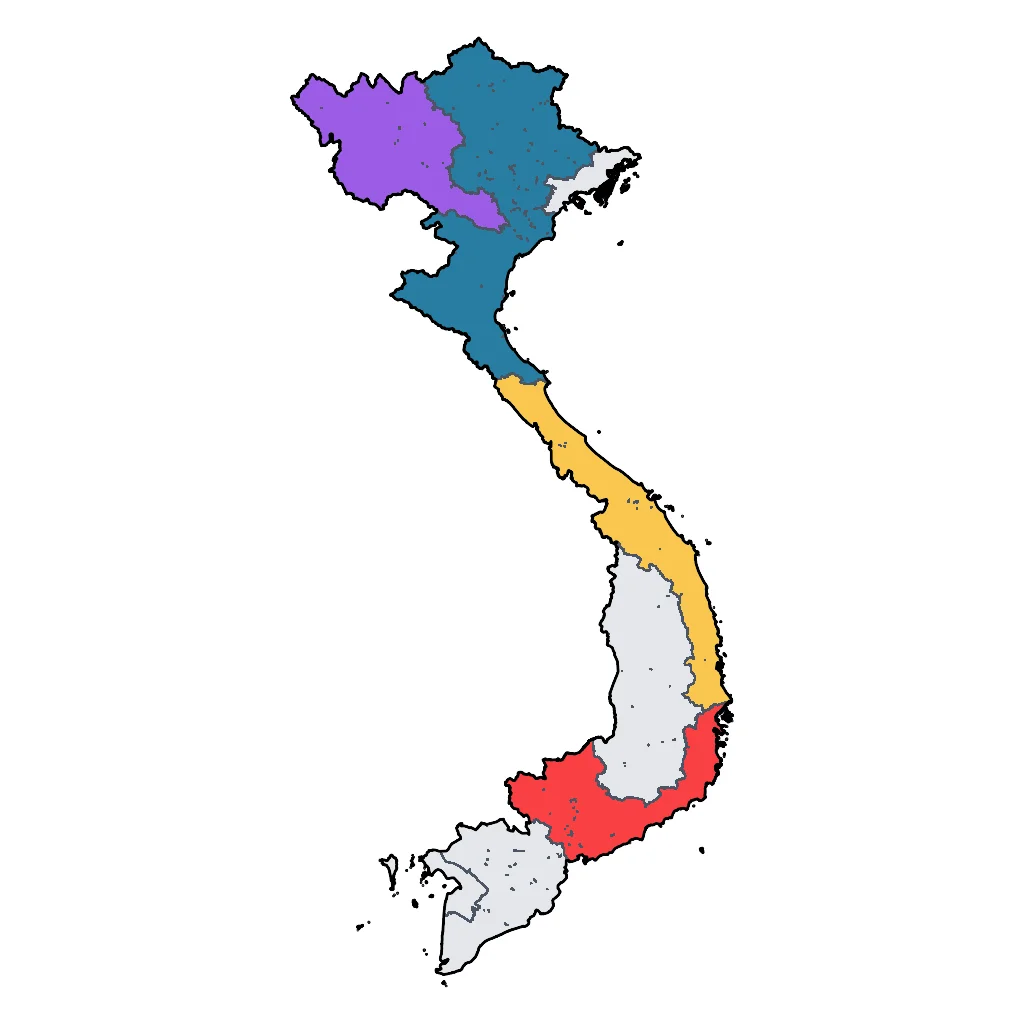

Learning experiences, scientific sites, historical education
Provides deep insights into sophisticated indigenous agricultural engineering and diverse ethno-linguistic history. Discerning families will value the authentic interactions, though the heavy summer rains (May-Aug) make many culturally significant remote areas difficult to access.
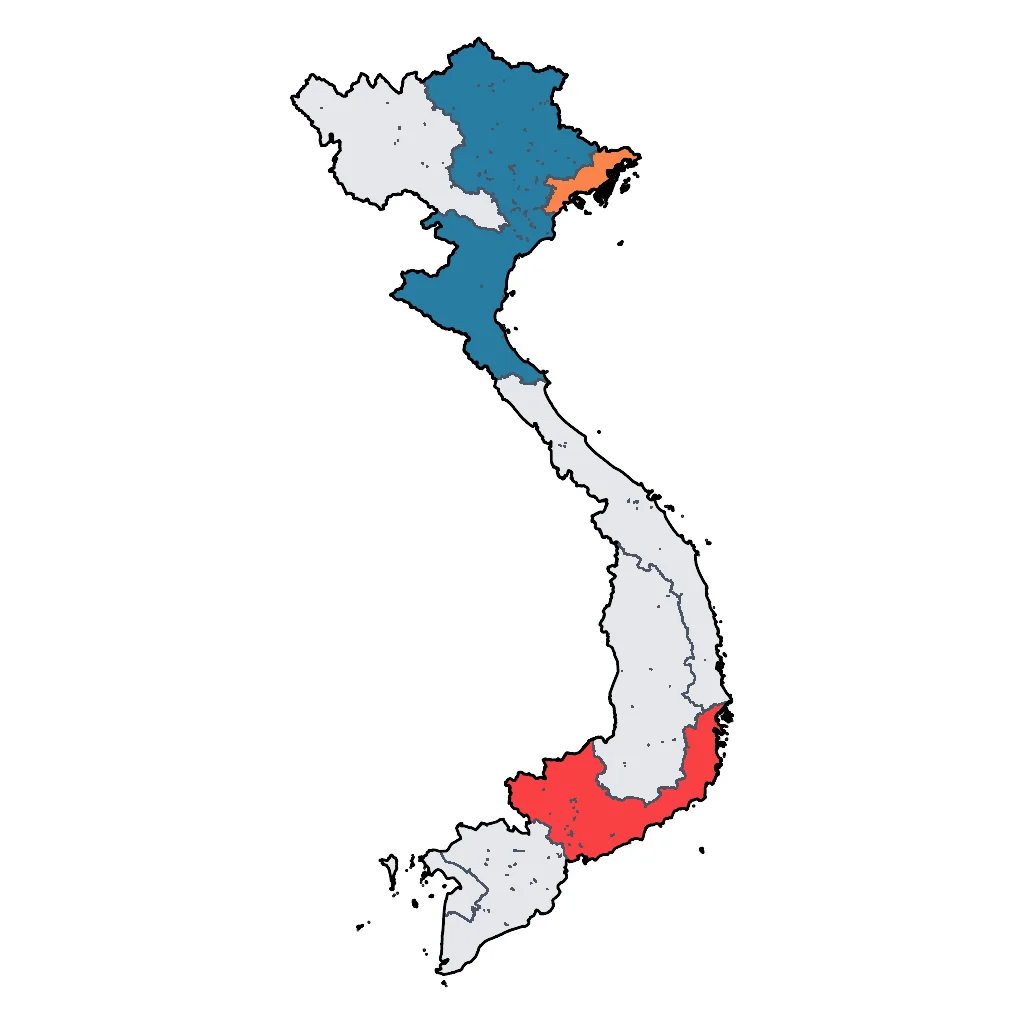

Spa retreats, wellness centers, peaceful getaways
Boasts several world-class eco-luxury retreats and lodges that utilize local herbal bath traditions. While peak months offer stunning panoramas, the off-season is plagued by high humidity and heavy rain that limit the appeal of outdoor-oriented wellness properties.
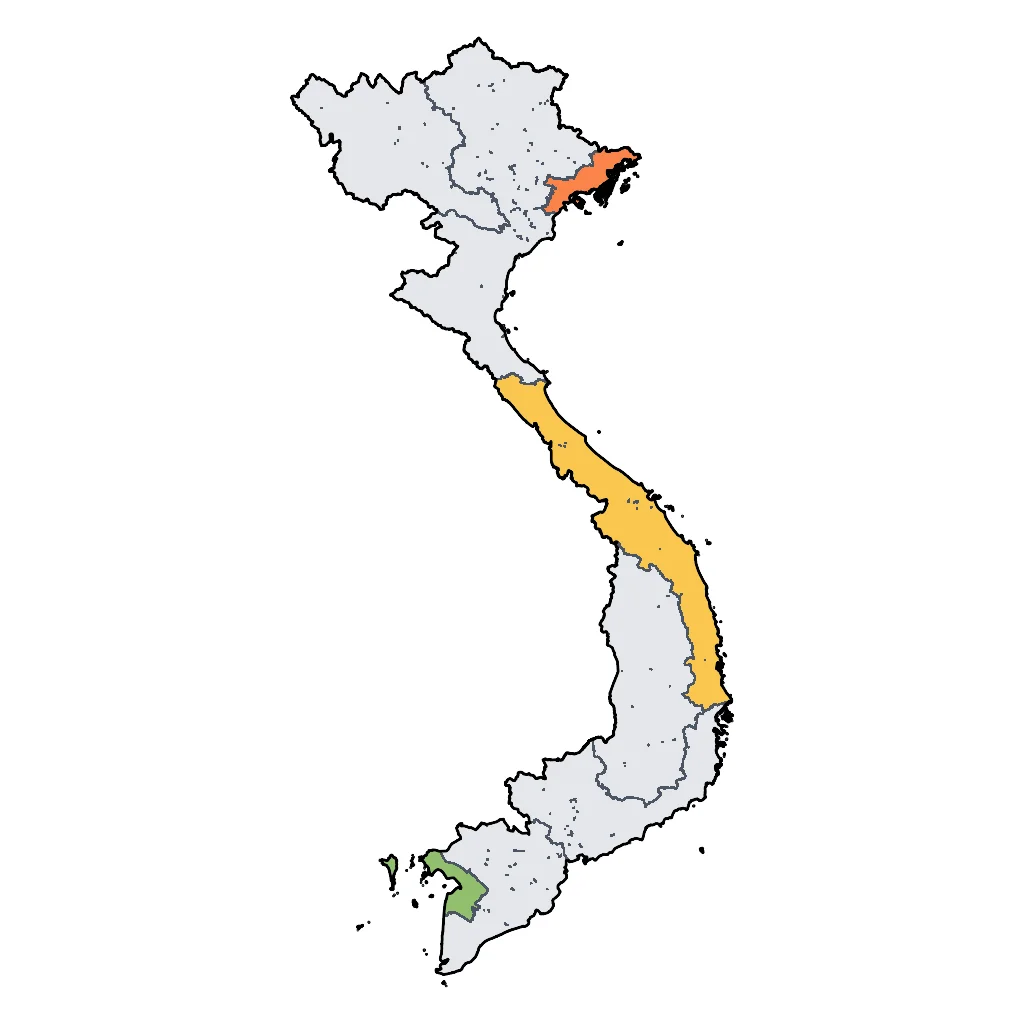

Urban tourism, museums, historical sites, architecture
While the region lacks a world-class 'city' experience, Sapa town offers a blend of French colonial history and ethnic commerce. It is rated marginal for sophisticated travelers due to increasing commercialization and a lack of refined urban infrastructure compared to global benchmarks.

Amusement parks, family entertainment venues
Sun World Fansipan Legend features world-class cable car infrastructure and a cultural complex atop Indochina's highest peak. While high-quality, it is heavily dependent on visibility; peak months offer the best chance for views, which are frequently lost to fog in winter or heavy rain in summer.