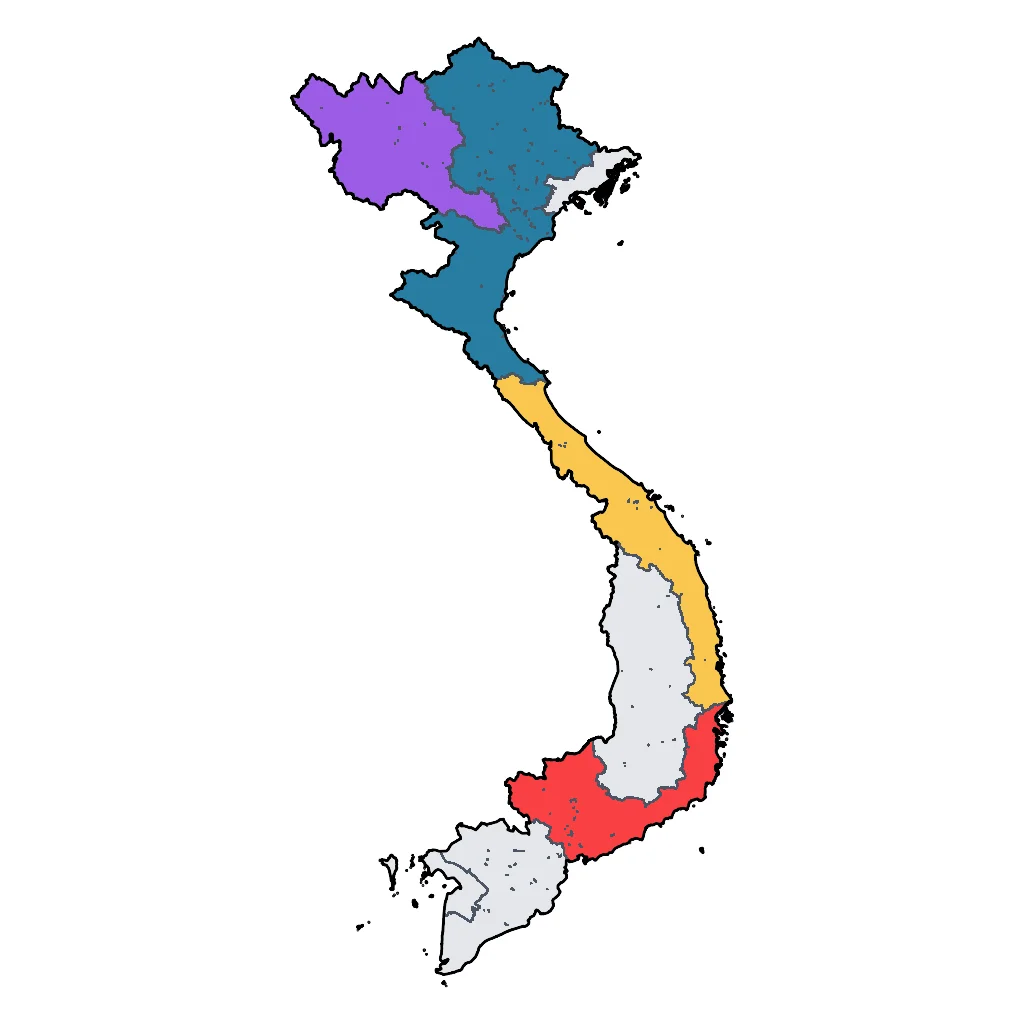

Ha Long Bay is Vietnam's most iconic landscape, a seascape of limestone pillars that sparks the imagination of children and adults alike. For families, the best way to experience this UNESCO World Heritage site is on an overnight cruise. Modern boats are well-equipped with family cabins and safety gear, providing a comfortable floating hotel experience. Waking up to the view of karst formations through the window is a memory that lasts a lifetime.
The itineraries are packed with activities suitable for school-aged children. Kayaking is a highlight, allowing families to paddle close to the rock faces and through low caves into enclosed lagoons where monkeys can sometimes be seen foraging on the cliffs. Excursions often include visits to massive caves like Sung Sot (Surprise Cave), which are illuminated with colourful lights and feature paved paths, making them accessible even for younger walkers.
For those seeking a quieter experience, the neighbouring Lan Ha Bay offers similar scenery with fewer tourist boats, and cleaner water for swimming. This area often accesses Cat Ba Island, where families can cycle to Viet Hai village or visit the National Park. Some cruises also offer visits to floating fishing villages, where children can see how local families live, work, and attend school right on the water.
Parents should be mindful when selecting a cruise operator; look for those specifically advertising family amenities like connecting rooms or kid-friendly menus. While the water is generally calm, preventing sea sickness, safety briefings are mandatory, and life jackets are provided for all sizes. The best time to visit is spring or autumn to avoid the cold winter mist or the potential summer storms.
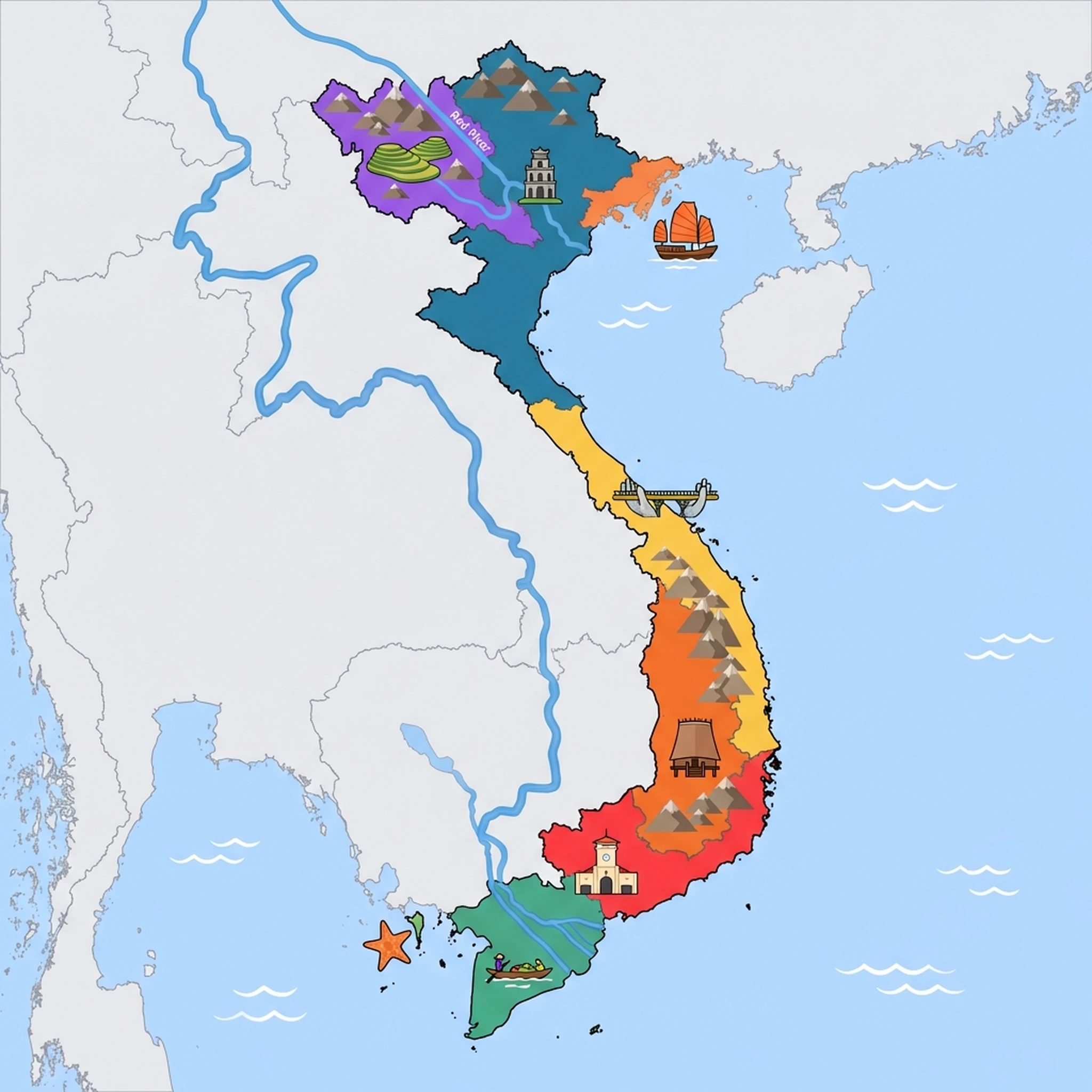
Click a region to explore

Activities & Best Times

Hiking, wildlife, outdoor exploration, ecotourism
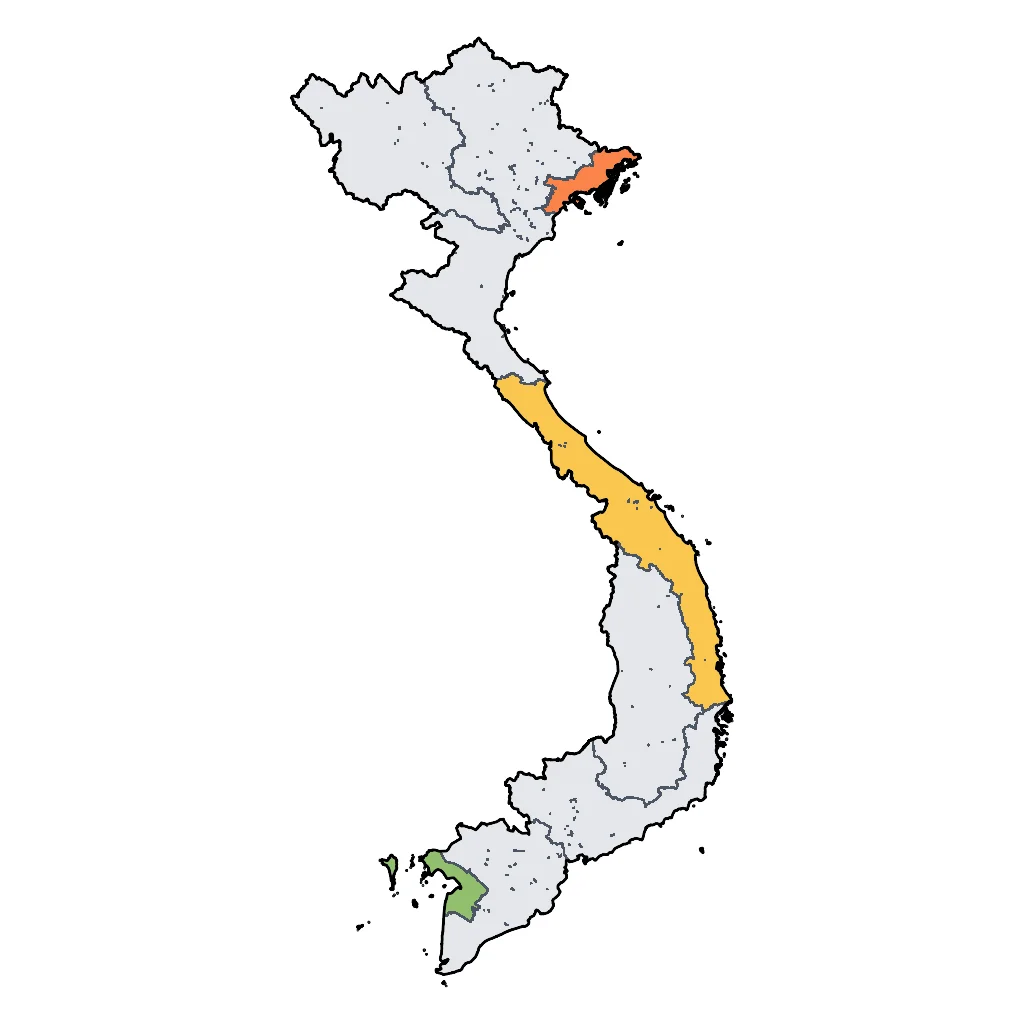
A globally unique UNESCO World Heritage karst landscape offering world-class kayaking, cave exploration, and hiking. Peak conditions in late autumn/early winter provide clear skies and comfortable temperatures (18-25°C), while the summer monsoon (Jun-Aug) brings extreme rainfall (>350mm) and typhoon risks that can close the bay.
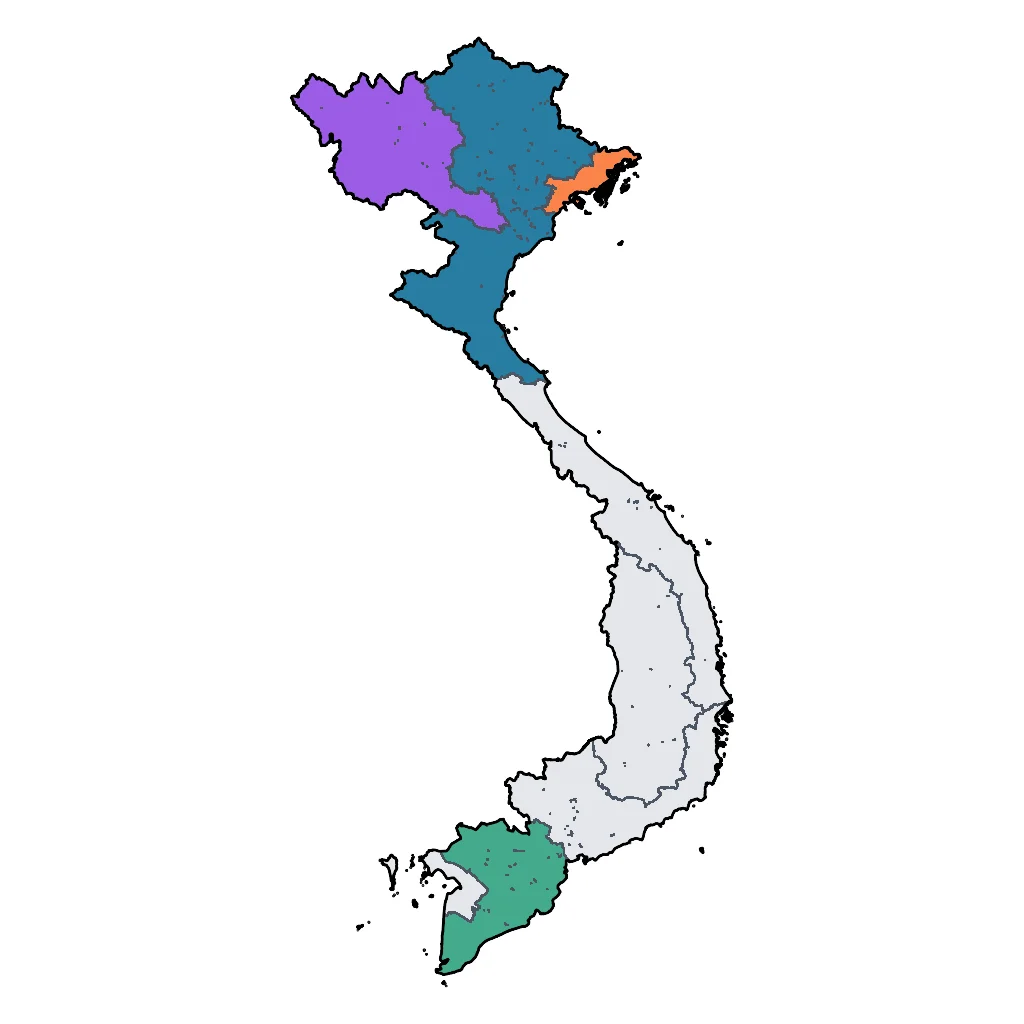

Learning experiences, scientific sites, historical education
Provides profound geological insights into karst formation and the history of ancient floating fishing cultures within a protected maritime ecosystem. The dry season (Oct-Dec) offers the best visibility for educational tours, while the misty spring months (Feb-Apr) provide an atmospheric but more humid learning environment.
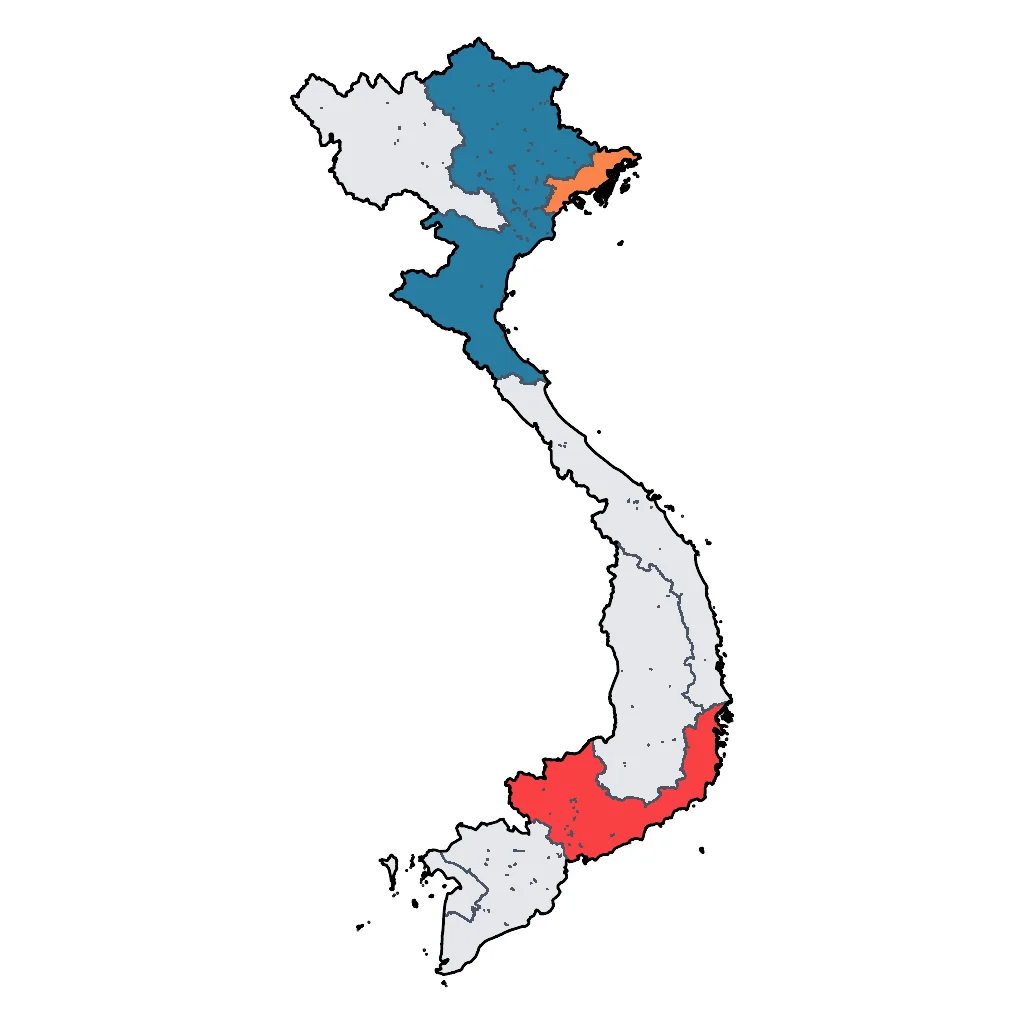

Spa retreats, wellness centers, peaceful getaways
High-end luxury cruises offer sophisticated wellness retreats and Tai Chi on deck amidst a serene, mystical seascape. The dry, stable weather of the late year is ideal for deck-side relaxation; however, summer months are frequently disrupted by heavy rain and high humidity that detract from the peaceful experience.
Beach resorts, marine activities: diving, snorkelling, kite surfing, wind surfing, sailing
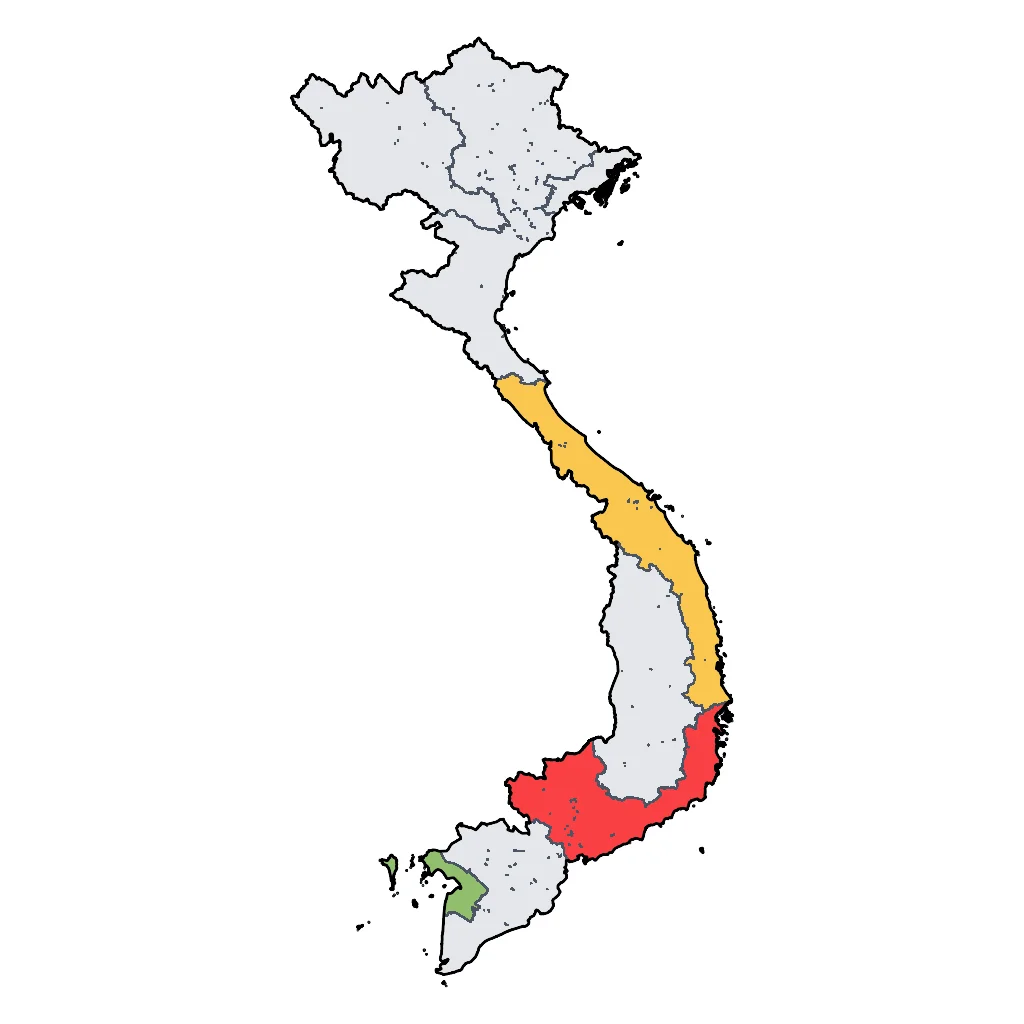
While not a traditional beach resort, the region offers elite cruising and swimming in emerald waters off secluded limestone isles. October and November provide the best balance of warm water and low rainfall; summer is plagued by poor visibility and storms, while mid-winter (Jan-Feb) is often too cool for water activities.

Urban tourism, museums, historical sites, architecture
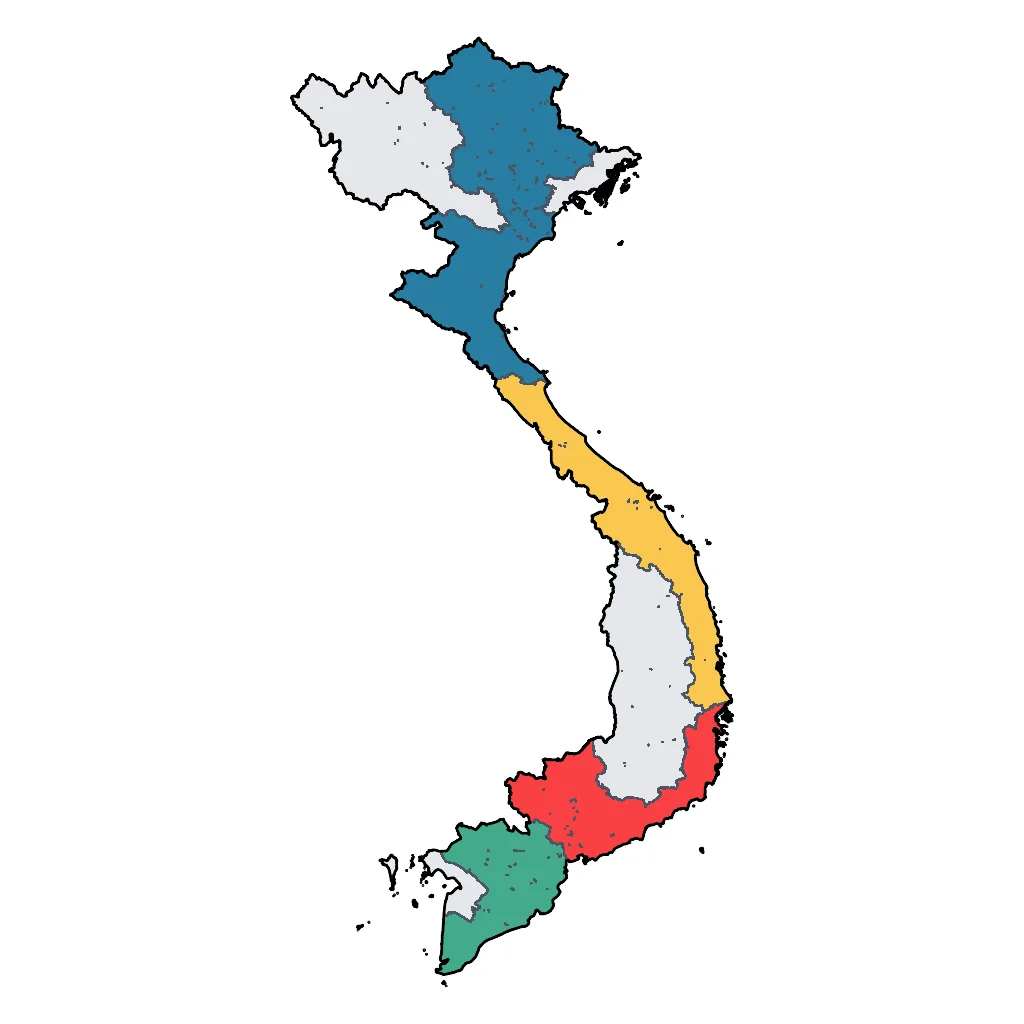
Home to unique floating villages and significant maritime heritage, offering a glimpse into a lifestyle evolved around the bay's geography. Discerning travelers will find the dry, cooler months most comfortable for exploring these communities, as the summer heat (>30°C) and monsoon humidity can be oppressive.

Sport tourism, fitness activities, active recreation
The bay is a premier destination for sea kayaking and deep-water soloing among the karst towers. Optimal conditions occur when the water is warm but the air is dry (Oct-Nov); excessive heat and rain in summer or the biting mist of early spring make active recreation less appealing.