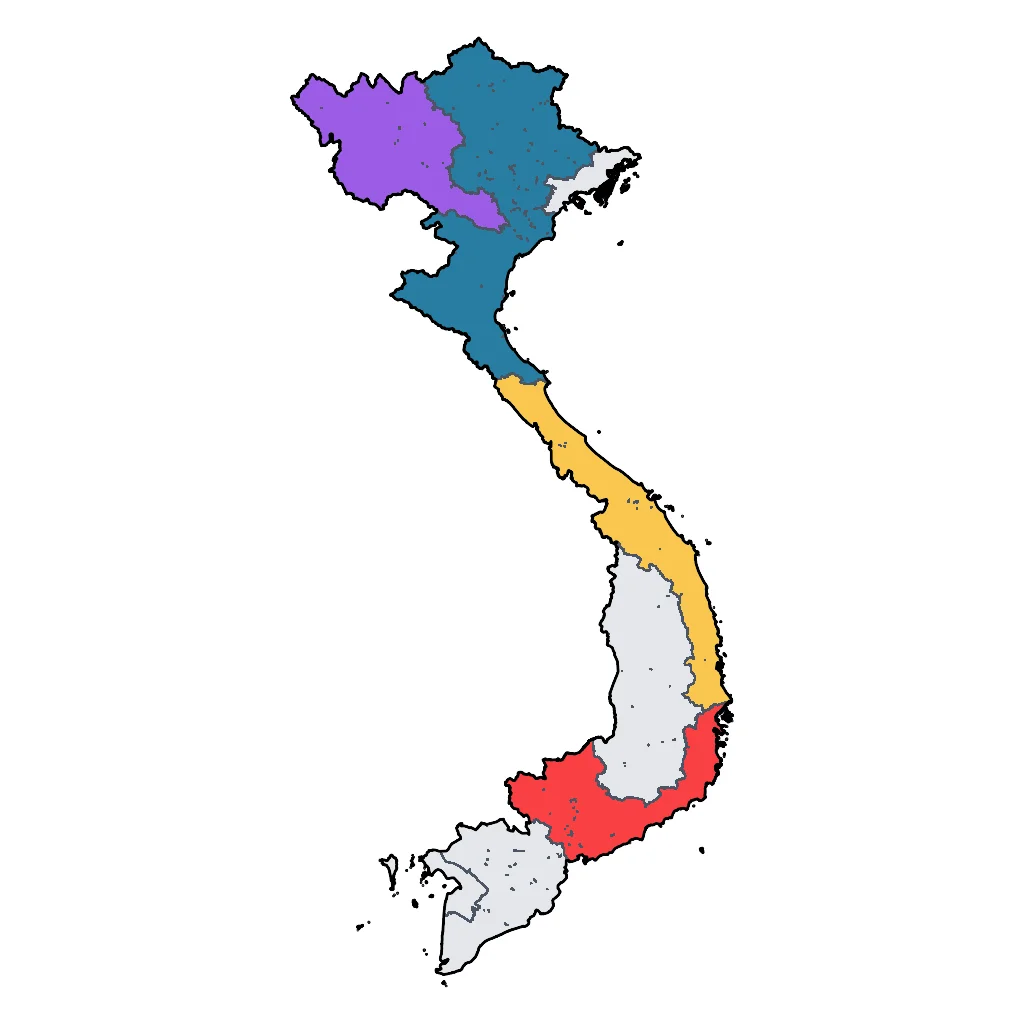

The Mekong Delta is a water world of swampy green rivers and islands where boats are the main form of transport. It serves as Vietnam's "rice bowl" and fruit basket, making it a fantastic place for families to connect with nature and agriculture. Tours typically start from towns like My Tho or Ben Tre, involving a transfer from a larger boat to small wooden sampans that are paddled through narrow, jungle-like canals. This quiet, rhythmic journey is often a favourite for children.
Cultural stops are frequent and interactive. Families can visit local workshops to watch the labor-intensive process of making coconut candy, popping rice for snacks, or weaving mats. Tasting the warm, fresh candy is always a hit with kids. Many eco-tourism sites also offer activities like "ditch fishing," where children can wade in mud to catch fish with their hands or baskets, followed by a shower and a meal of the catch.
The largest city in the delta is Can Tho, famous for the Cai Rang Floating Market. To see it at its best, families need to wake up very early (around 5:00 AM) to take a boat out while the wholesale trade is active. Seeing hundreds of boats loaded with pineapples, watermelons, and turnips is a unique spectacle. You can even buy breakfast noodles or coffee from a floating vendor boat, which is a novel dining experience.
Accommodations range from standard hotels to riverside homestays, which offer a more immersive experience with mosquito nets and sounds of the jungle at night. Be prepared for humidity and mosquitos; ample repellent and light, long-sleeved clothing are essential for comfort.
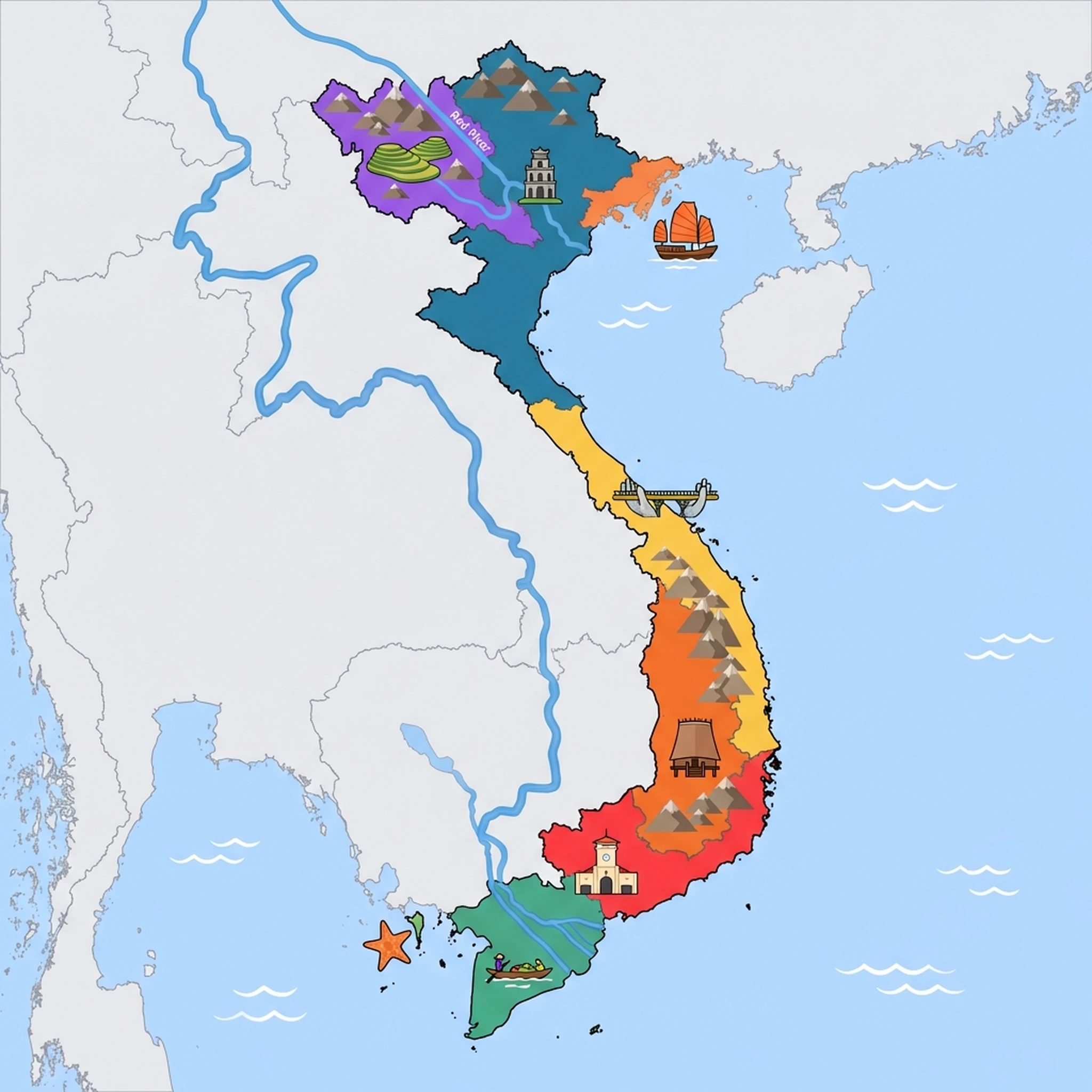
Click a region to explore

Activities & Best Times

Hiking, wildlife, outdoor exploration, ecotourism
A world-class tropical labyrinth of river systems, mangrove forests, and bird sanctuaries like Tràm Chim offer unique ecological exploration. The dry season (Dec-Mar) provides the best accessibility for boat-based nature tours, while heavy monsoon rains (Jun-Oct) cause flooding and limit wildlife visibility.
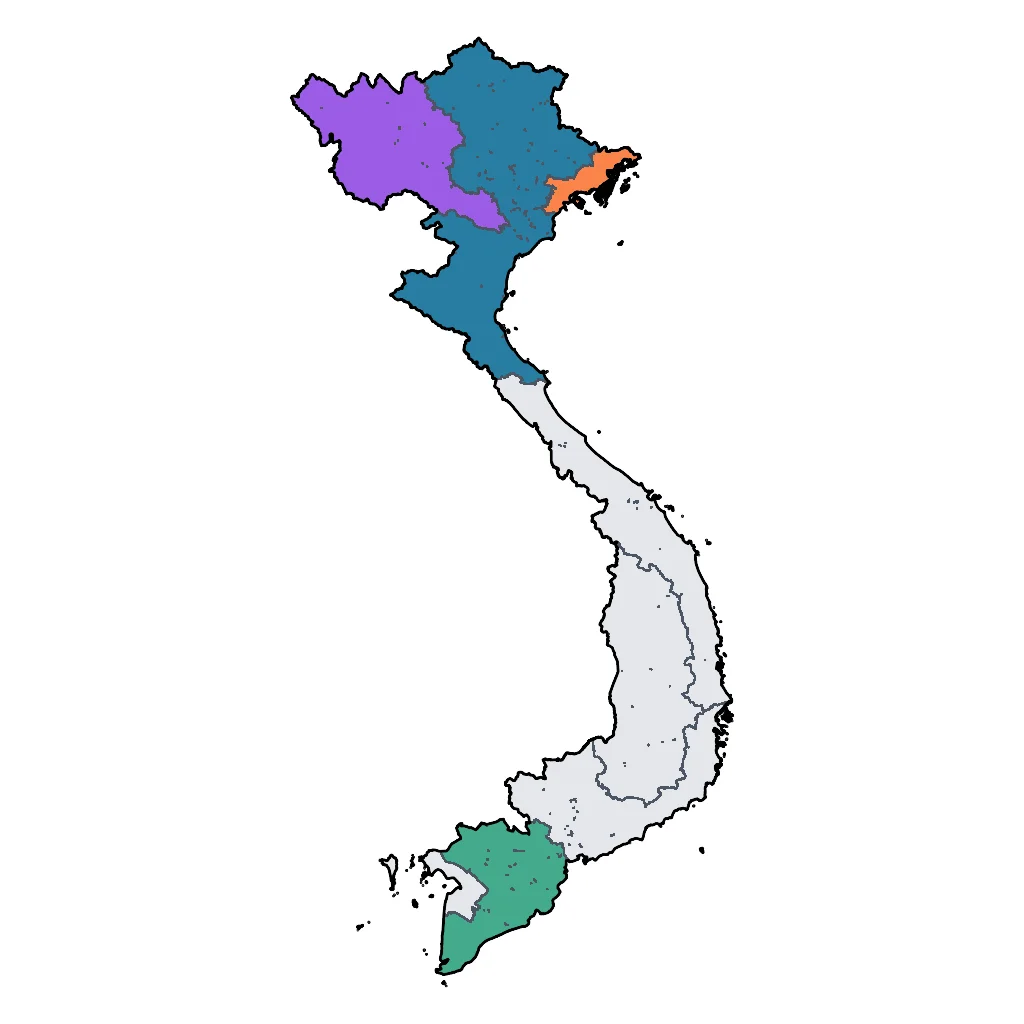

Urban tourism, museums, historical sites, architecture
Offers a highly authentic glimpse into a water-based civilization with vibrant floating markets and Khmer pagodas that are unique in the region. Peak dry months offer clear skies and manageable humidity for exploring riverside towns; the off-season's heavy precipitation can disrupt the morning market activity.
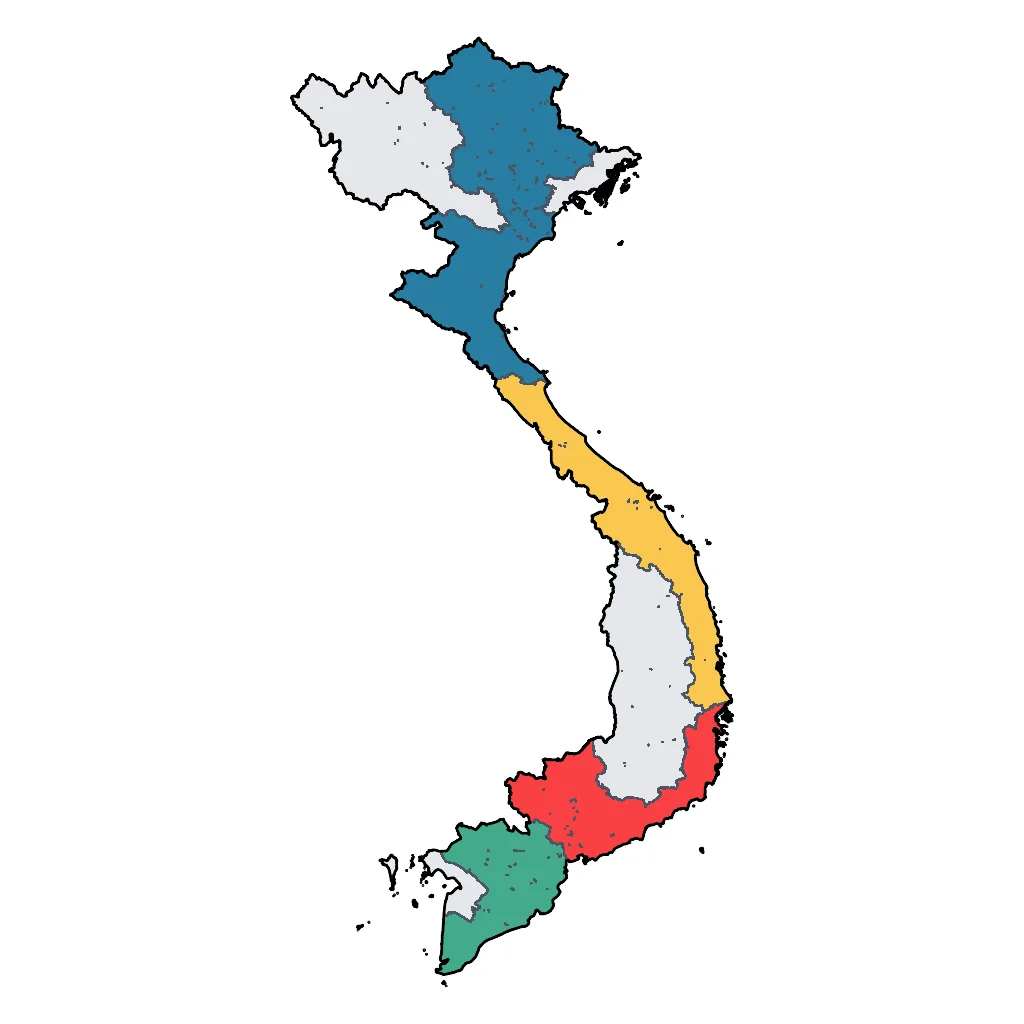

Events, celebrations, seasonal attractions
Home to authentic celebrations like Tet (Lunar New Year) and the Khmer Ok Om Bok moon festival, which features spectacular river boat races. Peak months align with these major traditional events; the off-season lacks significant international-caliber festivities and faces weather challenges.
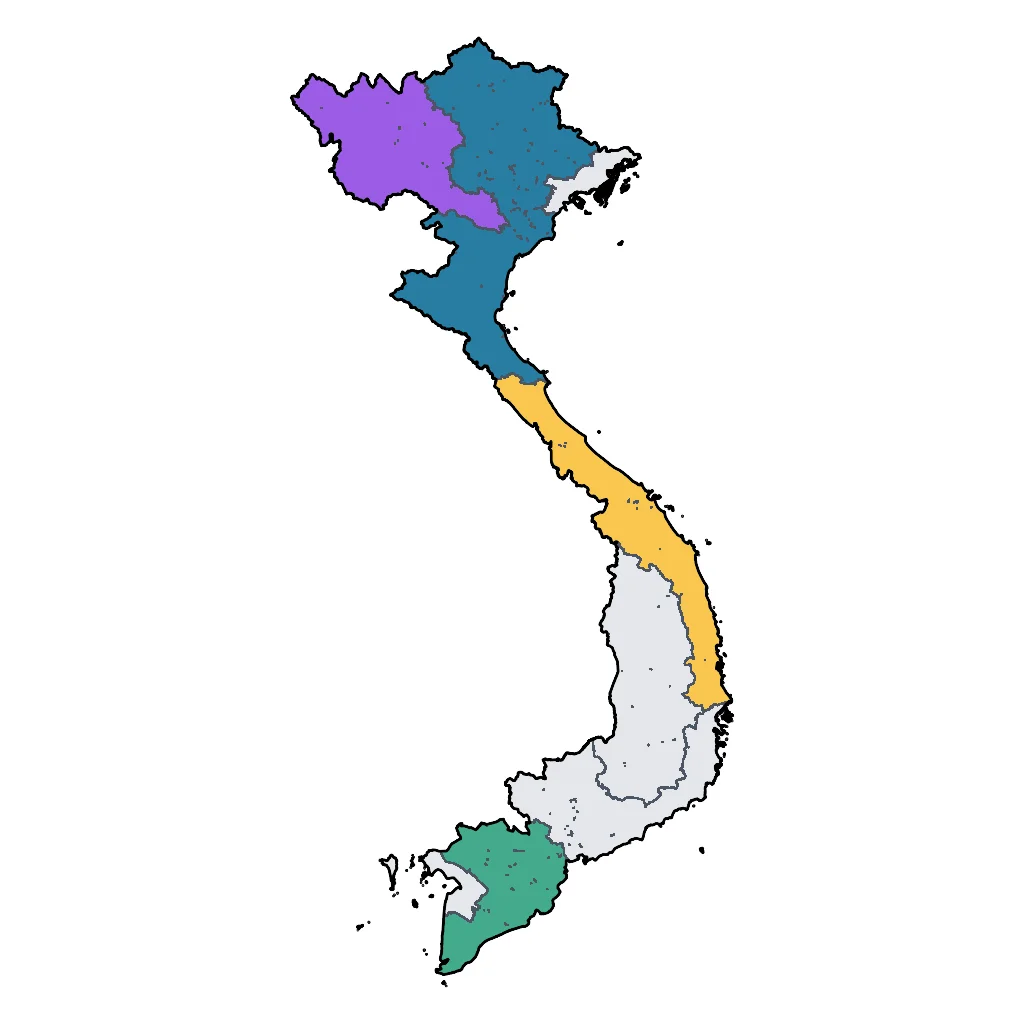

Learning experiences, scientific sites, historical education
Provides sophisticated families with insights into complex hydraulic agriculture, traditional river-crafting, and the region's unique syncretic religions. The dry season (Dec-Mar) is ideal for field-based learning and visiting artisanal workshops; heavy autumn rains can make rural research sites inaccessible.
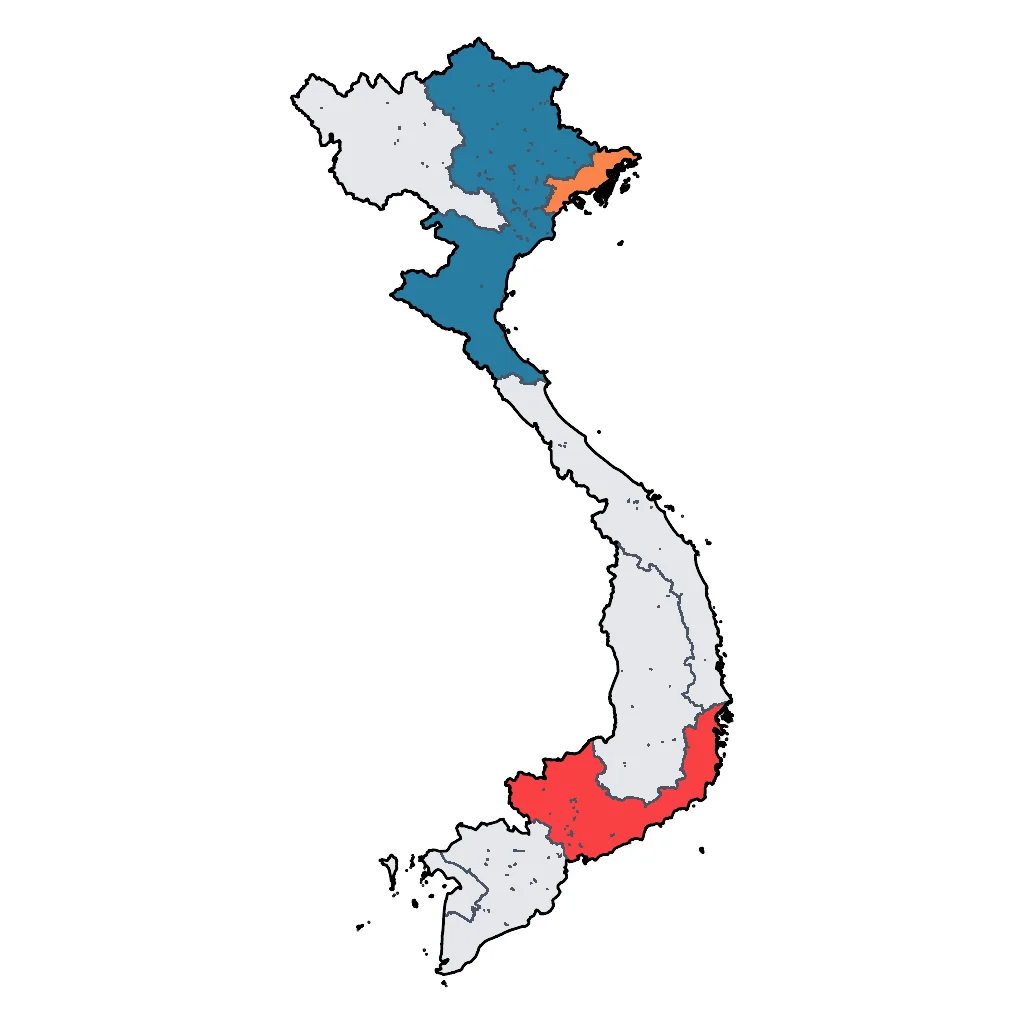

Spa retreats, wellness centers, peaceful getaways
Boutique riverfront lodges and high-end luxury cruises offer a serene 'slow travel' experience that appeals to discerning tastes. The lower humidity and cooler evenings of the dry season (Dec-Mar) are perfect for outdoor relaxation; the high heat of April and the intense monsoon (Jun-Oct) are less conducive to wellness retreats.
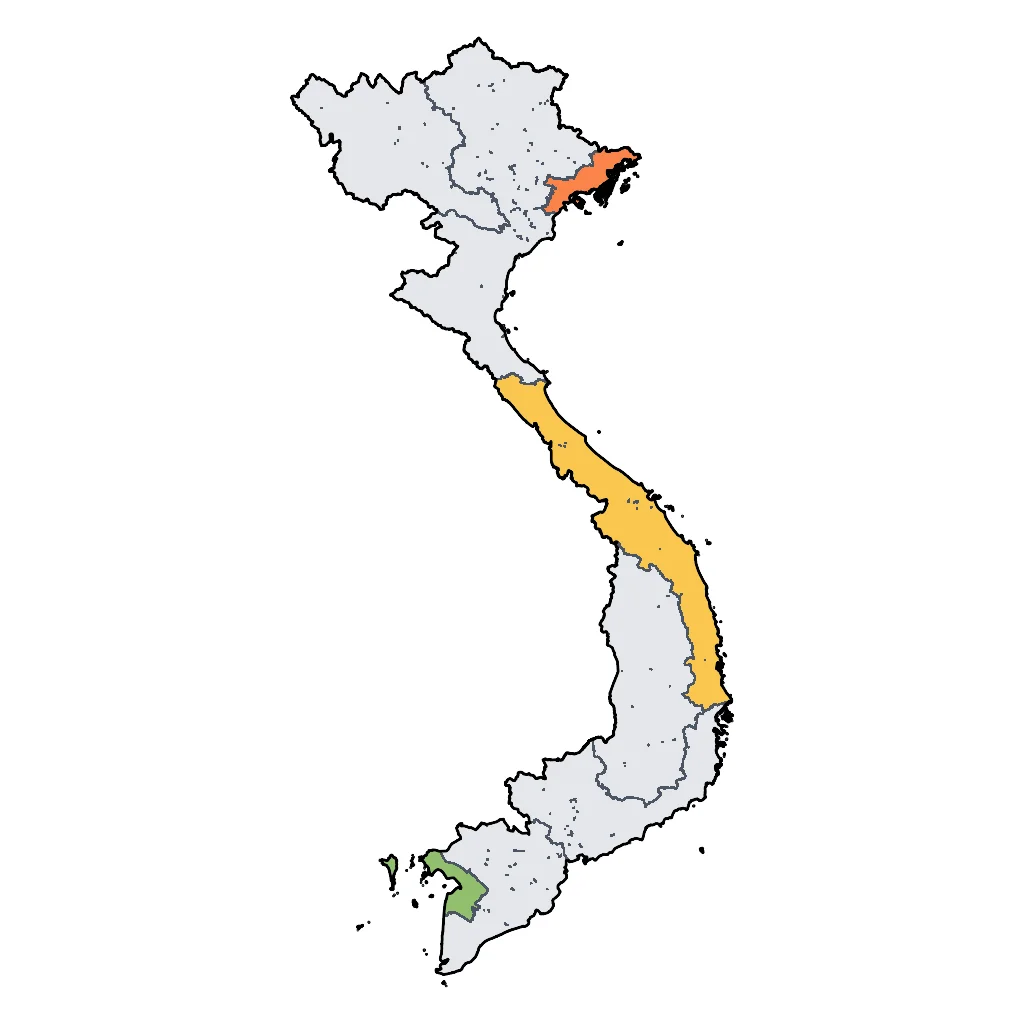

Scenic drives, countryside tours, route-based travel
While traditional driving is hectic, the region offers world-class scenic boat and cycling routes through lush coconut groves. Dry months ensure village paths are passable and river visibility is optimal, whereas the wet season brings significant flooding risks.
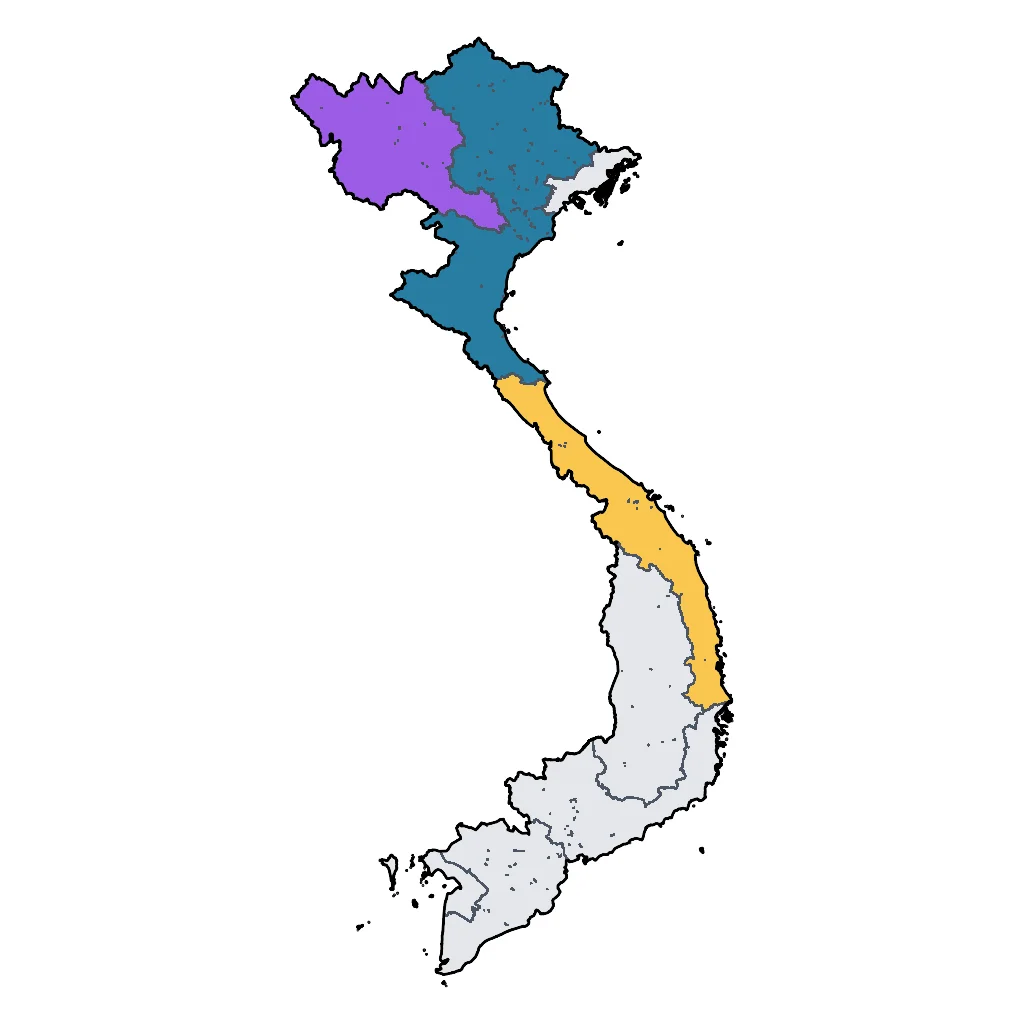

Sport tourism, fitness activities, active recreation
Excellent flat-terrain cycling through fruit orchards and narrow canal-side paths offers an intimate, active way to explore the delta. Optimal weather from December to March ensures dry paths and comfortable riding temperatures; the monsoon season renders many rural paths too slippery and wet for enjoyable cycling.