

Spread across more than 80 islands in the South Pacific, Vanuatu is a destination for families seeking genuine interaction with nature and culture rather than just a poolside vacation. Geologically dramatic and culturally distinct, the archipelago ranges from the bustling capital of Port Vila to remote islands where traditional Kastom (custom) life continues as it has for centuries. The climate is tropical, with a warm, wet season from November to April and a cooler, drier season from May to October, which is generally the best time for family travel.
Most family trips begin on the island of Efate. Here, the capital Port Vila serves as a comfortable hub with supermarkets, French-influenced bakeries, and reliable amenities. A short drive from town, the Mele Cascades offer a series of clear terraced pools that kids can swim in after a short jungle walk. Just off the coast, Hideaway Island is a marine sanctuary where families can snorkel right off the beach. A highlight for many children is the underwater post office located here; you can dive down to mail a special waterproof postcard.
For a change of pace, the island of Espiritu Santo-a short flight north-is famous for its freshwater Blue Holes. Places like Nanda and Matevulu Blue Holes feature crystal-clear, deep sapphire water filtered through limestone, perfect for swimming and picnicking. Champagne Beach offers soft white sand and calm waters, while history-loving teens might be interested in the remnants of WWII machinery dumped at Million Dollar Point.
Adventurous families often fly south to Tanna Island to visit Mount Yasur, one of the world's most accessible active volcanoes. Guided 4WD tours take you close to the rim to watch lava strobing against the night sky-a geography lesson no textbook can match. Tanna is also a great place to visit a "custom village" to learn about local architecture, dance, and agriculture in a respectful way.
Practically, Vanuatu is welcoming but requires some preparation. Inter-island travel is mostly by small planes. In Port Vila, waving down a local minibus (marked with a 'B' on the license plate) is an affordable and fun way to get around. While the main resorts have filtered water, families should rely on bottled water elsewhere. Malaria medication is often recommended for visits to outer islands, so consult a travel doctor before departure. Reef shoes are essential for protecting feet from sharp coral during ocean swims.

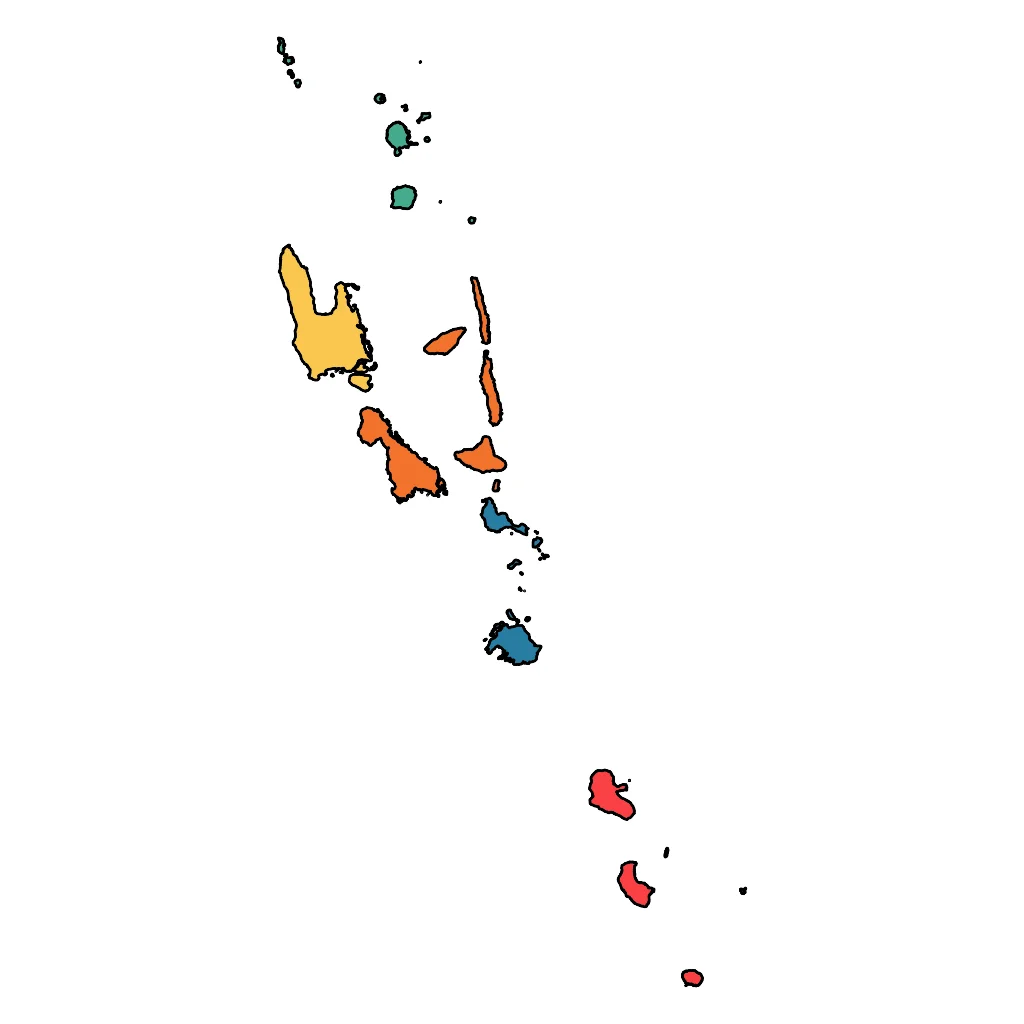
Explore Regions
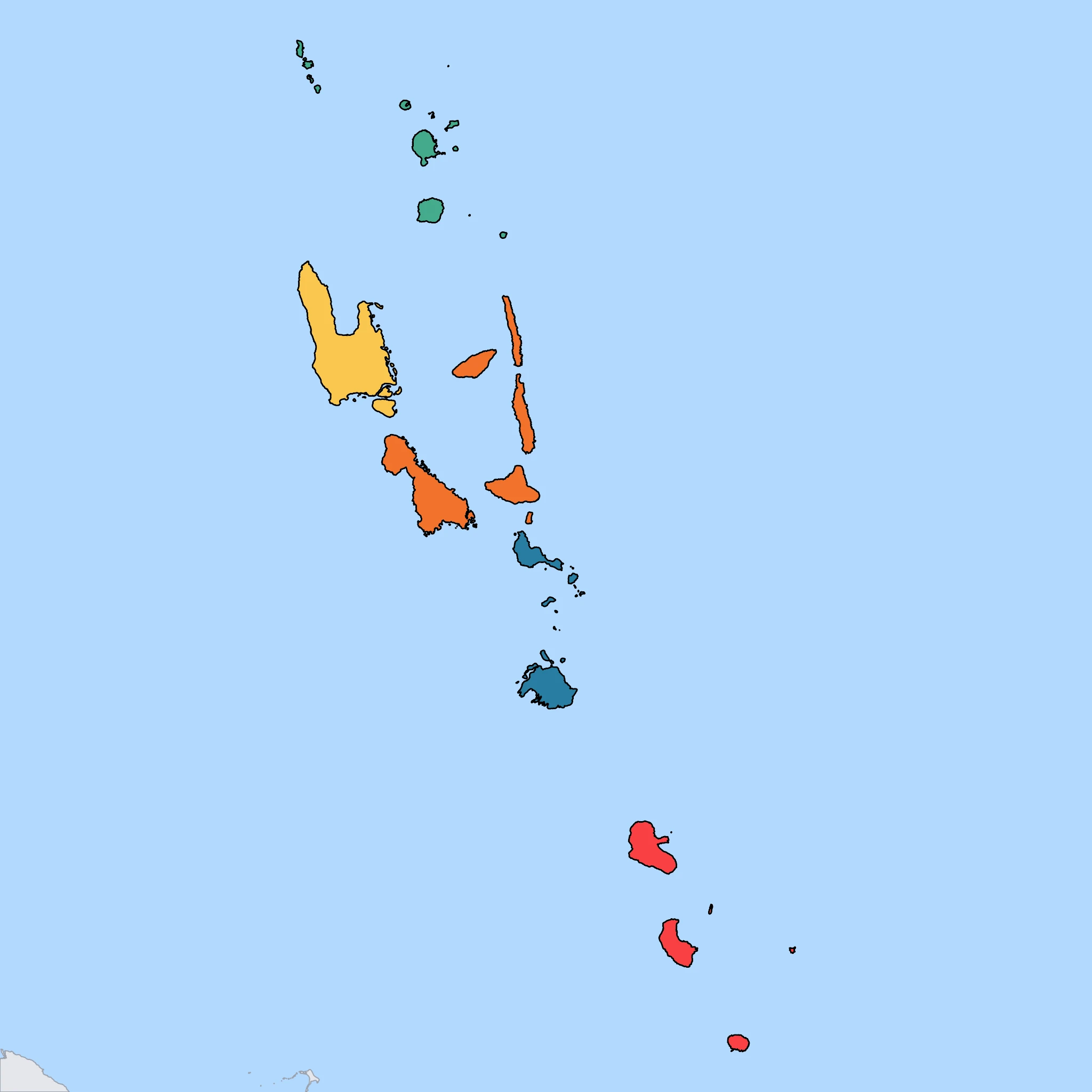
5 Regions
Efate (Port Vila)
Waterfalls, markets, and the world's only underwater post office 📮🌊
Espiritu Santo (diving, Blue Holes)
Crystal blue swimming holes and WWII history 🐢⚓
Malakula & Pentecost (culture)
Ancient traditions, tribal villages, and land diving 🌿🗿
Outer Islands
Swim with dugongs and explore remote volcanic isles 🌋🧜♀️
Tanna (volcano)
The world's most accessible active volcano 🌋✨
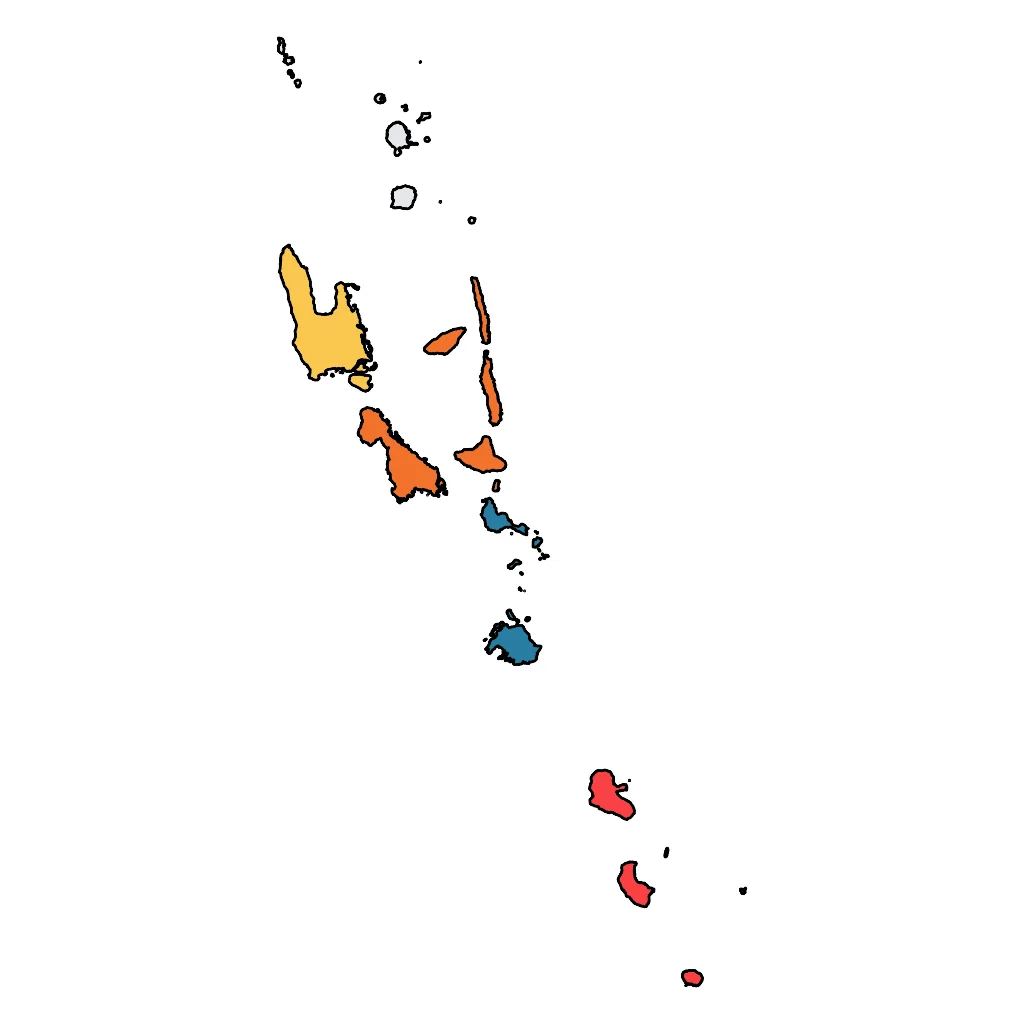
Click on a region marker to explore details. Use the dropdown to color regions by activity suitability.

Activities & Best Times

Adventure & Nature
ExcellentHiking, wildlife, outdoor exploration, ecotourism
Home to Mount Yasur, one of the world's most accessible active volcanoes, offering a world-class and raw encounter with nature. The dry season (Jun-Oct) provides the best visibility and stable ground conditions, whereas the heavy monsoon rains (Jan-Apr) can make ash plains impassable and limit summit access.
Natural wonders like the Mele Cascades and blue holes offer authentic, uncommercialized wilderness experiences suitable for adventurous families. Peak season coincides with the lowest rainfall, ensuring trails are accessible and humidity is comfortable for jungle exploration.
Offers unique sapphire Blue Holes and the world-class Millennium Cave adventure, providing high-octane exploration for active families. July to September is peak due to manageable humidity and dry trails, whereas off-season rains make jungle trekking muddy and cave systems prone to flooding.

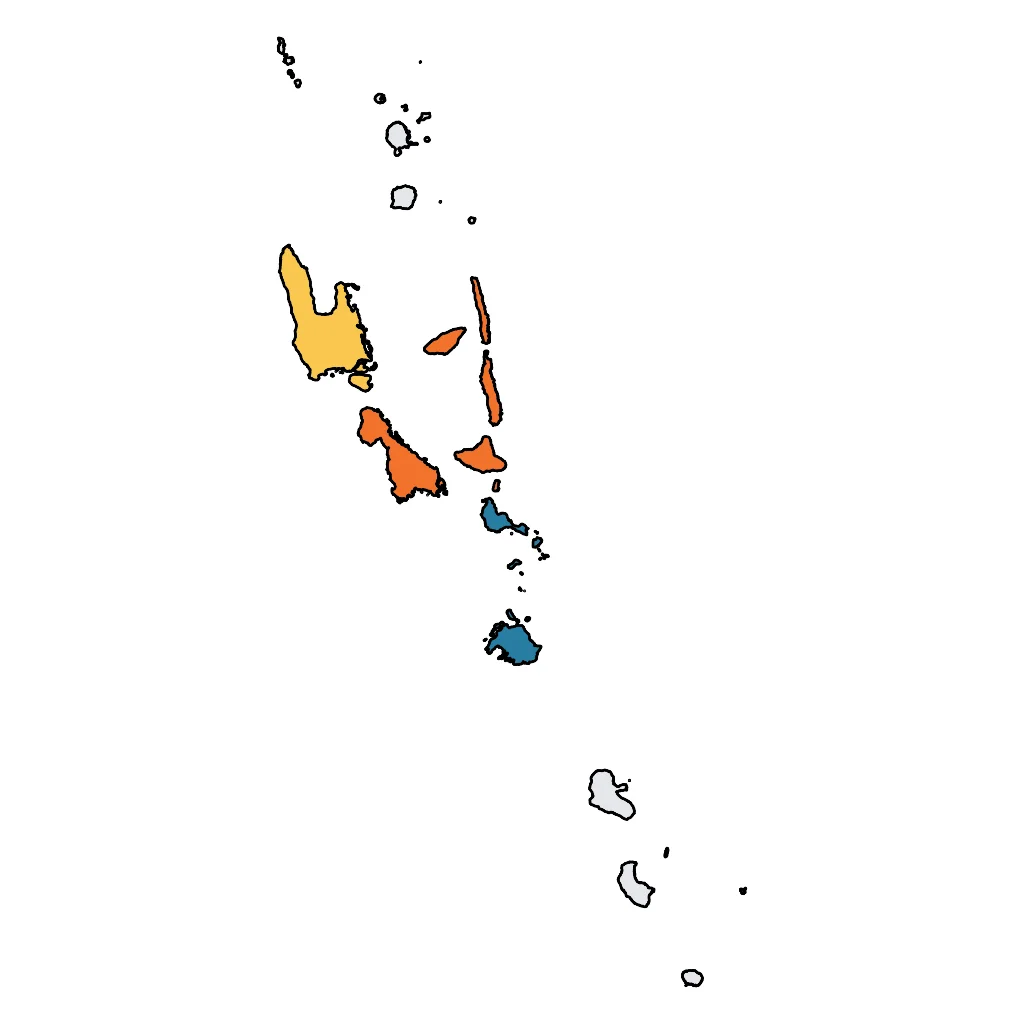
Beach & Sea
ExcellentBeach resorts, marine activities: diving, snorkelling, kite surfing, wind surfing, sailing
Home to the SS President Coolidge, widely considered the world's best shore-accessible wreck dive, and the iconic Champagne Beach. Peak months provide the highest water visibility and calmest seas; the wet season (Nov-Apr) brings high cyclone risk and heavy rain that degrades water clarity.
Efate offers exceptional reef access and turquoise lagoons, notably at Havannah Harbour, with boutique resorts catering to discerning tastes. The dry winter months (Jul-Sep) provide peak visibility and calm conditions, while the wet season (Dec-Apr) brings high humidity and tropical storm risks.
Features unique volcanic rock pools and the world-renowned Blue Cave, offering exceptional snorkeling and diving. September and October provide the optimal balance of lower rainfall and rising temperatures, while the summer months are marked by heavy precipitation and poor underwater visibility.

Festivals & Seasonal
ExcellentEvents, celebrations, seasonal attractions
Home to the world-renowned Nagol (land-diving) on Pentecost, a globally unique cultural spectacle that inspired modern bungee jumping. While April is wet, it is the essential start of the Nagol season, followed by Malakula's tribal festivals in the drier shoulder months.
Centered on the unique John Frum Day celebrations in February, which attract international anthropological interest. Although February is the height of the rainy season, it is the only time to experience this authentic and significant cultural event.
Home to authentic 'Kastom' ceremonies such as the Rom dance, which provide rare cultural depth for well-travelled families seeking genuine experiences. Most major cultural events are scheduled during the drier winter months (Jul-Aug) to ensure accessibility; remote island logistics become nearly impossible during the extreme wet season.

Educational & Exploratory
Very GoodLearning experiences, scientific sites, historical education
Offers a profound anthropological experience through the John Frum cargo cult and traditional 'Kastom' villages. Peak months allow for easier travel to remote communities; the wet season presents significant logistical challenges and high humidity that can hinder exploratory travel.
A living museum for families to learn about complex kastom traditions, ancient tribal hierarchies, and the Big Nambas culture. The drier months are ideal for visiting remote villages and engaging with community elders without the disruption of severe tropical storms.
Rich opportunities for learning about Melanesian history and traditional customs are available at the Vanuatu Cultural Centre and local villages. These experiences are best engaged with during the drier months when outdoor cultural demonstrations and archaeological sites are fully operational.

Relaxation & Wellness
Very GoodSpa retreats, wellness centers, peaceful getaways
The region hosts world-class, secluded spa retreats that blend high-end luxury with Melanesian tranquility. Drier months (Jul-Sep) are ideal for outdoor wellness activities; however, the heavy monsoon rains from Jan-Mar significantly degrade the outdoor relaxation experience.
Boutique, high-end eco-lodges offer sophisticated seclusion and natural tranquility away from mass tourism. Peak months offer lower humidity (68-69%) and pleasant temperatures around 24°C, whereas the off-season's intense rainfall and humidity can detract from a relaxing atmosphere.
Provides a profound 'digital detox' and peaceful seclusion far from commercial tourism, though it lacks high-end westernized spa facilities. The drier, cooler months offer the most tranquil environment for outdoor meditation and reconnecting with nature.

Sports & Active
Very GoodSport tourism, fitness activities, active recreation
An elite destination for technical and recreational diving, complemented by kayaking through inland freshwater springs. The drier months (Jul-Sept) ensure optimal outdoor conditions and safe river levels, while the off-season is plagued by extreme tropical downpours.
Unique activities like ash-boarding and hiking through massive banyan trees offer distinctive physical adventures. These activities require dry conditions, as heavy rain (Nov-Apr) turns the volcanic ash and jungle trails into difficult terrain.
World-class wreck diving and sailing conditions are a major draw, alongside quality coastal golf courses. July through September offers the most consistent trade winds and sea visibility, while the cyclone season (Jan-Apr) often leads to the suspension of maritime activities.

City & Cultural
GoodUrban tourism, museums, historical sites, architecture

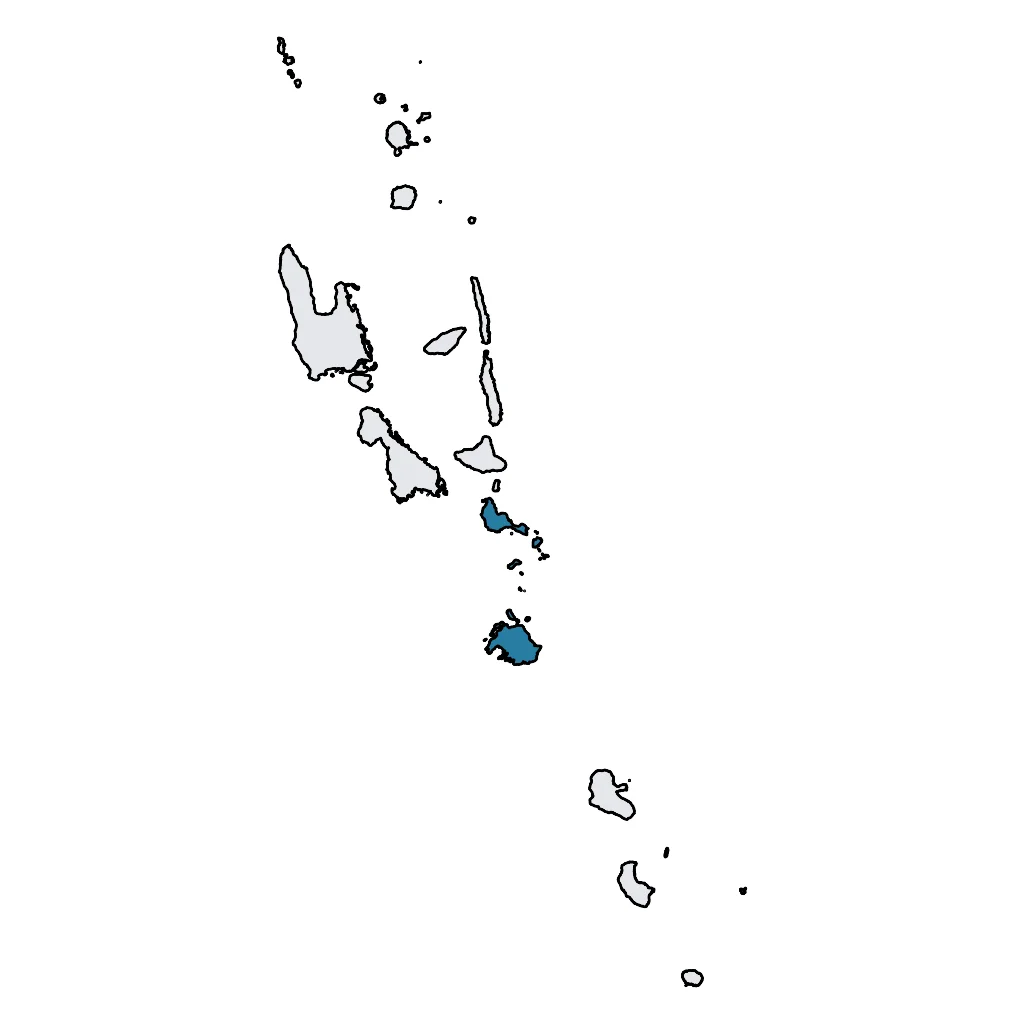
Road Trips & Scenic
GoodScenic drives, countryside tours, route-based travel
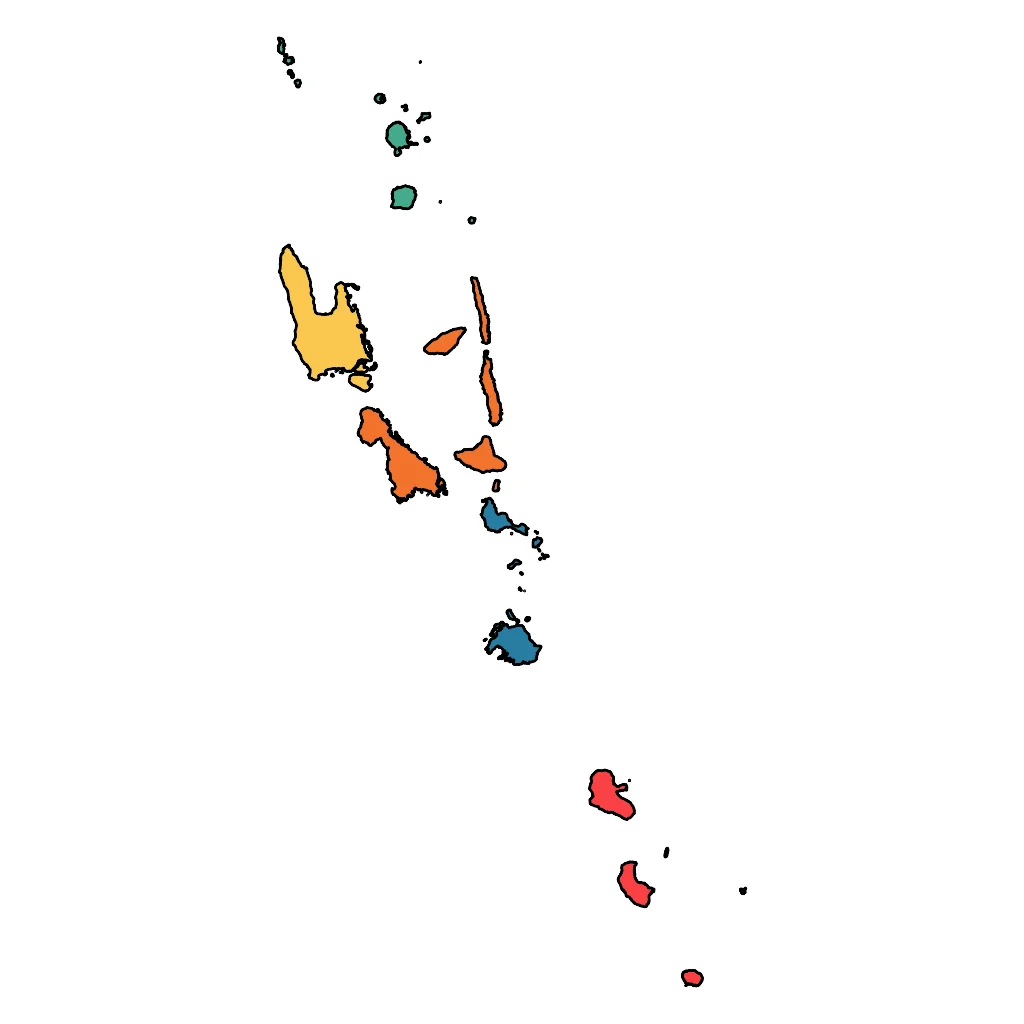
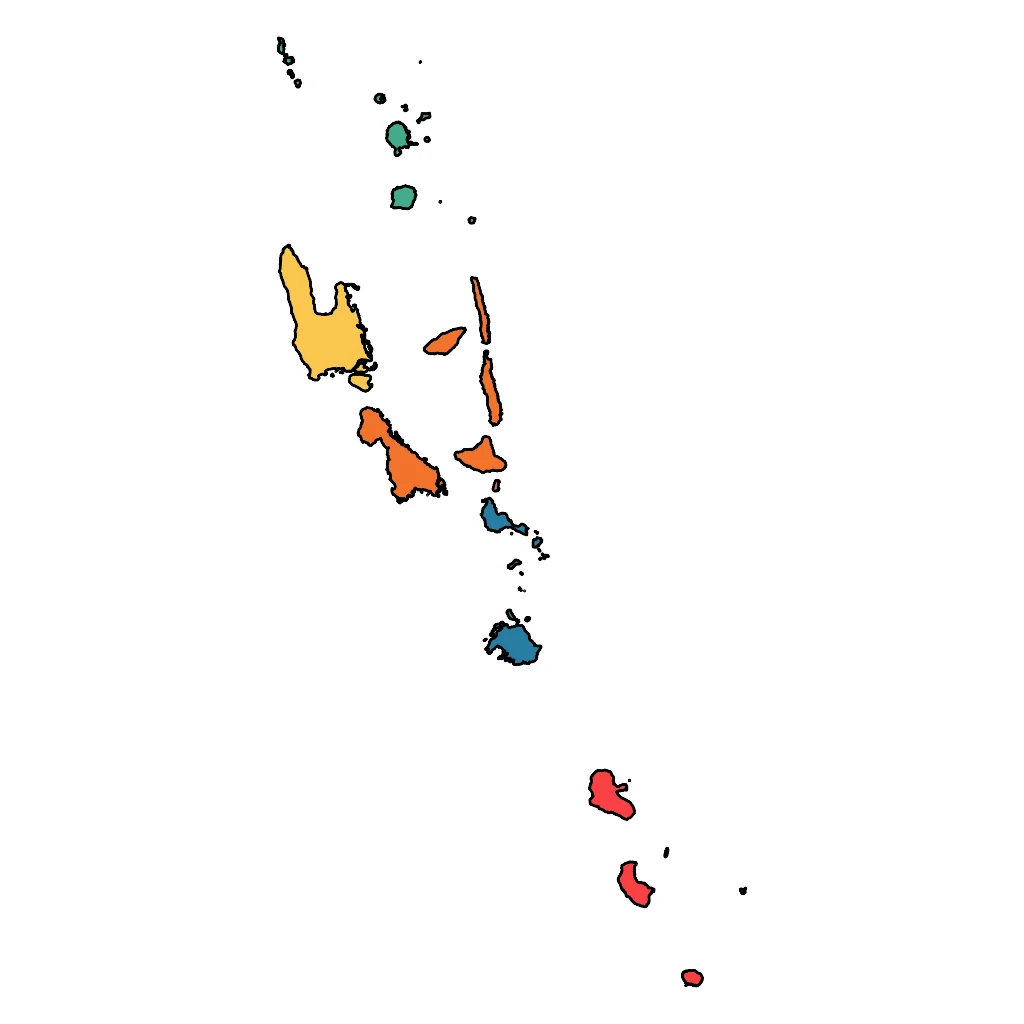
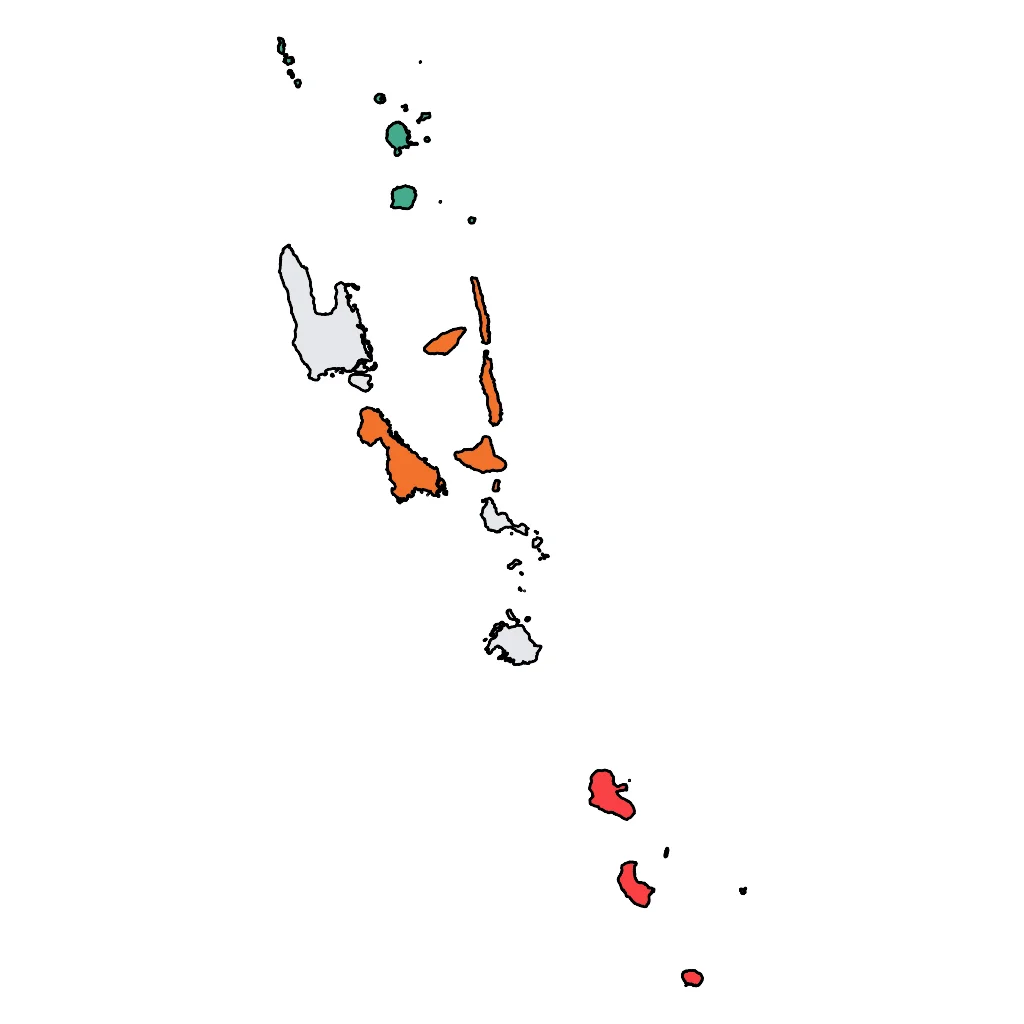
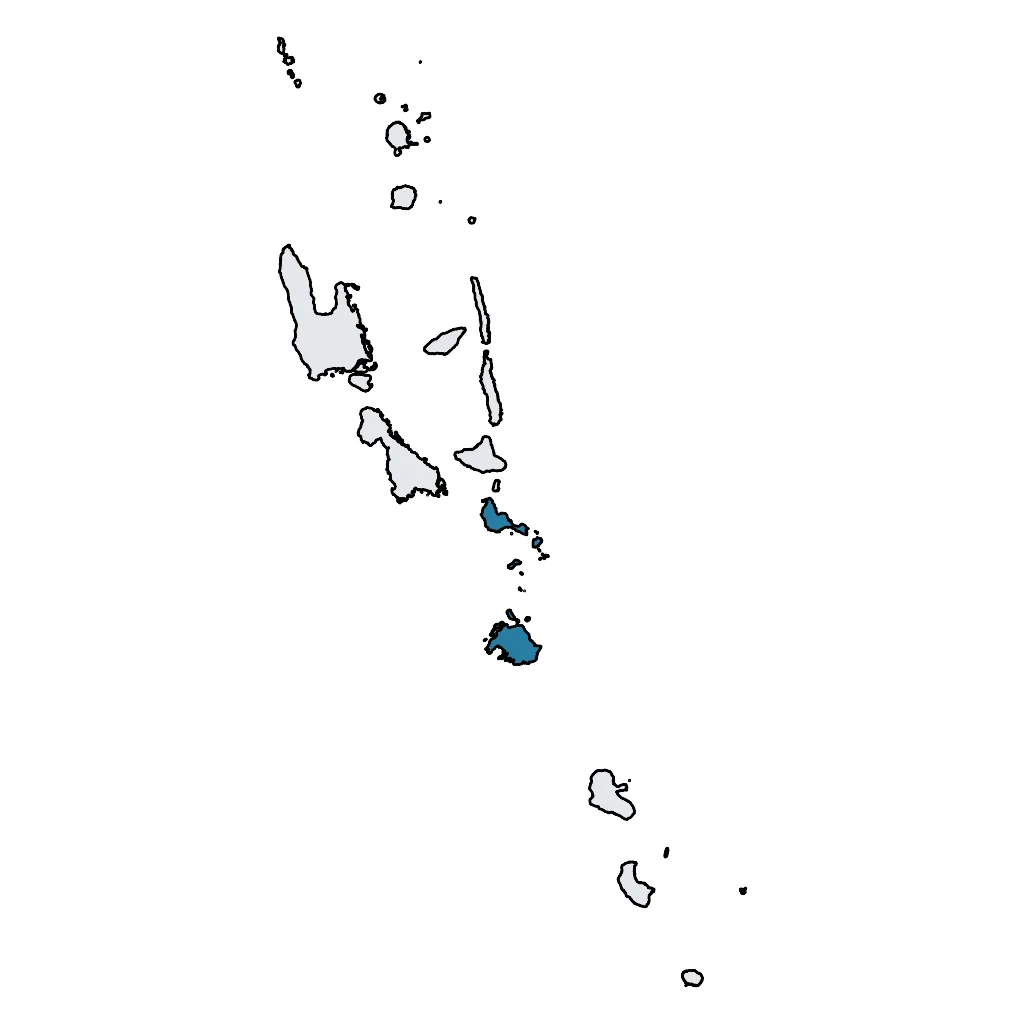

Airports & Flight Routes
Toggle options to view domestic routes and international airports. Click an airport for details.
Climate & Weather
Efate (Port Vila)
Show Details
| Month | Temp °C | Rain | Humidity |
|---|
Espiritu Santo (diving, Blue Holes)
Show Details
| Month | Temp °C | Rain | Humidity |
|---|
Malakula & Pentecost (culture)
Show Details
| Month | Temp °C | Rain | Humidity |
|---|
Outer Islands
Show Details
| Month | Temp °C | Rain | Humidity |
|---|
Tanna (volcano)
Show Details
| Month | Temp °C | Rain | Humidity |
|---|

Travel Advisory
All major agencies agree that standard safety awareness is sufficient for travel to Vanuatu, with no current major security threats elevated beyond baseline risks.
Safety Topics
Traveller Advice (3 groups)

While not illegal, same-sex relationships are not widely discussed or socially accepted. Public displays of affection may draw unwanted attention in conservative areas.

When visiting volcanic sites, strictly adhere to exclusion zones and safety instructions from local guides and the Vanuatu Geohazards Department.

Solo female travelers may experience verbal harassment. It is recommended to avoid walking alone in isolated areas or on beaches after dark.