

Located between Fiji and Samoa, Wallis and Futuna remains one of the least visited territories in the South Pacific. For families, this isolation is its greatest asset, offering a safe, quiet, and genuinely authentic experience far removed from mass tourism. The territory consists of two distinct island groups: Wallis (Uvea), which is encircled by a protective lagoon, and Futuna, which is mountainous and rugged. Without theme parks or large resorts, the appeal here lies in the raw beauty of the volcanic landscapes and the warmth of the local community.
On the main island of Wallis, families can rent a car to explore the lush interior. The most striking natural feature is Lake Lalolalo, a perfectly circular crater lake surrounded by sheer red cliffs and dense jungle. While you cannot swim in the lake, the view from the observation deck is dramatic and memorable for older children. History comes alive at Talietumu (Kolo Nui), a restored 15th-century Tongan fortress built from volcanic stone. Walking through these ruins offers a tangible connection to the region's ancient chiefly past. 🌿
A short flight away, Futuna offers a wilder landscape. The highlight for many travelers is a boat trip to the neighboring uninhabited island of Alofi. Here, families can enjoy the beach at Alofi-Tai, known for its excellent snorkeling conditions and white sand. It is a perfect spot for a secluded picnic where children can swim in calm, clear waters. Back on the main islands, the towering Cathedral of Our Lady of the Assumption in Mata-Utu dominates the waterfront. Attending a Sunday mass here provides a respectful look into local life, filled with harmonious singing and traditional dress. ⛪
Practical Considerations for Families: Travel to Wallis and Futuna requires planning. Flights generally connect through New Caledonia. Accommodation consists of small hotels and family-run guesthouses rather than luxury resorts, so amenities like kids' clubs do not exist. French is the official language; while English is limited, locals are generally welcoming to visitors who attempt basic French phrases. The currency is the CFP Franc. Families should pack essentials, including reef-safe sunscreen and insect repellent, as shops have limited stock. This destination is best suited for families who enjoy self-guided exploration and a slow, relaxing pace.

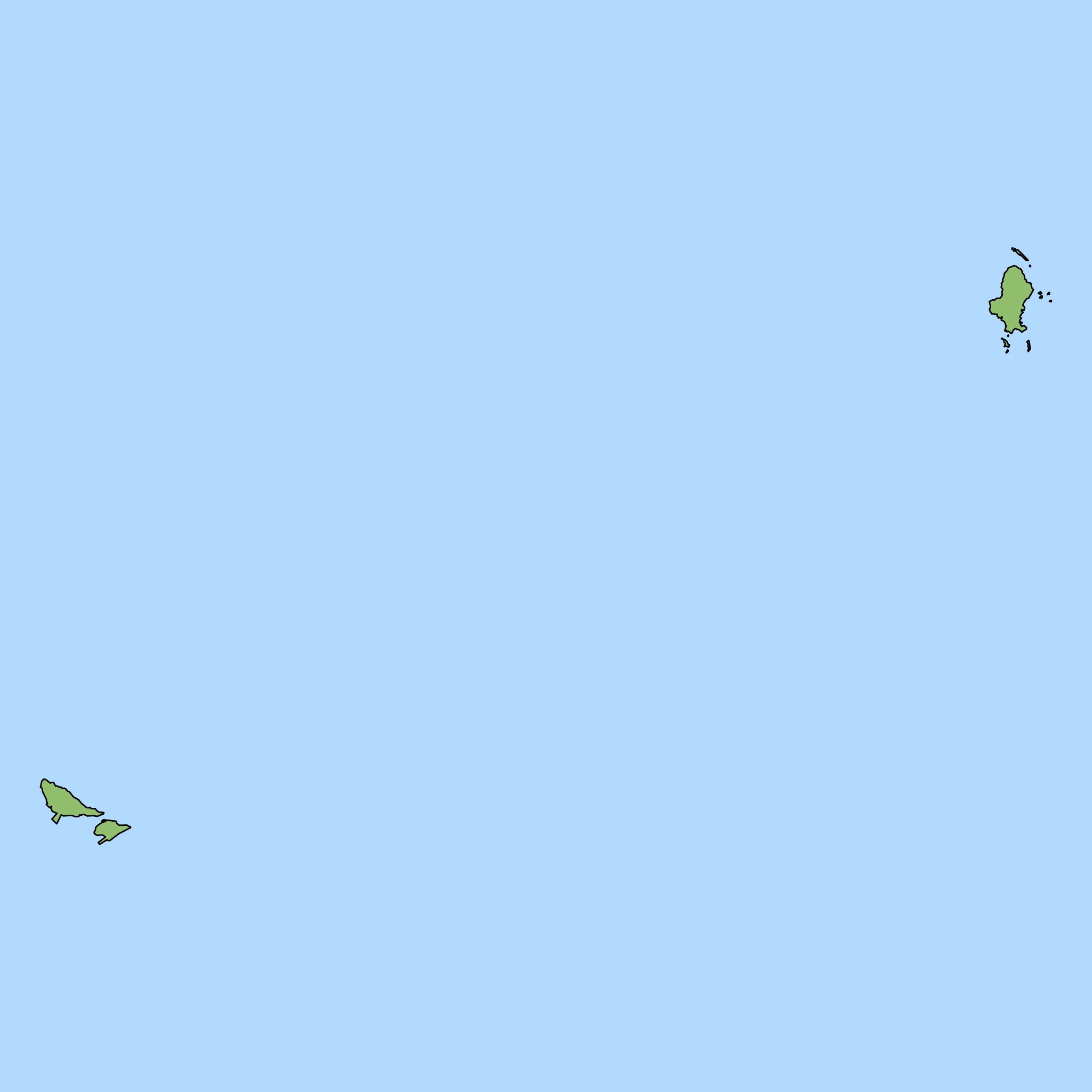
Map

Activities & Best Times

Adventure & Nature
GoodHiking, wildlife, outdoor exploration, ecotourism
Downgrade from very_good to good. While volcanic crater lakes and natural landscapes exist, the complete absence of established trekking infrastructure, adventure operators, or accessibility renders very_good rating inappropriate under international calibration standards. Good reflects natural potential constrained by isolation and minimal development.
Beach & Sea
GoodBeach resorts, marine activities: diving, snorkelling, kite surfing, wind surfing, sailing
Boasts pristine, secluded lagoons and the stunning white sands of the Hoorn Islands, ideal for snorkeling in highly authentic settings. The drier Jun-Aug period ensures better sea visibility and calmer conditions, whereas heavy precipitation from Oct-Apr significantly degrades the beach experience.

Educational & Exploratory
GoodLearning experiences, scientific sites, historical education
Offers unique insights into traditional Pacific governance and lapita-style archaeological sites that remain remarkably intact. June through August provides the most reliable weather for guided tours and outdoor site visits; the excessive monsoon-style rain in other months can lead to site closures.

Festivals & Seasonal
GoodEvents, celebrations, seasonal attractions
Authentic local festivals feature traditional dances and kava ceremonies that are central to the islands' social fabric. The drier mid-year months are optimal for outdoor community gatherings, while the heavy rain and cyclone risk during the off-season often disrupt travel and event schedules.

City & Cultural
MarginalUrban tourism, museums, historical sites, architecture
Downgrade from good to marginal. The territory has no urban centers (population ~12,000 total) and no city-based cultural infrastructure. While authentic Polynesian/French cultural fusion exists, city_cultural category is a fundamental mismatch for a rural island territory. Marginal better reflects cultural interest without urban context.

Relaxation & Wellness
MarginalSpa retreats, wellness centers, peaceful getaways
The profound isolation and absence of mass tourism provide a natural 'digital detox' for sophisticated families seeking peace. It lacks world-class spa facilities, but the serene atmosphere is most restorative during the cooler, less humid dry season.

Sports & Active
MarginalSport tourism, fitness activities, active recreation
The calm lagoons are excellent for unguided snorkeling and kayaking, though high-end gear rentals and organized sports infrastructure are limited. Activity is best during the peak dry season when seas are calmest and visibility is at its international best.
Attractions
23 attractions to explore. Click markers for details.

Airports & Flight Routes
Toggle options to view domestic routes and international airports. Click an airport for details.
Climate & Weather
Climate Overview
| Month | Temp (°C) | Rain (mm) | Humidity | Wind (m/s) |
|---|

Travel Advisory
The destination is considered generally safe with a stable security environment; travelers should follow standard personal safety protocols.
Safety Topics
Traveller Advice (2 groups)

Ensure you have comprehensive travel insurance that includes air evacuation, as local medical facilities are limited for serious conditions.

Be particularly vigilant regarding the ongoing Influenza A outbreak, as older adults have been identified as a high-risk group in the current epidemic.