

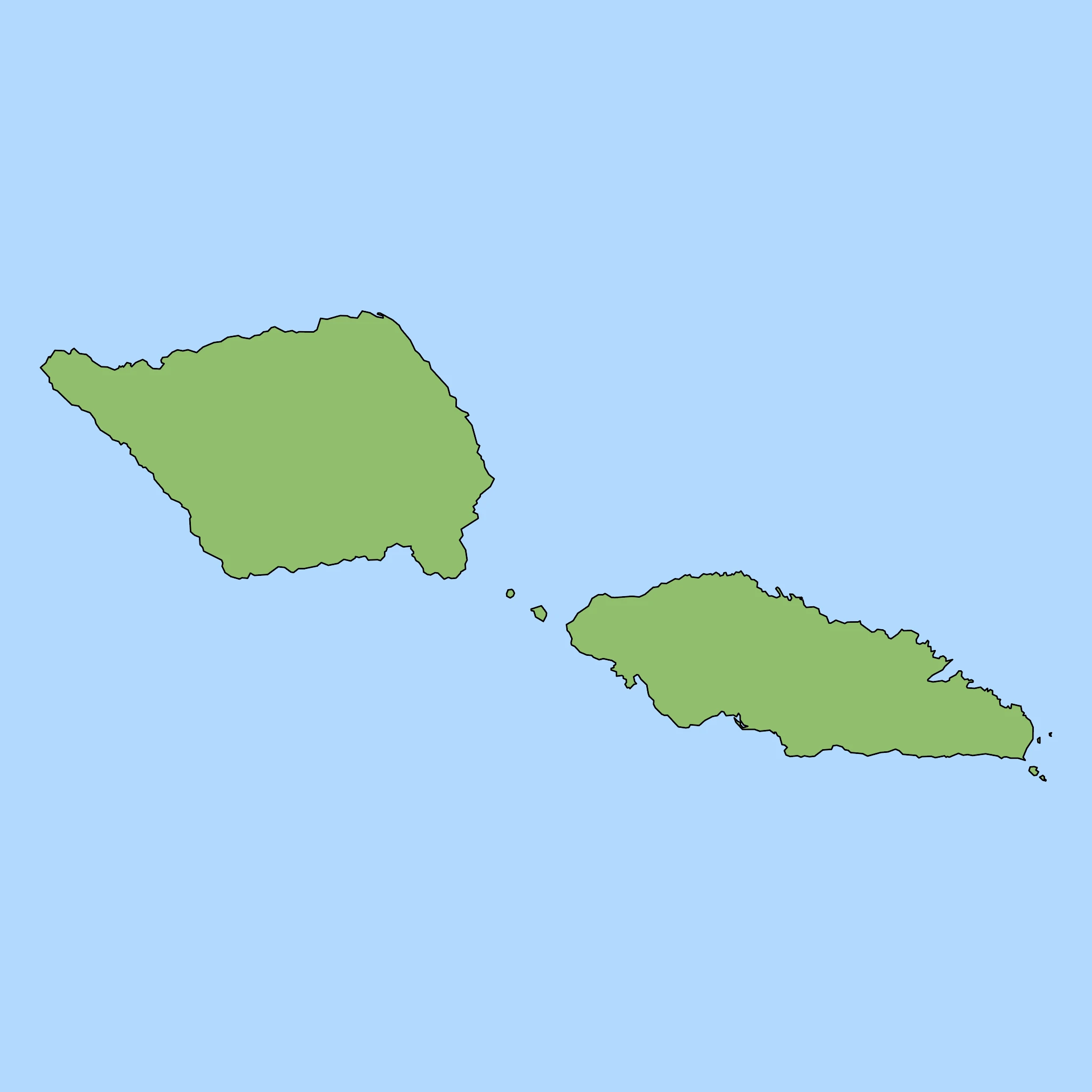
Samoa offers families a travel experience defined by raw natural beauty and a deeply ingrained culture of hospitality. Unlike many highly commercialized Pacific destinations, Samoa retains a gentle, traditional rhythm centered on Fa'a Samoa (The Samoan Way). For traveling families, this means a safe, welcoming environment where children are treated with kindness everywhere they go. The country consists primarily of two main islands, Upolu and Savai'i, both of which offer distinct adventures suitable for all ages.
Most journeys begin on Upolu, home to the capital, Apia. Families can visit the colourful Fugalei Fresh Produce Market to buy sweet baby bananas and coconuts before heading to the Papase'ea Sliding Rocks. Here, cool spring water flows over smooth volcanic rocks, creating natural slides that are a highlight for older children and teens. For safe swimming, the Piula Cave Pool provides a unique freshwater experience beneath a historic church, while the beaches of the south coast, particularly Lalomanu, offer white sand and shallow lagoons perfect for toddlers.
A short ferry ride brings you to the larger, wilder island of Savai'i. This island feels like stepping back in time. A major attraction for kids is the Alofaaga Blowholes, where locals throw coconuts into the volcanic vents, launching them hundreds of feet into the air on jets of seawater. Families can also walk across the stark, alien landscapes of the Saleaula Lava Fields, remnants of a 20th-century eruption that buried villages, providing a fascinating geography lesson. In the village of Satoalepai, the wetlands sanctuary allows children to swim alongside gentle green turtles in a protected environment.
Cultural immersion is effortless in Samoa. Fiafia nights are essential viewing; these evening celebrations feature traditional singing, graceful dancing, and the thrilling siva afi (fire knife dance) that captivates children. Accommodations range from modern resorts with pools to traditional beach fales-open-sided thatched huts right on the sand. Staying in a fale is a memorable adventure, letting families sleep to the sound of the ocean under mosquito nets.
Practical considerations: The currency is the Samoan Tala (WST). Renting a car is the best way to explore, but driving requires patience; the speed limit is generally 40 km/h in villages, and drivers must watch for children, pigs, and dogs on the road. Sunday is strictly observed as a day of rest; most businesses close, and families spend the day at church and enjoying huge feasts. Visitors are asked to respect this quiet time and dress modestly when moving through villages.

Map

Activities & Best Times

Adventure & Nature
Very GoodHiking, wildlife, outdoor exploration, ecotourism
The volcanic landscape features dramatic waterfalls, lava tubes, and lush rainforests that offer pristine exploration for adventure-seeking families. The dry season provides safe trail conditions, whereas the heavy tropical rains of the off-season (often exceeding 500mm/month) make many natural sites inaccessible or hazardous.

Beach & Sea
Very GoodBeach resorts, marine activities: diving, snorkelling, kite surfing, wind surfing, sailing
Samoa offers spectacular turquoise lagoons and iconic sites like the To Sua Ocean Trench, providing a more authentic experience than more commercialized islands. Peak months (Jun-Aug) align with the driest period and best underwater visibility, while the wet season (Nov-Apr) sees extreme rainfall that affects water clarity and outdoor comfort.

City & Cultural
GoodUrban tourism, museums, historical sites, architecture
The capital, Apia, serves as a gateway to living Polynesian culture, including the Robert Louis Stevenson Museum and vibrant local markets. Cultural immersion is best experienced during the drier peak months when outdoor village visits and walking tours are not interrupted by frequent heavy downpours.

Educational & Exploratory
GoodLearning experiences, scientific sites, historical education

Festivals & Seasonal
GoodEvents, celebrations, seasonal attractions
The Teuila Festival in September is one of the South Pacific's premier cultural events, featuring traditional fire knife dancing and canoe racing. Other dry months host smaller community events, but the heavy rains of the wet season generally preclude major outdoor cultural celebrations.

Relaxation & Wellness
GoodSpa retreats, wellness centers, peaceful getaways
While Samoa offers peaceful eco-resorts and traditional fale accommodations, it lacks the established wellness infrastructure (thermal springs, spa centers, wellness retreats) that would justify 'very_good' under international calibration standards. The rating should align with its actual wellness offerings rather than general tranquility.

Road Trips & Scenic
GoodScenic drives, countryside tours, route-based travel
Upolu and Savai'i offer incredibly scenic coastal drives through traditional villages and past pristine beaches with relatively well-maintained roads. Travel is significantly safer and more enjoyable during the dry season to avoid low visibility and potential road washouts caused by heavy monsoon rains.

Sports & Active
GoodSport tourism, fitness activities, active recreation
Excellent conditions for surfing, snorkeling, and kayaking, with world-class reef breaks that attract experienced surfers. The peak season provides consistent trade winds and optimal swell, while the off-season brings unpredictable weather and high humidity that can limit active recreation.

Attractions
44 attractions to explore. Click markers for details.
Airports & Flight Routes
Toggle options to view domestic routes and international airports. Click an airport for details.
Climate & Weather
Climate Overview
| Month | Temp (°C) | Rain (mm) | Humidity | Wind (m/s) |
|---|

Travel Advisory
The country is considered stable with standard safety risks comparable to typical international travel environments.
Safety Topics
Traveller Advice (4 groups)

Respect the 'Samoan way' by dressing modestly and avoiding loud or disruptive behavior in villages. Always ask permission before taking photos of locals or entering coastal lagoons, as customary rights apply.

Ensure children are fully vaccinated against measles (MMR) at least 14 days before arrival. It is advisable to carry physical immunization records as health officials may request them.

Female visitors are encouraged to wear modest clothing that covers shoulders and knees, particularly when outside of major resorts or in traditional village settings.

Same-sex sexual activity remains illegal under local law, and there is no legal recognition for same-sex relationships. Travellers should exercise discretion as the society is socially conservative.