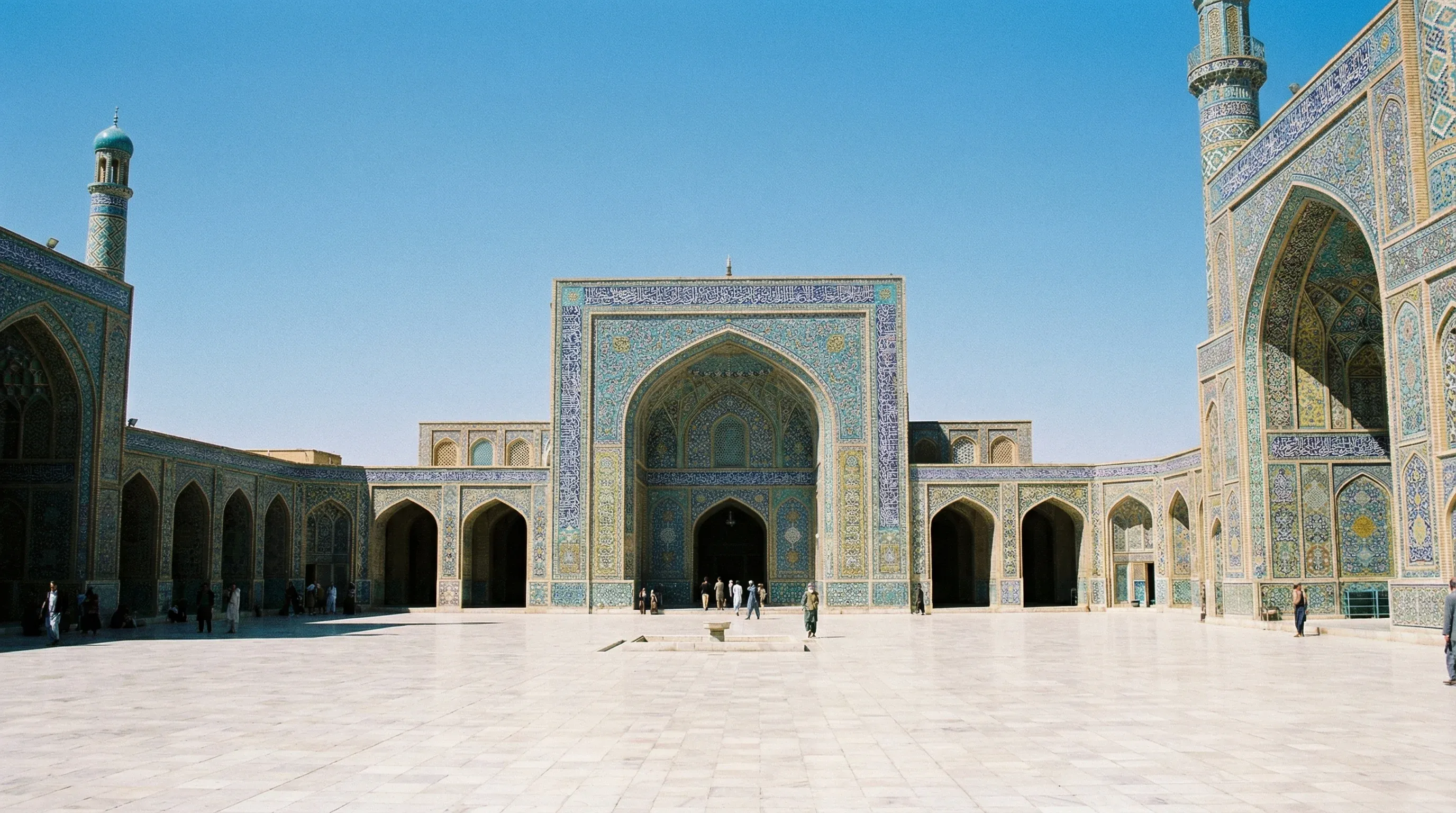

Herat and the Western Borderlands
A turquoise jewel of Timurid architecture and history 🕌
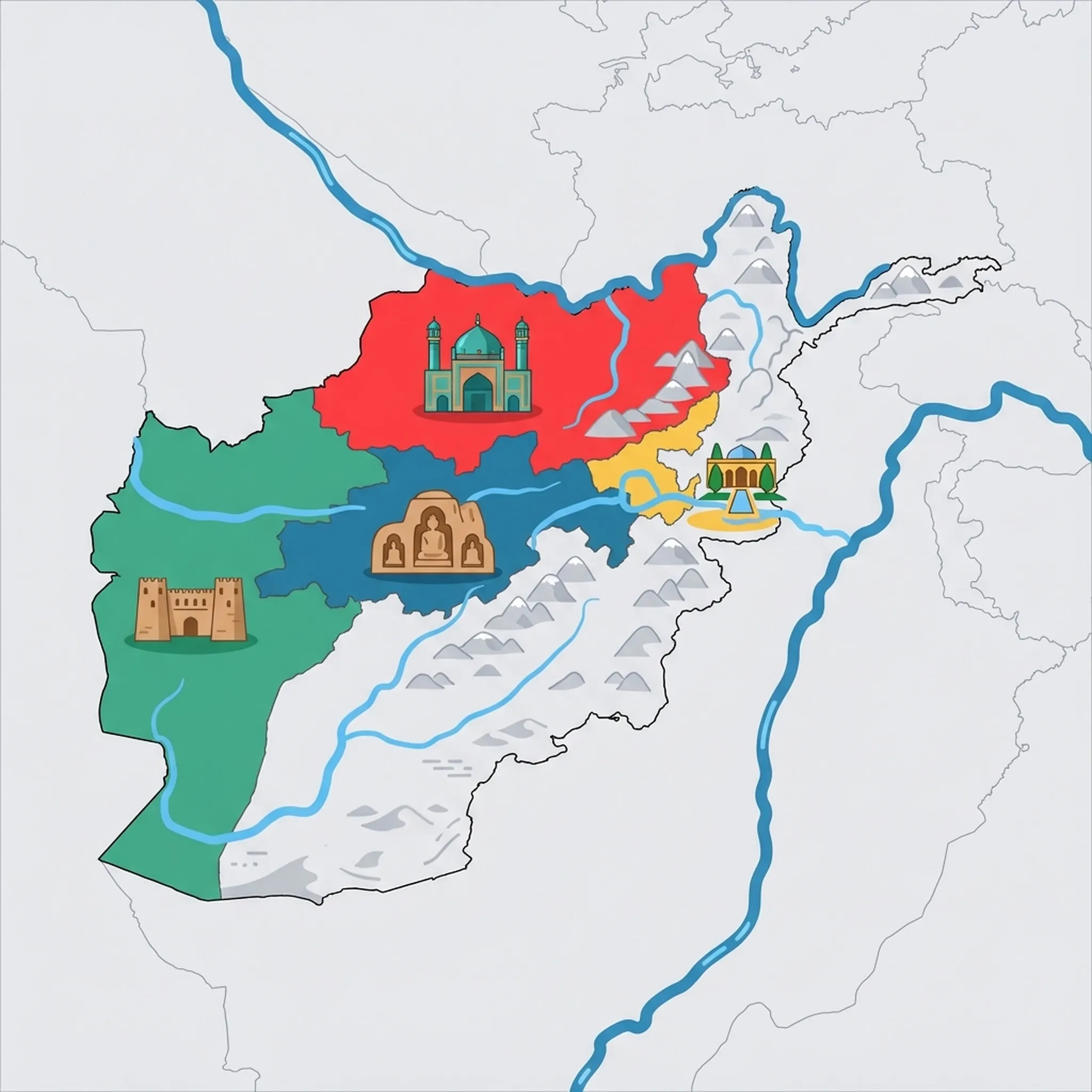
Click a region to explore
⚠️ SAFETY WARNING: Due to high risks of kidnapping, cross-border smuggling, and lack of consular access, government agencies (including CA, USA, UK, AU, IE, and NZ) advise travelers to avoid all travel to Herat and the Western Borderlands. Evacuation from this region is nearly impossible. Families are strongly urged to consult their own government's official travel advisory before considering a trip.
Overview
Herat is often referred to as the 'Pearl of Khorasan', a city with a refined cultural legacy that stretches back millennia. Located in the fertile valley of the Hari River, it has a greener, more temperate feel than the arid south. The city's architecture is its defining feature, with intricate tile work and grand monuments that rival those of Uzbekistan and Iran. For families, the city offers a sense of living history, where ancient forts and mosques are part of daily life rather than just museum exhibits.
The atmosphere in Herat is traditionally more cosmopolitan and artistic, with a strong tradition of poetry and miniature painting. The streets are busy with tuk-tuks and glass-blowing workshops, offering a sensory experience for older children interested in crafts and culture. However, the region is also known for the 'Wind of 120 Days', a powerful summer wind that shapes the climate and landscape.
Key Attractions
The city's skyline is dominated by the Herat Citadel (Qala Iktyaruddin), a massive fortress that dates back to Alexander the Great. Recently restored, it offers panoramic views over the city and provides a safe, enclosed space for children to explore battlements and towers. It also houses a small museum of artifacts.
Equally stunning is the Friday Mosque of Herat (Great Mosque), famous for its vibrant mosaic tiles. It is one of the oldest mosques in the region and a masterclass in Islamic art. Visitors can often see artisans in the on-site workshop creating new tiles by hand to replace weathered ones, a fascinating process for children to watch.
Practical Advice
Spring (March to May) and autumn (September to November) are the most pleasant times to visit. Summer brings intense heat and the relentless '120-day wind' which can be difficult for children.
Food & Drink
Typical meal times: Lunch is usually eaten between 12:30 pm and 2:30 pm, with dinner served from 7:30 pm to 9:30 pm.
Typical meal costs: A generous family meal at a mid-range restaurant costs around 1,800–2,800 AFN (approx. $25–40 USD / €23–37 EUR).
Dietary requirements: Herati cuisine is distinct and varied. While meat is central, rice dishes often include raisins and carrots. Vegetarians can rely on aubergine dishes and fresh breads, though strict vegan options are rare.
Signature dishes:
- Kichiri Qoroot – A sticky, risotto-like dish made from mung beans, rice, and dried yogurt, often topped with meat sauce (kofta).
- Herati Pulao – A local variation of the national rice dish, typically more fragrant and sometimes cooked with saffron.
- Sheer Yakh – Traditional Afghan ice cream made by hand in metal canisters over ice and salt, flavored with rosewater and pistachios.
Why this score?
The region offers significant adventure due to its position as a historic crossroads with vast, undeveloped stretches of desert and river valleys. Exploring the ancient architecture and the nearby Obeh Hot Springs requires navigating areas with minimal tourist support and limited connectivity. The rugged nature of the western borderlands provides a sense of isolation and frontier travel.
Why this score?
As a major urban center, Herat has better medical facilities than rural Afghanistan, including some hospitals that can provide basic surgical and emergency care. However, standards remain well below international expectations, and there is a significant lack of specialized equipment or western-trained staff. For anything beyond basic stabilization, travelers would likely need to seek care in another country.
Why this score?
Herat is a major cultural center known for its stunning Blue Mosque and Citadel, but it receives very few foreign visitors annually due to its remote western location and geopolitical challenges. While it attracts some historians and specialized tour groups, it remains largely disconnected from global tourism flows. The majority of visitors are domestic travelers or those crossing the border from Iran.

Herat is inexpensive for basic goods. A comfortable hotel room can be found for 2,500–4,500 AFN (approx. $35–64 USD / €32–60 EUR). Transport is cheap, with taxi rides across town costing 150–300 AFN (approx. $2–4 USD / €2–4 EUR). However, the cost of personal safety arrangements for foreigners is very high.

Getting Here & Around
Getting Here
- Air – Herat International Airport (HEA) has connections to Kabul. Flights are the only recommended mode of travel due to highway safety risks.
- Road – The Highway 1 'Ring Road' connects Herat to Kandahar and Mazar, but it is extremely dangerous due to insurgent activity and poor maintenance.
Getting Around
- Car / Taxi – Private taxis are the primary way to get around. Yellow and white taxis are common, but families should arrange reliable private transport.
- Auto-Rickshaw – Three-wheeled rickshaws (zarang) are popular for short hops within the city, handy for visiting the Friday Mosque of Herat.
Nearby Airports (1 airport)
Herat
HEAHerat
View full flight map for Afghanistan →

Packing List
The 'Wind of 120 Days' kicks up significant dust storms in summer.
Herat is socially conservative; a scarf is essential for women and girls.
Constant wind and dust can cause eye irritation for children.
The local dialect is very close to Iranian Farsi, distinct from Kabul Dari.
Essential for women and girls to adhere to strict local dress codes immediately upon arrival.
ATMs don't accept foreign cards. Bring pristine, post-2013 bills for exchange.
Electricity cuts are frequent and daily, even in hotels.
Tap water is unsafe and bottled water isn't always available in remote areas.
Internet is unreliable and checkpoints may demand physical copies of permits.
Dust is ubiquitous and running water for handwashing can be scarce.

Activities & Best Times

Urban tourism, museums, historical sites, architecture
Herat is a jewel of the Timurid Empire, featuring the world-class Friday Mosque and the Iktyaruddin Citadel which offer profound historical authenticity. Peak visitation occurs in spring and October to avoid the 'Wind of 120 Days' and extreme summer temperatures that often exceed 40°C.

Hiking, wildlife, outdoor exploration, ecotourism
The Hari River valley and Takht-e Safar offer scenic landscapes for soft adventure, though infrastructure is limited for international families. Best experienced in spring when the valley is greenest, as the region becomes extremely arid and hot during the summer months.

Spa retreats, wellness centers, peaceful getaways
The Obeh Hot Springs offer an authentic, albeit rustic, thermal experience that has been a regional draw for centuries. These are best visited when ambient air temperatures are cooler in spring and autumn, as the summer heat makes thermal bathing unpleasant.

Scenic drives, countryside tours, route-based travel
The Sabzak Pass provides a dramatic, rugged driving route through the Paropamisus Mountains, though road conditions can be challenging. Winter snows and early spring mud often block high-altitude passes, while mid-summer brings intense heat and dust storms.
Amusement parks, family entertainment venues
Mellat Park provides a localized amusement experience that may serve as a brief diversion for families but does not meet international theme park standards. Operation and comfort are highly weather-dependent, with peak suitability during the mildest transitional months.




Public Holidays & Calendar Next 12 months
Public holidays, festivals, cultural celebrations, and seasonal natural phenomena coming up in Herat and the Western Borderlands over the next 12 months.
Loading holidays and events...

Travel Advisory
All major international agencies agree that travel to Afghanistan is extremely dangerous due to terrorism, civil conflict, and the risk of arbitrary detention. Consular assistance is virtually non-existent.
Safety Topics
Traveller Advice (4 groups)

Sexual and gender minorities face severe legal and physical risks, as same-sex relationships are criminalized under the current legal framework.

Female visitors face extreme restrictions on movement, including the requirement of a male chaperone and strict adherence to specific dress codes. Violence against women remains a widespread concern with no legal recourse.
Individuals working for aid or faith-based organizations are specifically targeted for surveillance and arbitrary arrest. Their movements are closely monitored by local security services.

Media professionals are often viewed with suspicion of espionage. Reporters face high risks of detention and should expect their activities to be scrutinised by the de facto authorities.
Agency Summaries
Refrain from visiting due to the extremely unstable safety environment, frequent terror incidents, ongoing civil conflict, and significant threats of being kidnapped or detained by authorities. Human rights are broadly suppressed and embassy services are suspended.
Do not travel for any reason. Foreign nationals face extreme risks of terrorism, arbitrary detention, and violent crime. Consular services are not available within the country and local authorities actively monitor foreign visitors.
A high risk of terrorism and general instability makes travel to any part of the country extremely dangerous. Irish citizens are advised to avoid all travel.
No part of the country is considered safe. Australians are at critical risk of terror attacks, kidnapping, and indefinite detention. Border regions are especially dangerous due to military conflict with neighboring countries.
The security landscape is hostile and volatile. Foreigners are primary targets for kidnapping and terrorist groups. New Zealanders currently present should leave immediately.
Travel is discouraged under all circumstances. The security climate is unpredictable, with a high risk of detention for foreign citizens. Tensions at the borders, particularly with Pakistan, have led to violent clashes.
Information is provided for general guidance only and does not constitute travel, safety, medical, or legal advice. Conditions may change. Users are responsible for independently verifying information before travel.