

Overview
Albania is a land of striking contrasts that captivates families with its raw beauty and remarkably warm hospitality. Situated between the azure waters of the Ionian and Adriatic Seas and the soaring peaks of the Albanian Alps, this Balkan nation offers a sense of discovery that is hard to find elsewhere in Europe. For parents, it promises the allure of Mediterranean culture-olive groves, ancient ruins, and fresh seafood-without the crowds or price tag of its neighbors. For children, it is a country that feels like a storybook, where castles perch on hilltops and beaches have crystal-clear turquoise water.
The cultural concept of Besa-a pledge of honor and hospitality-means families are treated with exceptional kindness everywhere they go. While the infrastructure is still developing in some areas, the chaotic charm is part of the adventure. You can spend your mornings hiking in the cool air of Gjirokastër & Zagoria and your afternoons relaxing on the white pebble beaches of the Central Riviera. It is a destination that rewards curiosity, offering safe, fun, and memorable experiences for adventurous families.
Key Attractions
Begin your journey at Rozafa Castle in Shkodër, where children can scramble over ancient walls and learn the legend of the woman walled within them, all while enjoying panoramic views of lakes and rivers. For a fairytale mountain experience, head north to Theth Historic Village in the heart of the national park; the stone towers and the hike to the Shala River offer pure natural magic. In the center of the country, the UNESCO-listed town of Berat is unmissable. Kids will love exploring Berat Castle, a fortress that is still inhabited today, meaning you can walk through living neighborhoods inside the castle walls.
Along the coast, the Llogara National Park offers a cool mountain respite where you can spot deer before descending the spectacular pass to the sea. The Ksamil Islands are famous for their shallow, sandy beaches perfect for young swimmers. Just south of there lies Butrint Archaeological Park, a shaded, atmospheric site where Greek and Roman ruins sit nestled in a forest-it feels like exploring a lost city. Finally, do not miss a cable car ride up Mount Dajti in Tirana for mini-golf and adventure parks with views over the capital.
Practical Advice
The best time to visit is June or September to avoid the peak July-August heat and crowds, though the coast remains warm enough for swimming well into October. Roads have improved significantly but can still be narrow and winding, especially in the mountains; if you are prone to motion sickness, come prepared. Cash (Lek) is absolute king here-many smaller guesthouses, restaurants, and gas stations do not accept cards, so always carry cash. Tap water is generally not recommended for drinking; stick to bottled water to avoid tummy troubles.
Food & Drink
Typical meal times: Lunch is typically served from 12:00 pm to 2:00 pm, and dinner is a late, lingering affair, usually from 7:30 pm to 9:30 pm. In summer, it is common to see families dining as late as 10:00 pm.
Typical meal costs: 800–1,500 Lek (approx. $9–17 USD / €8–15 EUR) for a main dish in a nice restaurant; 300–600 Lek (approx. $3.50–7 USD / €3–6 EUR) for street food or simple local bites.
Dietary requirements: Vegetarian options are plentiful, with fresh salads, grilled vegetables, and cheese featuring heavily in every meal. Vegan options can be harder to find in traditional grill houses (tavernas), as dairy and eggs are staples, but larger cities have modern options. Gluten-free awareness is low, so be cautious with sauces and breads.
Family-friendly dining: Albanians adore children, and you will be welcomed warmly in almost any establishment. Highchairs are becoming more common but are not guaranteed in small rural tavernas. It is perfectly normal for kids to run around and play near the table while adults finish their meal.
Signature dishes:
- Byrek – Flaky phyllo pastry pies filled with spinach, cheese, or meat, perfect for a quick and cheap snack on the go.
- Tavë Kosi – A comforting baked dish of tender lamb and rice in a savory yogurt and egg sauce, mild and delicious for kids.
- Qofte – Grilled seasoned meatballs, often served with fresh bread and raw onions, a simple favorite for fussy eaters.
- Fërgesë – A rich, warm dip made from peppers, tomatoes, and cottage cheese, traditionally eaten with crusty bread.
- Petulla – Fried dough balls often served at breakfast with honey, jam, or feta cheese-essentially Albanian doughnuts.
Safety
Albania is remarkably safe for travelers, with very low violent crime rates. The biggest safety hazard for families is actually the driving style, which can be erratic; use caution when crossing streets and drive defensively. Sidewalks in cities can be uneven or blocked, so keep an eye on toddlers. Stray dogs are common but usually docile; teach children not to pet them. In remote mountain areas, stick to marked trails and carry water.
Family Travel Notice
Minors traveling with only one parent or alone must carry notarized parental consent. Note that children born to Albanian parents may be regarded as local citizens, regardless of their place of birth.

Albania is one of Europe's most affordable destinations. A family of four can expect to spend around 12,000–16,000 Lek (approx. $130–175 USD / €120–160 EUR) per day, covering mid-range apartment accommodation, car hire, and generous meals. Street snacks like byrek cost as little as 100 Lek (approx. $1.10 USD / €1 EUR).
Age Suitability


Did you know? Albania welcomes approximately 11.5 million international visitors per year. Most visitors come from Europe.
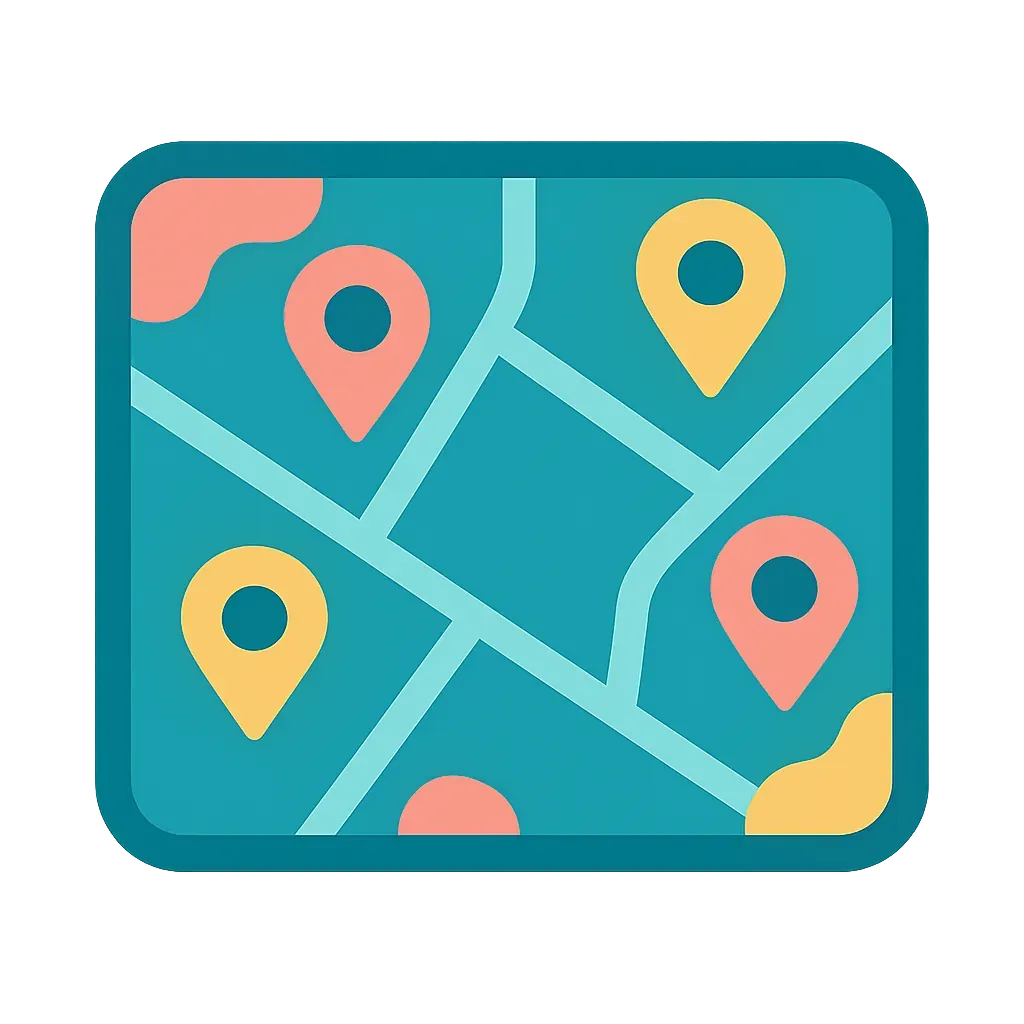
Explore Regions
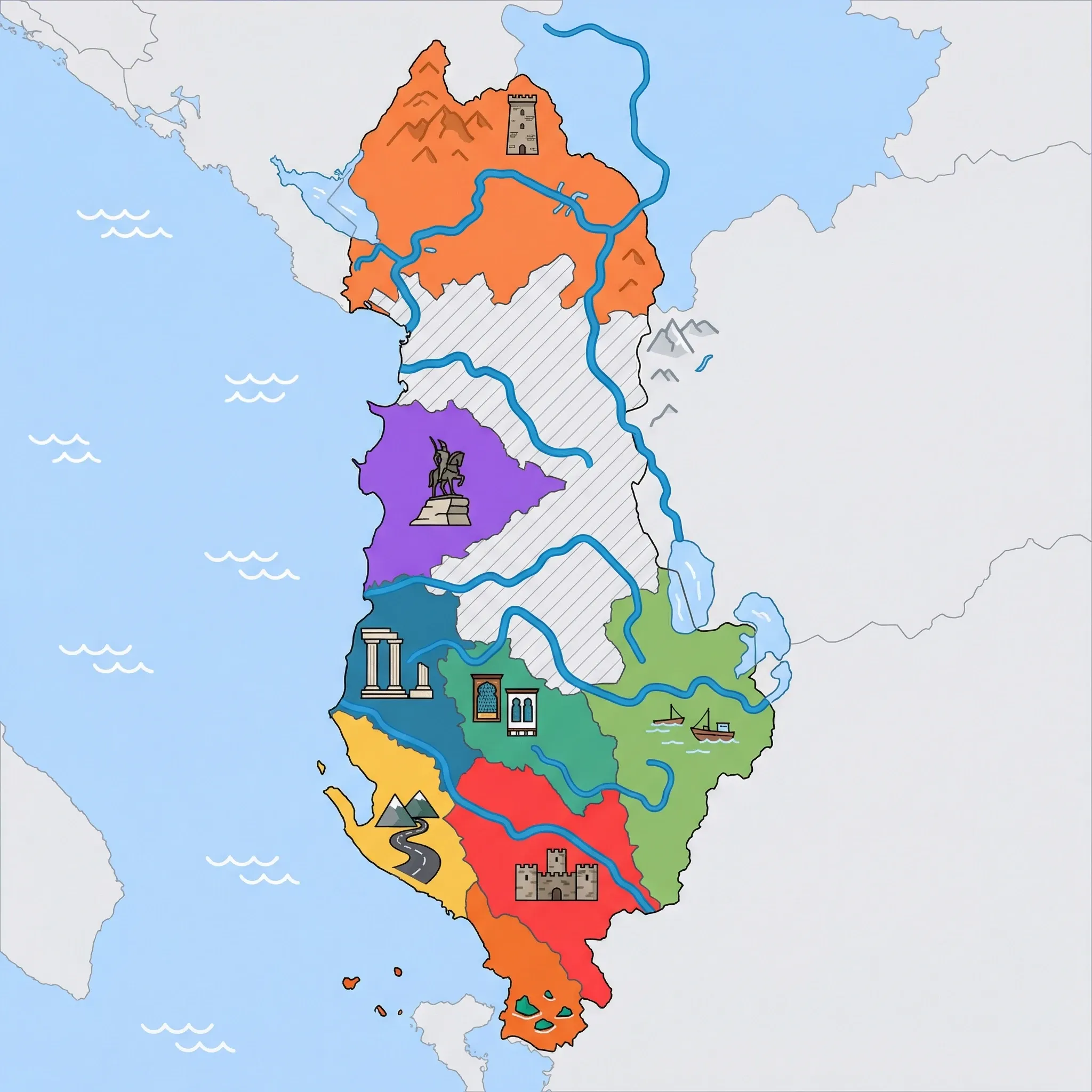
8 Regions
Albanian Alps / Accursed Mountains
Where fairy-tale rivers meet soaring limestone peaks 🏔️
Berat & Central Highlands
Ottoman history and canyon adventures in the heart of Albania 🏰
Central Riviera / Vlora & Llogara
Where the mountains dive into two seas 🦌🌊
Fier, Apollonia & Divjakë
Ancient ruins and rare pelicans in the wild lagoons 🏛️🐦
Gjirokastër & Zagoria
A city of stone and Europe's last wild river 🏰⛰️
Korçë & Lake Ohrid
Serene lakes and cultural charm in the Little Paris of Albania 🎻🏞️
Southern Riviera / Himarë–Sarandë–Ksamil
Turquoise waters and ancient ruins in the sunniest corner of Albania ☀️🏛️
Tirana & Central Coast
A colorful capital and the gateway to the Adriatic 🌈🚠
Click on a region marker to explore details. Use the dropdown to color regions by activity suitability.

Getting There & Around
Getting There
- By Air – Tirana International Airport (TIA) is the main hub, connecting to major European cities. It is a short drive from the capital and the Tirana & Central Coast region.
- By Sea – High-speed ferries run daily from Corfu (Greece) to Sarandë, a popular route for families combining the two countries. Ferries also connect Durrës and Vlora with Italian ports like Bari and Brindisi.
- By Land – You can drive in from Montenegro (closest to the Albanian Alps), Kosovo, North Macedonia, or Greece. Border crossings can be busy in summer.
- Entry Requirements – US citizens can stay for up to one year visa-free. EU, UK, and Australian citizens do not need a visa for stays up to 90 days. Check your government website for the latest visa requirements, or use the IATA Travel Centre entry-requirements checker.
Getting Around
- Car Hire – The most practical way for families to explore, especially to reach beaches in the Southern Riviera or mountain villages. A 4x4 is recommended if you plan to drive to Theth Historic Village or other remote areas, though main roads are paved.
- Buses & Furgons – Minibuses (furgons) are the main form of public transport. They are cheap and frequent but operate on loose schedules and can be crowded, which may be stressful with young children and luggage.
- Taxis – Widely available in Tirana and major towns. Always agree on the price before getting in, or ensure the meter is running.
Official Links

Packing List
Essential for the Albanian Riviera (Ksamil, Himarë) where many beautiful beaches are pebbly or rocky.
Cobblestone streets in historic towns like Gjirokastër and Berat make strollers nearly impossible to use.
Credit cards are rarely accepted outside luxury hotels and supermarkets; you will need cash for almost everything.
Roads like the Llogara Pass and routes to the Alps are incredibly winding and can affect sensitive travelers.
Occasional power cuts can occur, and street lighting in smaller coastal villages can be sparse.
Mosquitoes can be aggressive in coastal areas and near lagoons like Karavasta during summer evenings.

Activities & Best Times

Adventure & Nature
ExcellentHiking, wildlife, outdoor exploration, ecotourism
A premier European wilderness destination featuring the world-renowned Peaks of the Balkans trail and dramatic karst landscapes. Trails and high-altitude national parks are best accessed from June to September; winter snow makes these areas dangerous and inaccessible for families.
Home to the Vjosa Wild River National Park and the remote Zagoria trails, the region offers world-class immersion in pristine Balkan wilderness. Optimal conditions occur in late spring and early autumn when water levels are ideal for river activities and temperatures are perfect for mountain trekking.
Excellent proximity between the capital and rugged terrain like Mount Dajti and Lake Bovilla allows for high-quality hiking and cave exploration. Spring and autumn offer the best visibility and comfortable temperatures for trekking.

City & Cultural
ExcellentUrban tourism, museums, historical sites, architecture
UNESCO-listed Berat is a world-class cultural destination featuring exceptionally well-preserved Ottoman architecture and the major Onufri Iconographic Museum. Spring and autumn offer the most comfortable climate for exploring the steep, historic cobblestone quarters of Mangalem and Gorica.
Tirana offers a unique, authentic post-communist atmosphere with world-class museums like Bunk'Art, while Durrës provides significant Roman history. Best visited in transitional months to avoid intense summer heat and high winter rainfall.
As the cradle of Albanian independence, Vlora offers significant historical sites including the National Museum of Independence and Kanina Castle. May, June, and September provide the most comfortable climate for exploring the city's historic quarters and monuments.

Sports & Active
Very GoodSport tourism, fitness activities, active recreation
The region boasts dedicated cycling routes through the Vjosa Valley and significant canyoning opportunities in Lengarica, supported by a growing professional guide network. Activity seasons are dictated by river flow safety and manageable temperatures, excluding the wet and cold winter months.
Solid infrastructure for adventure sports is present, including the Dajti Adventure Park and major ziplines. These activities are most enjoyable during the dryer months when outdoor equipment is safest and most accessible.
The region is a premier destination for paragliding from the Llogara Pass down to the coast, alongside established adventure parks. Stable wind conditions in late spring and early autumn make it the ideal period for these activities.

Beach & Sea
GoodBeach resorts, marine activities: diving, snorkelling, kite surfing, wind surfing, sailing
Features accessible family resorts in Golem and the more secluded, scenic Cape of Rodon. Peak season reflects the window for optimal Adriatic water temperatures and settled weather, while winter is too cold for seaside activity.
The Karaburun-Sazan National Marine Park offers pristine, boat-accessible coves and sea caves with exceptional water clarity. July and August provide peak swimming temperatures, while June and September are excellent shoulder months with fewer crowds.
Unique freshwater 'beaches' like the Shala River offer a world-class fjord-like setting with crystal-clear water. Peak months reflect the short window when glacial waters are bearable for swimming and river transport is most reliable.

Road Trips & Scenic
GoodScenic drives, countryside tours, route-based travel
Scenic drives like the SH16 to Mount Dajti and the route to Cape of Rodon offer dramatic coastal and highland vistas. Peak timing ensures dry roads and the clear visibility necessary to appreciate the diverse landscape.
The Llogara Pass is one of Europe's most dramatic scenic drives, offering hairpin turns with sweeping views of the Ionian Coast. Peak months offer clear visibility and safe driving conditions, while the high-summer months can experience heavy coastal traffic.
Home to spectacular scenic drives like the SH20 Kelmend road, which offers world-class Alpine vistas on modern infrastructure. Safe driving conditions and visibility are best in summer, while winter months carry high risks of snow-related closures on steep mountain passes.

Educational & Exploratory
MarginalLearning experiences, scientific sites, historical education
The Museum of Natural Sciences offers specialized scientific interest but is not a standalone destination-level motivator. Best visited when city infrastructure is most active during the spring and autumn school terms.
The Llogara National Park Visitor Center and Zvërnec Ecomuseum offer niche educational insights into local biodiversity. They are best visited during the warmer months when the surrounding natural areas are fully accessible to families.
The national park visitor center provides significant insights into Adriatic wetland conservation and local ecosystems. Access and guided sessions are most reliable during the peak birdwatching seasons in spring and autumn.

Theme Park & Entertainment
MarginalAmusement parks, family entertainment venues
Contains several regional-scale water and amusement parks that serve family travelers during the height of summer. These facilities lack global-tier recognition and operate only during the warmest months.
Small-scale regional attractions like the Llogara Adventure Park provide local family entertainment but are not standalone international draws. These facilities typically only operate during the peak summer tourism season.
Provides basic family entertainment via regional facilities like Saranda Luna Park and Llogara Adventure Park. These venues are typically operational and most appealing during the main summer holiday window.
Relaxation & Wellness
MarginalSpa retreats, wellness centers, peaceful getaways
Ski & Snow
MarginalWinter sports, ski resorts, snow activities

Public Holidays & Calendar Next 12 months
Public holidays, festivals, cultural celebrations, and seasonal natural phenomena coming up in Albania over the next 12 months.
Loading holidays and events...
Climate & Weather
Albanian Alps / Accursed Mountains
Show Details
| Month | Temp °C | Rain | Humidity |
|---|
Berat & Central Highlands
Show Details
| Month | Temp °C | Rain | Humidity |
|---|
Central Riviera / Vlora & Llogara
Show Details
| Month | Temp °C | Rain | Humidity |
|---|
Fier, Apollonia & Divjakë
Show Details
| Month | Temp °C | Rain | Humidity |
|---|
Gjirokastër & Zagoria
Show Details
| Month | Temp °C | Rain | Humidity |
|---|
Korçë & Lake Ohrid
Show Details
| Month | Temp °C | Rain | Humidity |
|---|

Travel Advisory
While Albania is widely accessible for tourism, multiple international agencies advise increased vigilance due to crime and occasional civil unrest. Risk assessments are evenly split between normal and elevated caution, resulting in a moderate advisory level overall.
Safety Topics
Traveller Advice (3 groups)
Minors traveling with only one parent or alone must carry notarized parental consent. Note that children born to Albanian parents may be regarded as local citizens, regardless of their place of birth.

Ensure your passport is valid for at least six months and that you have comprehensive medical insurance that covers emergency evacuation, as local healthcare standards vary significantly outside major cities.

When visiting rural or less developed areas, be aware that solo female travelers may experience occasional verbal harassment or unwanted attention.
Agency Summaries
General safety levels are high, with no special restrictions for Irish citizens. Visitors are encouraged to monitor local news. Consular assistance is managed by the embassy in Greece.
No major travel restrictions are in place. Travelers are advised to obtain comprehensive insurance, as medical facilities are limited outside the capital. Specific documentation like an International Driving Permit and Green Card is necessary for motorists.
Heightened vigilance is recommended due to the potential for political demonstrations in Tirana and limited healthcare infrastructure. Consular support is provided through the embassy in Italy as there is no local Australian mission.
There are more safety and security concerns than typically found in New Zealand, primarily related to crime and the potential for civil unrest. Petty theft is a risk in crowded tourist areas.
Visitors should be more vigilant due to crime levels, particularly street crime in urban centers and organized crime activity countrywide. The embassy has highlighted specific dining establishments in Tirana to avoid due to security concerns and unfair business practices.
Albania is generally considered safe for visitors, though travelers should remain aware of aggressive local driving habits and potential hazards on rural roads. Specific regulations apply to children of Albanian descent and those traveling with only one parent.
Information is provided for general guidance only and does not constitute travel, safety, medical, or legal advice. Conditions may change. Users are responsible for independently verifying information before travel.