

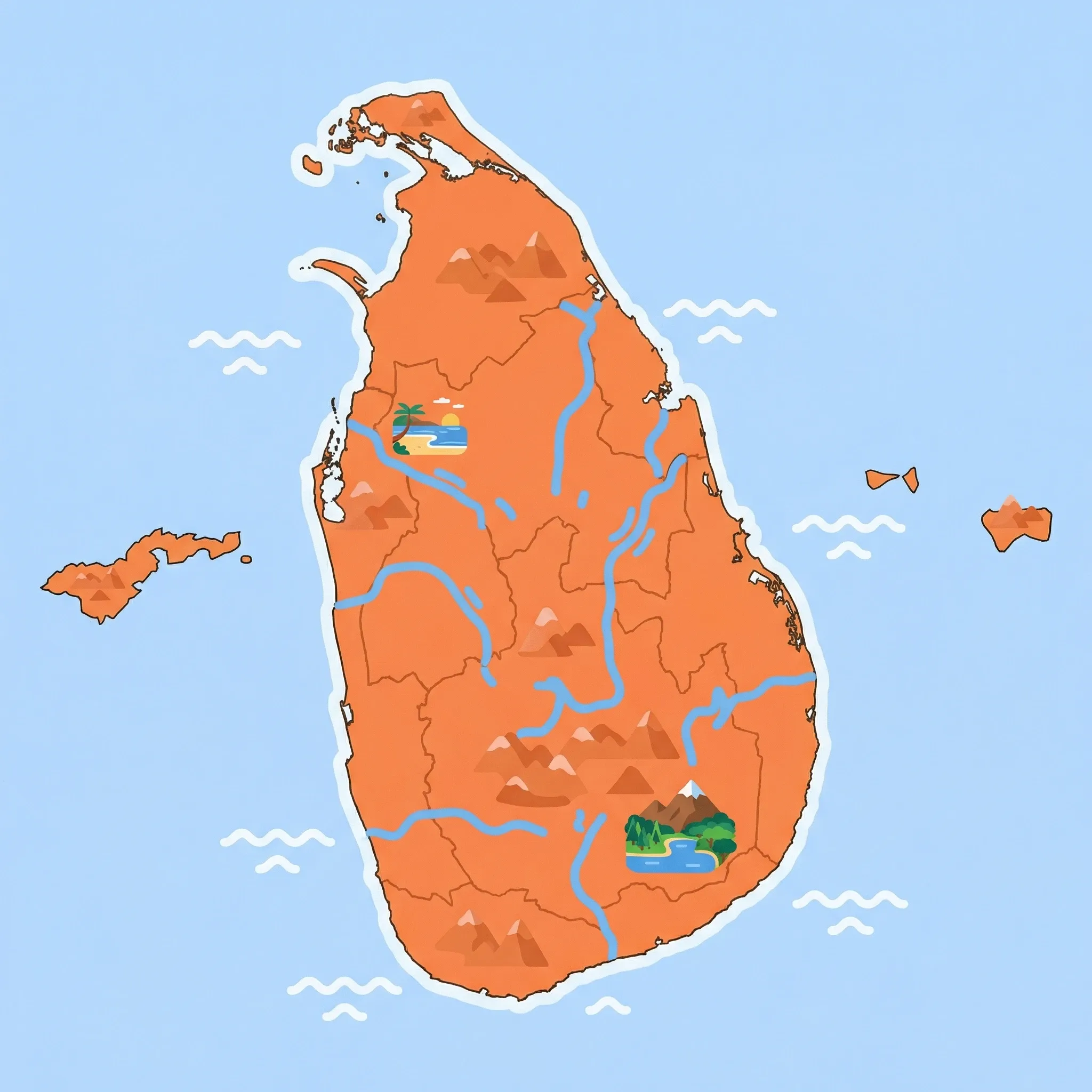
Discover American Samoa, a hidden jewel in the South Pacific where majestic volcanic peaks rise sharply from the cobalt ocean. As the only U.S. territory south of the equator, it offers a fascinating blend of American convenience and ancient Polynesian heritage. The main island of Tutuila is a verdant paradise where the jungle meets the sea, and the air is thick with the scent of tropical flowers. For families, the appeal lies in the island's raw, uncommercialised nature; there are no high-rise resorts or crowded theme parks here, only genuine cultural encounters and outdoor adventures. The local culture, Fa'a Samoa, places family at the center of life, meaning children are adored and welcomed everywhere.
The pace of life is slow and governed by tradition. On Sundays, the islands fall quiet for church and family feasts, offering visitors a chance to disconnect and relax. The climate is tropical and humid year-round, with frequent warm showers that keep the rainforests lush-hence the fame of Rainmaker Mountain, which often snags passing clouds. Families can spend days exploring secluded coves, learning about World War II history, or simply sharing a meal with locals. It is an adventurous destination best suited for families who enjoy nature, hiking, and immersing themselves in a different way of life.
Key Attractions
The crown jewel of the territory is the National Park of American Samoa - Tutuila Unit. Unlike many national parks that require long drives, this one is accessible and woven into the local villages. Families can hike the Pola Island Trail, a short and flat path perfect for younger children that leads to a rugged pebble beach with stunning views of sea cliffs. For active families, the ridge trails offer panoramic vistas of Pago Pago Harbor. The park preserves not just the rainforest and flying foxes (fruit bats), but also the coral reefs, making it a fantastic spot for snorkeling in calm, shallow waters.
History comes alive at Blunts Point Battery, a World War II heritage site located on the Matautu Ridge. A short but steep hike through the jungle rewards you with two well-preserved 6-inch naval guns that still point out to sea, guarding the harbor entrance. Children are often fascinated by the massive cannons and the "secret base" feel of the location, while parents will appreciate the sweeping views of the harbor below. It is a tangible slice of history that connects the islands to the wider global narrative of the 1940s.
Dominating the skyline across the harbor is the iconic Rainmaker Mountain (Mount Pioa). While the summit hike is rugged and generally not for children, the mountain serves as the breathtaking backdrop for almost every activity in the Pago Pago area. The best way for families to appreciate this National Natural Landmark is from the harbor side or from a boat tour, where you can watch the clouds dance around its flat-topped peak-a real-life geography lesson on how islands create their own weather.
Practical Advice
Best time to visit: The dry season (June to September) is slightly cooler and less humid, making hiking more comfortable. However, rain is possible year-round.
Sunday etiquette: Sunday is strictly a day of rest. Most shops and activities close. It is respectful to behave quietly and dress modestly.
Transport: Renting a car is highly recommended for families to have the freedom to explore. The local "aiga" buses are fun for a ride but run on unpredictable schedules.
Food & Drink
Typical meal times: Lunch is typically served from 11:30 am to 2:00 pm, and dinner from 6:00 pm to 9:00 pm. On Sundays, many restaurants are closed, but hotels remain open.
Typical meal costs: $15–25 USD (approx. €14–23 EUR / £12–20 GBP) for a main dish in a casual restaurant. Local roadside BBQ or market plates can be found for $8–12 USD (approx. €7–11 EUR / £6–9 GBP).
Dietary requirements: Vegetarian options are available but limited, often relying on root vegetables and fresh fruit. Gluten-free travelers should be cautious with soy sauce in marinades. Seafood is ubiquitous.
Family-friendly dining: Sibling-sharing is common, and portions are often large. Highchairs are available in resort restaurants but less common in small local eateries.
Signature dishes:
- Oka – Raw fish marinated in lemon juice and coconut cream, with onions and cucumbers. Fresh, mild, and often loved by adventurous kids.
- Palusami – Young taro leaves baked with coconut cream and onions, creating a rich, spinach-like creamy side dish.
- Panipopo – Soft, sweet buns baked in a sticky coconut sauce. A guaranteed hit with children for breakfast or dessert.
- Koko Samoa – A local hot chocolate made from roasted cocoa beans, often served black and gritty with sugar-a true energy booster.

Travel costs are comparable to the U.S. mainland. A family of four should budget around $250–350 USD (approx. €230–320 EUR / £195–275 GBP) per day. This covers a rental car, mid-range hotel or guest fale, and a mix of restaurant meals and market snacks. Groceries are expensive due to import costs, but local market produce is affordable.
Age Suitability





Did you know? American Samoa welcomes approximately 900 international visitors per year. Most visitors come from East Asia and the Pacific.
Why this score?
The territory offers significant adventure through its rugged volcanic peaks, dense rainforests, and the remote Manu'a Islands, which are challenging to access. While the main island has some paved roads, the National Park of American Samoa provides a truly off-the-beaten-path experience with undeveloped trails and world-class, secluded snorkeling at Ofu Beach.
Why this score?
As a U.S. territory, the islands have the LBJ Tropical Medical Center which operates with English-speaking staff and follows many U.S. administrative standards. However, facilities are basic compared to the mainland, and serious medical emergencies or specialized pediatric care often require a long-distance evacuation to Hawaii or New Zealand.
Why this score?
With fewer than 1,000 international arrivals annually and only 395 hotel beds, American Samoa is one of the least-visited destinations globally. The lack of frequent international flight connections and a small-scale tourism infrastructure keep visitor numbers very low, primarily consisting of niche nature enthusiasts and those visiting family.
American Samoa uses the US Dollar. Costs are generally similar to a mid-sized US town, though imported grocery items can be pricey. A standard family hotel room costs $140–200 USD (approx. €130–185 EUR / £110–155 GBP) per night. Car rentals average $60–80 USD (approx. €55–75 EUR / £45–60 GBP) per day. Local market food is cheap, while restaurant meals run $15–30 USD (approx. €14–28 EUR / £12–23 GBP) per person.

Getting There & Around
Getting There
- By Air – Hawaiian Airlines operates the main link from Honolulu (HNL) to Pago Pago (PPG). Flights run twice weekly. Flights from Apia (Independent Samoa) are available via Samoa Airways and Talofa Airways for those island-hopping.
- By Sea – A weekly ferry service connects Pago Pago to Apia, Samoa, but the 8-hour crossing can be rough and is generally not recommended for young children.
- Entry Requirements – U.S. citizens need a valid U.S. passport (or a certified birth certificate and government ID). Non-U.S. citizens need a passport valid for at least 6 months and may need a visa or entry permit. Check your government website for the latest visa requirements, or use the IATA Travel Centre entry-requirements checker.
Getting Around
- Car Hire – The most practical option for families. Driving is on the right-hand side (US style). Roads on American Samoa are generally good but can be winding and steep.
- Aiga Buses – Colorful, wooden-seated family buses that are a cultural icon. They don't have fixed schedules; you wave them down and pay when you get off ($1.00–$2.00 USD). Great for a short adventure but hard for strict planning.
- Taxis – Available in the Pago Pago area but can be expensive for long distances. Fares are usually set rather than metered, so agree on the price first.

Packing List
Essential for cultural respect; wear over shorts/swimwear when entering villages or if attending church.
Coral cuts are common and easily infected; protects feet on rocky beaches and during snorkeling.
Aiga buses and small village shops rarely accept cards and drivers often lack change for $20s.
Tropical squalls occur suddenly even on sunny days; protects electronics and dry clothes.
Culturally appropriate for swimming in village waters where bikinis are frowned upon, plus sun protection.

Activities & Best Times

Adventure & Nature
Very GoodHiking, wildlife, outdoor exploration, ecotourism
The National Park of American Samoa provides world-class exploration of rare paleotropical rainforests and unique fruit bat colonies across volcanic landscapes. Visitation is optimal during the drier months when hiking trails like Mount Alava are safer and more accessible compared to the hazardous, muddy conditions of the wet season.

Beach & Sea
GoodBeach resorts, marine activities: diving, snorkelling, kite surfing, wind surfing, sailing
Home to the world-renowned Ofu Beach, the region offers pristine, authentic coastal beauty and coral snorkeling without the commercialization of larger hubs. Peak season avoids the heavy rains and potential cyclones of November to April, ensuring the calmest waters and best visibility for marine exploration.

City & Cultural
GoodUrban tourism, museums, historical sites, architecture
Offers a highly authentic immersion into 'Fa'asamoa' (the Samoan Way) and preserved WWII heritage sites like Blunts Point Battery. The drier middle months are best for navigating outdoor historical landmarks and participating in local cultural life without the disruption of frequent tropical downpours.

Road Trips & Scenic
GoodScenic drives, countryside tours, route-based travel
Compact but exceptionally scenic routes like the Ofu-Olosega drive and Tutuila Coastal Road offer dramatic volcanic and ocean vistas. These drives are best experienced during peak months when visibility is clear and the risk of road-disrupting landslides or flooding is minimized.

Educational & Exploratory
MarginalLearning experiences, scientific sites, historical education
The Tauese P.F. Sunia Ocean Center offers high-quality scientific insights into coral reef conservation and Pacific marine ecology. While the facility is indoor, its relevance is greatest for travelers visiting the National Park during the peak dry season.




Public Holidays & Calendar Next 12 months
Public holidays, festivals, cultural celebrations, and seasonal natural phenomena coming up in American Samoa over the next 12 months.
Loading holidays and events...

Travel Advisory
All major global agencies agree that American Samoa is safe for travel with no significant security threats beyond standard personal safety awareness.
Safety Topics
Traveller Advice (4 groups)

Accessibility infrastructure is inconsistent across the islands. Many public spaces and tourist sites have limited wheelchair access and uneven terrain.

When visiting traditional villages, female travellers should dress modestly (covering shoulders and knees) to respect local customs and avoid offending sensitivities.

Maintain standard safety awareness, especially in secluded areas after dark. Ensure comprehensive travel insurance is in place to cover medical evacuation if necessary.

While same-sex acts are not criminalized, homosexuality is not always widely accepted in traditional society. Travellers should be discreet and aware of potential discrimination.
Agency Summaries
Travellers should maintain standard safety awareness as they would in Canada. The territory is generally safe with low crime rates, though petty theft and natural hazards like tsunamis and cyclones require attention.
New Zealand does not have a specific elevated advisory for American Samoa. Travellers should ensure they have comprehensive insurance and stay informed of local weather and seismic activity.
As an unincorporated U.S. territory, American Samoa is considered domestic for U.S. purposes; however, general safety remains high. Visitors are encouraged to maintain standard precautions and enroll in STEP for local alerts.
Ireland advises its citizens to follow standard security practices and be aware of their surroundings. The territory follows U.S. legal and safety standards in most respects.
The UK government includes American Samoa under its general United States travel guidance, which advises standard safety measures. No specific high-risk warnings are in place for the territory.
Australia advises travellers to use common sense and standard safety measures. Risks are comparable to those in Australia, focusing on petty crime and seasonal weather events.
Information is provided for general guidance only and does not constitute travel, safety, medical, or legal advice. Conditions may change. Users are responsible for independently verifying information before travel.