

Andorra is a small principality with a massive reputation for outdoor adventure, squeezed dramatically between the towering peaks of the Pyrenees. For families, it offers a unique blend of safety, accessibility, and high-altitude excitement. Unlike its larger neighbours, France and Spain, Andorra feels like a compact, self-contained resort nation where everything is geared towards leisure. The capital, Andorra la Vella & Escaldes, is a bustling hub of tax-free shopping and modern amenities, but drive just ten minutes in any direction and you are immersed in pristine nature, ancient stone villages, and rushing rivers.
Culturally, Andorra is proudly Catalan, yet it welcomes visitors with a cosmopolitan flair. It is incredibly safe-often cited as one of the safest countries in the world-making it an ideal destination for travelling with young children. Whether you are visiting for the expansive ski resorts in Grandvalira: Canillo & Encamp Valleys during winter or the verdant valleys and adventure parks in summer, the country provides a perfect infrastructure for families. The air is crisp, the views are endless, and the pace of life balances active exploration with mountain relaxation.
Key Attractions
No family trip to Andorra is complete without visiting Naturland in the south. This adventure park is home to the Tobotronc, the world's longest nature toboggan, which winds through the forest for over 5 kilometres. It also features an animal park where children can see native Pyrenean species like bears and wolves in a semi-wild environment. For relaxation after a day of activity, head to Caldea Spa in the capital. Its futuristic glass spire dominates the skyline, and it features a dedicated children's spa called Likids, allowing parents to enjoy the thermal waters while little ones play in supervised shallow pools.
In the winter, the Grandvalira Ski Resort is the undisputed king of the slopes, offering imaginative ski schools and snow gardens specifically designed for children. Even in summer, this area transforms into a hub for zip-lining and canoeing. For a breathtaking view that is easily accessible, drive up to the Mirador Roc del Quer. The viewing platform extends 12 metres out into mid-air, with a glass floor section that brave kids will love standing on. Nearby, the Vall d'Incles offers some of the most scenic and flat family walking routes, where you can spot marmots and horses grazing freely.
For a touch of history that feels like a fairy tale, visit the Casa de la Vall, a 16th-century manor house that served as the country's parliament. To experience the high mountains without a strenuous hike, the Tristaina Solar Lookout in the Vallnord: La Massana & Ordino Valleys is a stunning sundial structure located at 2,700 metres, accessible via gondola and a short walk.
Practical Advice
Andorra is a year-round destination, but the character changes drastically with the seasons. Winter (December to April) is prime for snow sports, while Summer (June to September) is perfect for hiking and festivals. Although Andorra is not in the EU, it uses the Euro (€). Visas are generally not required for tourists from EU, US, and UK, but you must enter through France or Spain, so check their entry requirements too. English is widely spoken in tourist areas, though a few words of Catalan, Spanish, or French are appreciated.
Food & Drink
Typical meal times: Andorran dining follows a Spanish rhythm. Lunch is the main meal, typically served from 1:00 pm to 3:30 pm. Dinner is late, usually starting from 8:00 pm to 10:30 pm, though tourist-focused restaurants often open earlier around 7:00 pm to accommodate families.
Typical meal costs: Dining is generally good value. A daily set lunch menu (menu del dia) costs around €15–25 (approx. $16–27 USD / £13–21 GBP). A nice three-course dinner will cost €30–50 (approx. $32–54 USD / £25–42 GBP) per person. Supermarket prices for self-catering are lower than in neighbouring France.
Dietary requirements: Vegetarian and gluten-free options are increasingly common in the capital and major ski resorts. However, traditional mountain huts (bordas) focus heavily on grilled meats and cheeses. Always ask for "sin gluten" (gluten-free) or "vegetariano" clearly.
Family-friendly dining: Children are welcome everywhere. Most restaurants offer high chairs ("trona") and children's menus (typically pasta, grilled chicken, or sausages). The atmosphere is casual and noisy, so families fit right in.
Signature dishes:
- Escudella – The national dish, a hearty winter stew made with broth, pasta shells, white beans, and various meats (sausage, chicken, veal). It is warming and mild, perfect for kids after skiing.
- Trinxat – A delicious mash of potatoes, cabbage, and garlic, shaped like a large pancake and topped with crispy bacon. It is a great way to get children to eat vegetables.
- Cunillo – Rabbit cooked in tomato sauce or with garlic mayonnaise (allioli). A very common local protein that adventurous eaters might enjoy.
- Crema Andorrana – A local version of crème brûlée, often topped with whipped cream or meringue. A guaranteed hit for dessert.

A family of four can expect to spend around €180–280 (approx. $195–305 USD / £150–235 GBP) per day. This includes mid-range apartment accommodation, one restaurant meal, supermarket supplies, and some activities. Ski passes and equipment rental will significantly increase daily costs in winter, while summer hiking is very affordable. Alcohol and luxury goods are cheaper due to low tax.
Age Suitability


Did you know? Andorra welcomes approximately 4.2 million international visitors per year. Most visitors come from Europe.
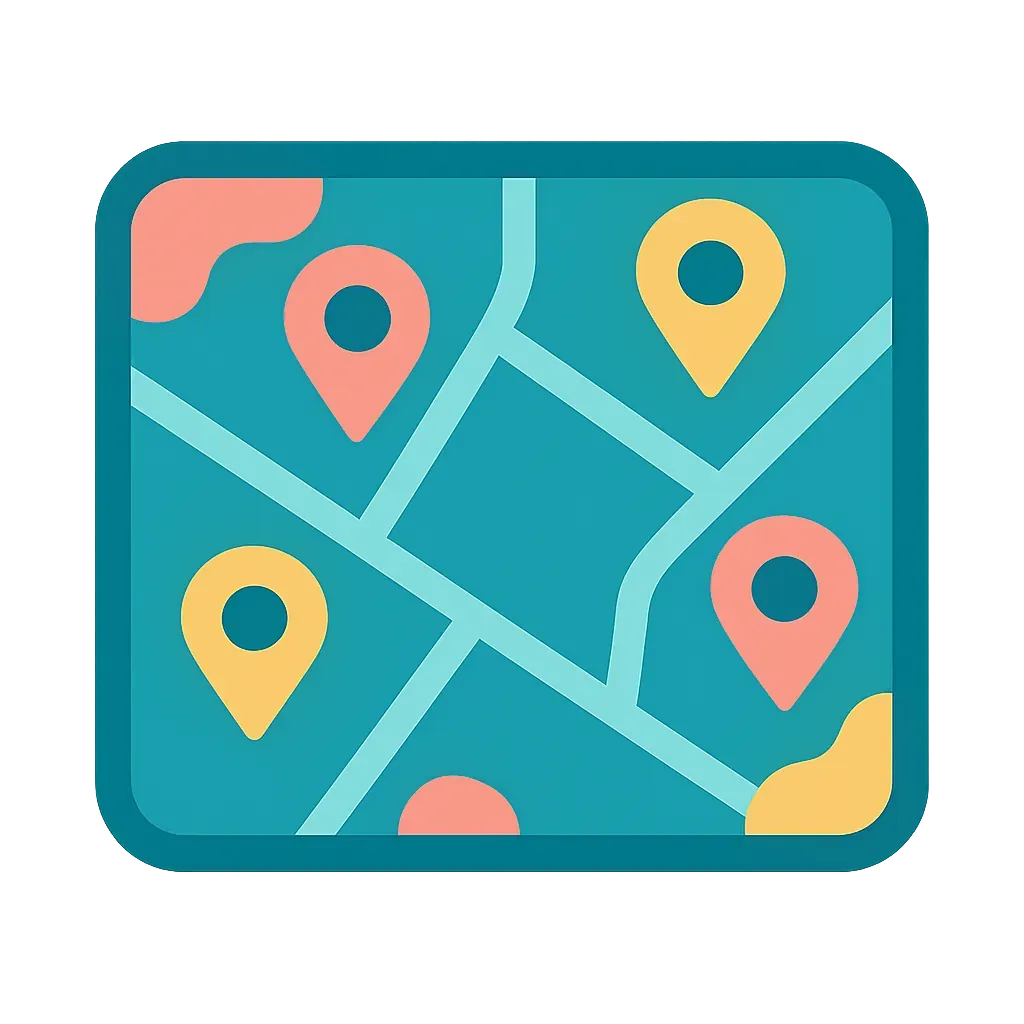
Explore Regions
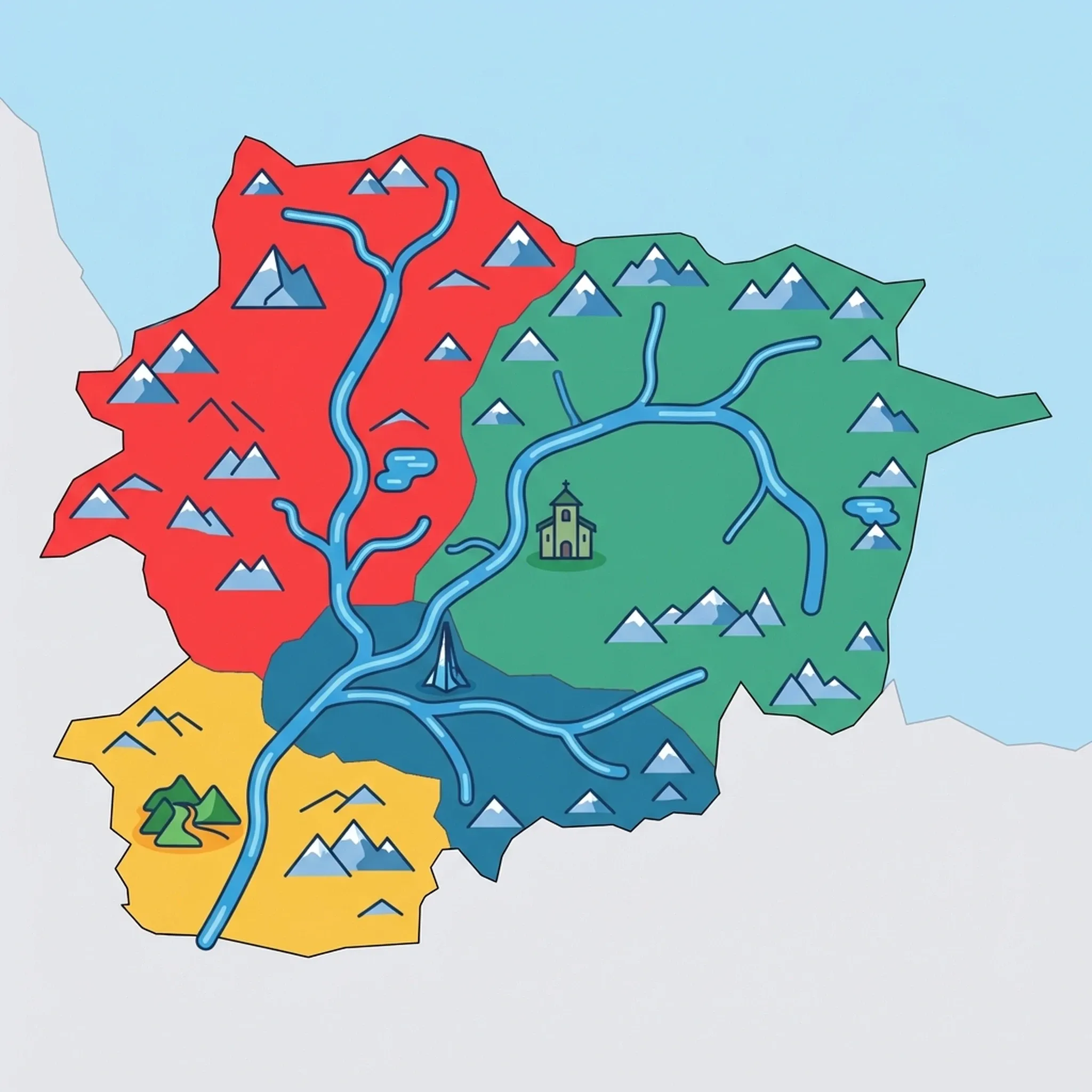
4 Regions
Andorra la Vella & Escaldes — Capital, Shopping & Thermal Spas
Retail therapy meets alpine relaxation in Europe's highest capital 🛍️🧖♀️
Grandvalira: Canillo & Encamp Valleys
Endless slopes and legendary giants in the heart of the Pyrenees ⛷️🏔️
Sant Julià de Lòria & Southern Valleys
Adrenaline rushes and sun-drenched valleys 🎢☀️
Vallnord: La Massana & Ordino Valleys
Untouched peaks and medieval magic 🏰🌲
Click on a region marker to explore details. Use the dropdown to color regions by activity suitability.

Getting There & Around
Getting There
- By Air – Andorra has no airport. The nearest international airports are Barcelona-El Prat (BCN) in Spain (approx. 3 hours away) and Toulouse-Blagnac (TLS) in France (approx. 2.5 hours away). Both offer transfer options to the principality.
- By Bus – Direct bus transfers are the most common public transport method. Services like AndBus and Direct Bus run frequently from Barcelona and Toulouse airports directly to Andorra la Vella & Escaldes.
- By Car – Driving offers the best scenery. Access from France is via the Pas de la Casa tunnel or the Port d'Envalira Scenic Pass (CG-2). Access from Spain is via the quieter N-145 road from La Seu d'Urgell.
- Entry Requirements – Andorra is not in the EU but maintains open borders with France and Spain. However, customs checks are common due to its tax status. Most tourists do not need a visa for stays under 90 days, but you must legally be able to enter the Schengen Area to reach Andorra. Check your government website for the latest visa requirements, or use the IATA Travel Centre entry-requirements checker.
Getting Around
- Car Hire – The most flexible way to explore, especially for reaching trailheads like Estanys de Tristaina. Roads are well-maintained but winding. Winter tires or snow chains are legally mandatory in winter.
- Bus Network – The national bus system (Clipol) is clean, reliable, and connects all parishes including Sant Julià de Lòria & Southern Valleys. Fares are cheap, and frequency is good during the day.
- Ski Buses – In winter, free shuttle buses run frequently between towns and major ski sectors like Grandvalira Ski Resort.
- Walking – Andorra la Vella & Escaldes is compact and best explored on foot, though it is quite hilly away from the main shopping street.

Packing List
Essential for Caldea and hotel spas, even in the depth of winter.
The roads into and around Andorra are extremely winding and can affect children.
The high altitude sun and wind burn lips quickly, even on cloudy days.
Legally required if driving in winter; police fines are instant if you get stuck without them.
The mountain air is very dry and can cause itchy skin and nosebleeds for kids.
Great for spotting vultures, marmots, and chamois in the nature parks.

Activities & Best Times

Adventure & Nature
ExcellentHiking, wildlife, outdoor exploration, ecotourism
Features the UNESCO-listed Madriu-Perafita-Claror Valley and high-altitude glacial landscapes offering exceptional trekking for families. Peak summer months provide the only snow-free window for exploring the highest trails and glacial lakes.
The La Rabassa forest and Naturland provide high-quality immersion in Pyrenean ecosystems, featuring an animal park and the Tobotronc mountain slide. Summer months offer ideal conditions for exploring nature trails, while winter snow restricts deep forest access for typical hiking.
The region features high-altitude glacial lakes and the Comapedrosa Nature Park, offering rugged mountain wilderness for experienced trekking. Peak summer provides the only reliable window for snow-free access to high-altitude trails, while winter conditions make the terrain impassable for non-skiers.

City & Cultural
Very GoodUrban tourism, museums, historical sites, architecture
The valleys preserve exceptional Romanesque architecture and authentic mountain heritage through museums like Casa d'Areny-Plandolit and the church of Sant Climent. Peak periods align with summer tourism and the atmospheric Christmas season when cultural sites are most accessible.
Features authentic Romanesque heritage at Sant Cerni de Nagol and the world-class Tobacco Museum, which reflects the region's unique economic history. Best visited during warmer months for comfortable walking tours through the town's historic quarters and contemporary gardens.
While the region has excellent Romanesque heritage (Meritxell sanctuary), these are small mountain villages. International calibration requires 'very_good' to reflect nationally significant but not internationally outstanding cultural destinations. Good is more appropriate.

Ski & Snow
Very GoodWinter sports, ski resorts, snow activities
Vallnord (Pal-Arinsal + Ordino-Arcalís) offers 93 km of pistes with high-quality alpine skiing and is internationally recognized. Ordino-Arcalís is particularly known for expert terrain. Rating should reflect Andorra's position as a top Pyrenean ski destination.
Grandvalira is one of the largest ski domains in the Pyrenees (210 km pistes), hosts FIS World Cup events, and is internationally recognized. The 'marginal' rating due to 'limited database entries' reflects a data gap, not actual conditions. This should be rated very_good to reflect Andorra's status as a premier Pyrenean ski destination.
Focused primarily on Nordic skiing and family-oriented snow activities at the La Rabassa center rather than alpine skiing. Reliable snow coverage is generally restricted to the core winter months due to the region's lower overall altitude.

Sports & Active
Very GoodSport tourism, fitness activities, active recreation
Boasts one of Europe's premier mountain bike parks and internationally recognized trail running routes. The specific sport infrastructure is fully operational during the summer months, with shoulder months offering cooler weather suitable for active families.
Provides high-quality infrastructure for mountain biking and organized family activities at parks like Mon(t) Magic. The peak window is limited to the warm summer months when activity centers and all high-altitude trails are fully operational.
An internationally recognized destination for road cycling and MTB, with infrastructure supporting professional-level training on famous climbs. The activity season is strictly limited by mountain weather, peaking in the dry summer months.

Educational & Exploratory
GoodLearning experiences, scientific sites, historical education
The notes describe Naturland Animal Park as providing a 'significant discovery experience' which contradicts the marginal rating. If the attraction is significant, the rating should be good.
Specialized centers like Farga Rossell highlight the region's industrial metallurgical past and mountain ecology. Optimal visiting is during the summer months when these facilities offer their full range of guided tours and interactive educational programs.

Road Trips & Scenic
GoodScenic drives, countryside tours, route-based travel
Home to the iconic Coll de la Gallina mountain pass and the southern gateway for the Grand Tour of Andorra. Peak visitation occurs when high-altitude roads are reliably clear of ice and offer maximum visibility for scenic viewing.
The CG-3 and Coll d'Ordino offer spectacular high-mountain driving experiences with world-class Pyrenean vistas. These routes are best experienced from late spring to early autumn when road conditions are clear of snow and visibility is at its peak.
Spectacular high-mountain drives via the Port d'Envalira and Coll d'Ordino offer dramatic vistas and well-maintained alpine roads. These high-altitude routes are best experienced in summer when road conditions are safe and passes are guaranteed to be open.
Theme Park & Entertainment
MarginalAmusement parks, family entertainment venues
Family-oriented aquatic centers and activity hubs offer localized entertainment for visitors already in the region. These facilities are primarily relevant during the peak summer school holiday period when outdoor temperatures are conducive to water-based activities.
Caldea is a world-class thermal leisure complex that serves as a primary draw for families, though it is the only major facility of its kind in the urban center. While its indoor nature allows for year-round operation, it experiences peak international visitation during the school holiday periods.

Public Holidays & Calendar Next 12 months
Public holidays, festivals, cultural celebrations, and seasonal natural phenomena coming up in Andorra over the next 12 months.
Loading holidays and events...
Climate & Weather
Andorra la Vella & Escaldes — Capital, Shopping & Thermal Spas
Show Details
| Month | Temp °C | Rain | Humidity |
|---|
Grandvalira: Canillo & Encamp Valleys
Show Details
| Month | Temp °C | Rain | Humidity |
|---|
Sant Julià de Lòria & Southern Valleys
Show Details
| Month | Temp °C | Rain | Humidity |
|---|
Vallnord: La Massana & Ordino Valleys
Show Details
| Month | Temp °C | Rain | Humidity |
|---|

Travel Advisory
All major global agencies agree that Andorra is a low-risk destination. Standard safety awareness is sufficient for visitors.
Safety Topics
Traveller Advice (4 groups)
Ensure your insurance policy explicitly covers mountain-specific risks like skiing accidents or high-altitude hiking, as standard policies might exclude these activities.

While Andorra is generally accepting, travellers are encouraged to review local social norms and legal protections for sexual and gender minorities.
Research the accessibility of mountain resorts and older urban areas in advance, as the rugged terrain and older infrastructure may present challenges.

Consult general safety guidelines for female travellers, though Andorra is considered very safe with low levels of harassment reported.
Agency Summaries
Most trips to the principality are without incident. Because all travel into Andorra involves passing through France or Spain, British citizens must comply with Schengen border and passport rules. Standard precautions against petty crime are recommended.
Irish citizens do not require a visa for short stays, though the Irish Passport Card is not accepted for entry. It is essential to have comprehensive travel insurance because the European Health Insurance Card (EHIC) is not valid in Andorra.
Andorra is a safe destination where standard travel safety measures are sufficient. There are no airports in the country, meaning entry is only possible via land borders with France or Spain. Travellers should review the entry requirements for these transit countries before departure.
Australian authorities do not maintain a separate, detailed advisory for Andorra due to its low risk and small size, but the general recommendation is to follow standard safety practices. Consular assistance is provided through the Australian Embassy in Spain.
There is no specific travel warning in place for Andorra. New Zealanders are advised to have full medical and travel insurance, particularly for air evacuation, as local medical costs can vary and reciprocal health agreements with Europe often do not apply.
Travellers should maintain standard safety awareness as they would in Canada. While the crime rate is minimal, incidents of pickpocketing or bag snatching can occur in busy areas. Since Andorra is landlocked, visitors must transit through France or Spain and should ensure they have the correct travel documents for the Schengen Area.
Information is provided for general guidance only and does not constitute travel, safety, medical, or legal advice. Conditions may change. Users are responsible for independently verifying information before travel.