
Click a region to explore
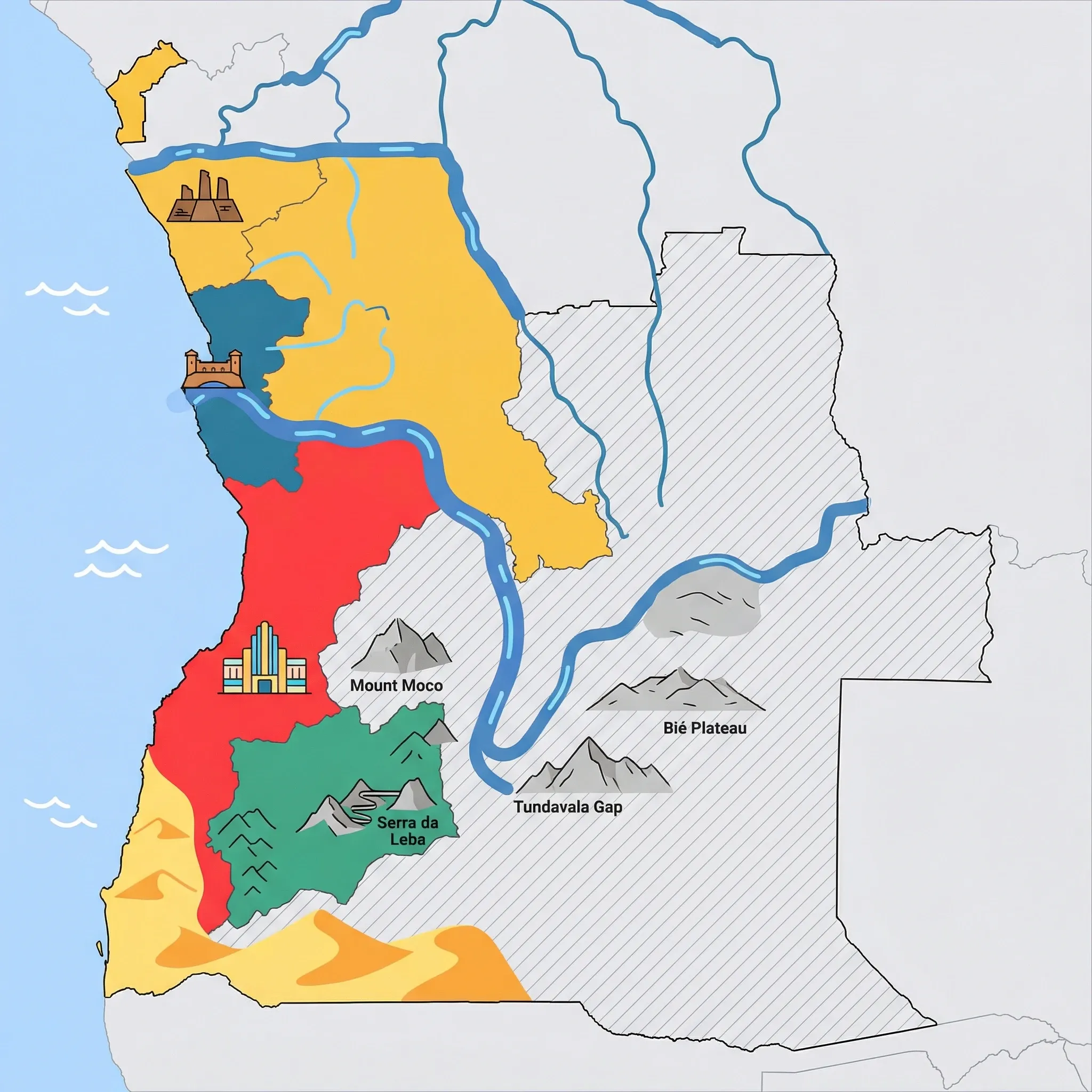
Benguela and its coastal neighbor Lobito offer a refreshing change of pace from the frantic energy of the capital. This region is widely considered the cultural soul of Angola, known for its warm hospitality, preserved colonial architecture, and a coastline that rivals any in West Africa. For families, this is arguably the most accessible and enjoyable part of the country. The vibe here is distinctly laid-back; the traffic is manageable, the streets are cleaner, and the ocean provides a constant, cooling backdrop to your adventures. The twin cities of Benguela and Lobito are connected by a short drive, yet they offer distinct experiences—Benguela feels historic and leafy with its acacia-lined avenues, while Lobito boasts the unique Restinga peninsula, a sandspit filled with restaurants and bars jutting into the Atlantic.
The climate here is generally drier and less humid than in the north, making it easier for children to handle outdoor activities. The region sits where the dry desert south meets the tropical north, creating a unique landscape of baobab trees and stunning coastal cliffs. Families can spend mornings exploring historic railway stations that once connected the coast to the copper belt, and afternoons building sandcastles on wide, golden beaches that are often empty on weekdays. It is a place where the history of trade and transport meets a thriving, modern beach culture.
Key Attractions
The region's history is deeply tied to the transatlantic trade and colonial expansion. A visit to the National Museum of Archaeology in Benguela is essential for older children to understand the layers of history here; housed in a former slave warehouse, it displays artifacts ranging from prehistoric tools to colonial memorabilia. While the subject matter can be heavy, it is a crucial educational stop. Beyond the museum, the city of Lobito is an open-air museum in itself. A walk along the Restinga peninsula showcases incredible Art Deco architecture and old Portuguese buildings that look like they've been frozen in time.
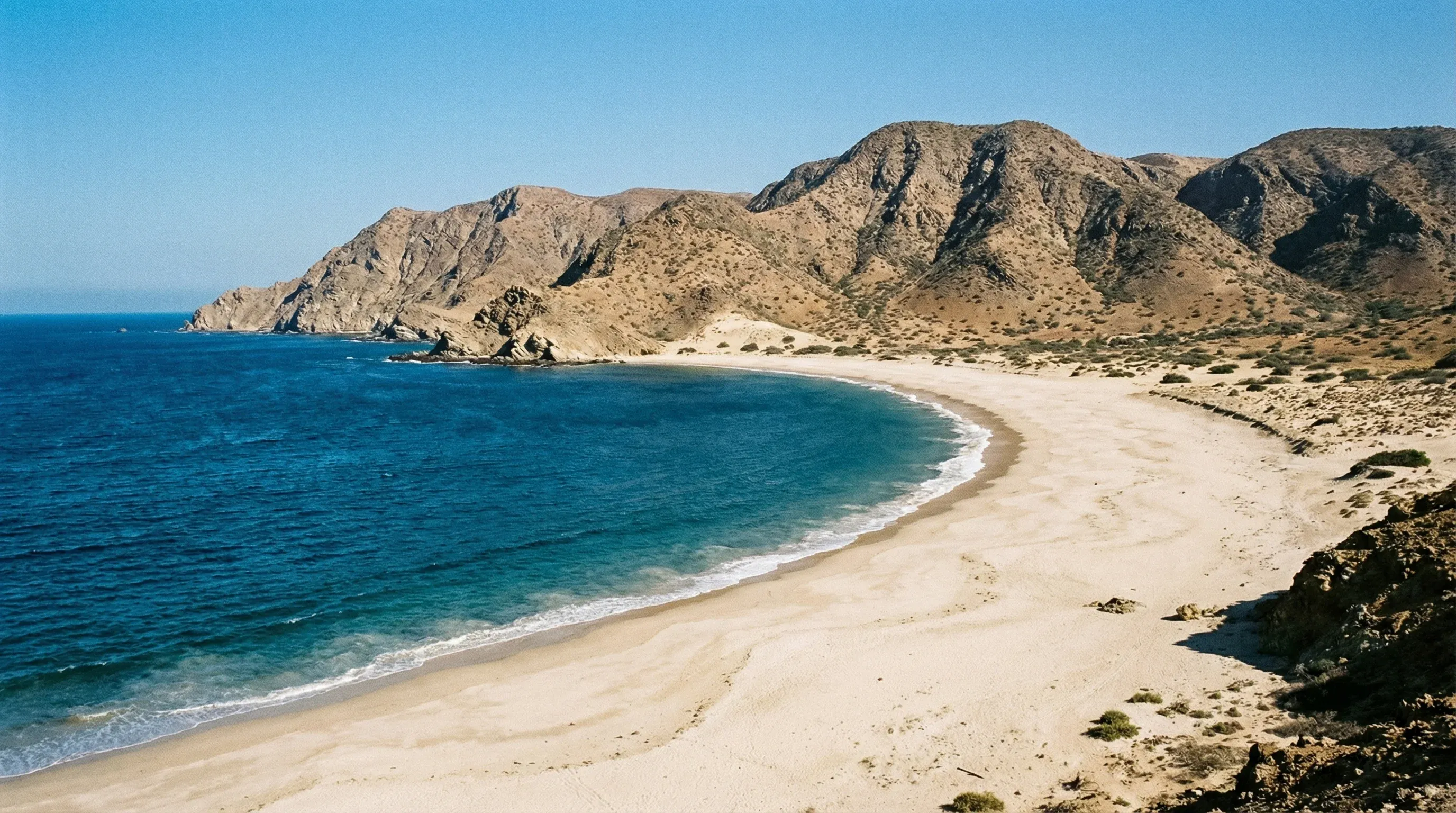
Nature is the other great draw. Just south of Benguela lies Baía Azul (Blue Bay), a spectacular sweeping curve of sand with water that lives up to its name. Unlike the rough Atlantic surf found elsewhere, the bay often has gentle waves perfect for swimming with younger kids. For a day trip, families can drive towards Baía Farta to see the fishing fleets bring in the day's catch—a colorful, chaotic spectacle that fascinates children—or head inland to see the stark beauty of the arid landscape dotted with massive baobab trees.
Practical Advice
The best time to visit is during the cacimbo (dry season) from May to September, when temperatures are pleasant (around 24°C/75°F) rather than sweltering. Malaria is present, so prophylaxis and insect repellent are non-negotiable for all family members. The region is safer than Luanda, but standard precautions apply: avoid walking in unlit areas at night and keep valuables hidden.
Food & Drink
Typical meal times: Lunch is typically served from 12:30 pm to 3:00 pm, and dinner is a late affair, usually from 7:30 pm to 10:00 pm.
Typical meal costs: A meal at a good beachside restaurant costs around 13,000–22,000 AOA (approx. $15–25 USD / €14–23 EUR) per person. Local spots are cheaper.
Dietary requirements: Seafood is the staple here. Vegetarians will find options like salads, omelets, and funge with beans, but vegan options are limited in standard restaurants. Gluten-free diners should stick to grilled fish and rice.
Signature dishes:
- Mufete – Originally from Luanda but perfected along the coast, this is grilled fish (often Tilapia or Horse Mackerel) served with beans in palm oil, boiled plantain, sweet potato, and cassava flour.
- Calulu de Peixe – A rich stew made with dried and fresh fish, okra, sweet potato leaves, and palm oil.
- Lobster (Lagosta) – Benguela is famous for its shellfish; grilled fresh lobster is significantly cheaper here than in Europe or the US.
Why this score?
The region offers moderate outdoor appeal with accessible coastal drives and swimming, but lacks the high-intensity ruggedness of the interior. Families will find the terrain manageable, though the lack of structured tourism services adds a layer of self-reliance to the experience.
Why this score?
Benguela and Lobito have basic provincial hospitals, but they are not equipped for complex emergencies or international medical standards. English-speaking staff are rare, and most serious cases would require transport to the capital or medical evacuation abroad.
Why this score?
While a popular domestic getaway for Angolans and the Portuguese diaspora, Benguela sees very few international leisure travelers compared to global coastal hubs. The region offers beautiful beaches like Baía Azul and Art Deco architecture in Lobito, but remains an emerging niche destination with limited international marketing.

While cheaper than the capital, Benguela is not a budget destination by international standards. A comfortable family room in a hotel or guesthouse costs between 70,000–135,000 AOA (approx. $75–150 USD / €70–140 EUR) per night. Fresh seafood is good value, with a full lobster meal costing around 25,000–35,000 AOA (approx. $28–39 USD / €26–36 EUR).

Getting Here & Around
Getting Here
- Airports – Catumbela International Airport (CBT) serves both Benguela and Lobito. It receives daily domestic flights from Luanda (approx. 45-60 minutes) via TAAG Angola Airlines.
- Train – The historic Benguela Railway (CFB) runs from the interior (Luau) to the coast, but for tourists, it is mostly a point of historical interest rather than a practical arrival method from Luanda.
- Driving – The drive from Luanda takes 7–9 hours (approx. 500km) on the EN100. While the road offers coastal views, conditions vary, and it is recommended only for experienced drivers with a 4x4.
Getting Around
- Car – Renting a car with a driver is the most stress-free option for families. Self-driving is possible but signage is poor. A driver for the day costs around 45,000–90,000 AOA (approx. $50–100 USD / €45–90 EUR).
- Taxi – Private taxi apps (like Heetch or Yango) operate in some urban areas, but arranging a trusted driver through your hotel is safer for families.
- Public Transport – Blue and white vans known as candongueiros are ubiquitous and cheap, but they are often overcrowded, driven aggressively, and not recommended for families with young children or luggage.
Nearby Airports (3 airports)
Catumbela Airport
CBTCatumbela
Namibe Airport
MSZNamibe
Dr Antonio Agostinho Neto Airport
NBJLuanda
View full flight map for Angola →
Official Links

Packing List
Some beautiful beaches have rocky entries or sea urchins near the rocks.
English is rarely spoken outside top hotels; essential for ordering food.
To keep water cold during day trips to Baía Azul where shops are limited.
The sun is extremely strong near the equator; high SPF alone often isn't enough.
ATMs often fail with foreign cards; bills must be issued after 2013 and unblemished to be accepted.
Mandatory for entry; you will be checked at the airport health control before immigration.
Bathtubs and sinks in hotels frequently lack stoppers.
Power outages can occur; street lighting is inconsistent in some areas.

Activities & Best Times

Urban tourism, museums, historical sites, architecture
Lobito’s exceptional Art Deco architecture and Benguela’s colonial heritage offer a sophisticated urban experience. The dry 'cacimbo' season provides the most pleasant walking conditions for exploring historical museums and vibrant coastal markets.

Hiking, wildlife, outdoor exploration, ecotourism
The Chimalavera Special Reserve and rugged coastal trails like Sombreiro Hill offer unique desert-meets-ocean ecosystems. Best visited during the dry winter to ensure trail accessibility and comfortable temperatures for wildlife viewing and exploration.

Beach resorts, marine activities: diving, snorkelling, kite surfing, wind surfing, sailing
Iconic destinations like Baía Azul and the Restinga Peninsula offer pristine Atlantic waters and high-quality coastal relaxation. Peak months provide the warmest temperatures and clearest skies before the heavy tropical rains and coastal mist of the winter season.

Scenic drives, countryside tours, route-based travel
Celebrated coastal drives like the corridor from Lobito to Baía Farta offer dramatic Atlantic vistas and reliable paved routes. The dry season ensures the best visibility and safe driving conditions for families exploring the scenic shoreline.

Sport tourism, fitness activities, active recreation
Specialized hiking and cycling routes such as the Caotinha Trail provide structured infrastructure for active families. Cooler winter months are essential for high physical exertion given the region's tropical latitude and intense humidity in other seasons.

Learning experiences, scientific sites, historical education
The Benguela Railway Museum serves as an internationally significant industrial heritage site in Lobito. While a niche interest, it provides authentic historical context for the region, ideally visited during the drier tourism peak.




Public Holidays & Calendar Next 12 months
Public holidays, festivals, cultural celebrations, and seasonal natural phenomena coming up in Benguela & Coast over the next 12 months.
Loading holidays and events...

Travel Advisory
All major agencies recommend exercising a high degree of caution or increased vigilance due to high crime rates and regional security threats. While travel is generally permitted, specific provinces are under stricter warnings.
Safety Topics
Traveller Advice (4 groups)

Personnel working in diamond-producing regions or border zones should maintain strict security protocols due to the risk of being targeted by separatist militants or banditry.

Visitors should stay alert in urban areas, avoid walking alone after dark, and keep valuables out of sight to minimize the risk of being targeted by criminals.

Solo female travel is discouraged at night. It is recommended to dress conservatively to align with local cultural expectations.

While legal protections exist, social views are conservative; travelers should be discreet as public displays of affection may be met with hostility.
Agency Summaries
Travelers should maintain a heightened state of awareness due to widespread criminal activity and the persistent danger posed by landmines in specific regions.
While general travel is possible, visiting the Cabinda province or areas near the DRC border is discouraged due to regional insecurity and the threat of separatist groups.
Visitors are advised to practice significant safety precautions as the security environment presents higher risks than those typically found in Ireland.
Safety concerns regarding violent crime and civil unrest require travelers to be more vigilant than usual, with specific avoid-travel warnings for several provinces.
An elevated level of caution is necessary throughout the country owing to risks of violent street crime and frequent public protests.
Heightened vigilance is recommended because of common violent crimes, potential for civil disturbances, and medical infrastructure challenges.
Information is provided for general guidance only and does not constitute travel, safety, medical, or legal advice. Conditions may change. Users are responsible for independently verifying information before travel.