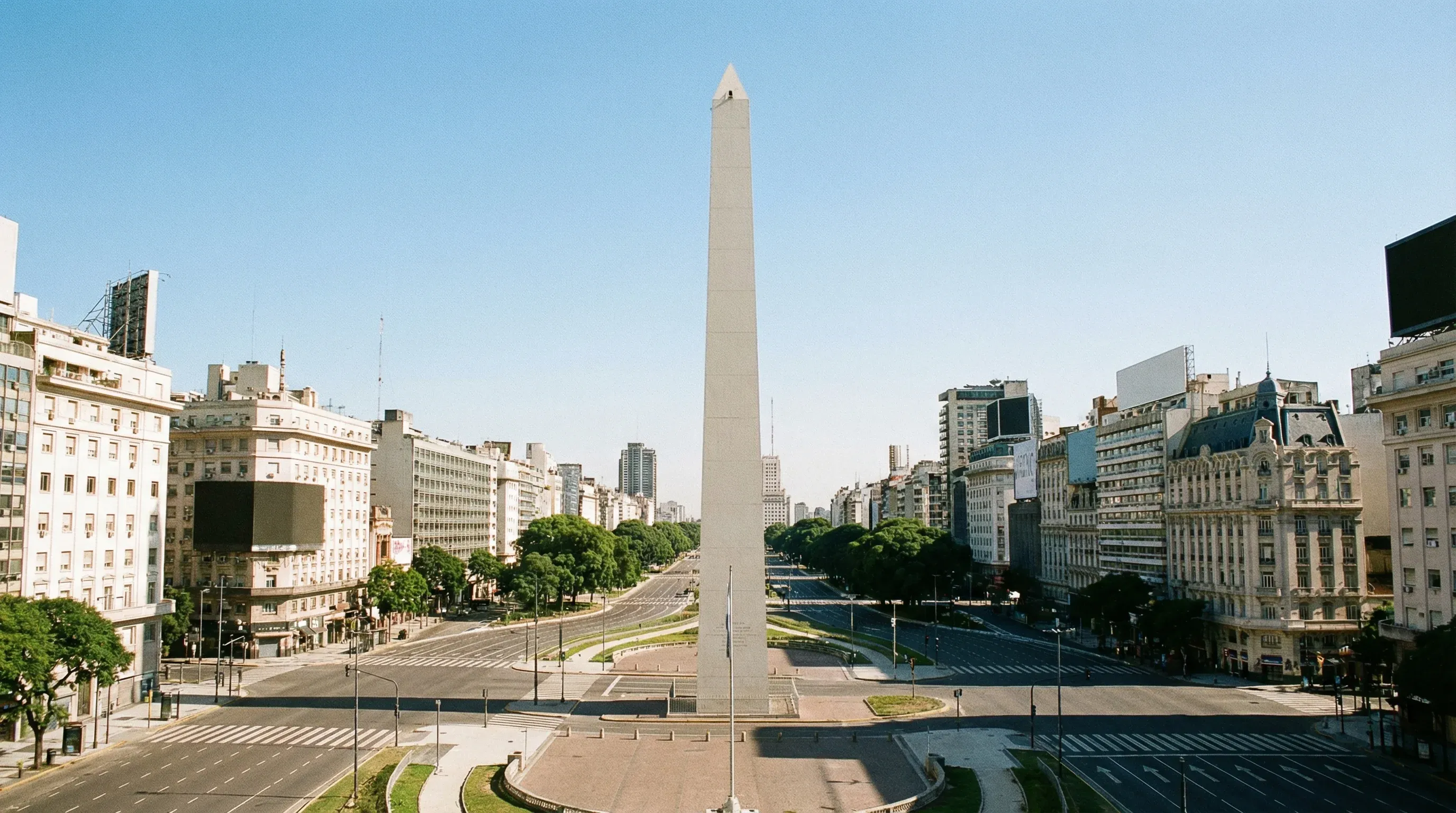

Buenos Aires & Río de la Plata
Tango rhythms, grand boulevards, and river adventures 🏙️🌿
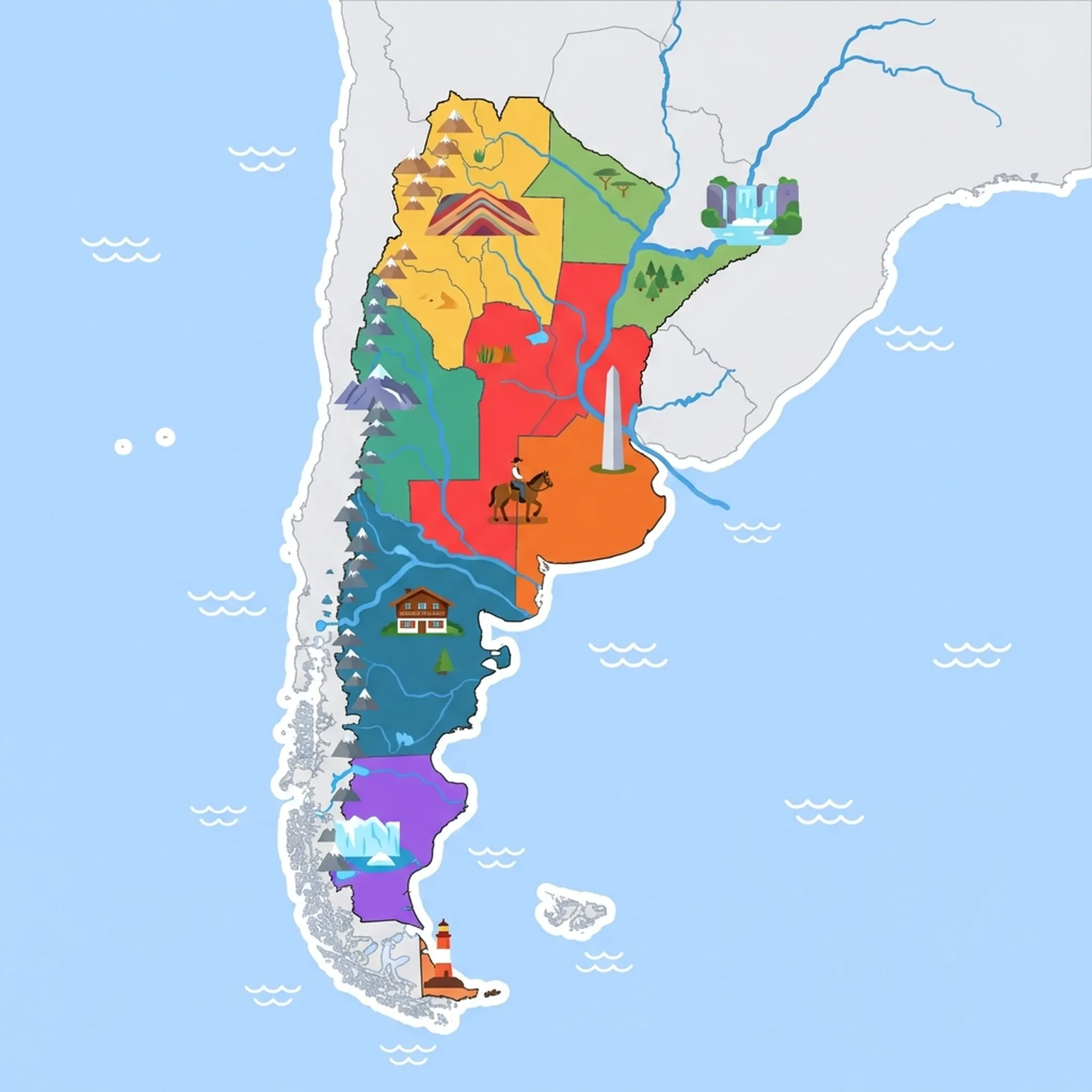
Click a region to explore
Overview
Buenos Aires and the surrounding Río de la Plata region offer an electrifying introduction to Argentina, blending the architectural grandeur of Europe with a distinctly Latin American passion. For families, this metropolis is surprisingly accessible and green, filled with expansive parks, interactive museums, and a culture that adores children. The city itself feels like a collection of villages; from the cobbled, history-steeped streets of San Telmo to the modern, glistening waterfront of Puerto Madero, there is a constant shift in atmosphere that keeps young explorers engaged. Beyond the urban core, the geography shifts dramatically to the Paraná Delta in Tigre, a water-world of islands and canals where cars are replaced by mahogany boats, offering a jungle-like adventure just an hour from the city center.
The climate here is temperate, with hot, humid summers and mild winters, making it a year-round destination. However, the shoulder seasons of spring (September to November) and autumn (March to May) are particularly magical, as the city turns purple with jacaranda blossoms or golden with falling leaves. The cultural heartbeat of the region is undeniable; families will find street performers dancing tango, markets bursting with handmade crafts, and glorious bookstores converted from old theatres. It is a place where late-night dining is the norm, and children are welcomed in restaurants until well past midnight, reflecting a society that places family unity at the center of daily life.
Key Attractions
The region is packed with world-class attractions tailored to young minds. A definite highlight is the Galileo Galilei Planetarium, located in the Palermo woods; its spaceship-like architecture fascinates kids even before they see the star shows inside. Nearby, the Jardín Botánico Carlos Thays offers a peaceful respite with thousands of plant species and dedicated walking paths that feel miles away from the city noise. For a full day out, families often head to the Bioparque Temaikèn, a vast biopark that prioritizes conservation and allows children to walk through aviaries and observe aquatic life in a 360-degree aquarium.
History comes alive at the Caminito in La Boca, where the brightly painted corrugated iron houses and tango dancers on the street create a living museum environment. It is visually stimulating and perfect for family photos. In the city center, the pink-hued Casa Rosada dominates the Plaza de Mayo and offers guided tours that explain the country's complex political history in an accessible way. For a change of pace, a trip to the Paraná Delta in Tigre is essential; taking a catamaran or private boat through the coffee-colored waterways offers a glimpse of a unique river lifestyle that contrasts sharply with the capital's bustle.
Practical Advice
Public transport is extensive but requires a "SUBE" card, which can be shared by the whole family. The subway (Subte) is the fastest way to move around, but buses (colectivos) cover the entire city 24/7. While the city is generally safe, be vigilant with phones and bags in crowded tourist hubs like La Boca and Retiro. Sidewalks can be uneven, so a sturdy stroller is better than a lightweight umbrella one. Establishments often have "menu ejecutivo" lunch deals which are great value.
Food & Drink
Typical meal times: Lunch is typically served from 12:30 pm to 3:00 pm. Dinner is a late affair, rarely starting before 8:30 pm, with many families dining at 9:30 pm or 10:00 pm.
Typical meal costs: A mid-range family meal costs roughly ARS 35,000–60,000 (approx. $35–60 USD / €32–55 EUR), though inflation makes prices volatile. Street food is much cheaper.
Dietary requirements: Vegetarian options are increasingly common, especially pasta and salads. Gluten-free (sin TACC) awareness is high, with mandated logos on supermarket products and dedicated menus in many modern restaurants.
Signature dishes:
- Milanesa a la Napolitana – A breaded beef or chicken cutlet topped with ham, tomato sauce, and melted mozzarella, usually served with chips.
- Pizza Fugazzeta – A thick-crust Argentine pizza topped with onions and oozing with cheese, but no tomato sauce.
- Alfajores – Cookie sandwiches filled with dulce de leche and coated in chocolate or meringue; a staple snack for children.
- Fainá – A chickpea flour pancake often ordered to sit on top of a slice of pizza.
Why this score?
This is a highly developed urban and suburban region where the main activities involve city walks, dining, and organized boat tours. While the Paraná Delta offers some mild kayaking and nature walks, the infrastructure is robust and designed for maximum comfort and accessibility.
Why this score?
Buenos Aires is home to the country's best private hospitals and specialized clinics, many of which meet international standards and cater to medical tourists. English-speaking staff and high-quality emergency services are readily available throughout the metropolitan area.
Why this score?
As the primary international gateway, the city hosts millions of foreign visitors who come for its world-renowned tango culture, European-style architecture, and the nearby Tigre Delta. It is a major global hub with a high density of hotels and attractions, consistently ranking as one of South America's most visited urban destinations.

While inflation is high, the exchange rate often favors foreign tourists using foreign currency. A nice hotel in Palermo may cost ARS 90,000–150,000 (approx. $90–150 USD / €85–140 EUR) per night. Public transport is incredibly cheap, often costing pennies in dollar terms. A steak dinner with wine is excellent value, often around ARS 20,000–30,000 (approx. $20–30 USD / €18–28 EUR) per person.
Family Travel Notice
Children who are residents or have stayed in the country for a long period may require specific written parental authorization to depart the country. It is important to verify current documentation requirements for minors before travel.

Getting Here & Around
Getting Here
- Airports – Ministro Pistarini International Airport (EZE) handles most long-haul flights, while Aeroparque Jorge Newbery (AEP) is convenient for domestic and regional connections, located right in the city near the Galileo Galilei Planetarium.
- Ferry – High-speed ferries connect Buenos Aires to Montevideo and Colonia in Uruguay, arriving at the Puerto Madero terminal.
- Bus – The Retiro Bus Terminal is the massive hub for long-distance coaches arriving from all over Argentina and neighboring countries.
Getting Around
- Public Transport – The Subte (underground) is efficient and safe during the day. Buses (Colectivos) are ubiquitous; you must use a SUBE card for payment.
- Taxi/Rideshare – Radio taxis (black and yellow) are plentiful. Apps like Uber and Cabify are widely used and recommended for tourists to avoid language barriers and payment hassles.
- Train – Commuter trains run to the northern suburbs and the Paraná Delta (Tigre) from Retiro station, offering a cheap and scenic route.
Nearby Airports (4 airports)
Aeroparque Jorge Newbery
AEPBuenos Aires
Comandante Espora
BHIBahia Blanca
Ministro Pistarini International Airport
EZEBuenos Aires
Mar Del Plata
MDQMar Del Plata
View full flight map for Argentina →
Official Links

Packing List
Argentina uses the angled Type I plug (like Australia), which is uncommon in the Americas/Europe.
Essential for evenings and absolutely critical if visiting the Delta or parks in summer.
Sidewalks often have loose tiles ('baldosas flojas') that splash water when stepped on.
Pickpocketing is common in busy transport hubs; secure bags are a must.
Argentina uses angled flat-pin plugs (same as Australia/China), which is unusual for the Americas.
The ozone layer is thinner over the southern hemisphere; UV radiation in Patagonia is surprisingly intense.
The strong, dry winds in Patagonia can cause rapid chapping and windburn, even in summer.
Crisp, clean $50/$100 notes often yield better exchange rates than smaller bills or cards in some establishments.
Essential for children on long-distance buses and winding mountain roads in the Andes.

Activities & Best Times

Urban tourism, museums, historical sites, architecture
Buenos Aires is a premier global cultural hub featuring world-class architecture, historic theaters like Teatro Colón, and prestigious art museums like MALBA. Peak visitation occurs during spring and autumn to avoid oppressive summer humidity and enjoy the city's vibrant street life and blooming jacarandas.

Hiking, wildlife, outdoor exploration, ecotourism
The region offers high-quality wildlife encounters at Bioparque Temaikèn and unique delta ecosystems in Tigre, perfect for discerning families. Optimal conditions occur in the transition seasons when temperatures are mild enough for exploring river reserves and eco-parks.

Learning experiences, scientific sites, historical education
The La Plata Museum is a world-renowned natural history institution of significant scientific importance, complemented by the city's planetarium. These facilities are best visited during the academic year, excluding the hot summer months when many research-led programs are on hiatus.

Events, celebrations, seasonal attractions
The internationally acclaimed Tango Festival and World Cup in August attract significant international visitors. 'Marginal' undervalues this major cultural event that is a primary draw for cultural tourists.

Sport tourism, fitness activities, active recreation
Purpose-built facilities like Euca Tigre and the cycling circuits of Costanera Sur cater to active families seeking structured recreation. Peak seasons align with the international polo calendar and dry, mild weather suitable for outdoor adventure parks.

Beach resorts, marine activities: diving, snorkelling, kite surfing, wind surfing, sailing
While riverfront recreation areas exist along the estuary, the silty water and lack of true oceanic conditions make this a marginal choice for international beach seekers. Activity is strictly limited to the height of summer when residents seek relief from the urban heat.

Scenic drives, countryside tours, route-based travel
Scenic drives along the Avenida del Libertador and coastal routes provide pleasant sightseeing, though they lack the dramatic scale of world-class touring roads. These drives are most enjoyable when visibility is clear and the riverfront scenery is at its most lush.

Amusement parks, family entertainment venues
Venues like Parque de la Costa and Aquafan serve primarily domestic tourists and are not standalone international draws, though they provide regional entertainment. These parks are highly seasonal, with water-based attractions operating exclusively during the warm summer months.

Attractions (26 total)



Public Holidays & Calendar Next 12 months
Public holidays, festivals, cultural celebrations, and seasonal natural phenomena coming up in Buenos Aires & Río de la Plata over the next 12 months.
Loading holidays and events...

Travel Advisory
Argentina is generally safe for tourists with safety conditions similar to other stable Western nations. Travelers should follow standard personal security protocols, particularly in large urban centers.
Safety Topics
Traveller Advice (3 groups)

While generally welcoming, travelers are encouraged to review specific guidance on local attitudes and legal protections for sexual and gender minorities.

Children who are residents or have stayed in the country for a long period may require specific written parental authorization to depart the country. It is important to verify current documentation requirements for minors before travel.

Travelers visiting high-altitude regions in the Andes or remote areas of Patagonia should be prepared for altitude sickness and extreme weather conditions that can change rapidly.
Agency Summaries
While general safety precautions are sufficient for most of the country, travelers should be more vigilant in Buenos Aires and Rosario due to higher rates of crime. Particular attention should be paid to taxi scams at airports.
The country is considered safe for standard travel, though increased vigilance is recommended in the city of Rosario due to local crime and narcotics-related violence.
The safety environment is comparable to New Zealand, with the exception of Rosario where crime rates are higher. Travelers are advised to avoid public demonstrations.
General safety levels are high, but visitors should be aware of health risks like Dengue and Zika in the north and the potential for land border closures during winter months.
Most visits are trouble-free, but travelers are warned of frequent political protests in major cities and the risk of petty crime in tourist areas.
Tourism is generally safe, but travelers should monitor local news for demonstrations which occur regularly following recent political changes.
Information is provided for general guidance only and does not constitute travel, safety, medical, or legal advice. Conditions may change. Users are responsible for independently verifying information before travel.