
Pampas & Central Plains
Cowboys, endless grasslands, and traditional ranch life 🐎🌾🥩
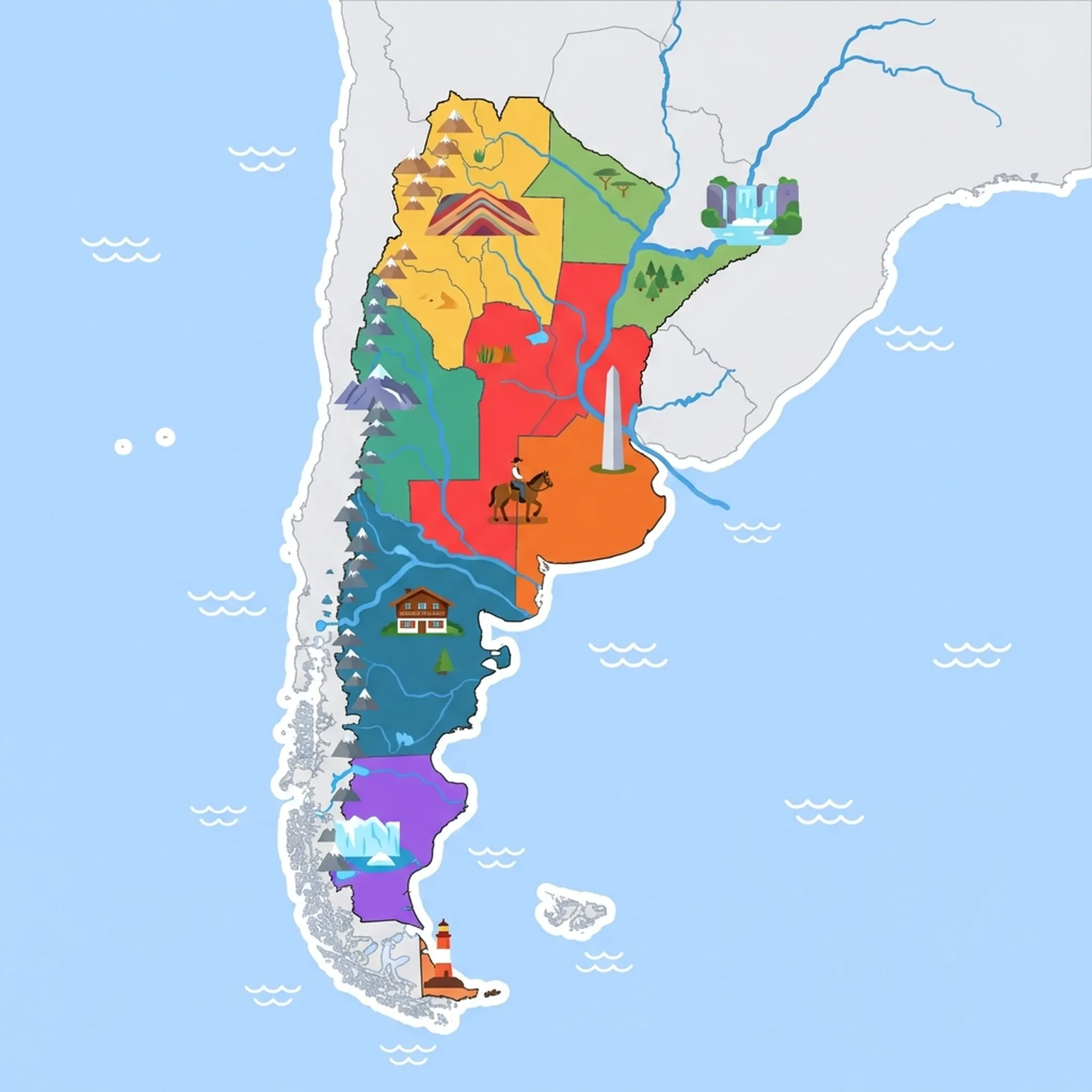
Click a region to explore
Overview
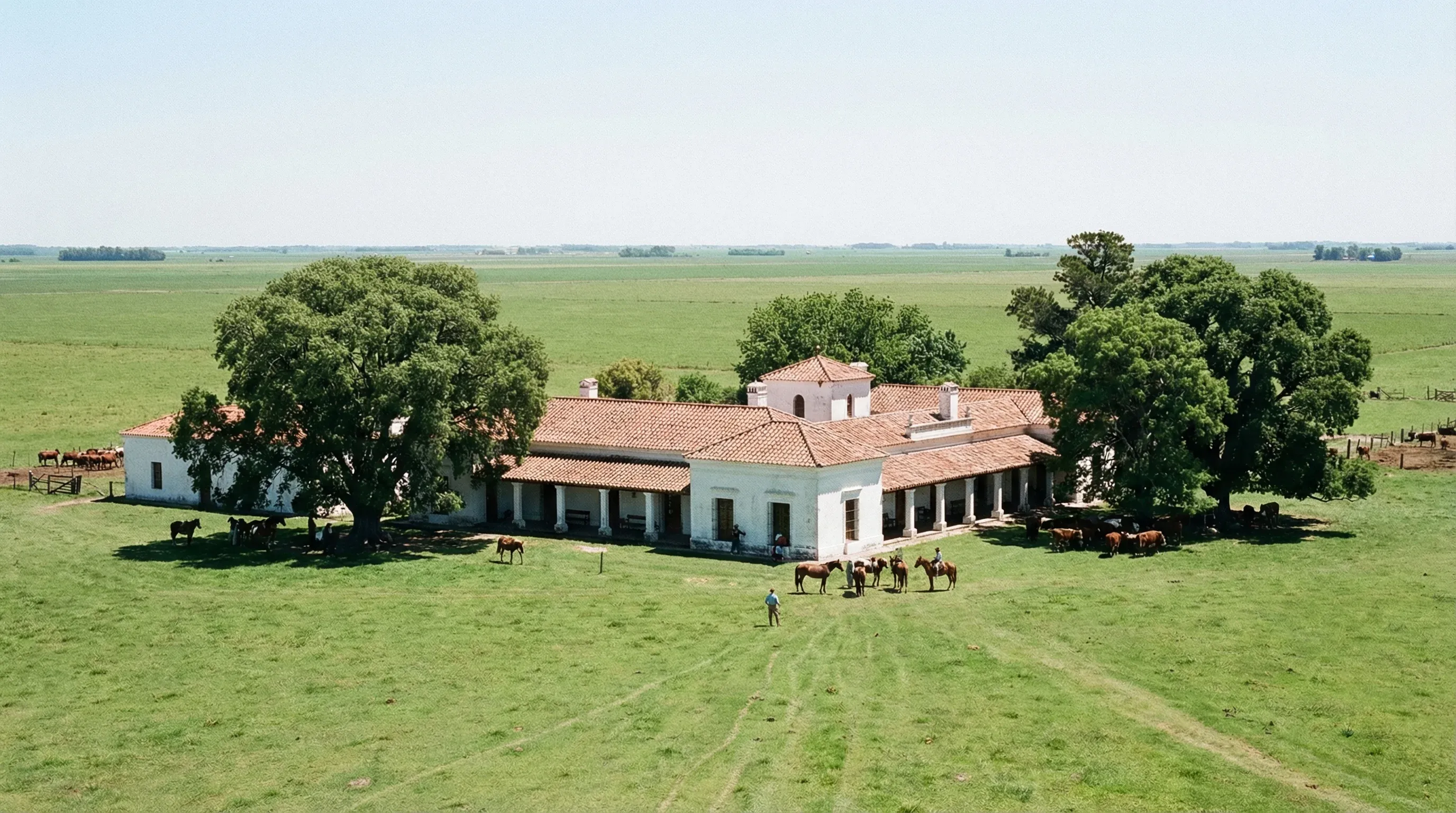
The Pampas are the mythic heart of Argentina—a flat, fertile ocean of grass that stretches for hundreds of miles. This is the land of the gaucho (cowboy), where cattle roam and the horizon seems infinite. For families, the Pampas offer a chance to engage with the country's rural roots. It is an accessible region, wrapping around the capital, making it perfect for day trips or weekend getaways. The vibe is rustic and hospitable; "Estancias" (ranches) open their doors to visitors for days filled with horseback riding, folk dancing, and the ritual of the "asado" (barbecue). It is a brilliant antidote to the city's noise, where children can run freely in open fields and interact with farm animals.
Beyond the farms, the region includes the Atlantic Coast, where Argentine families flock in summer for beach holidays, and the city of La Plata, a planned city with impressive architecture and green spaces. The climate is temperate, with four distinct seasons. Spring and autumn are ideal for ranch visits, avoiding the sticky heat of high summer. This region is less about dramatic scenery (no mountains or waterfalls here) and more about culture, food, and the peaceful grandeur of the plains.
Key Attractions
For a quintessential Argentine experience, a visit to a ranch like Estancia Santa Susana or those in San Antonio de Areco is a must. These places are set up for tourism, offering ring-lacing shows (gaucho skills on horseback), carriage rides, and folk music that captivates all ages. In the city of La Plata, the Museum of La Plata is a world-class natural history museum famous for its collection of dinosaur skeletons and megafauna (giant sloths and armadillos) that once roamed these very plains—a guaranteed hit for kids.
Nearby, the Catedral de la Plata is an architectural marvel; you can take an elevator up the tower for views over the perfectly geometric city. On the coast, Mundo Marino in San Clemente del Tuyú is the largest oceanarium in South America, offering shows with orcas and dolphins, and rehabilitation centers for penguins and turtles. Further inland, the ruins of Laguna Epecuén—a town submerged by a flood and now re-emerged as a ghostly, salt-crusted ruin—offer a surreal and eerie history lesson for older children.
Practical Advice
If renting a car to drive across the Pampas, be aware that the roads are long, straight, and can induce drowsiness. Distances are deceptive. Summer (Jan-Feb) is peak season for the coast; book accommodation months in advance. Estancia days usually need to be booked ahead. This is the most "traditional" part of the country, so expect a lot of meat—vegetarians should notify hosts in advance.
Food & Drink
Typical meal times: Standard Argentine times: Lunch 12:30 pm–2:30 pm, Dinner 9:00 pm onwards. Country towns may shut down completely during siesta (1:00 pm–5:00 pm).
Typical meal costs: Estancia "Dia de Campo" (Day trip) often includes all-you-can-eat food and activities for around ARS 60,000–100,000 (approx. $60–100 USD / €55–90 EUR) per person. Regular dining is mid-range.
Dietary requirements: This is beef country. While salads are served with asado, main courses are overwhelmingly meat-based. Gluten-free awareness is growing in towns but less so in deep rural areas.
Signature dishes:
- Asado – The holy grail of Argentine food. Beef ribs, flank steak, and sausages cooked slowly over wood coals.
- Provoleta – A thick slice of provolone cheese grilled until crispy on the outside and gooey inside.
- Salamines – The town of Mercedes is famous for these cured salami sausages, often eaten as a starter (picada).
- Pastelitos – Fried puff pastry pockets filled with quince or sweet potato jelly, a traditional ranch dessert.
Why this score?
The terrain consists of vast, flat grassy plains and developed coastal strips, offering very little in the way of rugged adventure. Most activities, such as horseback riding on ranches or visiting beaches, are relaxing and highly structured for families.
Why this score?
Major coastal cities like Mar del Plata and provincial centers like La Plata have reliable medical infrastructure and large hospitals. While not a world-class medical hub, it is well-equipped to handle the high volume of domestic vacationers.
Why this score?
This region is the heartland of domestic tourism, particularly the massive Atlantic beach resorts like Mar del Plata. While international tourists visit traditional estancias for a gaucho experience, the area is primarily geared toward the local Argentine market.

Costs vary. A full 'Dia de Campo' (Ranch Day) is a splurge but includes everything (food, riding, shows). Coastal towns in summer have inflated prices, but off-season they are very cheap. A mid-range hotel in La Plata or Córdoba might cost ARS 50,000–80,000 (approx. $50–80 USD / €45–75 EUR).
Family Travel Notice
Children who are residents or have stayed in the country for a long period may require specific written parental authorization to depart the country. It is important to verify current documentation requirements for minors before travel.

Getting Here & Around
Getting Here
- Driving – The primary way to explore. La Plata is just 1 hour from Buenos Aires via highway. The Atlantic coast is 4-5 hours via Route 2.
- Train – The Roca line connects Buenos Aires (Constitución) to La Plata in about 1 hour and is very cheap. Trains also run to Mar del Plata.
- Bus – Frequent services connect all major towns. San Antonio de Areco is easily reached by bus from Retiro terminal.
Getting Around
- Car – Essential for reaching rural Estancias or exploring the Camino de las Altas Cumbres in Córdoba.
- Bus – Local buses (colectivos) operate in towns like La Plata and Mar del Plata.
- Taxi/Remis – Useful for short hops within towns, but too expensive for inter-city travel.
Nearby Airports (6 airports)
Ambrosio L V Taravella
CORCordoba
General Urquiza
PRAParana
Rio Cuarto Area De Material
RCURio Cuarto
Rosario
ROSRosario
Santa Rosa
RSASanta Rosa
Sauce Viejo
SFNSanta Fe
View full flight map for Argentina →
Official Links

Packing List
The grassy plains are home to many mosquitoes and horseflies in summer.
Essential for comfortable horseback riding to prevent chafing.
There is very little shade on the open plains (Pampas).
High pollen counts and dust from agriculture can trigger hay fever.
Argentina uses angled flat-pin plugs (same as Australia/China), which is unusual for the Americas.
The ozone layer is thinner over the southern hemisphere; UV radiation in Patagonia is surprisingly intense.
The strong, dry winds in Patagonia can cause rapid chapping and windburn, even in summer.
Crisp, clean $50/$100 notes often yield better exchange rates than smaller bills or cards in some establishments.
Essential for children on long-distance buses and winding mountain roads in the Andes.

Activities & Best Times

Hiking, wildlife, outdoor exploration, ecotourism
Authentic estancia experiences allow families to immerse themselves in gaucho culture and the vast grassland ecosystems, complemented by hiking in the Sierra de la Ventana. Spring and autumn offer the most comfortable temperatures for outdoor exploration, while winter can be biting and summer occasionally too humid.

Urban tourism, museums, historical sites, architecture
Features UNESCO-listed Jesuit heritage in Córdoba and the unique belle époque architecture of Mar del Plata and Tigre. Mild transitional seasons are ideal for walking tours, whereas January heat and July dampness often detract from the urban experience.

Learning experiences, scientific sites, historical education
The Museum of La Plata is a world-class natural history institution, and Mundo Marino offers significant marine biological engagement. These facilities provide year-round learning, though the peak travel windows align with school terms and pleasant weather for the associated outdoor grounds.

Sport tourism, fitness activities, active recreation
Excellent infrastructure for trekking in the Sierras and world-class equestrian facilities for polo across the Pampas plains. Peak activity follows the temperate seasons when trail conditions are optimal and the prestigious polo season is in full swing.

Beach resorts, marine activities: diving, snorkelling, kite surfing, wind surfing, sailing
The Atlantic coast features established resorts like Mar del Plata and wilder dune reserves at Faro Querandí, though water temperatures are cooler than tropical benchmarks. Peak summer months (Dec-Feb) offer the best swimming conditions, while winter is unsuitable for beach recreation due to cold southerly winds.

Events, celebrations, seasonal attractions
The Fiesta de la Tradición in San Antonio de Areco and the National Beer Festival in Villa General Belgrano are high-quality, authentic cultural events. These are concentrated in October and November, making those the essential months for festival-focused travel.

Spa retreats, wellness centers, peaceful getaways
Developing thermal circuits like Termas de Dolores and the unique mineral-rich Epecuén offer genuine restorative experiences. The cooler months (May-August) are preferred for thermal bathing, as the summer heat makes hot spring visits less appealing for international travelers.

Scenic drives, countryside tours, route-based travel
Routes such as the Camino de las Altas Cumbres offer spectacular scenic driving through the central hills with well-maintained infrastructure. Spring and autumn provide the best visibility and safety, avoiding the peak summer traffic congestion and winter risks of mountain fog or ice.

Amusement parks, family entertainment venues
The region hosts Argentina's premier amusement parks and water parks, such as Parque de la Costa and Aquafan, which provide solid family entertainment. Visitation peaks during the southern summer and school holiday windows, with many water-based facilities closing during the cooler winter months.

Attractions (28 total)



Public Holidays & Calendar Next 12 months
Public holidays, festivals, cultural celebrations, and seasonal natural phenomena coming up in Pampas & Central Plains over the next 12 months.
Loading holidays and events...

Travel Advisory
Argentina is generally safe for tourists with safety conditions similar to other stable Western nations. Travelers should follow standard personal security protocols, particularly in large urban centers.
Safety Topics
Traveller Advice (3 groups)

While generally welcoming, travelers are encouraged to review specific guidance on local attitudes and legal protections for sexual and gender minorities.

Children who are residents or have stayed in the country for a long period may require specific written parental authorization to depart the country. It is important to verify current documentation requirements for minors before travel.

Travelers visiting high-altitude regions in the Andes or remote areas of Patagonia should be prepared for altitude sickness and extreme weather conditions that can change rapidly.
Agency Summaries
While general safety precautions are sufficient for most of the country, travelers should be more vigilant in Buenos Aires and Rosario due to higher rates of crime. Particular attention should be paid to taxi scams at airports.
The country is considered safe for standard travel, though increased vigilance is recommended in the city of Rosario due to local crime and narcotics-related violence.
The safety environment is comparable to New Zealand, with the exception of Rosario where crime rates are higher. Travelers are advised to avoid public demonstrations.
General safety levels are high, but visitors should be aware of health risks like Dengue and Zika in the north and the potential for land border closures during winter months.
Most visits are trouble-free, but travelers are warned of frequent political protests in major cities and the risk of petty crime in tourist areas.
Tourism is generally safe, but travelers should monitor local news for demonstrations which occur regularly following recent political changes.
Information is provided for general guidance only and does not constitute travel, safety, medical, or legal advice. Conditions may change. Users are responsible for independently verifying information before travel.