
Patagonia – Southern Icefields
Crashing glaciers, granite peaks, and huge skies 🧊🏔️🌬️
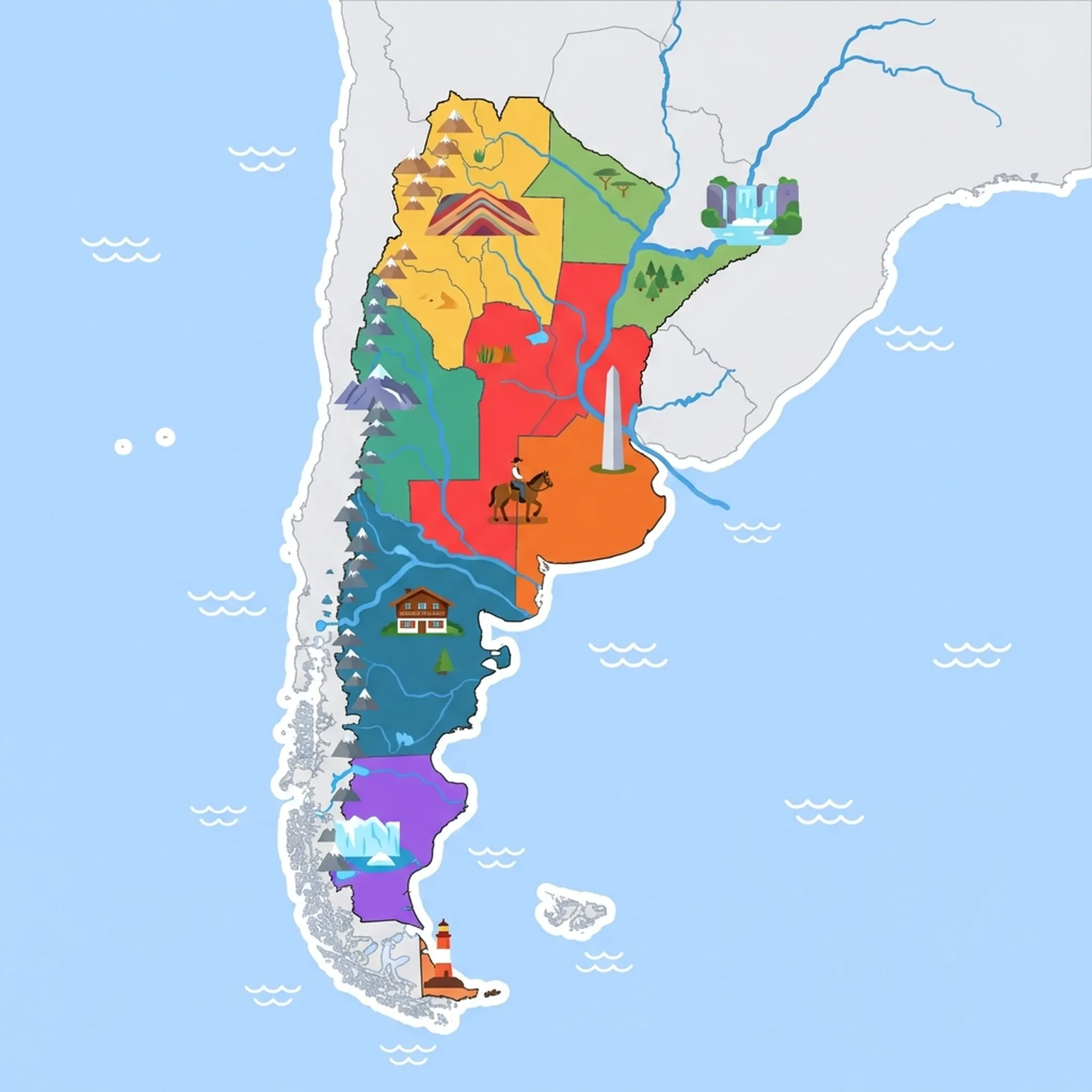
Click a region to explore
Overview
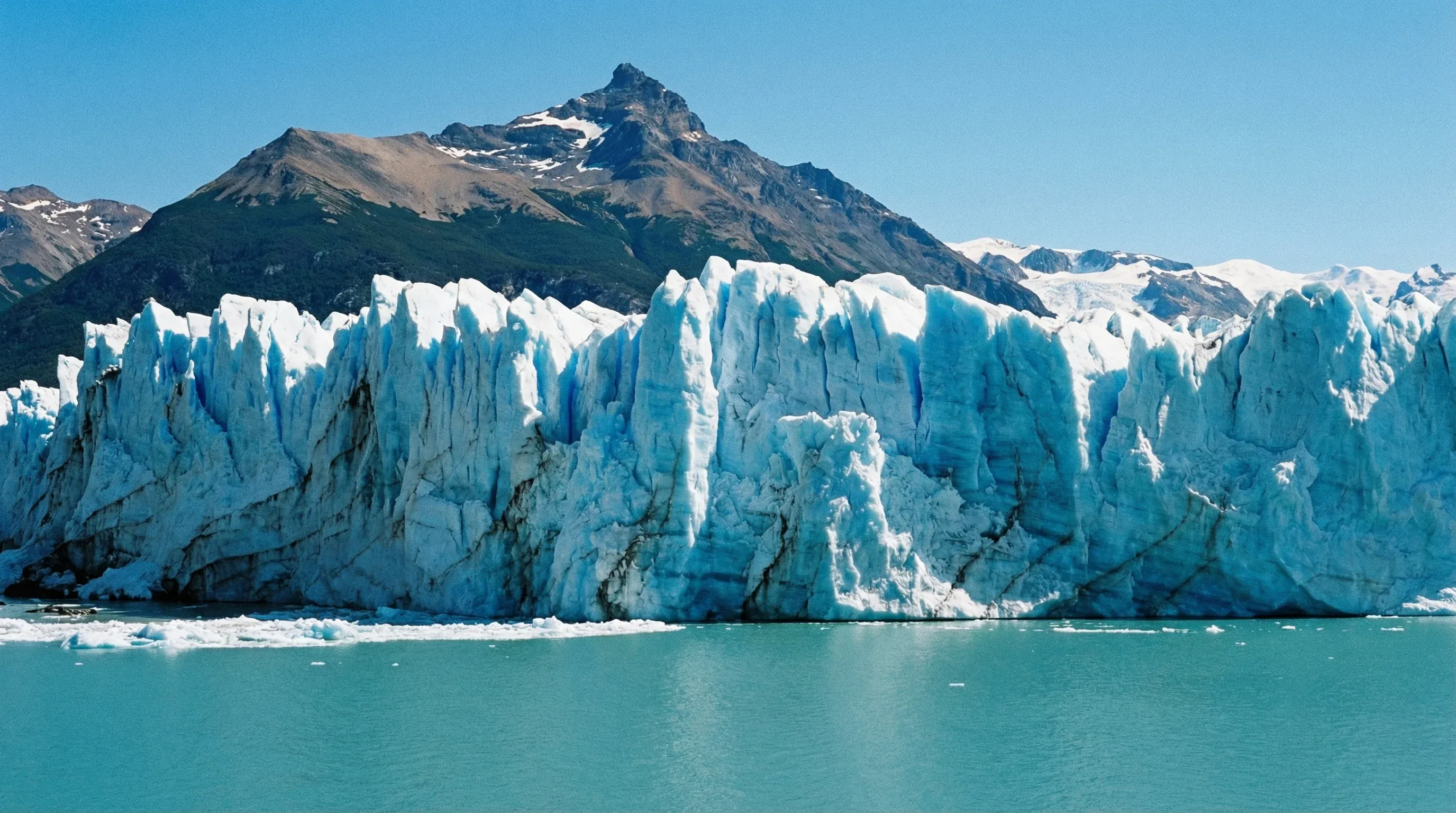
Southern Patagonia is raw, dramatic, and utterly unforgettable. This is the land of ice, where the Southern Patagonian Ice Field spills down into milky turquoise lakes. For families, the primary draw is the Perito Moreno Glacier—one of the few glaciers in the world that is advancing and easily accessible. The sound of the ice cracking (which sounds like gunshots or thunder) and the sight of building-sized blocks crashing into the water is a spectacle that mesmerizes children and adults alike. The landscape is starker here than in the north; trees are scrubby and wind-bent, and the sky feels immense.
The two main hubs are El Calafate (civilized, with airports and hotels) and El Chaltén (rugged, hiking capital). El Calafate is very family-friendly, offering comfortable lodges and easy excursions. El Chaltén is a hiker's paradise; while some trails are tough, there are flat, short walks to waterfalls that are perfect for active kids. The wind is a constant character here—it can be fierce, adding to the sense of adventure. It is a place that teaches resilience and awe, showing kids the raw geological forces that shape our planet.
Key Attractions
The Perito Moreno Glacier is the must-see. The site has an extensive network of steel balconies and ramps that allow you to view the glacier from multiple angles; these are safe and largely stroller-accessible (via elevators/ramps). Boat safaris take you near the ice wall for a different perspective. For families with teens (usually 10+), "Mini-Trekking" allows you to walk on the glacier itself with crampons—an unparalleled experience.
Before or after the ice, visit the Glaciarium (Patagonian Ice Museum) outside El Calafate. It is a modern, interactive museum that explains glaciology in a way kids can understand, featuring an ice bar (with juice for kids) in the basement. In El Chaltén, the view of Mount Fitz Roy is iconic. While the hike to the base is hard, the walk to "Chorrillo del Salto" (a waterfall) is easy and flat, offering a taste of the forest without the exhaustion.
Practical Advice
Book excursions (especially glacier trekking) months in advance. The wind can be extremely cold, even in summer; dress in layers. Internet connection can be spotty in El Chaltén. ATMs in El Chaltén often run out of cash, so withdraw money in El Calafate. There are no pharmacies or hospitals in the remote areas, so bring a full medical kit.
Food & Drink
Typical meal times: Lunch 12:00 pm–3:00 pm. Dinner 7:00 pm–11:00 pm. Hikers often take packed lunches (viandas) for the day.
Typical meal costs: This is an expensive region due to remoteness. A dinner costs ARS 45,000–80,000 (approx. $45–80 USD / €40–75 EUR). Supermarkets are pricey.
Dietary requirements: Vegetarian options are available (pastas, soups) but limited compared to cities. Lamb is the staple.
Signature dishes:
- Cordero al Palo – Patagonian lamb roasted on an iron cross over an open fire. Smoky, crispy, and tender.
- Calafate Berry – A dark blue berry used in jams, ice creams, and liqueurs. Legend says if you eat it, you will return.
- Guanaco Meat – Sometimes found on menus as a lean, gamey alternative to beef.
Why this score?
This is a premier global adventure destination featuring glacier trekking, technical mountaineering at Fitz Roy, and unpredictable subantarctic weather. The environment is wild and physically demanding, often requiring specialized gear and guides for safety.
Why this score?
Medical facilities in El Calafate and El Chaltén are small and primarily designed for basic stabilizing care. Serious medical emergencies or complex surgeries almost always necessitate an expensive medical evacuation to Río Gallegos or Buenos Aires.
Why this score?
The Perito Moreno Glacier and the trekking capital of El Chaltén are world-famous bucket-list destinations that attract a high percentage of international arrivals. Despite its remote location, the region is highly popular and well-connected by air to the rest of the country.

One of the most expensive parts of Argentina. Logistics are difficult and seasons are short. Accommodation in high season (Jan-Feb) is at a premium; a standard room can exceed ARS 150,000–250,000 (approx. $150–250 USD / €135–225 EUR). Food and fuel cost about 20-30% more here than in Buenos Aires.
Family Travel Notice
Children who are residents or have stayed in the country for a long period may require specific written parental authorization to depart the country. It is important to verify current documentation requirements for minors before travel.

Getting Here & Around
Getting Here
- Airports – Armando Tola International Airport (FTE) in El Calafate is the gateway. Flights from Buenos Aires take 3.5 hours.
- Bus – Buses connect El Calafate to El Chaltén (3 hours, paved road). The scenery on this bus ride is spectacular.
- Driving – Renting a car gives freedom, but one-way drop-off fees between regions are huge.
Getting Around
- Shuttle/Bus – Most people use shuttle buses to get from town to the Perito Moreno Glacier and between Calafate and Chaltén.
- Walking – El Chaltén is tiny and walkable; you walk from your hotel directly onto the trails.
- Car – Useful in Calafate but not strictly necessary if you book tours with transfers.
Nearby Airports (5 airports)
Comodoro Rivadavia
CRDComodoro Rivadavia
Esquel
EQSEsquel
El Calafate
FTEEl Calafate
El Tehuelche
PMYPuerto Madryn
Almirante Zar
RELTrelew
View full flight map for Argentina →
Official Links

Packing List
The wind cuts through fleece; you need a solid wind-blocking outer layer.
Glare from the massive glacier ice can be damaging to eyes.
Near the glacier face, the temperature drops dramatically.
Helps stability in the high winds on trails near Fitz Roy.
Argentina uses angled flat-pin plugs (same as Australia/China), which is unusual for the Americas.
The ozone layer is thinner over the southern hemisphere; UV radiation in Patagonia is surprisingly intense.
The strong, dry winds in Patagonia can cause rapid chapping and windburn, even in summer.
Crisp, clean $50/$100 notes often yield better exchange rates than smaller bills or cards in some establishments.
Essential for children on long-distance buses and winding mountain roads in the Andes.

Activities & Best Times

Hiking, wildlife, outdoor exploration, ecotourism
A global benchmark for wilderness tourism, featuring iconic glaciers and world-renowned trekking routes like Fitz Roy and Laguna de los Tres. Peak season aligns with the Southern Hemisphere summer when trails are accessible and daylight is longest; winter months see extreme cold and significant trail closures.

Urban tourism, museums, historical sites, architecture
Home to the Perito Moreno Glacier, one of the world's most accessible and impressive natural landmarks, supported by high-quality museums like the Glaciarium. While urban centers are small, the cultural focus on glaciology and Patagonian estancia heritage offers a unique, high-standard experience for sophisticated families.

Scenic drives, countryside tours, route-based travel
Features iconic stretches of Ruta Nacional 40 and scenic routes toward Lago del Desierto, offering dramatic mountain vistas. Travel is best in summer to avoid hazardous ice on remote gravel and paved roads that can become impassable in winter.

Sport tourism, fitness activities, active recreation
Offers internationally recognized trekking infrastructure and adventure parks like Cerro Frías and Calafate Mountain Park. The activity season is strictly limited by weather, with peak conditions providing world-class hiking and technical climbing opportunities.
Beach resorts, marine activities: diving, snorkelling, kite surfing, wind surfing, sailing
Coastal areas like Playa de los Témpanos offer unique glacier-side views but are unsuitable for traditional swimming or sunbathing due to frigid water temperatures. Only relevant for brief summer visits to experience the novelty of walking on glacial beaches.

Learning experiences, scientific sites, historical education
The Glaciarium and local history centers provide high-quality scientific insights into climate change and glaciology. While professionally curated, they serve primarily as supplements to the natural attractions rather than standalone global educational destinations.
Winter sports, ski resorts, snow activities
Small-scale winter sports centers like Hoya del Chingue provide basic skiing facilities for local tourism. It lacks the world-class infrastructure and extensive terrain found in major international ski hubs or larger Argentine resorts like Bariloche.




Public Holidays & Calendar Next 12 months
Public holidays, festivals, cultural celebrations, and seasonal natural phenomena coming up in Patagonia – Southern Icefields over the next 12 months.
Loading holidays and events...

Travel Advisory
Argentina is generally safe for tourists with safety conditions similar to other stable Western nations. Travelers should follow standard personal security protocols, particularly in large urban centers.
Safety Topics
Traveller Advice (3 groups)

While generally welcoming, travelers are encouraged to review specific guidance on local attitudes and legal protections for sexual and gender minorities.
Children who are residents or have stayed in the country for a long period may require specific written parental authorization to depart the country. It is important to verify current documentation requirements for minors before travel.
Travelers visiting high-altitude regions in the Andes or remote areas of Patagonia should be prepared for altitude sickness and extreme weather conditions that can change rapidly.
Agency Summaries
While general safety precautions are sufficient for most of the country, travelers should be more vigilant in Buenos Aires and Rosario due to higher rates of crime. Particular attention should be paid to taxi scams at airports.
The country is considered safe for standard travel, though increased vigilance is recommended in the city of Rosario due to local crime and narcotics-related violence.
The safety environment is comparable to New Zealand, with the exception of Rosario where crime rates are higher. Travelers are advised to avoid public demonstrations.
General safety levels are high, but visitors should be aware of health risks like Dengue and Zika in the north and the potential for land border closures during winter months.
Most visits are trouble-free, but travelers are warned of frequent political protests in major cities and the risk of petty crime in tourist areas.
Tourism is generally safe, but travelers should monitor local news for demonstrations which occur regularly following recent political changes.
Information is provided for general guidance only and does not constitute travel, safety, medical, or legal advice. Conditions may change. Users are responsible for independently verifying information before travel.