
Tierra del Fuego & Subantarctic South
The end of the world, penguins, and snowy peaks 🐧⚓❄️
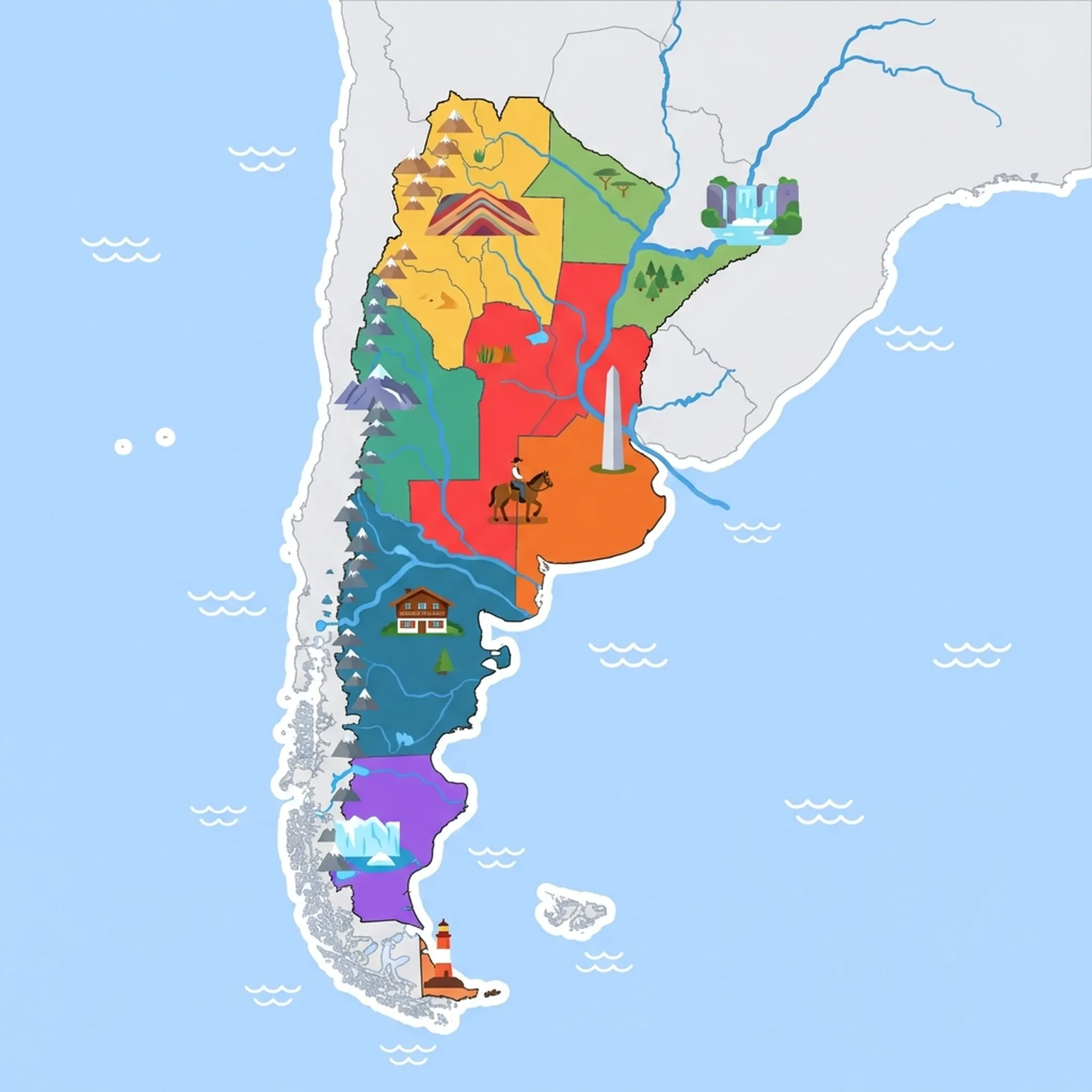
Click a region to explore
Overview
Tierra del Fuego (Land of Fire) feels like the edge of the map because it is. Ushuaia, the capital, is the southernmost city in the world, sandwiched between the martial Andes mountains and the icy Beagle Channel. For families, the appeal lies in the "End of the World" narrative—children love the idea that they are as far south as they can go before Antarctica. The landscape is distinct from the north; dense peat bogs, beaver dams (an invasive species), and forests of wind-twisted flag trees create a moody, magical atmosphere. In winter, this is a skiing haven; in summer, it's a hub for wildlife watching.
The vibe is industrial-maritime mixed with cozy tourism. Huge cruise ships bound for Antarctica dock here, creating a bustling port feel. Yet, just minutes from the center, you are in pure wilderness. The days in summer are incredibly long (light until 11:00 pm), giving families ample time to explore. In winter, the Cerro Castor ski resort offers the longest ski season in South America and is renowned for its fluffy powder and family-friendly runs. It is a place of history—of indigenous Yamana people, shipwrecks, and early explorers—all told through excellent museums and excursions.
Key Attractions
The End of the World Train (Tren del Fin del Mundo) is a hit with younger children. This steam train, originally used to transport prisoners, chugs through the valley into Tierra del Fuego National Park. Once in the park, the trails at Bahía Lapataia are easy and lead to the official end of the Pan-American Highway—a great photo op. Older kids will love the postal office at the end of the pier at Ensenada Zaratiegui, where they can get their passports stamped.
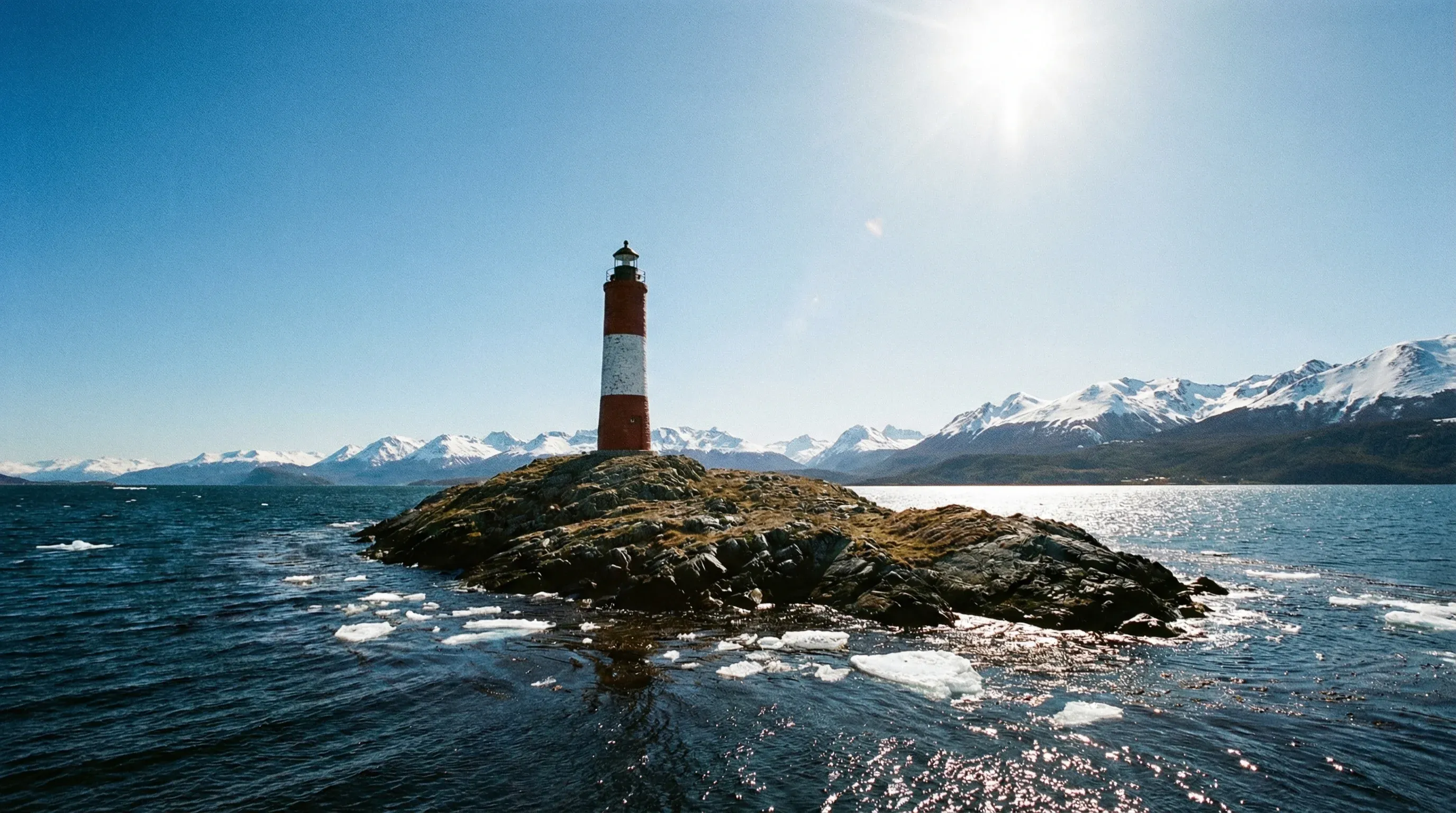
A boat tour on the Beagle Channel is essential. Catamarans visit islands covered in cormorants and sea lions, and pass the iconic Les Eclaireurs Lighthouse (often confused with the Lighthouse at the End of the World). In summer, tours to Estancia Harberton allow you to walk among Magellanic penguins on Martillo Island—a highlight for any animal lover. Back in town, the Museo Marítimo y del Presidio de Ushuaia is housed in the old prison; the spooky cells and life-size wax figures of prisoners fascinate older children and teens.
Practical Advice
The weather changes every 15 minutes. You can experience snow, sun, and rain in a single hour; waterproof layers are vital. If you want to walk with penguins, book the "Piratour" months in advance as they have the exclusive concession for walking on the island. Ushuaia is a tax-free zone, but goods are often still pricey due to transport costs.
Food & Drink
Typical meal times: Lunch 12:00 pm–3:00 pm. Dinner 7:30 pm–11:00 pm. Tea houses are popular in the afternoon.
Typical meal costs: Seafood is premium priced. King Crab costs ARS 60,000–90,000 (approx. $60–90 USD / €55–80 EUR) per dish. Standard meals are around ARS 35,000 ($35 USD).
Dietary requirements: High reliance on seafood and lamb. Gluten-free options are available in the main tourist restaurants in Ushuaia.
Signature dishes:
- Centolla – Southern King Crab, usually displayed live in tanks. It is sweet, tender, and served natural or in chowders.
- Merluza Negra – Black Hake (Patagonian Toothfish). A buttery, rich deep-sea fish that is a local luxury.
- Cordero Fueguino – Lamb from the island, considered saltier and leaner than mainland lamb due to the coastal grazing.
Why this score?
The harsh climate, maritime environment, and rugged mountains of the Tierra del Fuego National Park provide a high-adventure setting. Navigating the Beagle Channel and hiking in subantarctic conditions offer a notable level of physical challenge and isolation.
Why this score?
Ushuaia has a regional hospital and some private clinics, but its extreme isolation means that resources are limited. While adequate for common issues, the city's distance from other major hubs makes it vulnerable in the event of complex medical crises.
Why this score?
Ushuaia gains significant popularity as the 'End of the World' and the primary port for Antarctic cruises. While it receives a steady flow of international visitors, its extreme southern location makes it a secondary choice for many general tourists visiting Argentina.

Similar to El Calafate, this is an expensive destination. Flights are pricey, and food (especially the famous crab) is a luxury. A mid-range hotel is ARS 120,000–200,000 (approx. $120–200 USD / €110–180 EUR). However, the <a data-attraction-id="20800">Tierra del Fuego National Park</a> offers a full day of entertainment for just the entry fee.
Family Travel Notice
Children who are residents or have stayed in the country for a long period may require specific written parental authorization to depart the country. It is important to verify current documentation requirements for minors before travel.

Getting Here & Around
Getting Here
- Airports – Ushuaia - Malvinas Argentinas International Airport (USH) is the only practical entry point. Flights from Buenos Aires take 3.5-4 hours.
- Bus – Possible but grueling. It involves crossing the Strait of Magellan by ferry and passing through Chile. Not recommended for families with small kids.
- Cruise – Many families arrive as part of a South American cruise itinerary docking at the port.
Getting Around
- Taxi/Remis – The easiest way to get around Ushuaia town and to nearby glacier trailheads.
- Tours – Most attractions (Channel, Park, Lakes) are best visited via organized tours that include transport.
- Car – Useful if you want to drive over the Garibaldi Pass to see Lake Fagnano at your own pace.
Nearby Airports (2 airports)
Rio Grande
RGARio Grande
Ushuaia Malvinas Argentinas
USHUshuaia
View full flight map for Argentina →
Official Links

Packing List
Hiking in the national park is muddy and rain is horizontal; keeps kids dry.
Even in summer, temperatures can hover near freezing with wind chill.
Essential for spotting albatross, petrels, and seals on the boat trips.
The Beagle Channel can be choppy; vital for the catamaran tours.
Argentina uses angled flat-pin plugs (same as Australia/China), which is unusual for the Americas.
The ozone layer is thinner over the southern hemisphere; UV radiation in Patagonia is surprisingly intense.
The strong, dry winds in Patagonia can cause rapid chapping and windburn, even in summer.
Crisp, clean $50/$100 notes often yield better exchange rates than smaller bills or cards in some establishments.
Essential for children on long-distance buses and winding mountain roads in the Andes.

Activities & Best Times

Hiking, wildlife, outdoor exploration, ecotourism
Features world-class subantarctic ecosystems and the unique Tierra del Fuego National Park. Peak summer months offer long daylight hours and optimal wildlife viewing, including penguin colonies and marine mammals.

Urban tourism, museums, historical sites, architecture
Ushuaia provides a unique 'End of the World' atmosphere with high-quality museums like the Maritime and Prison Museum. The summer cruise season brings a vibrant international vibe, while winter months are dark and cold.

Sport tourism, fitness activities, active recreation
Offers internationally recognized trekking routes like Laguna Esmeralda and the coastal trails within the National Park. Activity is highly seasonal, with high-altitude trails becoming inaccessible due to snow and ice from May to September.

Scenic drives, countryside tours, route-based travel
Iconic routes like the end of Ruta Nacional 3 and the Paso Garibaldi offer spectacular subantarctic mountain and lake scenery. Winter driving is discouraged for international families due to heavy ice and snow on mountain passes.

Winter sports, ski resorts, snow activities
Home to Cerro Castor, a world-class resort known for reliable snow quality due to its high latitude. The season is strictly limited to the southern winter, with peak conditions and international training teams arriving in July and August.
Beach resorts, marine activities: diving, snorkelling, kite surfing, wind surfing, sailing
Beaches like Bahía Lapataia offer rugged, scenic beauty rather than traditional swimming or sunbathing. Peak summer provides the calmest conditions for sea kayaking and coastal exploration in the Beagle Channel.

Learning experiences, scientific sites, historical education
Specialized facilities like Museo Acatushún provide niche scientific engagement regarding marine mammals of the Southern Ocean. These facilities are most accessible during the peak tourism season when staff and researchers are most active.

Attractions (13 total)



Public Holidays & Calendar Next 12 months
Public holidays, festivals, cultural celebrations, and seasonal natural phenomena coming up in Tierra del Fuego & Subantarctic South over the next 12 months.
Loading holidays and events...

Travel Advisory
Argentina is generally safe for tourists with safety conditions similar to other stable Western nations. Travelers should follow standard personal security protocols, particularly in large urban centers.
Safety Topics
Traveller Advice (3 groups)

While generally welcoming, travelers are encouraged to review specific guidance on local attitudes and legal protections for sexual and gender minorities.
Children who are residents or have stayed in the country for a long period may require specific written parental authorization to depart the country. It is important to verify current documentation requirements for minors before travel.

Travelers visiting high-altitude regions in the Andes or remote areas of Patagonia should be prepared for altitude sickness and extreme weather conditions that can change rapidly.
Agency Summaries
While general safety precautions are sufficient for most of the country, travelers should be more vigilant in Buenos Aires and Rosario due to higher rates of crime. Particular attention should be paid to taxi scams at airports.
The country is considered safe for standard travel, though increased vigilance is recommended in the city of Rosario due to local crime and narcotics-related violence.
The safety environment is comparable to New Zealand, with the exception of Rosario where crime rates are higher. Travelers are advised to avoid public demonstrations.
General safety levels are high, but visitors should be aware of health risks like Dengue and Zika in the north and the potential for land border closures during winter months.
Most visits are trouble-free, but travelers are warned of frequent political protests in major cities and the risk of petty crime in tourist areas.
Tourism is generally safe, but travelers should monitor local news for demonstrations which occur regularly following recent political changes.
Information is provided for general guidance only and does not constitute travel, safety, medical, or legal advice. Conditions may change. Users are responsible for independently verifying information before travel.