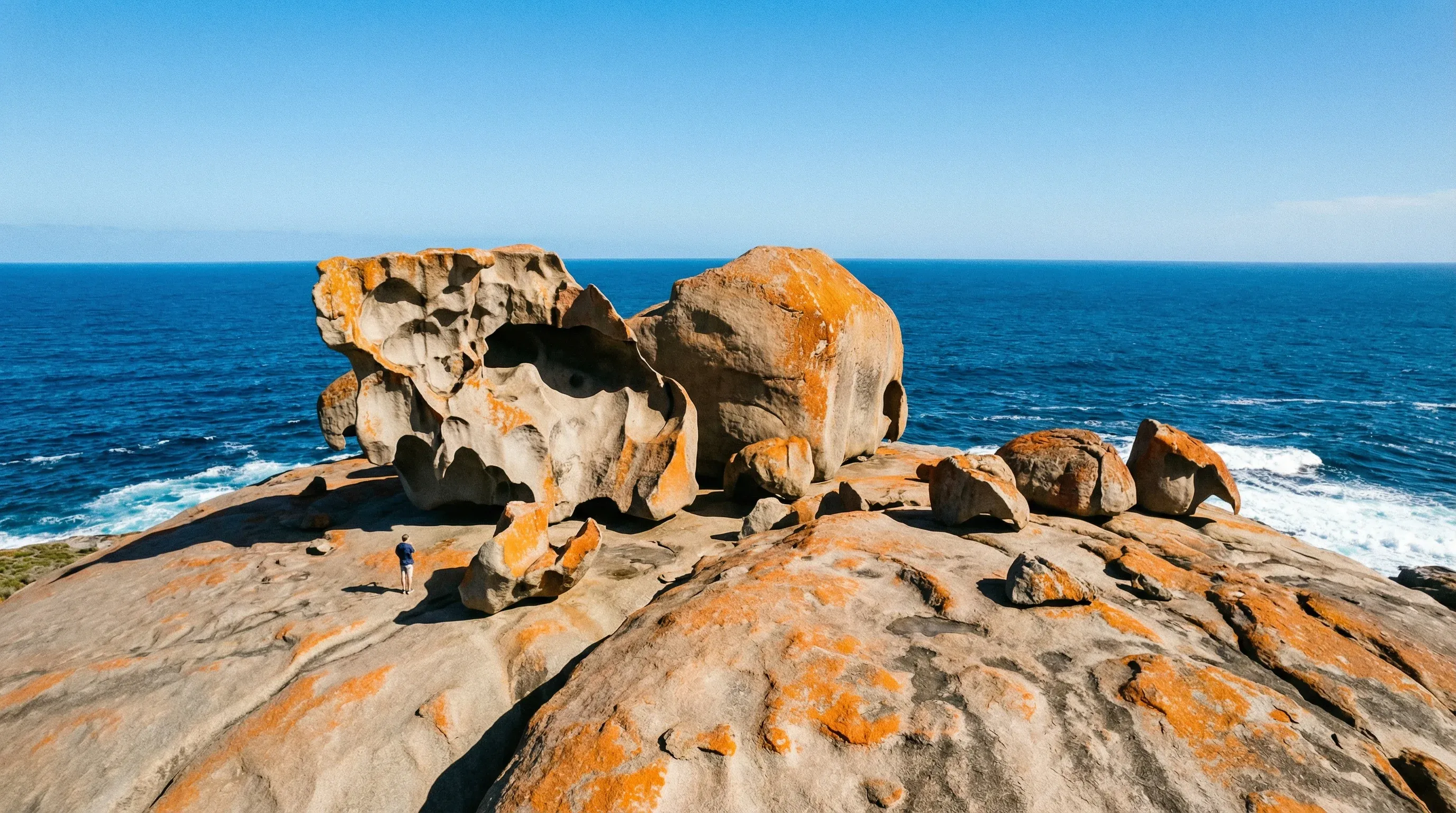

Adelaide & South Australia
wildlife wonders, ancient outback landscapes, and family beach fun 🐨🍇🌊
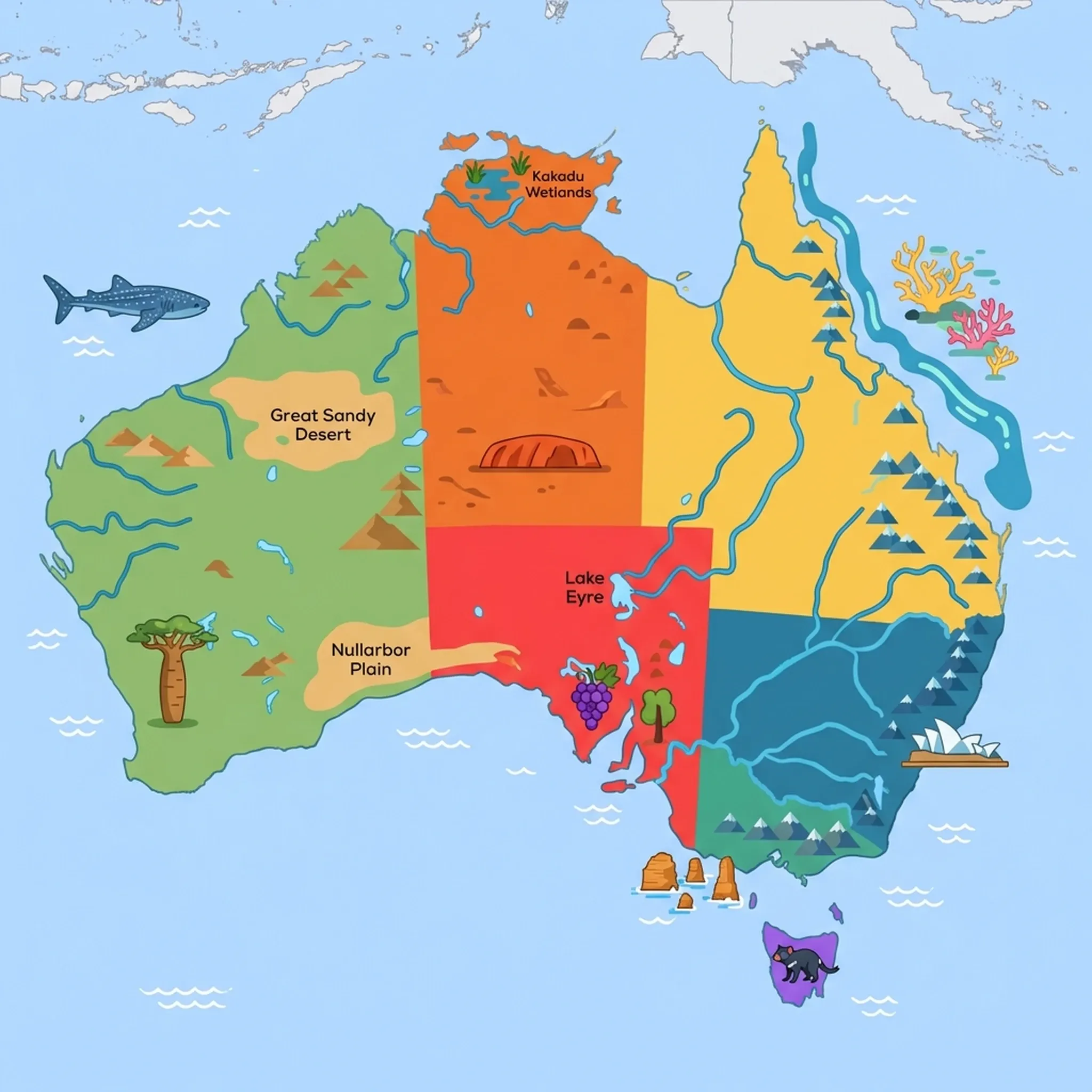
Click a region to explore
South Australia is often described as the country's "lifestyle capital," and for families, this translates into an incredibly easy, safe, and diverse holiday destination. Unlike the frenetic pace of larger eastern cities, Adelaide offers a "20-minute city" experience where beaches, hills, and the city centre are all within a short drive. The climate is Mediterranean, characterized by hot, dry summers and mild winters, making it perfect for outdoor exploration year-round. Beyond the city limits, the landscape transforms dramatically—from the lush, vine-covered hills of the Adelaide Hills to the ancient, red-earth gorges of the Flinders Ranges. For children, South Australia is a giant open-air classroom where they can learn about Aboriginal culture, fossil history, and native wildlife in their natural habitats. The atmosphere is laid-back and unpretentious, welcoming families to explore at their own pace without the crowds found elsewhere.
Culturally, the region is a melting pot of food, festivals, and arts, but it maintains a distinctively approachable vibe. Known as the "Festival State," there is almost always a family-friendly event taking place, from the Fringe Festival to local food fairs. The state's commitment to nature conservation is evident in its pristine national parks and sanctuaries. Whether you are fossil hunting in the outback, swimming with sea lions on the Eyre Peninsula, or simply enjoying a barbecue in one of Adelaide's meticulously maintained parklands, the region fosters a genuine connection with the outdoors. It is a place where you can drive for an hour and feel like you have entered a completely different world, providing a rich tapestry of experiences for curious young minds.
Key Attractions
South Australia's attractions are heavily focused on nature and heritage, offering hands-on experiences that captivate children. A must-visit is the Adelaide Zoo, an enchanting green oasis in the city centre that is home to the Southern Hemisphere's only Giant Pandas, Wang Wang and Fu Ni. The zoo focuses on conservation and offers excellent educational talks that engage kids of all ages. Just a short tram ride from the city, Glenelg Beach is the quintessential seaside playground. Families can swim in the calm gulf waters, play on the foreshore, and enjoy the Beachouse amusement complex. It is the perfect spot for a sunset fish and chips dinner on the sand.
Venturing into the Adelaide Hills, the Hahndorf Historic Village offers a fairytale-like experience with its German timber-framed buildings, artisan sweet shops, and interactive farm visits. Kids love the freedom to explore the streets and taste local treats. For a more rugged adventure, the Ikara-Flinders Ranges National Park provides a spectacular outback backdrop where families can see yellow-footed rock wallabies and explore ancient landscapes like Wilpena Pound. Closer to the coast, Granite Island Recreation Park at Victor Harbor is accessible via a horse-drawn tram and offers a safe walking trail where you might spot Little Penguins and whales during migration season.
Practical Advice
The best time to visit is during the shoulder seasons (March–May and September–November) when the weather is mild and perfect for hiking and touring. Summer (December–February) can be very hot, often exceeding 35°C (95°F), though coastal areas remain pleasant. Public transport in Adelaide is excellent, with free trams in the city centre, but hiring a car is essential for visiting regions like the Flinders Ranges or Kangaroo Island.
Food & Drink
Typical meal times: Lunch is typically served from 12:00 pm to 2:30 pm. Dinner service usually starts around 6:00 pm and finishes by 9:00 pm, though family venues often open earlier.
Typical meal costs: A standard pub meal or mid-range dinner costs around A$25–45 (approx. $16–30 USD / €15–27 EUR). Family meal deals are common in suburban hotels.
Dietary requirements: Adelaide is extremely allergy-aware. Vegetarian, vegan, and gluten-free options are standard in almost all cafes and restaurants. In regional areas, options may be simpler but are usually available.
Signature dishes:
- Pie Floater – A uniquely South Australian classic consisting of a meat pie inverted into a bowl of thick green pea soup, usually topped with tomato sauce.
- Kitchener Bun – A large, fried donut-like bun filled with fresh cream and jam, a heritage treat found in country bakeries.
- King George Whiting – Regarded as one of Australia's finest eating fish, delicate and sweet, often served breaded or battered with chips.
- Fritz and Sauce – A type of mild luncheon meat (devon) peculiar to SA, beloved by children, typically eaten in a sandwich with tomato sauce.
Why this score?
The region offers diverse outdoor experiences ranging from cage diving with great white sharks in Port Lincoln to hiking the ancient Flinders Ranges. While much of the infrastructure is family-friendly and accessible, the vast distances and desert interior provide a genuine sense of remote exploration. It strikes a balance between developed wine country and rugged outback terrain.
Why this score?
Adelaide is home to world-class medical facilities and teaching hospitals that provide exceptional care for international visitors. While services in remote areas like the Eyre Peninsula are more limited, the state's centralized healthcare system and efficient emergency retrieval services ensure high-quality coverage. English-speaking staff and seamless insurance processing are standard across the region.
Why this score?
South Australia attracts a steady mix of international food and wine enthusiasts alongside domestic travelers. While destinations like the Barossa Valley and Kangaroo Island are world-renowned, the total volume of foreign arrivals remains significantly lower than the eastern seaboard states. It serves as a secondary destination for those seeking a more relaxed pace compared to Sydney or Melbourne.

South Australia is generally more affordable than the eastern states. Accommodation offers great value, with family apartments costing A$180–280 (approx. $115–180 USD / €110–170 EUR) per night. Dining is reasonably priced, especially in pubs and clubs where kids eat cheap. Entry to national parks like <a data-attraction-id="21180">Flinders Chase National Park</a> requires a pass, roughly A$13 (approx. $8.50 USD / €8 EUR) per adult.
Family Travel Notice
Parents should be highly attentive to weather warnings, as infants and children are particularly vulnerable to extreme heatwaves. Ensure children are protected from high UV levels and stay hydrated during outdoor activities.

Getting Here & Around
Getting Here
- Airports – Adelaide Airport (ADL) is the main gateway, located just 15 minutes from the city centre. It receives international flights and frequent domestic connections.
- Train – The legendary expanse of Australia can be crossed via The Ghan (from Darwin) or the Indian Pacific (from Sydney/Perth), both arriving at Adelaide Parklands Terminal.
- Driving – Adelaide is a central hub for road trippers. It is an 8-hour drive from Melbourne via the inland route or a longer scenic drive along the coast.
Getting Around
- Car – Essential for regional travel. Roads to major sites like the Ikara-Flinders Ranges National Park are sealed and well-maintained, though watch for wildlife at dawn and dusk.
- Public Transport – Adelaide has an efficient metro system of trains, buses, and trams. The tram to Glenelg Beach is a favourite for families.
- Ferry – SeaLink ferries connect the mainland (Cape Jervis) to Kangaroo Island, carrying both passengers and vehicles.
Nearby Airports (7 airports)
Adelaide International
ADLAdelaide
Cedun
CEDCeduna
Coober Pedy
CPDCoober Pedy
Mount Gambier
MGBMount Gambier
Olympic Dam
OLPOlympic Dam
Port Lincoln
PLOPort Lincoln
Whyalla Airport
WYAWhyalla
View full flight map for Australia →
Official Links

Packing List
Essential for the Flinders Ranges and outback areas where bush flies can be relentless.
The ferry crossing to Kangaroo Island can be quite rough, even on calm days.
Dry heat in summer dehydrates children quickly; cold water is a must-have.
Many walking trails have prickly burrs and rocky terrain unsuitable for flip-flops.
UV is extreme; t-shirts offer little protection. A UPF50+ swim shirt is essential for kids.
Crucial for the Outback/Red Centre where flies are relentless and swarm faces constantly.
Thick colored sunblock for noses/lips; stays on in surf better than lotion and kids love the colors.
Picnics are a national pastime; keeps snacks cool during long drives or beach days.
Required in some marine parks to protect coral; buy 'broad spectrum' specifically.
Australian plugs are unique (Type I); one adapter plus a strip charges all family devices.

Activities & Best Times

Hiking, wildlife, outdoor exploration, ecotourism
With Kangaroo Island and the Flinders Ranges, the region offers world-class wildlife and outback immersion that appeals to sophisticated travelers. Spring and autumn provide ideal temperatures for exploration, whereas summer heat can be intense in the interior and winter brings variable coastal weather.

Urban tourism, museums, historical sites, architecture
Adelaide and the Barossa Valley offer an authentic mix of fine arts, colonial heritage, and globally renowned wine culture. The peak period aligns with the major festival season and pleasant walking weather, while mid-winter is often too damp and cold for optimal urban exploration.

Learning experiences, scientific sites, historical education
Features internationally significant sites like the Seal Bay sea lion colony and the South Australian Museum's natural history collections. Conditions are best during the milder months when wildlife is active and outdoor archaeological or nature sites are easily accessible.

Sport tourism, fitness activities, active recreation
Offers world-class cycling on the Mawson Trail and unique active experiences like the Adelaide Oval RoofClimb. These activities are most enjoyable during the mild shoulder seasons, as winter rain and summer heat waves present genuine barriers to active outdoor sports.
Beach resorts, marine activities: diving, snorkelling, kite surfing, wind surfing, sailing
Pristine coastal environments like Vivonne Bay and Glenelg offer high-quality swimming and marine encounters in the Southern Ocean. Peak summer provides the necessary warmth for water-based recreation, while the colder, windier winter months are unsuitable for beach activities.

Scenic drives, countryside tours, route-based travel
Celebrated scenic routes like the Southern Ocean Drive and Epicurean Way showcase diverse landscapes from rugged coastlines to premium vineyards. Autumn and spring provide the best visibility and mildest temperatures for long-distance touring across the state's diverse terrains.
Amusement parks, family entertainment venues
The Beachouse and coastal aquatic centers provide high-quality family entertainment in the Glenelg precinct. These facilities are primary draws during the summer school holiday period, but seasonal water-based attractions are significantly less appealing during the cooler winter months.

Events, celebrations, seasonal attractions
The region is home to the world-renowned Adelaide Fringe and WOMADelaide, which attract international audiences during 'Mad March'. Outside of this specific window, the region lacks similarly high-profile events of international significance for sophisticated travelers.

Spa retreats, wellness centers, peaceful getaways
Unique natural hot springs in the outback offer an authentic and restorative experience for adventurous families. These remote sites are best visited during cooler months to avoid extreme desert heat, which makes thermal bathing uncomfortable in mid-summer.

Attractions (39 total)



Public Holidays & Calendar Next 12 months
Public holidays, festivals, cultural celebrations, and seasonal natural phenomena coming up in Adelaide & South Australia over the next 12 months.
Loading holidays and events...

Travel Advisory
All major international agencies agree that Australia maintains a stable security environment where standard safety awareness is sufficient for travellers.
Safety Topics
Traveller Advice (5 groups)

When exploring the outback or remote regions, ensure you carry extensive supplies of fuel, water, and food. It is vital to have a reliable means of communication, such as a satellite phone or an emergency beacon, as mobile coverage is non-existent in many areas.

Australia is considered a welcoming destination for LGBTQ+ visitors, with established legal protections and a generally inclusive atmosphere.

Parents should be highly attentive to weather warnings, as infants and children are particularly vulnerable to extreme heatwaves. Ensure children are protected from high UV levels and stay hydrated during outdoor activities.

During summer months, older travellers should take extra care to avoid heatstroke and dehydration. It is recommended to stay in climate-controlled environments like shopping centres or libraries during peak heat and avoid long-distance driving in extreme conditions.

While Australia is generally safe, female solo travellers are encouraged to follow standard safety protocols and consult specific resources for independent travel provided by government agencies.
Agency Summaries
Australia is generally considered safe for visitors, with security conditions comparable to those in Canada. While the overall risk is low, travellers should remain vigilant regarding petty crimes like theft and vehicle break-ins, particularly in urban centers. Significant emphasis is placed on environmental hazards, including severe heatwaves, the potential for cyclones in northern regions, and the extreme isolation of the outback which requires thorough preparation.
New Zealand emphasizes the importance of staying informed about the national terrorism threat level and environmental risks. The advice specifically highlights the dangers of local wildlife, such as crocodiles and venomous snakes, and reminds New Zealanders of their special visa status and healthcare rights while visiting.
The British government advises that normal safety measures are sufficient for Australia. It notes that while the country is stable, there is an ongoing global risk of terrorism and seasonal threats from bushfires between October and February. Travellers are encouraged to ensure their insurance covers specific regional activities, including adventure travel and remote outback explorations.
Ireland advises its citizens that Australia is safe but strictly regulated. Key advice includes complying with visa conditions to avoid detention or deportation and being aware of the strict approach taken by local police toward public order and laws. Irish visitors are also reminded of the reciprocal healthcare benefits available, though private insurance remains highly recommended.
Visitors should maintain standard safety awareness throughout the country. US authorities highlight the importance of enrolling in local safety programs and preparing for natural events such as bushfires and severe storms. Detailed guidance is provided for those venturing into remote areas, where road conditions and the distance between settlements pose unique challenges.
Information is provided for general guidance only and does not constitute travel, safety, medical, or legal advice. Conditions may change. Users are responsible for independently verifying information before travel.