
Melbourne & Victoria
Culture, coastlines, and koalas in a compact state 🚋☕🐧
Click a region to explore
Melbourne and Victoria offer a dense, action-packed holiday experience where you can drive from surf beaches to rainforests and snowfields all in one day. Melbourne, the state capital, is arguably Australia's cultural heart—a city of trams, street art, and hidden laneways that feel like a treasure hunt for older kids and teens. The city is incredibly family-oriented, with sprawling green spaces like the Carlton Gardens and cutting-edge interactive museums. The weather is famously changeable (the "four seasons in one day" cliché is true), but this just adds to the adventure. The vibe is cosmopolitan yet sporty; you are just as likely to see families heading to an art gallery as you are to a football match at the MCG.
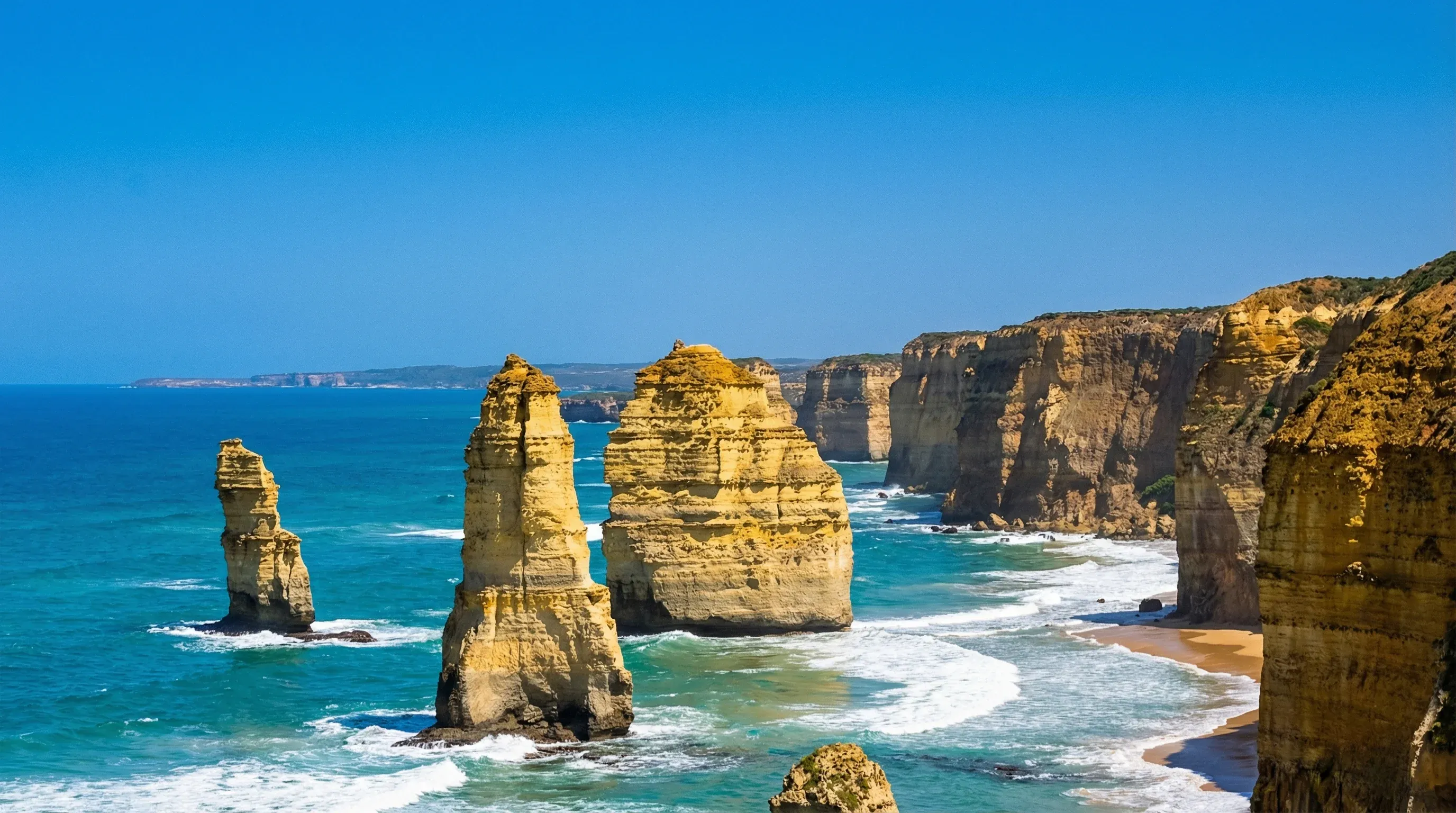
Beyond the city, Victoria is compact and easy to navigate. The roads are well-maintained, making self-drive holidays a breeze. To the west, the coastline becomes rugged and dramatic, home to shipwrecks and limestone stacks. To the east and north, you find misty forests, mountain ranges, and historic gold-rush towns that bring history to life for children. The state has a distinct European influence, evident in its food culture and architecture, but the wildlife experiences are uniquely Australian. Whether it is spotting koalas in the wild along the Kennett River or watching Little Penguins waddle ashore at dusk, the encounters here are intimate and memorable. The compact nature of the state means less time in the car and more time exploring, which is a huge bonus for families with younger children.
Key Attractions
Victoria's headline act for road-tripping families is the Great Ocean Road. This winding coastal drive is not just about the scenery; it offers plenty of stops for beach play and wildlife spotting. Nearby, the Loch Ard Gorge provides a sheltered beach surrounded by towering cliffs, perfect for a safe paddle and a history lesson about the shipwreck coast. Back in the city, the Melbourne Zoo is a world-class facility with dedicated 'wild sea' tunnels where seals and penguins swim above you. It is located near vast parklands, making it a full day out.
For a unique wildlife experience, drive out to the Yarra Valley to visit Healesville Sanctuary. Unlike a traditional zoo, this bushland haven focuses entirely on native Australian animals. Kids can see platypus, wombats, and echidnas up close in a natural setting. If you are looking for urban thrills, Luna Park Melbourne in St Kilda offers nostalgic fun with its historic roller coaster and carnival games, right next to the beach. For active families, a hike in the Grampians National Park offers spectacular views and aboriginal rock art sites that are accessible via well-marked trails.
Practical Advice
The weather is notoriously unpredictable. Summer (December–February) can see heatwaves over 40°C (104°F) or cool changes dropping to 20°C (68°F). Always pack layers. The free tram zone in Melbourne's CBD is a huge budget saver for families sightseeing in the city. Pre-booking tickets for major attractions like the Penguin Parade (Phillip Island) is essential as they sell out daily.
Food & Drink
Typical meal times: Lunch 12:00 pm – 2:30 pm; Dinner 6:00 pm – 9:30 pm. Melbourne is a late-night city, but family venues cater for early dinners from 5:30 pm.
Typical meal costs: Mains in a cafe or bistro cost A$25–40 (approx. $16–26 USD / €15–24 EUR). Coffee is a religion here and costs around A$5–6.
Dietary requirements: Exceptional. Melbourne is one of the most allergy-friendly cities in the world. Gluten-free, dairy-free, and vegan options are standard, not exceptions, even in suburban pubs.
Signature dishes:
- Chicken Parma – A breaded chicken breast topped with napoli sauce, ham, and melted cheese, served with chips and salad. A ubiquitous pub staple.
- Dim Sims – A uniquely Australian-Chinese dumpling, either fried or steamed, often much larger than traditional dim sum.
- Magic Coffee – A Melbourne invention; a double ristretto topped with milk, stronger than a latte but smaller.
- Hot Jam Doughnut – Famous at the Queen Victoria Market, these hot, yeasty doughnuts filled with raspberry jam are a cult favourite.
Why this score?
Adventure in Victoria is generally well-managed and highly accessible for families, featuring paved coastal walks and organized wildlife tours. The Grampians and the Victorian Alps offer more rugged hiking and skiing opportunities, but these are largely supported by developed resort towns. It is less intimidating than the northern Australian wilderness, focusing more on scenic recreation than extreme isolation.
Why this score?
Melbourne is a premier global medical hub with specialized pediatric and trauma centers that rival the best in the world. The state's healthcare infrastructure is dense, ensuring that even regional tourist hubs like Geelong or Ballarat have high-quality hospitals nearby. International visitors can expect top-tier professional care with almost no language barriers and excellent emergency accessibility.
Why this score?
Victoria is a major international draw, anchored by Melbourne's status as a global cultural and sporting capital. Iconic routes like the Great Ocean Road and the penguin parade at Phillip Island ensure a high and consistent flow of overseas tourists throughout the year. It ranks as the second most visited state in Australia, supported by a massive hotel and transport infrastructure.

Melbourne offers a range of options. Accommodation in the CBD is pricey, around A$250–400 (approx. $160–260 USD / €150–240 EUR) per night, but stays in regional towns are cheaper. Eating out can be done cheaply thanks to a strong Asian food scene; a family of four can eat dumplings for A$60–80 (approx. $40–50 USD / €35–50 EUR). Attractions like the <a data-attraction-id="36090">Melbourne Zoo</a> offer free entry for kids on weekends and holidays.
Family Travel Notice
Parents should be highly attentive to weather warnings, as infants and children are particularly vulnerable to extreme heatwaves. Ensure children are protected from high UV levels and stay hydrated during outdoor activities.

Getting Here & Around
Getting Here
- Airports – Melbourne Tullamarine (MEL) is the primary international hub. Avalon Airport (AVV) serves some domestic budget carriers and is closer to the Great Ocean Road.
- Train – Southern Cross Station is the major rail hub, connecting to Sydney and Adelaide via the XPT and The Overland services.
- Driving – The Hume Highway connects Sydney to Melbourne (approx. 9 hours). It is a straightforward, dual-carriageway drive.
Getting Around
- Public Transport – Melbourne has the world's largest tram network. The 'Free Tram Zone' in the CBD includes stops near Federation Square and Flinders Street Railway Station. You need a 'Myki' card for travel outside this zone.
- Car – Essential for regional trips like the Great Alpine Road or the Grampians National Park. Hook turns in the CBD can be confusing for visitors—drive carefully.
- Walking – The city is very walkable, with wide pavements and plenty of pedestrian bridges crossing the Yarra River.
Nearby Airports (5 airports)
Avalon Airport
AVVAvalon
Bendigo Airport
BXGBendigo
Melbourne Essendon
MEBMelbourne
Melbourne
MELMelbourne
Mildura
MQLMildura
View full flight map for Australia →
Official Links

Packing List
Melbourne can experience four seasons in one day; sudden rain and wind are common even in summer.
You will need to tap on and off frequently for trams; keeping cards accessible is helpful.
Melbourne has a huge coffee culture; many cafes offer a small discount for bringing your own cup.
Melbourne restaurants often have a slightly smarter dress code than coastal beach towns.
UV is extreme; t-shirts offer little protection. A UPF50+ swim shirt is essential for kids.
Crucial for the Outback/Red Centre where flies are relentless and swarm faces constantly.
Thick colored sunblock for noses/lips; stays on in surf better than lotion and kids love the colors.
Picnics are a national pastime; keeps snacks cool during long drives or beach days.
Required in some marine parks to protect coral; buy 'broad spectrum' specifically.
Australian plugs are unique (Type I); one adapter plus a strip charges all family devices.

Activities & Best Times

Hiking, wildlife, outdoor exploration, ecotourism
Home to unique wildlife like the Phillip Island penguins and diverse landscapes from the Grampians to the Otways. The warmer months provide ideal conditions for hiking and wildlife viewing, while winter is often too wet and cold for backcountry exploration.

Urban tourism, museums, historical sites, architecture
Melbourne is a global hub for coffee culture, laneway dining, and prestigious arts institutions like the NGV. Sophisticated families will enjoy the city's living culture most in spring and autumn, avoiding the grey, damp winter days.

Sport tourism, fitness activities, active recreation
Boasts world-class trails like the Grampians Peaks Trail and the iconic surfing breaks of Bells Beach. Peak season aligns with dry conditions for hiking and cycling, whereas winter rain makes many trails difficult for families.

Beach resorts, marine activities: diving, snorkelling, kite surfing, wind surfing, sailing
Features iconic coastal markers like the Twelve Apostles and Brighton Bathing Boxes. While scenic, the southern ocean water is cold, making the high summer months the only period truly suitable for beach recreation for most families.

Learning experiences, scientific sites, historical education
The Melbourne Museum and Scienceworks provide world-class, purpose-built educational experiences. These indoor facilities are excellent year-round, with peak interest coinciding with Australian school holiday periods.

Events, celebrations, seasonal attractions
The Melbourne Cup Carnival is internationally famous (stops the nation), and the Comedy Festival is one of the world's largest. These justify 'good' rather than 'marginal' - they are destination-level events.

Spa retreats, wellness centers, peaceful getaways
The Mornington Peninsula and Hepburn Springs are established thermal bath destinations. While available year-round, the experience is best in winter when the hot springs provide a restorative contrast to the cool air.

Scenic drives, countryside tours, route-based travel
The Great Ocean Road is one of the world's most famous drives, offering spectacular coastal views. Summer and shoulder months provide the best driving visibility and weather, while winter can bring high winds and low cloud cover.
Amusement parks, family entertainment venues
Luna Park and the URBNSURF wave park offer high-quality family entertainment. Visitation is highest during summer school holidays, as the outdoor nature of these attractions makes them less appealing during the cold winter months.

Winter sports, ski resorts, snow activities
Same international calibration issue as NSW. Falls Creek and Mt Buller are small resorts by global standards with limited reliable snow. Australia offers skiing as a novelty rather than a world-class ski destination.

Attractions (41 total)



Public Holidays & Calendar Next 12 months
Public holidays, festivals, cultural celebrations, and seasonal natural phenomena coming up in Melbourne & Victoria over the next 12 months.
Loading holidays and events...

Travel Advisory
All major international agencies agree that Australia maintains a stable security environment where standard safety awareness is sufficient for travellers.
Safety Topics
Traveller Advice (5 groups)

When exploring the outback or remote regions, ensure you carry extensive supplies of fuel, water, and food. It is vital to have a reliable means of communication, such as a satellite phone or an emergency beacon, as mobile coverage is non-existent in many areas.

Australia is considered a welcoming destination for LGBTQ+ visitors, with established legal protections and a generally inclusive atmosphere.
Parents should be highly attentive to weather warnings, as infants and children are particularly vulnerable to extreme heatwaves. Ensure children are protected from high UV levels and stay hydrated during outdoor activities.
During summer months, older travellers should take extra care to avoid heatstroke and dehydration. It is recommended to stay in climate-controlled environments like shopping centres or libraries during peak heat and avoid long-distance driving in extreme conditions.

While Australia is generally safe, female solo travellers are encouraged to follow standard safety protocols and consult specific resources for independent travel provided by government agencies.
Agency Summaries
Australia is generally considered safe for visitors, with security conditions comparable to those in Canada. While the overall risk is low, travellers should remain vigilant regarding petty crimes like theft and vehicle break-ins, particularly in urban centers. Significant emphasis is placed on environmental hazards, including severe heatwaves, the potential for cyclones in northern regions, and the extreme isolation of the outback which requires thorough preparation.
New Zealand emphasizes the importance of staying informed about the national terrorism threat level and environmental risks. The advice specifically highlights the dangers of local wildlife, such as crocodiles and venomous snakes, and reminds New Zealanders of their special visa status and healthcare rights while visiting.
The British government advises that normal safety measures are sufficient for Australia. It notes that while the country is stable, there is an ongoing global risk of terrorism and seasonal threats from bushfires between October and February. Travellers are encouraged to ensure their insurance covers specific regional activities, including adventure travel and remote outback explorations.
Ireland advises its citizens that Australia is safe but strictly regulated. Key advice includes complying with visa conditions to avoid detention or deportation and being aware of the strict approach taken by local police toward public order and laws. Irish visitors are also reminded of the reciprocal healthcare benefits available, though private insurance remains highly recommended.
Visitors should maintain standard safety awareness throughout the country. US authorities highlight the importance of enrolling in local safety programs and preparing for natural events such as bushfires and severe storms. Detailed guidance is provided for those venturing into remote areas, where road conditions and the distance between settlements pose unique challenges.
Information is provided for general guidance only and does not constitute travel, safety, medical, or legal advice. Conditions may change. Users are responsible for independently verifying information before travel.