
Sydney & New South Wales
Iconic harbour views and endless coastal adventures 🌉🏄♂️🏞️
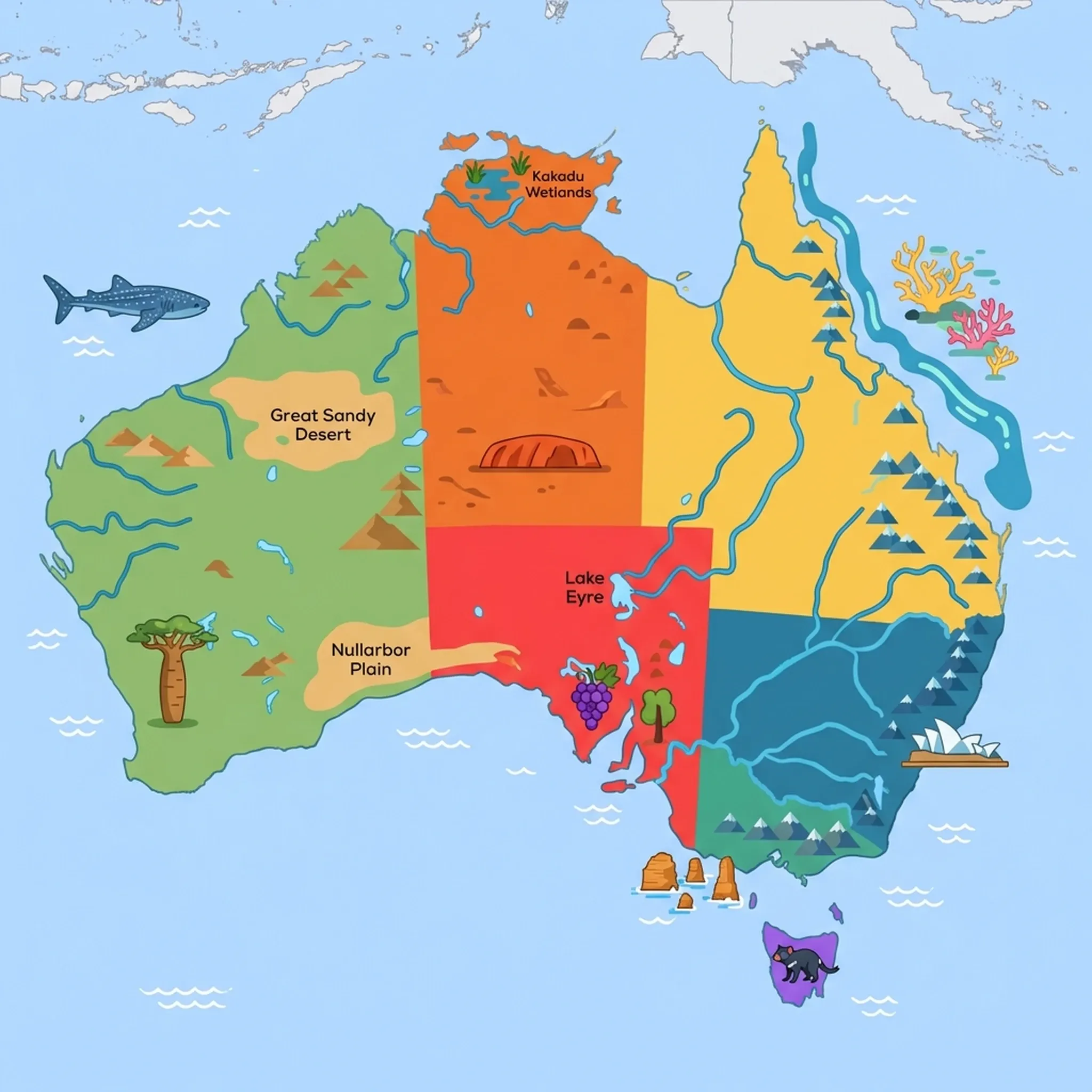
Click a region to explore
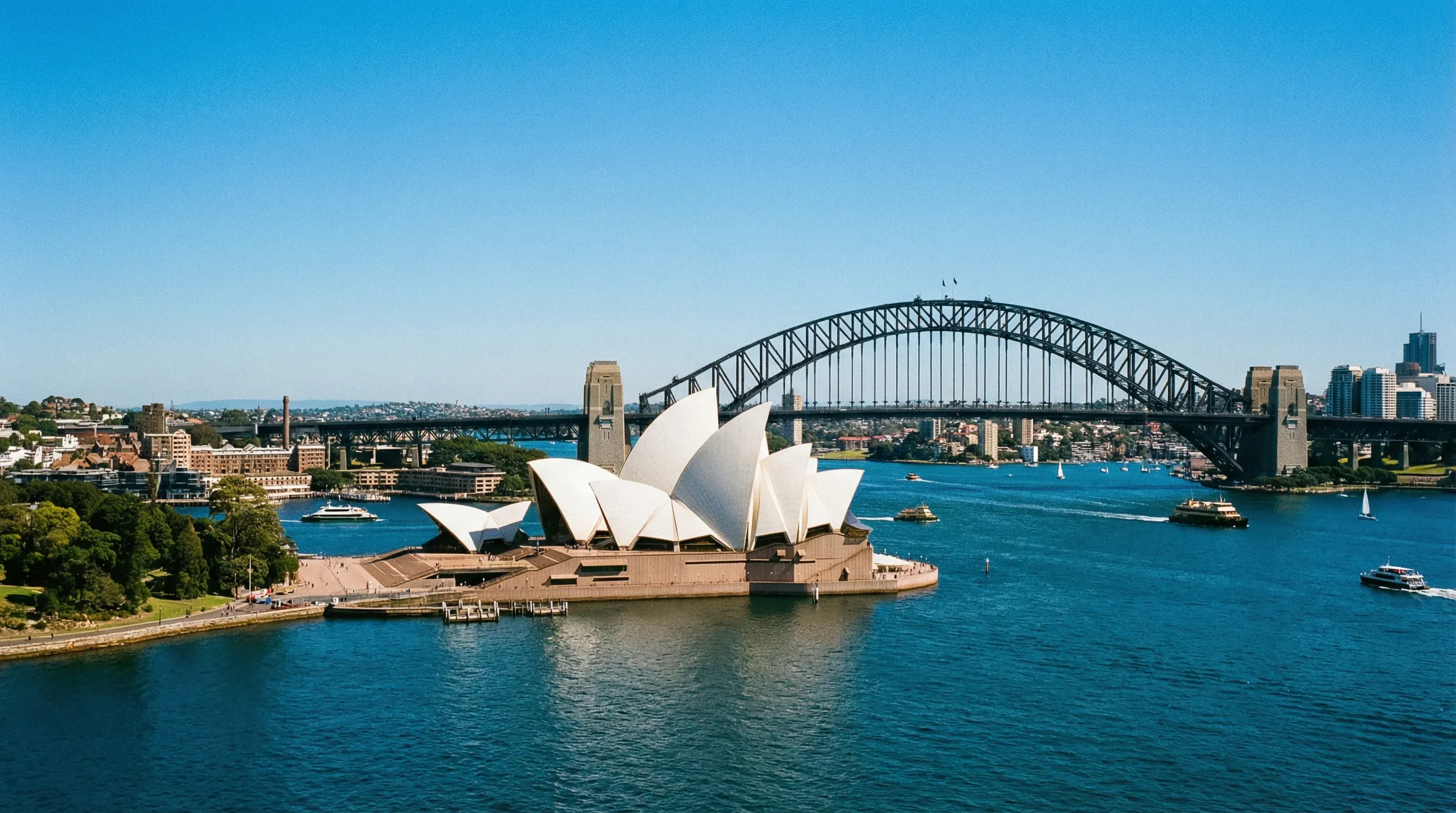
Sydney is a showstopper. Built around one of the world's most beautiful natural harbours, it is a city that lives outdoors. For families, the visual impact of the Opera House and Harbour Bridge is immediate, but it is the ferry rides, the hidden harbour beaches, and the coastal walks that make it truly special. The city is hilly and busy, but pockets of tranquility like the Royal Botanic Garden offering harbourside picnics are everywhere. It is a confident, fast-paced city, yet you are never far from the ocean. The 'beach culture' here is real—surf lifesaving clubs are community hubs, and weekends are spent on the sand.
Beyond Sydney, New South Wales (NSW) offers diverse landscapes within a few hours' drive. To the west, the Blue Mountains offer cool-climate rainforests, waterfalls, and dramatic cliffs that turn blue under the haze of eucalyptus oil. It is a hiker's paradise with trails for all abilities. To the north and south, the coastline is strung with sleepy surf towns and pristine national parks. Places like Byron Bay offer a bohemian, relaxed vibe where whale watching and surfing are daily rituals. The state also boasts Australia's highest peaks in the Snowy Mountains, offering hiking in summer and skiing in winter. NSW is well-connected and offers a high standard of tourism infrastructure, making it an easy 'first stop' for international families down under.
Key Attractions
In Sydney, the BridgeClimb Sydney is a bucket-list experience (min age 8) that gives you 360-degree views of the city. For a free thrill, walking across the bridge at road level is also spectacular. Bondi Beach is famous for a reason; families can swim between the flags or walk the scenic coastal path to Coogee. A ferry ride to Manly to visit Manly Beach is a cheap and scenic harbour cruise in itself. History comes alive at Cockatoo Island, a former convict site and shipyard in the middle of the harbour where you can even camp overnight.
Day-tripping to the Blue Mountains, families must see the Echo Point Lookout (Three Sisters). For a deeper dive into nature, the Blue Mountains Botanic Garden at Mount Tomah is cool and spacious. Further afield, the CSIRO Parkes Observatory ('The Dish') is a hit for space-obsessed kids. On the north coast, the Cape Byron Lighthouse marks the most easterly point of the mainland and is a prime spot for spotting dolphins.
Practical Advice
Sydney traffic can be heavy and parking expensive. Use the Opal card system for all public transport (ferries, trains, buses, light rail). Sunday travel is capped at a low price, making it the best day for long ferry trips. Summer (Dec–Feb) is humid and busy; shoulder seasons (Oct-Nov, March-April) are ideal.
Food & Drink
Typical meal times: Lunch 12:00 pm – 2:30 pm; Dinner 6:00 pm – 9:30 pm. Cafes open early (6:30 am) for breakfast.
Typical meal costs: Sydney is pricey. A cafe breakfast is A$25 (approx. $16 USD / €15 EUR). Dinner mains A$35–55 (approx. $23–36 USD / €21–33 EUR). 'Counter meals' in pubs are cheaper (A$25).
Dietary requirements: World-class. You will find options for every allergy and preference in Sydney and coastal towns.
Signature dishes:
- Sydney Rock Oysters – Smaller, creamier, and more mineral-tasting than Pacific oysters.
- Avocado Toast – Sydney claims to have perfected this global staple; expect high-quality sourdough and feta.
- Lamingtons – Sponge cake dipped in chocolate and rolled in coconut, a classic bakery treat.
- Fish and Chips – Best eaten out of paper on the beach, watching the waves (watch out for seagulls).
Why this score?
NSW offers excellent outdoor recreation, such as hiking in the Blue Mountains or surfing in Byron Bay, but these areas are highly developed and easily accessible. The infrastructure is designed for high-volume tourism, with well-marked trails, frequent public transport, and abundant amenities. It lacks the rugged isolation of the western or northern states, making it very comfortable but less adventurous.
Why this score?
Sydney is a world-class medical tourism hub with some of the highest-rated hospitals and specialist clinics globally. The density of high-quality healthcare providers is exceptional, and the city is a leader in medical research and multilingual patient support. For a visiting family, there is no place in the country with better access to diverse, high-end medical services and immediate emergency care.
Why this score?
Sydney is the quintessential Australian gateway and a world-class destination, with the Opera House and Bondi Beach serving as global icons. The region sees the highest volume of international arrivals in the country, supported by a sophisticated network of hotels, transport, and tour operators. It is a mandatory stop for nearly every first-time foreign visitor to Australia.

Sydney is the most expensive city in Australia. Budget A$300+ (approx. $200 USD / €180 EUR) per night for central hotels. To save money, stay in suburbs near train lines or visit free attractions like the <a data-attraction-id="36268">Art Gallery of New South Wales</a> and the <a data-attraction-id="36274">Australian Museum</a> (kids often free). Public transport caps are family-friendly.
Family Travel Notice
Parents should be highly attentive to weather warnings, as infants and children are particularly vulnerable to extreme heatwaves. Ensure children are protected from high UV levels and stay hydrated during outdoor activities.

Getting Here & Around
Getting Here
- Airports – Sydney Kingsford Smith (SYD) is Australia's busiest gateway. The airport train gets you to the city in 15 minutes.
- Train – Central Station connects regional NSW and interstate lines (XPT to Melbourne/Brisbane).
- Driving – The Pacific Highway (north) and Princes Highway (south) are the main coastal arteries.
Getting Around
- Public Transport – The Opal card covers trains, buses, light rail, and ferries. Ferries are the most scenic way to travel, especially to Manly Beach or Cockatoo Island.
- Car – Useful for the Blue Mountains Botanic Garden or coastal road trips, but a hassle in Sydney CBD due to traffic and parking costs.
- Walking – The Great North Walk sections in Sydney offer bushwalking within the city limits.
Nearby Airports (27 airports)
Albury
ABXAlbury
Armidale
ARMArmidale
Broken Hill
BHQBroken Hill
Ballina
BNKBallina
Bourke
BRKBourke
Cobar
CAZCobar
Canberra
CBRCanberra
Coffs Harbor
CFSCoffs Harbour
Dubbo City Regional Airport
DBODubbo
Mudgee Airport
DGEMudgee
Griffith
GFFGriffith
Inverell
IVRInverell
Lightning Ridge Airport
LHGLightning Ridge
Merimbula
MIMMerimbula
Moree
MRZMoree
Moruya
MYAMoruya
Narrabri
NAANarrabri
Narrandera Airport
NRANarrandera
Newcastle Airport
NTLNewcastle
Orange
OAGOrange
Parkes Airport
PKEParkes
Port Macquarie
PQQPort Macquarie
Kingsford Smith International Airport
SYDSydney
Tamworth
TMWTamworth
Wagga Wagga
WGAWagga Wagga
Walgett Airport
WGEWalgett
Illawara Airport
WOLWollongong
View full flight map for Australia →
Official Links

Packing List
Needed for all transport; having one for each family member (or child Opal cards) speeds up travel.
Sydney beaches have fine sand that sticks to everything; these towels save mess in the hotel.
You will do a lot of walking on concrete and coastal paths; thongs (flip-flops) offer no support.
Sydney can have sudden, heavy downpours even in summer.
UV is extreme; t-shirts offer little protection. A UPF50+ swim shirt is essential for kids.
Crucial for the Outback/Red Centre where flies are relentless and swarm faces constantly.
Thick colored sunblock for noses/lips; stays on in surf better than lotion and kids love the colors.
Picnics are a national pastime; keeps snacks cool during long drives or beach days.
Required in some marine parks to protect coral; buy 'broad spectrum' specifically.
Australian plugs are unique (Type I); one adapter plus a strip charges all family devices.

Activities & Best Times

Hiking, wildlife, outdoor exploration, ecotourism
Home to the World Heritage Blue Mountains and diverse national parks offering authentic wilderness immersion. Spring and autumn provide optimal mild temperatures for hiking and wildlife spotting, avoiding summer heat and winter frosts.

Urban tourism, museums, historical sites, architecture
Sydney is a world-class cultural hub featuring the iconic Opera House, historic quarters, and a sophisticated culinary scene. Peak interest aligns with major events like Vivid and NYE, plus the vibrant festive atmosphere of summer.
Beach resorts, marine activities: diving, snorkelling, kite surfing, wind surfing, sailing
Bondi and Manly are globally iconic urban beaches. Byron Bay is internationally renowned. While excellent quality, the temperate climate (not year-round swimming like QLD) keeps it at very_good rather than excellent.

Learning experiences, scientific sites, historical education
Features destination-level facilities including the SEA LIFE Sydney Aquarium and the Australian Museum for world-class learning. Peak family visitation follows the Australian school holiday calendar when specialized interactive programming is available.

Events, celebrations, seasonal attractions
Sydney NYE is globally televised and iconic. Mardi Gras is one of the world's largest LGBTQ+ events. Vivid Sydney draws international visitors. These are genuinely world-class festival events, not just nationally significant.

Sport tourism, fitness activities, active recreation
Provides world-class active infrastructure including the Sydney Harbour BridgeClimb and extensive coastal walking tracks. Spring and autumn are the peak periods for physical activity to avoid the high UV and heat of mid-summer.

Spa retreats, wellness centers, peaceful getaways
Boasts unique experiences like the Yarrangobilly thermal pools and high-end wellness retreats in Byron Bay. Winter is peak for thermal bathing, while summer is preferred for coastal spa and yoga retreats.

Scenic drives, countryside tours, route-based travel
Named scenic routes like the Grand Pacific Drive offer world-class coastal vistas and well-maintained infrastructure. Best experienced in transition seasons to enjoy clear skies and comfortable temperatures for sightseeing stops.

Winter sports, ski resorts, snow activities
Australian ski resorts are small by international standards. Perisher has ~47 lifts vs 200+ at major Alpine resorts. Short season (June-Oct) with unreliable snow. While infrastructure exists, this is not internationally competitive skiing.
Amusement parks, family entertainment venues
Jamberoo and Big Banana are regional family attractions, not internationally significant theme parks. Downgrade for consistency - these are small-scale compared to Queensland's offering.

Attractions (46 total)



Public Holidays & Calendar Next 12 months
Public holidays, festivals, cultural celebrations, and seasonal natural phenomena coming up in Sydney & New South Wales over the next 12 months.
Loading holidays and events...

Travel Advisory
All major international agencies agree that Australia maintains a stable security environment where standard safety awareness is sufficient for travellers.
Safety Topics
Traveller Advice (5 groups)

When exploring the outback or remote regions, ensure you carry extensive supplies of fuel, water, and food. It is vital to have a reliable means of communication, such as a satellite phone or an emergency beacon, as mobile coverage is non-existent in many areas.

Australia is considered a welcoming destination for LGBTQ+ visitors, with established legal protections and a generally inclusive atmosphere.

Parents should be highly attentive to weather warnings, as infants and children are particularly vulnerable to extreme heatwaves. Ensure children are protected from high UV levels and stay hydrated during outdoor activities.

During summer months, older travellers should take extra care to avoid heatstroke and dehydration. It is recommended to stay in climate-controlled environments like shopping centres or libraries during peak heat and avoid long-distance driving in extreme conditions.

While Australia is generally safe, female solo travellers are encouraged to follow standard safety protocols and consult specific resources for independent travel provided by government agencies.
Agency Summaries
Australia is generally considered safe for visitors, with security conditions comparable to those in Canada. While the overall risk is low, travellers should remain vigilant regarding petty crimes like theft and vehicle break-ins, particularly in urban centers. Significant emphasis is placed on environmental hazards, including severe heatwaves, the potential for cyclones in northern regions, and the extreme isolation of the outback which requires thorough preparation.
New Zealand emphasizes the importance of staying informed about the national terrorism threat level and environmental risks. The advice specifically highlights the dangers of local wildlife, such as crocodiles and venomous snakes, and reminds New Zealanders of their special visa status and healthcare rights while visiting.
The British government advises that normal safety measures are sufficient for Australia. It notes that while the country is stable, there is an ongoing global risk of terrorism and seasonal threats from bushfires between October and February. Travellers are encouraged to ensure their insurance covers specific regional activities, including adventure travel and remote outback explorations.
Ireland advises its citizens that Australia is safe but strictly regulated. Key advice includes complying with visa conditions to avoid detention or deportation and being aware of the strict approach taken by local police toward public order and laws. Irish visitors are also reminded of the reciprocal healthcare benefits available, though private insurance remains highly recommended.
Visitors should maintain standard safety awareness throughout the country. US authorities highlight the importance of enrolling in local safety programs and preparing for natural events such as bushfires and severe storms. Detailed guidance is provided for those venturing into remote areas, where road conditions and the distance between settlements pose unique challenges.
Information is provided for general guidance only and does not constitute travel, safety, medical, or legal advice. Conditions may change. Users are responsible for independently verifying information before travel.