
Tasmania
A wilderness island of devils, history, and clean air 😈🌲🏔️
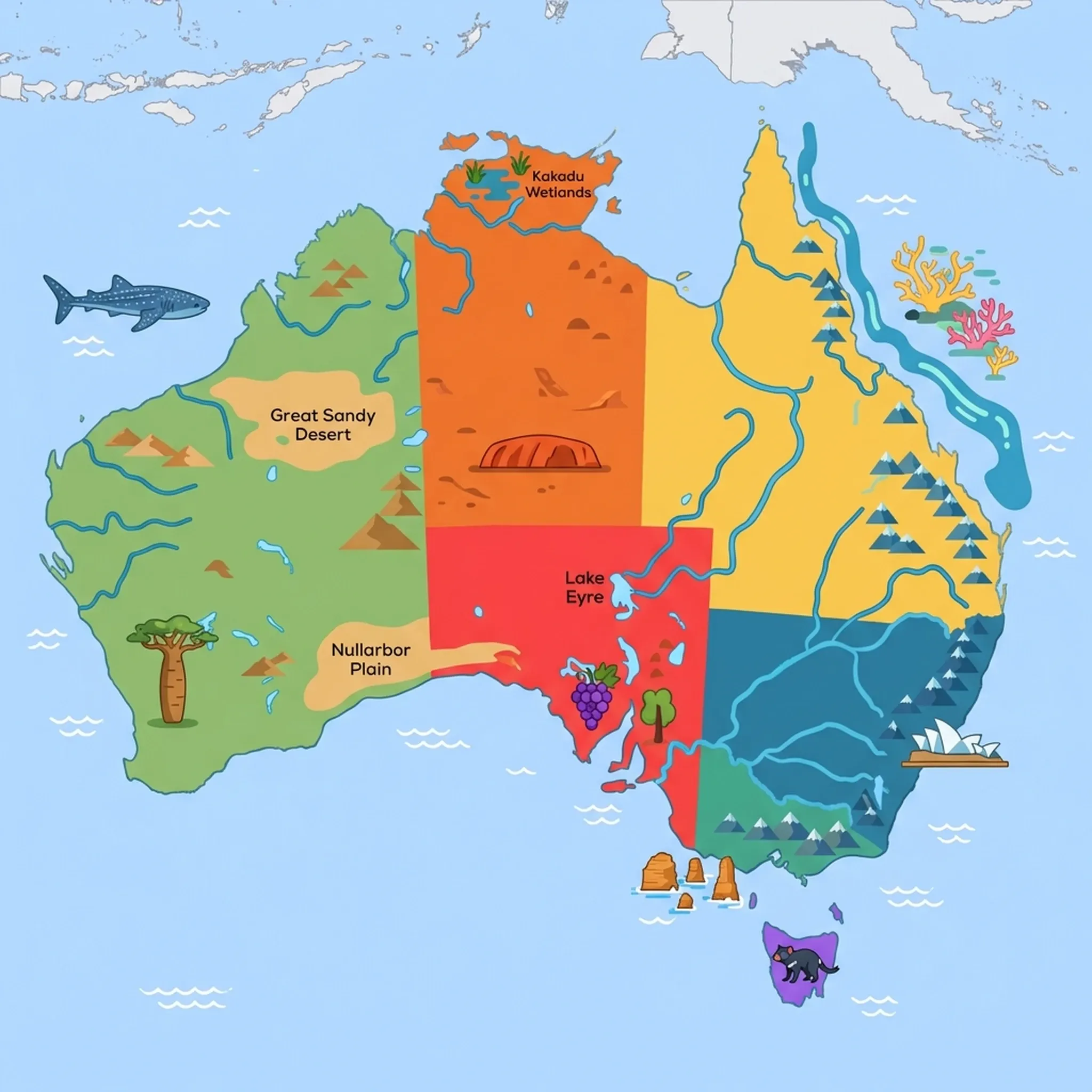
Click a region to explore
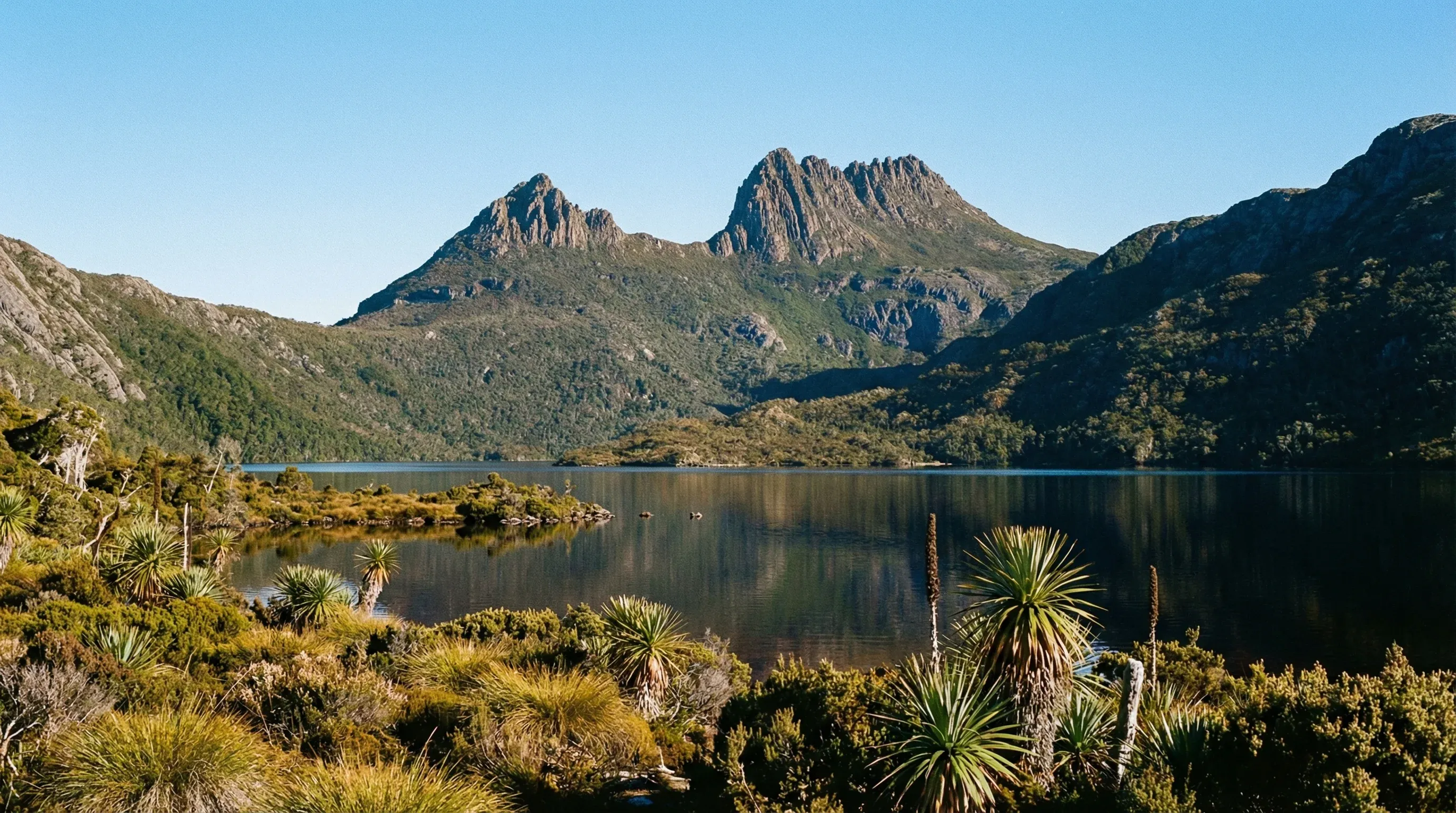
Tasmania (Tassie) is widely considered the jewel in Australia's crown for nature lovers. It is an island of dramatic contrasts: jagged mountains, calm bays, dense ancient rainforests, and rolling English-style farmland. For families, the scale is perfect. You can drive from the beach to the mountains in two hours. The air here is recorded as some of the cleanest in the world, and the wilderness feels untouched. Hobart, the capital, is small, artistic, and nestled under the imposing Mount Wellington (kunanyi). It is famous for the Museum of Old and New Art (MONA), which, while edgy, has plenty to intrigue children (though some exhibits are adult-only).
History is palpable here. Tasmania was a major convict settlement, and places like Port Arthur Historic Site tell this dark history in a way that is engaging and educational, not just gloomy. The wildlife is another major draw—this is the only place to see Tasmanian Devils in the wild (though they are elusive). The pace of life is slower than the mainland. Roads are winding and scenic, inviting you to stop at farm gates for fresh berries or cheese. The weather is cooler, more like New Zealand or the UK, which can be a relief from the mainland heat. It is a destination that encourages hiking, exploring tide pools, and sitting by a log fire at night.
Key Attractions
Port Arthur Historic Site is an absolute must. The entry ticket covers two days, which is great for families. It includes a harbour cruise and evocative tours of the ruins. For wildlife, Bonorong Wildlife Sanctuary near Hobart is exceptional for seeing Devils, wombats, and kangaroos; their night tours are fantastic. Nature lovers should head to Freycinet National Park to see the famous Wineglass Bay, or to Cradle Mountain in the highlands, where wombats graze openly near the walking tracks.
In the north, the Bay of Fires offers incredible orange-lichen covered rocks and white sand beaches. Near Launceston, the Bridestowe Lavender Estate is a visual delight in summer (Dec-Jan) and sells the famous lavender ice cream and teddy bears. In Hobart, wandering Battery Point feels like stepping back into a 19th-century village.
Practical Advice
Tasmania is cold. Even in summer, temperatures can drop to 5°C (41°F) in the mountains. Pack varied clothing. A "National Parks Pass" is essential for entry to all parks and saves money. Roads can be winding and narrow; allow extra time for travel distances.
Food & Drink
Typical meal times: Lunch 12:00 pm – 2:00 pm; Dinner 6:00 pm – 8:30 pm. In small towns, finding food after 8:00 pm can be difficult.
Typical meal costs: Produce is local and high quality. Mains A$30–45 (approx. $20–30 USD / €18–27 EUR). Bakery lunches are cheap and excellent (A$10–15).
Dietary requirements: Hobart and Launceston are great. Regional areas are improving but basics are always available. The focus is on fresh, local ingredients.
Signature dishes:
- Scallop Pie – Curried scallops baked in a flaky pie pastry. A Tassie icon found in most bakeries.
- Leatherwood Honey – A unique, spicy honey produced only in Tasmania's rainforests.
- Atlantic Salmon – Tasmania is a major producer; the salmon is fresh, fatty, and delicious.
- Wasabi Cheese – The dairy industry is huge here; look for artisan cheeses at farm gates.
Why this score?
Tasmania is Australia's most mountainous state, offering a temperate wilderness that is significantly more rugged and weather-dependent than the mainland. National parks like Cradle Mountain-Lake St Clair provide challenging terrain and truly wild environments that can change rapidly. The island's compact nature allows families to access deep wilderness much more quickly than in the larger states.
Why this score?
Hobart and Launceston provide high-quality medical services, but the island's rural nature means that outside of these two hubs, facilities are much smaller. While the quality of care is high and the system is easy for foreigners to navigate, specialized treatment often necessitates travel to the major cities. The state's healthcare is reliable but lacks the sheer scale and density of the mainland metropolitan centers.
Why this score?
Tasmania is a moderate-tourism region that has transitioned from a domestic favorite to an emerging international niche destination for food and nature. While it lacks the mass-market appeal of the Gold Coast, its unique wilderness and heritage attract a sophisticated international demographic. Total visitor numbers are growing but remain the lowest of the Australian states due to its island location.

Tasmania can be affordable if you self-cater and hike. Car hire is the biggest expense and stock is limited—book months ahead. Accommodation ranges from cabins (A$150) to boutique hotels (A$300+). A National Parks Holiday Pass (per vehicle) is approx. A$80 (approx. $53 USD / €48 EUR) and covers all parks for up to 8 weeks, offering huge value.
Family Travel Notice
Parents should be highly attentive to weather warnings, as infants and children are particularly vulnerable to extreme heatwaves. Ensure children are protected from high UV levels and stay hydrated during outdoor activities.

Getting Here & Around
Getting Here
- Airports – Hobart (HBA) and Launceston (LST) are the main entry points, with frequent flights from Melbourne, Sydney, and Brisbane.
- Ferry – The Spirit of Tasmania sails from Geelong (near Melbourne) to Devonport. It is an overnight or day sailing that allows you to bring your own car.
Getting Around
- Car – Absolutely essential. Public transport is limited to main towns. The drive from Hobart to Cradle Mountain-Lake St Clair National Park takes about 4.5 hours.
- Walking – Tassie is a walker's paradise. Tracks are well-marked. The walk to the Wineglass Bay lookout in Freycinet National Park is steep but achievable for active kids.
Nearby Airports (5 airports)
Wynyard Airport
BWTBurnie
Devonport
DPODevonport
Hobart
HBAHobart
King Island Airport
KNSKing Island
Launceston
LSTLaunceston
View full flight map for Australia →

Packing List
Even in summer, mountain areas and evenings can be freezing. Essential year-round.
Roads are winding and hilly; kids in the back seat will likely need these.
Hiking boots and cold floors in cabins make these a comfort essential.
Wind chill on coastal walks and mountain lookouts is significant.
UV is extreme; t-shirts offer little protection. A UPF50+ swim shirt is essential for kids.
Crucial for the Outback/Red Centre where flies are relentless and swarm faces constantly.
Thick colored sunblock for noses/lips; stays on in surf better than lotion and kids love the colors.
Picnics are a national pastime; keeps snacks cool during long drives or beach days.
Required in some marine parks to protect coral; buy 'broad spectrum' specifically.
Australian plugs are unique (Type I); one adapter plus a strip charges all family devices.

Activities & Best Times

Hiking, wildlife, outdoor exploration, ecotourism
Tasmania is a global leader in wilderness tourism, featuring the iconic Cradle Mountain and Freycinet National Parks with unique endemic wildlife. Summer and early autumn provide the most stable weather for traversing its diverse alpine and coastal ecosystems.

Urban tourism, museums, historical sites, architecture
The state features a sophisticated blend of colonial heritage at Port Arthur and contemporary art at MONA, alongside Hobart's vibrant waterfront culture. Peak summer months align with major cultural festivals and optimal walking weather for exploring historic districts.

Sport tourism, fitness activities, active recreation
Home to world-class walking infrastructure including the Overland Track and the Three Capes Track which offer premium hut-based trekking experiences. The primary hiking season runs from October to May, with peak demand during the stable summer months.
Beach resorts, marine activities: diving, snorkelling, kite surfing, wind surfing, sailing
The region boasts some of the world's most beautiful beaches, such as Wineglass Bay, though water temperatures remain crisp year-round. International visitors favor the height of summer for coastal recreation when air temperatures are most favorable.

Scenic drives, countryside tours, route-based travel
Celebrated routes like the Great Eastern Drive offer world-class coastal views and access to artisanal food producers. Summer and autumn provide the best visibility and safest driving conditions for exploring the island's winding, scenic roads.

Events, celebrations, seasonal attractions
The mid-winter Dark Mofo festival is a globally unique cultural event that draws sophisticated travelers despite the cold. The summer season features the finish of the Sydney-Hobart Yacht Race and associated food festivals.

Spa retreats, wellness centers, peaceful getaways
Features unique natural thermal experiences at Hastings Caves, though the region lacks the high density of destination spas found in global wellness hubs. Best visited during warmer months to combine bathing with the surrounding nature walks.

Winter sports, ski resorts, snow activities
Limited ski infrastructure at Ben Lomond and Mt Mawson offers a niche alpine experience for those seeking local character. Snow reliability is low by international standards, with activity restricted to the core winter months.

Attractions (31 total)



Public Holidays & Calendar Next 12 months
Public holidays, festivals, cultural celebrations, and seasonal natural phenomena coming up in Tasmania over the next 12 months.
Loading holidays and events...

Travel Advisory
All major international agencies agree that Australia maintains a stable security environment where standard safety awareness is sufficient for travellers.
Safety Topics
Traveller Advice (5 groups)

When exploring the outback or remote regions, ensure you carry extensive supplies of fuel, water, and food. It is vital to have a reliable means of communication, such as a satellite phone or an emergency beacon, as mobile coverage is non-existent in many areas.

Australia is considered a welcoming destination for LGBTQ+ visitors, with established legal protections and a generally inclusive atmosphere.

Parents should be highly attentive to weather warnings, as infants and children are particularly vulnerable to extreme heatwaves. Ensure children are protected from high UV levels and stay hydrated during outdoor activities.

During summer months, older travellers should take extra care to avoid heatstroke and dehydration. It is recommended to stay in climate-controlled environments like shopping centres or libraries during peak heat and avoid long-distance driving in extreme conditions.

While Australia is generally safe, female solo travellers are encouraged to follow standard safety protocols and consult specific resources for independent travel provided by government agencies.
Agency Summaries
Australia is generally considered safe for visitors, with security conditions comparable to those in Canada. While the overall risk is low, travellers should remain vigilant regarding petty crimes like theft and vehicle break-ins, particularly in urban centers. Significant emphasis is placed on environmental hazards, including severe heatwaves, the potential for cyclones in northern regions, and the extreme isolation of the outback which requires thorough preparation.
New Zealand emphasizes the importance of staying informed about the national terrorism threat level and environmental risks. The advice specifically highlights the dangers of local wildlife, such as crocodiles and venomous snakes, and reminds New Zealanders of their special visa status and healthcare rights while visiting.
The British government advises that normal safety measures are sufficient for Australia. It notes that while the country is stable, there is an ongoing global risk of terrorism and seasonal threats from bushfires between October and February. Travellers are encouraged to ensure their insurance covers specific regional activities, including adventure travel and remote outback explorations.
Ireland advises its citizens that Australia is safe but strictly regulated. Key advice includes complying with visa conditions to avoid detention or deportation and being aware of the strict approach taken by local police toward public order and laws. Irish visitors are also reminded of the reciprocal healthcare benefits available, though private insurance remains highly recommended.
Visitors should maintain standard safety awareness throughout the country. US authorities highlight the importance of enrolling in local safety programs and preparing for natural events such as bushfires and severe storms. Detailed guidance is provided for those venturing into remote areas, where road conditions and the distance between settlements pose unique challenges.
Information is provided for general guidance only and does not constitute travel, safety, medical, or legal advice. Conditions may change. Users are responsible for independently verifying information before travel.