
Salzkammergut Lakes & Mountains
The cinematic land of salt mines and crystal-clear lakes ⛰️
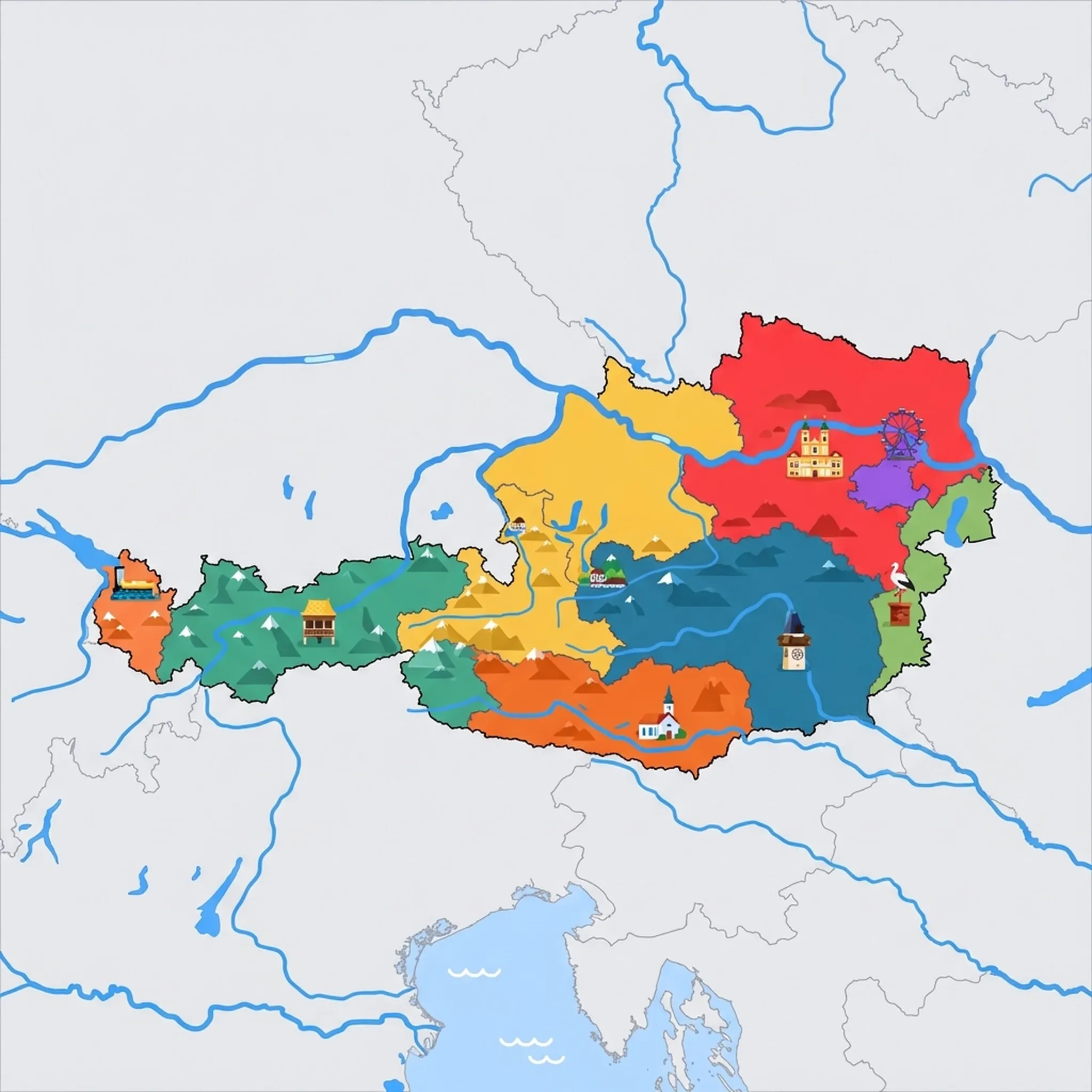
Click a region to explore
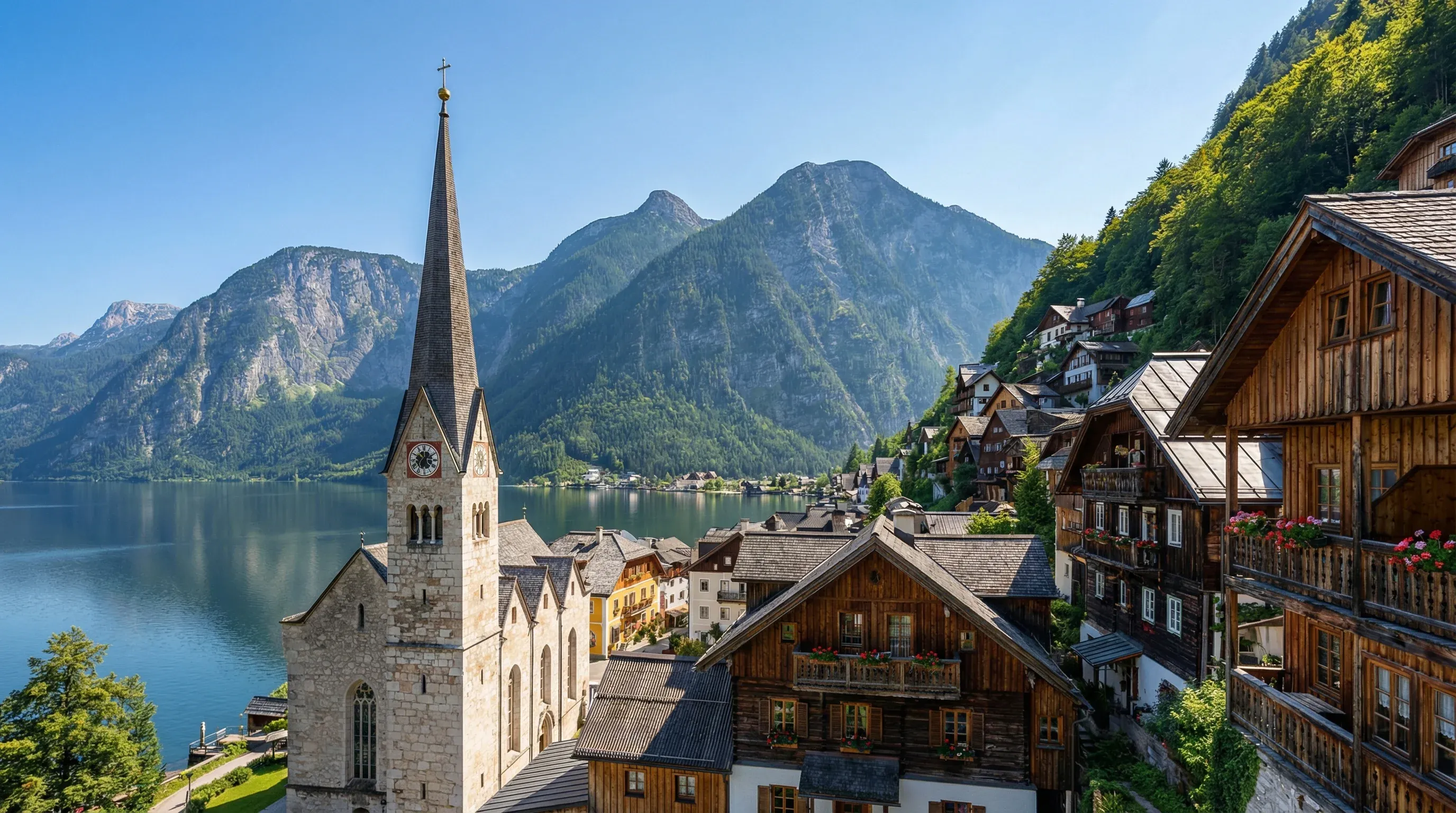
The Salzkammergut is arguably the most visually stunning region in Austria, a landscape so dramatic it was chosen as the setting for "The Sound of Music." For families, it offers a deep dive into nature and history. The region is defined by its salt mining heritage ('Salz' means salt), which brought wealth to the area for millennia. Today, this legacy translates into thrilling underground adventures where children can don protective suits and slide down the wooden chutes once used by miners. Above ground, the landscape is dotted with 76 lakes, ranging from the fjord-like Hallstätter See to the warmer, swim-friendly Wolfgangsee and Attersee.
The region feels timeless, with cogwheel trains chugging up mountains and paddle steamers crossing the lakes. It is an excellent destination for families who want variety: you can be hiking a glacier in the morning, exploring an imperial villa in the afternoon, and swimming in a lake by evening. The infrastructure is highly developed for tourism, meaning easy access to strollers, well-marked paths, and plenty of family amenities. However, its popularity means it can be busy, so it rewards families who start their days early. Whether you are exploring the ice caves of the Dachstein or enjoying a boat ride, the scenery is constantly breathtaking.
Key Attractions
The headline act is Hallstatt Old Town, but for kids, the real fun is above it at the Salzwelten Hallstatt. The funicular ride up is steep, and the tour inside the salt mine includes multimedia shows, an underground lake, and long wooden slides that are a hit with all ages. For a day of pure fun, Fantasiana Erlebnispark Straßwalchen is a whimsical theme park with distinctively detailed areas, from dinosaur forests to western towns, perfect for under-12s. Animal lovers should visit Cumberland Wildpark Grünau, a massive natural park where bears, wolves, and lynx roam in huge enclosures that feel like the wild. History buffs will enjoy the Kaiservilla in Bad Ischl, the summer residence of Emperor Franz Joseph, which is surrounded by a park perfect for picnics.
Practical Advice
The weather in the Salzkammergut is notoriously changeable; "Schnürlregen" (string rain) is a local term for the persistent drizzle that can set in. Always pack waterproofs. Hallstatt is incredibly crowded with day-trippers; visit before 9:00 am or after 4:00 pm for a peaceful experience. The "Salzkammergut Card" offers up to 25% discounts on attractions.
Food & Drink
Typical meal times: Lunch 12:00 pm to 2:00 pm. Dinner 6:00 pm to 9:00 pm. Afternoon coffee and cake (3:00 pm - 5:00 pm) is a cultural institution here.
Typical meal costs: Expect to pay €15–28 (approx. $16–30 USD / £13–24 GBP) for a main course. Fish from the lakes commands a premium.
Dietary requirements: Standard Austrian fare dominates, but the high volume of international tourists means vegetarian and allergy-aware options are widely available in towns like Bad Ischl and St. Wolfgang.
Signature dishes:
- Salzburger Nockerl – Technically from the city, but popular here: a giant, sweet soufflé representing the three local mountains.
- Reinanke – A whitefish caught daily from the local lakes, usually served pan-fried with potatoes and butter.
- Zaunerstollen – A nougat-praline-chocolate log from the famous Konditorei Zauner in Bad Ischl.
- Bauernkrapfen – A large yeast doughnut, served either sweet with apricot jam or savoury with sauerkraut.
Why this score?
The region offers diverse outdoor activities including deep salt mines, massive ice caves, and the rugged Dachstein massif. While mountainous, the highly developed cable car infrastructure and tourist paths make these adventures very accessible to the average family.
Why this score?
The region is well-served by hospitals in Bad Ischl and Gmunden, which are highly proficient in treating tourist-related injuries. For more complex cases, the world-class medical facilities in nearby Salzburg or Linz are easily reachable.
Why this score?
This is a premier international destination, anchored by the global icon of Hallstatt and the popular Wolfgangsee. It consistently ranks as one of Austria's most visited areas by tourists from Asia, North America, and across Europe.

Due to global fame, this is one of Austria's pricier regions. Hotels in Hallstatt or St. Wolfgang can easily exceed €200–300 (approx. $215–325 USD / £170–255 GBP) per night. Dining and parking fees add up. Staying in smaller villages like Ebensee or Bad Goisern saves money.
Family Travel Notice
Single parents or guardians traveling with minors who are not their own should carry notarized consent letters and proof of relationship to prevent delays at border control.

Getting Here & Around
Getting Here
- Train – The main line connects Attnang-Puchheim to Bad Ischl and Hallstatt. It is scenic but can be slow.
- Driving – The B145 and B158 roads are the main arteries. Driving is the most flexible way to link the lakes.
- Bus – Frequent Postbus services connect the train stations to the lakeside towns like St. Wolfgang which have no rail access.
Getting Around
- Boat – The ferry services on Wolfgangsee, Attersee, and Hallstätter See are iconic and often the stress-free way to reach centers like Hallstatt Old Town.
- Cable Car – Essential for reaching high peaks like the Dachstein without hiking.
- Car – Parking can be scarce and expensive in Hallstatt and St. Wolfgang; use Park & Ride lots where possible.
Nearby Airports (2 airports)
Horsching International Airport (Aus - Afb)
LNZLinz
Salzburg Airport
SZGSalzburg
View full flight map for Austria →
Official Links

Packing List
The region is famous for sudden, heavy rainfall even in summer.
Salt mines and ice caves are slippery and cold (constant 8°C/46°F).
Even if it is 30°C outside, you need a fleece for the salt mines and ice caves.
Tick-borne encephalitis is a risk in tall grass and forests; essential for hikers.
Many mountain huts (Almhütten) and small rural cafes do not accept cards.
Tap water is pure alpine spring water almost everywhere—don't buy plastic.
Essential for safe traction on alpine trails and walking on city cobblestones.
Austria has no ocean, but its crystal-clear lakes are a summer highlight.

Activities & Best Times

Hiking, wildlife, outdoor exploration, ecotourism
Home to the UNESCO-listed Hallstatt-Dachstein landscape, offering spectacular limestone massifs and crystalline lakes. Peak summer months provide optimal conditions for high-altitude hiking and lake-based exploration, while shoulder months offer stunning autumn foliage.

Urban tourism, museums, historical sites, architecture
Rich in Habsburg history with the Kaiservilla and world-famous Hallstatt salt heritage. Summer is the cultural peak for sightseeing, while December is internationally renowned for authentic Advent markets and traditional Krampus parades.

Sport tourism, fitness activities, active recreation
Features an elite network of cycling paths (R2) and the long-distance BergeSeen hiking trail. Ideal conditions exist in summer for mountain sports, with snow making trails inaccessible during the long winter season.

Learning experiences, scientific sites, historical education
Features the world's oldest salt mine at Hallstatt and the significant Dachstein Giant Ice Caves. These unique geological and historical sites are best visited from late spring to early autumn when access to mountain caves is safest and most comfortable.

Scenic drives, countryside tours, route-based travel
The Austrian Romantic Road traverses the region, connecting scenic lakes and mountain passes like Postalm. Peak travel occurs when high-altitude panoramic roads are fully open and snow-free, typically June through September.

Winter sports, ski resorts, snow activities
Family-oriented resorts like Dachstein West offer reliable snow and high-quality infrastructure from December through March. April offers spring skiing conditions, while the rest of the year is focused on non-snow activities.
Amusement parks, family entertainment venues
Fantasiana and specialized parks like Abarena offer high-quality family entertainment in authentic settings. Most outdoor entertainment venues operate strictly seasonally, with peak attendance during the warm school holiday months of July and August.

Events, celebrations, seasonal attractions
The Daffodil Festival in May and Wolfgangsee Advent in December are the region's standout international events. Travel is highly concentrated around these specific festival windows, which offer a unique glimpse into local Styrian and Salzkammergut traditions.

Attractions (22 total)



Public Holidays & Calendar Next 12 months
Public holidays, festivals, cultural celebrations, and seasonal natural phenomena coming up in Salzkammergut Lakes & Mountains over the next 12 months.
Loading holidays and events...

Travel Advisory
All major agencies agree that Austria is a low-risk destination where standard personal safety awareness is sufficient.
Safety Topics
Traveller Advice (3 groups)

Single parents or guardians traveling with minors who are not their own should carry notarized consent letters and proof of relationship to prevent delays at border control.

The social environment is inclusive and same-sex relationships are legally recognized. Travelers are unlikely to face issues, though standard discretion in less urban areas is always a balanced approach.

Mountain enthusiasts should monitor avalanche warnings closely before skiing or hiking. It is essential to have specialized insurance that covers alpine rescue and medical evacuation by air.
Agency Summaries
Austria is considered a safe destination where travelers should apply standard safety measures. Risks are comparable to those found in Canada.
Austria maintains a low threat profile. While general vigilance is recommended due to global trends, the local situation is very safe.
The country is categorized at the lowest risk level. Visitors are advised to follow standard security protocols and stay informed of local conditions.
No specific warnings against travel are in place. The environment is stable, though visitors should remain aware of their surroundings in urban centers.
Ireland advises its citizens to follow typical safety routines while visiting. The country remains a low-risk destination for international visitors.
General safety levels are high. Travelers are advised to use common sense and be alert to petty crime in areas popular with tourists.
Information is provided for general guidance only and does not constitute travel, safety, medical, or legal advice. Conditions may change. Users are responsible for independently verifying information before travel.