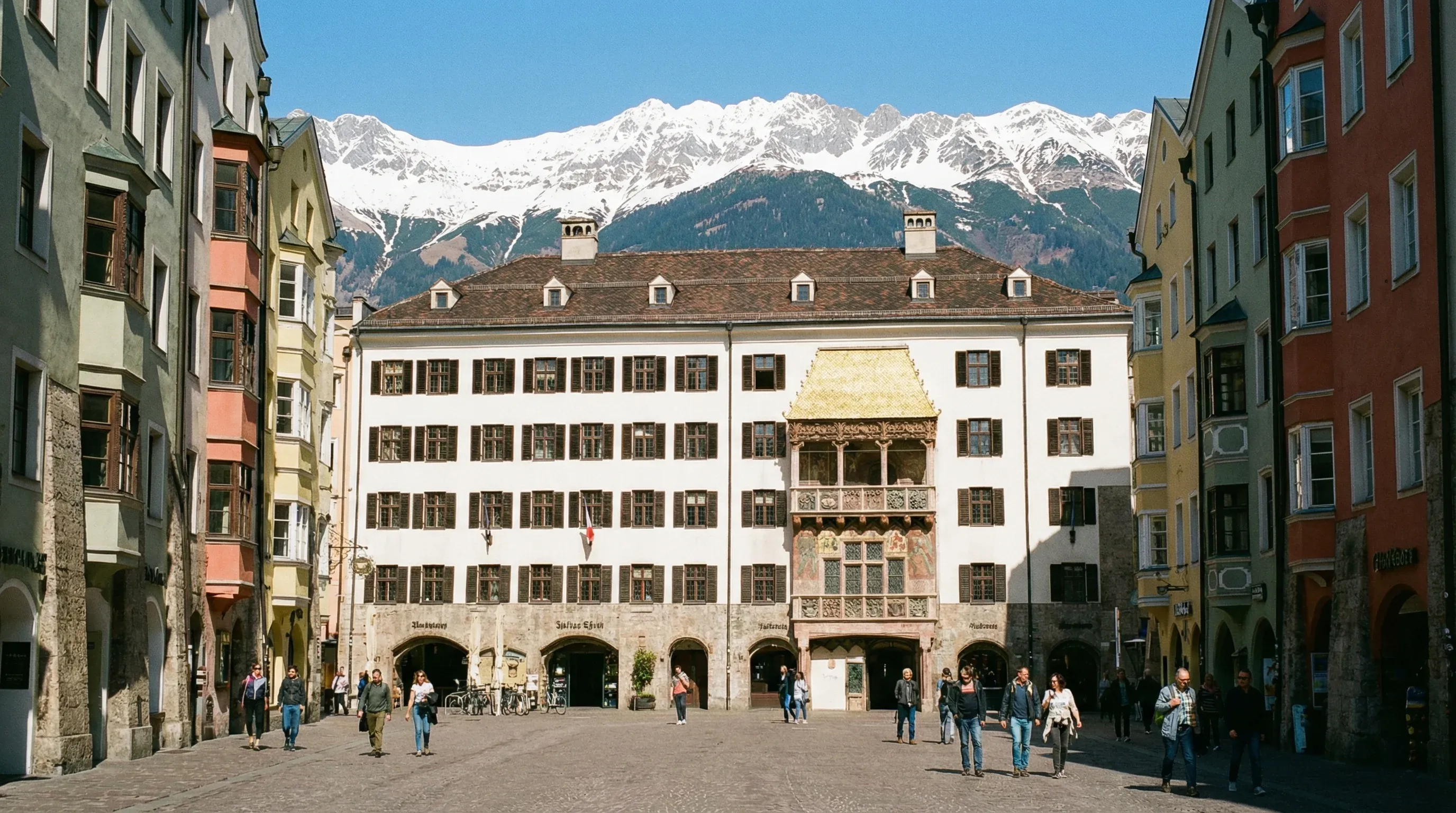

Tyrolean Alps
An Alpine playground of peaks, glaciers, and adventure parks 🏔️
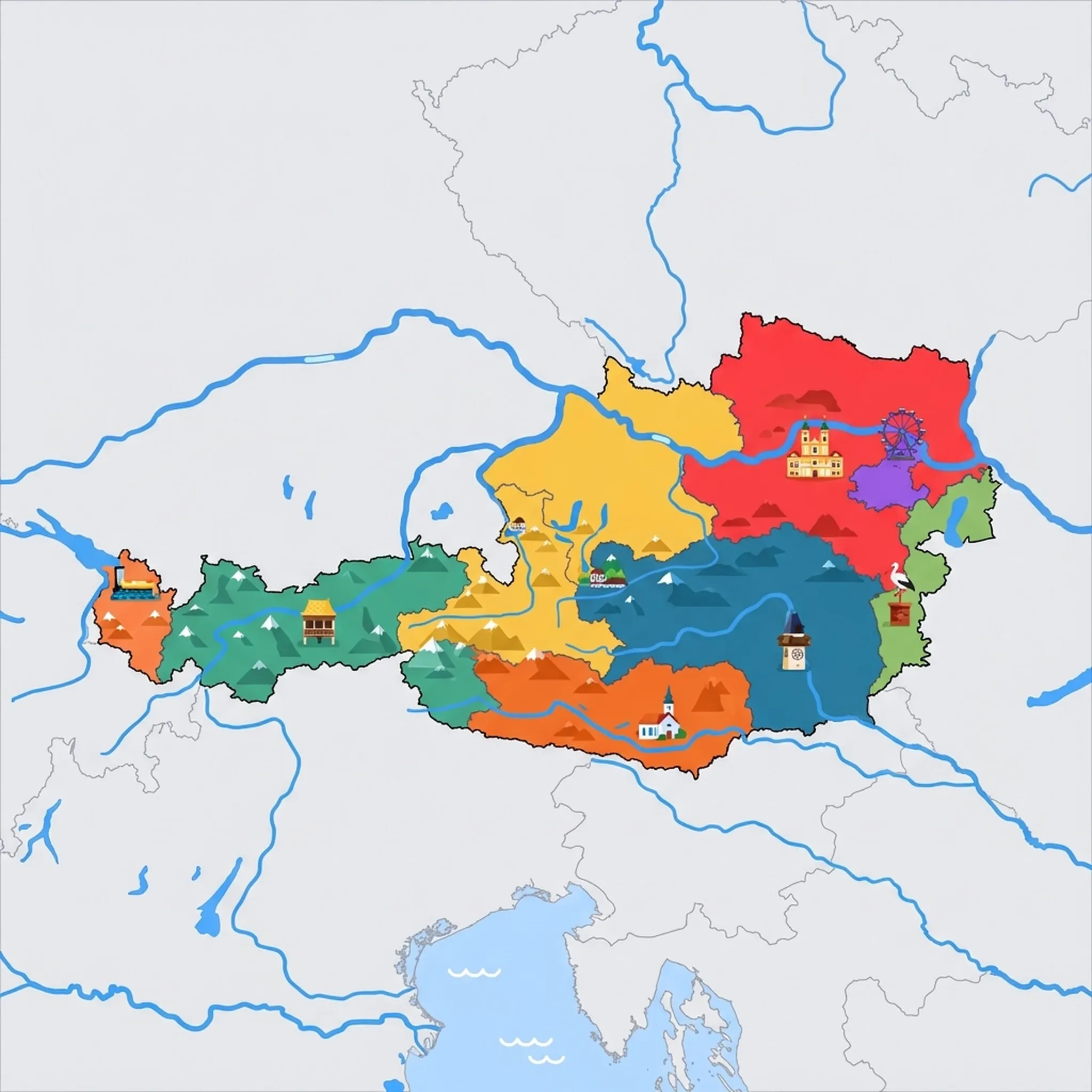
Click a region to explore
Tyrol (Tirol) is the heart of the Austrian Alps and undoubtedly one of the best family adventure destinations in the world. The geography here is vertical—steep mountains shoot up from narrow valleys, creating a landscape that is both awe-inspiring and a giant playground. In winter, it is the cradle of alpine skiing with schools that are experts at teaching children. In summer, the ski lifts transform into gateways to 'adventure mountains'—summits designed specifically for kids with sensory trails, water play parks, and mythical themes. You rarely have to hike simply for the sake of hiking; there is almost always a treasure hunt, a wooden ball track, or a witch's cottage to motivate the little ones.
The capital, Innsbruck, is unique—a city sandwiched between high peaks where you can take a funicular from the medieval center to the top of a mountain in 20 minutes. The culture is proudly traditional; Lederhosen are worn daily, not just for tourists, and the hospitality is hearty. Families love Tyrol because the infrastructure is flawless. From diaper-changing stations at 2,000 meters to stroller-friendly panoramic paths, everything is designed to make the mountains accessible. Whether you are splashing in the Aqua Dome thermal baths or exploring the ice palace inside the Hintertux Glacier, Tyrol offers high-octane nature experiences with safety and comfort.
Key Attractions
Innsbruck is the base camp; visit the Alpenzoo Innsbruck-Tirol, Europe's highest zoo, which focuses on alpine animals like ibex and bears in a steep, mountainside setting. The Golden Roof (Goldenes Dachl) in the city center is a quick, iconic photo op. For pure adrenaline, Area 47 at the entrance to the Ötztal valley is a massive outdoor adventure park with giant water slides, wakeboarding, and rafting—paradise for teenagers. For younger children, Hexenwasser Söll is world-famous; it’s a sensory adventure park on the mountain where kids walk barefoot through streams, mud, and stone paths, learning about nature through touch. If rain strikes, the Audioversum Science Center in Innsbruck offers fascinating hearing-based interactive exhibits.
Practical Advice
Summer seasons run June to September/October. Winter is December to April. Most valleys offer a "Summer Card" (often free with accommodation) that covers cable cars and buses—this saves hundreds of Euros. Be aware of altitude; drink plenty of water and don't rush up to 3,000m on day one with babies.
Food & Drink
Typical meal times: Lunch 11:30 am to 2:00 pm. Dinner 6:00 pm to 9:00 pm. Ski huts serve food continuously during the day in winter.
Typical meal costs: Mountain huts are pricey but portions are huge. Expect €15–25 (approx. $16–27 USD / £13–21 GBP) for a main dish. Tap water is glacial quality and free.
Dietary requirements: Heavy on cheese, flour, and meat. Vegetarians will survive on cheese dumplings and sweet dishes. Vegan options are becoming common in Innsbruck and trendy ski resorts like Ischgl.
Signature dishes:
- Tiroler Gröstl – A fry-up of potatoes, onions, and bacon bits, usually topped with a fried egg. The ultimate hiker's fuel.
- Kaspressknödel – Flattened cheese dumplings, fried and served either in clear broth or with salad.
- Kaiserschmarrn – Fluffy shredded pancake served with stewed plums or apple sauce. A main course or a dessert.
- Schlutzkrapfen – Ravioli-like pasta filled with spinach and quark, topped with brown butter and parmesan.
Why this score?
The region features high-altitude terrain, glaciers, and significant vertical drops, offering everything from intense mountain biking to via ferratas. While very rugged, the high density of mountain huts and modern lift systems provides a safety net that moderates the 'wild' factor.
Why this score?
Tyrol boasts world-class medical services, particularly in sports medicine and trauma surgery due to the high volume of skiing injuries. Innsbruck’s University Hospital is a top-tier facility with extensive experience treating an international patient base.
Why this score?
Tyrol is a world-famous brand for both winter sports and alpine summer holidays, drawing millions of visitors to hubs like Innsbruck, Kitzbühel, and the Ötztal. Its infrastructure is specifically designed to handle massive international tourist volumes year-round.

Tyrol is a premium destination. Ski passes and cable cars are expensive. A week for a family in a nice hotel can cost €2,000–3,000+ (approx. $2,150–3,250 USD / £1,700–2,550 GBP). However, 'Holiday Apartments' (Ferienwohnungen) are a popular budget alternative.
Family Travel Notice
Single parents or guardians traveling with minors who are not their own should carry notarized consent letters and proof of relationship to prevent delays at border control.

Getting Here & Around
Getting Here
- Airports – Innsbruck Airport (INN) is right in the mountains, with a stunning approach. Munich Airport (MUC) is a common transfer hub (approx. 2 hours away).
- Train – Innsbruck is a major rail hub connecting Verona, Munich, and Vienna. The ride through the mountains is spectacular.
- Driving – The Inntal Autobahn (A12) is the main spine. Access to side valleys often involves winding roads.
Getting Around
- Public Transport – Excellent Postbus and train network in the valleys. The Kufstein Fortress is easily reached by train.
- Cable Cars – The primary transport for hiking and skiing. Modern, fast, and often stroller-accessible.
- Walking – The most common way to explore attractions like the Imperial Palace (Hofburg) in Innsbruck.
Nearby Airports (1 airport)
Innsbruck
INNInnsbruck
View full flight map for Austria →
Official Links

Packing List
Sneakers aren't enough for most mountain trails; you need ankle support and grip.
UV radiation increases with altitude; you can burn quickly even on cloudy days.
You can drink from almost any fountain or tap; water quality is exceptional.
Temperatures drop significantly at the summit; it might be 25°C in the valley and 5°C on the peak.
Tick-borne encephalitis is a risk in tall grass and forests; essential for hikers.
Many mountain huts (Almhütten) and small rural cafes do not accept cards.
Tap water is pure alpine spring water almost everywhere—don't buy plastic.
Essential for safe traction on alpine trails and walking on city cobblestones.
Austria has no ocean, but its crystal-clear lakes are a summer highlight.

Activities & Best Times

Hiking, wildlife, outdoor exploration, ecotourism
A world-class destination for alpine immersion, featuring the Adlerweg trail and sophisticated nature-based parks like Area 47. Optimal conditions for mountain exploration occur from June to September when high-altitude trails are accessible and snow-free.
Winter sports, ski resorts, snow activities
St. Anton/Arlberg is one of the world's most legendary ski destinations with top-tier infrastructure, world-cup circuits, and global brand recognition. Notes describe 'legendary resorts' and 'top-tier infrastructure' - this clearly meets the 'excellent' threshold for international ski destinations.

Urban tourism, museums, historical sites, architecture
Innsbruck offers a sophisticated blend of Imperial history at the Hofburg and modern urban vibes, making it a distinct cultural hub. Visitation peaks during the pleasant summer months and the atmospheric December Christmas market season.

Sport tourism, fitness activities, active recreation
Outstanding infrastructure for high-performance outdoor sports, including major bike parks and internationally recognized hiking routes. The optimal window for active sports tourism is from June to September when the terrain is clear and facilities are fully operational.
Amusement parks, family entertainment venues
Swarovski Crystal Worlds is a unique, world-recognized attraction that combines art and entertainment, complemented by high-end alpine adventure parks. Peak family visitation occurs during the summer holidays and the festive winter period.

Learning experiences, scientific sites, historical education
The region features high-quality discovery centers like Audioversum and the historically significant Ötzi Village. These facilities are most accessible and engaging for families during the main summer and transitional travel seasons.

Events, celebrations, seasonal attractions
Features internationally recognized events like the Snowbombing festival in April, traditional cattle drives in September, and iconic Christmas markets in December. These months provide the most authentic and culturally significant seasonal experiences.

Spa retreats, wellness centers, peaceful getaways
The Aqua Dome provides a world-class thermal spa experience, set against a dramatic mountain backdrop that is particularly appealing in winter. While open year-round, the authentic 'wellness' atmosphere is strongest during the colder months from December to February.

Scenic drives, countryside tours, route-based travel
The Silvretta and Timmelsjoch High Alpine Roads offer some of Europe's most spectacular driving experiences with world-class engineering. These high-altitude passes are typically only fully open and safe from June through September due to heavy winter snow.
Attractions (32 total)



Public Holidays & Calendar Next 12 months
Public holidays, festivals, cultural celebrations, and seasonal natural phenomena coming up in Tyrolean Alps over the next 12 months.
Loading holidays and events...

Travel Advisory
All major agencies agree that Austria is a low-risk destination where standard personal safety awareness is sufficient.
Safety Topics
Traveller Advice (3 groups)
Single parents or guardians traveling with minors who are not their own should carry notarized consent letters and proof of relationship to prevent delays at border control.

The social environment is inclusive and same-sex relationships are legally recognized. Travelers are unlikely to face issues, though standard discretion in less urban areas is always a balanced approach.
Mountain enthusiasts should monitor avalanche warnings closely before skiing or hiking. It is essential to have specialized insurance that covers alpine rescue and medical evacuation by air.
Agency Summaries
Austria is considered a safe destination where travelers should apply standard safety measures. Risks are comparable to those found in Canada.
Austria maintains a low threat profile. While general vigilance is recommended due to global trends, the local situation is very safe.
The country is categorized at the lowest risk level. Visitors are advised to follow standard security protocols and stay informed of local conditions.
No specific warnings against travel are in place. The environment is stable, though visitors should remain aware of their surroundings in urban centers.
Ireland advises its citizens to follow typical safety routines while visiting. The country remains a low-risk destination for international visitors.
General safety levels are high. Travelers are advised to use common sense and be alert to petty crime in areas popular with tourists.
Information is provided for general guidance only and does not constitute travel, safety, medical, or legal advice. Conditions may change. Users are responsible for independently verifying information before travel.