
Dhaka
A chaotic, colorful, and historic mega-city that never sleeps 🕌🚗
Click a region to explore
⚠️ SAFETY WARNING: Due to the potential for political demonstrations, traffic chaos, and crime, government agencies (including CA, USA, and AU) advise travelers to reconsider travel or exercise a high degree of caution in Dhaka. Protest activity can occur with little warning, particularly in areas like Motijheel and near the Press Club. Families are strongly urged to consult their own government's official travel advisory before considering a trip, as circumstances and risk assessments vary.
Overview
Dhaka is an assault on the senses in the most memorable way possible. It is one of the most densely populated cities on Earth, a swirling mix of rickshaws, honking buses, ancient mosques, and shiny shopping malls. For families, it offers a steep learning curve but also incredible rewards. The city is the heartbeat of Bengali culture, history, and commerce. While the traffic is legendary and can be overwhelming for children, the warmth of the people is equally intense.
Visiting Dhaka requires patience. A short distance can take an hour to travel, so itineraries must be loose. However, the contrast between the narrow, winding lanes of Old Dhaka—smelling of spices and history—and the organized, leafy streets of the diplomatic zones creates a fascinating journey. Children will be wide-eyed at the sheer volume of life on the streets. It is a city of hidden gardens, river ports, and vibrant festivals that showcase the resilience and joy of the Bangladeshi spirit.
Key Attractions
History comes alive in Old Dhaka at the Lalbagh Fort, an unfinished 17th-century Mughal fortress with lush gardens where kids can run freely. Nearby, the Ahsan Manzil (Pink Palace) sits on the riverbank, offering a glimpse into the lavish lives of the Nawabs. For a break from the heat, the Novo Theatre provides excellent planetarium shows, while the Bangladesh National Zoo in Mirpur allows children to see the Royal Bengal Tiger up close.
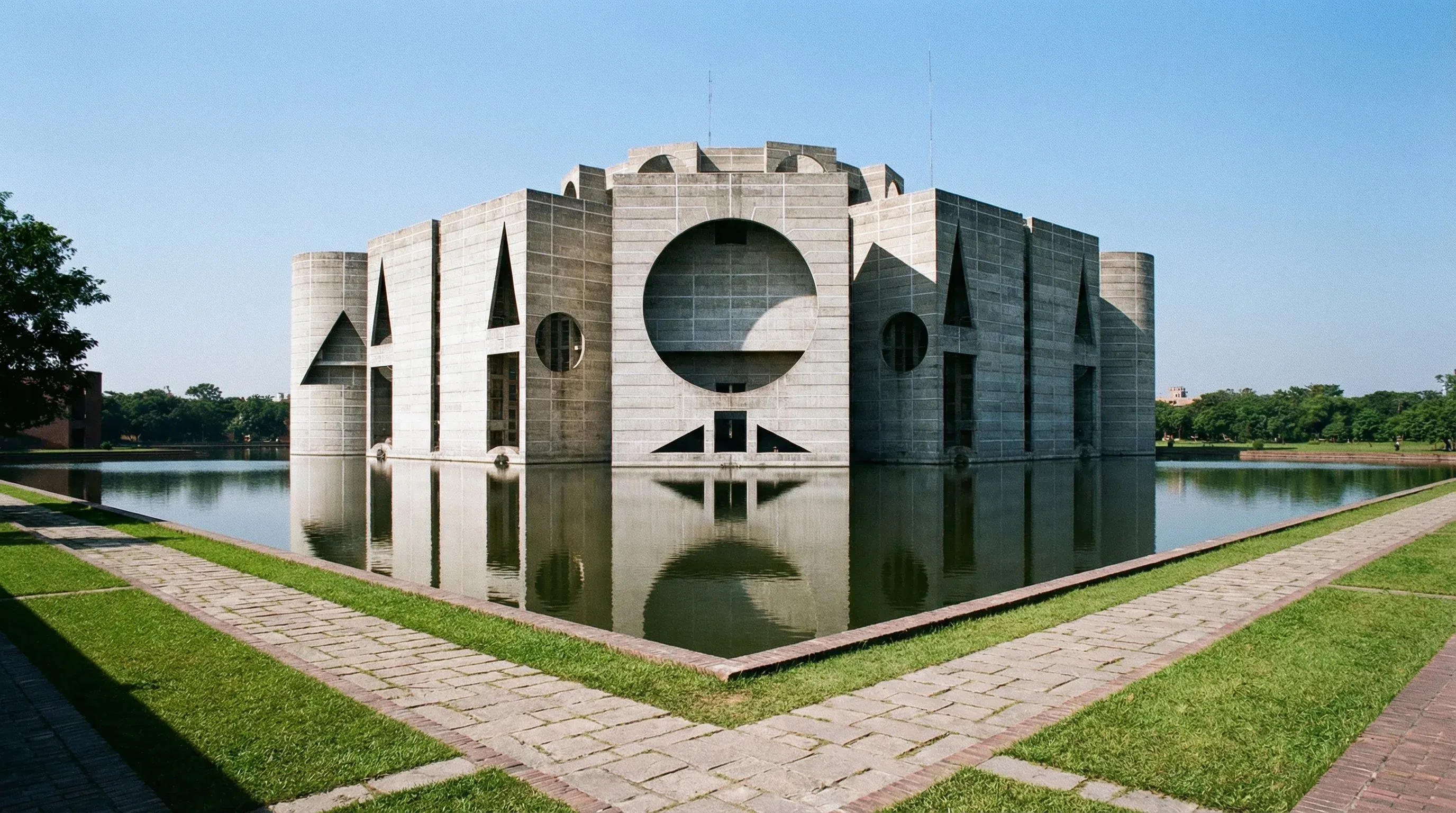
Nature lovers should head to the National Botanical Garden, a sprawling green oasis perfect for picnics. Just outside the city, the Bangabandhu Sheikh Mujib Safari Park offers a more modern wildlife experience where visitors stay in protected vehicles while animals roam free. In the city center, the National Parliament House (Jatiya Sangsad Bhaban) is a world-class architectural marvel designed by Louis Kahn; while entry is restricted, the surrounding lake and park are popular for evening walks.
Practical Advice
The best time to visit is winter (November to February). Avoid moving around during rush hours (8:00–11:00 am and 5:00–8:00 pm). Fridays and Saturdays are weekends, meaning traffic is significantly lighter and sites are easier to reach.
Food & Drink
Typical meal times: Lunch is late, 1:30 pm to 3:00 pm. Dinner is very late, typically 9:00 pm to 10:30 pm.
Typical meal costs: A mid-range family meal in a safe, air-conditioned restaurant costs BDT 2,500–4,500 (approx. $22–40 USD / €20–36 EUR).
Dietary requirements: Halal food is the standard. Gluten-free is difficult to guarantee due to cross-contamination. Upscale restaurants in Gulshan/Banani cater well to international allergies.
Signature dishes:
- Kachchi Biryani – The crown jewel of Dhaka cuisine; raw marinated mutton and rice are layered and slow-cooked together in a sealed pot.
- Bakarkhani – A dry, layered, biscuit-like flatbread often eaten with tea or sweet meats, famous in Old Dhaka.
- Fuchka – The ultimate street food (crispy hollow shells filled with spiced potato and tamarind water). *Caution: Only eat this at hygienic, indoor establishments to avoid stomach bugs.*
Why this score?
The experience is almost entirely urban, defined by dense traffic and vibrant city life rather than rugged terrain. While navigating the chaotic markets of Old Dhaka is a sensory experience, it lacks traditional outdoor adventure elements.
Why this score?
Dhaka hosts the country's most advanced medical facilities, including international-standard private hospitals like Evercare and Square with English-speaking staff. It is the only place in the country where complex medical procedures and high-level emergency care are readily available to foreigners.
Why this score?
As the capital and primary entry point, Dhaka receives the majority of the country's international arrivals, though many are business travelers or visiting friends and relatives. Cultural sites like Lalbagh Fort and Ahsan Manzil provide a draw for the niche leisure tourists that visit.

Dhaka has the widest price range in the country. 5-star hotels charge international rates of BDT 15,000–25,000 (approx. $130–215 USD / €120–200 EUR). Guesthouses are cheaper at BDT 3,500–6,000 (approx. $30–52 USD / €28–48 EUR). Transport is cheap; a rickshaw ride is BDT 50–100 (approx. $0.40–0.85 USD / €0.40–0.80 EUR). Imported goods in supermarkets are expensive.

Getting Here & Around
Getting Here
- Airports – Hazrat Shahjalal International Airport (DAC) is the primary gateway to Bangladesh, located in the north of the city.
- Train – The central Kamalapur Railway Station connects Dhaka to almost every major district in the country.
- Bus – Major inter-city bus terminals are located at Gabtoli, Mohakhali, and Sayedabad.
Getting Around
- Rickshaw – Dhaka is the 'Rickshaw Capital of the World'. These colorful tricycles are perfect for short distances in residential areas like Gulshan or the narrow lanes of Old Dhaka.
- Uber / Ride-sharing – The safest and most convenient option for families. Apps like Uber and Pathao work well and avoid haggling.
- Metro Rail – The newly inaugurated Dhaka Metro is a game-changer, offering clean, traffic-free travel between Uttara and Motijheel.
Nearby Airports (1 airport)
Zia International
DACDhaka
View full flight map for Bangladesh →

Packing List
Air quality can be poor and dust levels are high, especially in winter.
Essential for eating with hands (local custom) and general hygiene.
Constant honking and street noise can be overwhelming for sensitive children.
Dengue is a significant risk in the city; protect kids day and night.
Hotels in remote areas may not provide them, and dengue/malaria protection is vital.
You will frequently remove shoes when entering homes, mosques, and some shops.
Essential for quick recovery from dehydration due to heat or stomach upsets.
Power outages (load shedding) are common, especially outside the capital.
Dhaka is one of the loudest cities in the world; essential for sleeping and sensory relief.

Activities & Best Times

Urban tourism, museums, historical sites, architecture
As the national capital with major Mughal heritage sites (Lalbagh Fort, Ahsan Manzil, Star Mosque - currently missing from database), Dhaka merits 'very_good' once these attractions are added. Significant cultural density in Old Dhaka.

Hiking, wildlife, outdoor exploration, ecotourism
Safari parks in Dhaka are small urban zoos, not wildlife reserves. Bhawal National Park is degraded forest. This doesn't constitute 'good' adventure/nature tourism by international standards.

Learning experiences, scientific sites, historical education
The National Museum of Science and Technology and Novo Theatre provide structured learning environments for children. While primarily indoor activities, the general difficulty of urban transit during the monsoon season makes the cooler, drier months more suitable for visiting.

Events, celebrations, seasonal attractions
Dhaka hosts unique events like the Pohela Boishakh (Bengali New Year) in April and the Dhaka Art Summit in February, offering deep cultural immersion. These specific windows provide authentic insights into Bengali identity, though high crowds and humidity require significant travel stamina.

Scenic drives, countryside tours, route-based travel
The modern Dhaka-Mawa-Bhanga Expressway offers a rare high-standard driving experience in the region, connecting the capital to the south. Driving is significantly safer and more scenic during the dry winter months when visibility is higher and road flooding is absent.

Sport tourism, fitness activities, active recreation
Organized infrastructure such as the Hatirjheel cycling circuit and adventure centers provide active outlets for energetic families. Outdoor sports are highly seasonal, limited to the cooler winter months to avoid the extreme heat and humidity of the pre-monsoon and monsoon periods.

Amusement parks, family entertainment venues
Several large-scale water and amusement parks cater to regional tourism, though they may lack the international polish expected by sophisticated travelers. Peak visits occur during the dry season to avoid heavy monsoon rains that can disrupt outdoor operations.

Attractions (17 total)



Public Holidays & Calendar Next 12 months
Public holidays, festivals, cultural celebrations, and seasonal natural phenomena coming up in Dhaka over the next 12 months.
Loading holidays and events...

Travel Advisory
The security situation in Bangladesh is categorized by significant volatility following a period of civil unrest and political transition. Major international agencies are evenly split between recommending extreme caution (L1) and advising travelers to reconsider the necessity of their visit (L2). The higher assessment (L2) reflects persistent concerns regarding terrorism, kidnapping in regional areas, and the unpredictability of violent protests.
Safety Topics
Traveller Advice (5 groups)

Be aware that verbal and physical harassment is commonly reported. It is advised to dress modestly, avoid travelling alone at night, and stay away from isolated or poorly lit areas.

Companies are advised to provide private security escorts for personnel traveling outside of major hotels or business districts in Dhaka. Ensure insurance policies specifically cover civil unrest and terrorism.

Stay away from all political gatherings, demonstrations, and large crowds as they can escalate into violence without warning. Closely monitor local news and follow the guidance of security forces.

There is a heightened risk of kidnapping and politically motivated violence in the Chittagong Hill Tracts. Dedicated security protocols and local government notification are essential for travel to these regions.

Same-sex relationships are illegal and can lead to criminal prosecution. Societal attitudes are generally conservative, and public displays of affection may attract negative attention or legal risk.
Agency Summaries
Due to persistent civil unrest, the threat of terrorism, and the potential for large gatherings to become violent, travelers should reconsider the necessity of their trip to the country.
While the 2026 national election period has concluded, the potential for political rallies and sudden unrest remains. Irish citizens are advised to exercise heightened alertness and avoid all demonstrations.
The government recommends avoiding non-essential travel to specific districts like the Chittagong Hill Tracts. Elsewhere, visitors should be alert to shifting security conditions and the likelihood of terrorist activity.
Significant security and safety concerns, including the threat of terrorism and civil disorder, necessitate a recommendation to avoid all but essential travel to the country.
Travelers are urged to rethink their plans to visit Bangladesh because of significant risks related to crime, terrorism, and civil instability. Specific regions carry a higher danger level of 4 (Do Not Travel).
Visitors should maintain a high level of vigilance due to a volatile security environment, frequent political demonstrations, and the risk of civil unrest. A regional advisory is in effect for the Chittagong Hill Tracts.
Information is provided for general guidance only and does not constitute travel, safety, medical, or legal advice. Conditions may change. Users are responsible for independently verifying information before travel.