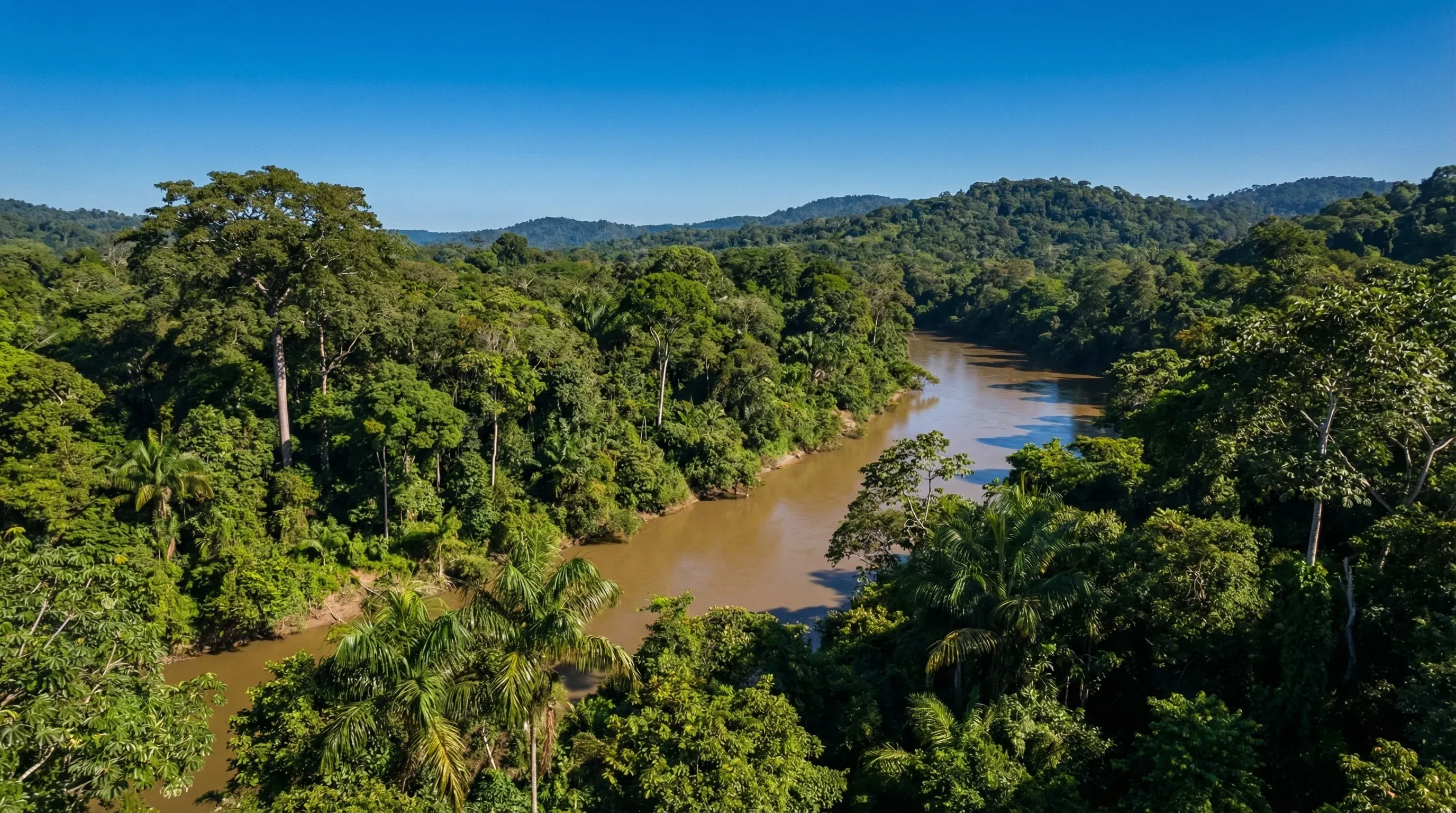

Amazon (Rurrenabaque)
Where wild jungle rivers meet pink dolphins and endless adventure 🐒🌿
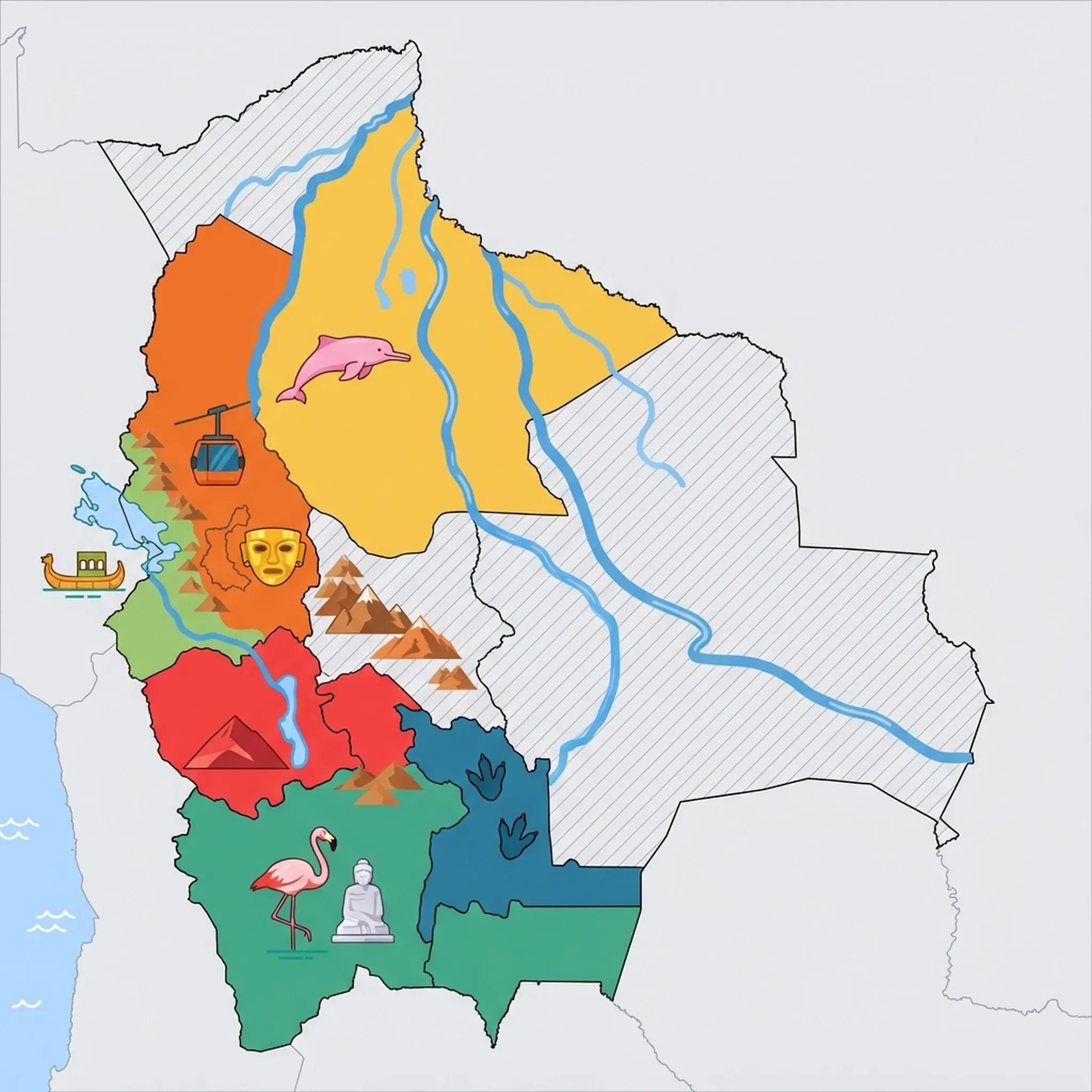
Click a region to explore
For families seeking a genuine wilderness adventure without the extreme costs often associated with Amazonian travel elsewhere, Rurrenabaque is a dream destination. Situated in the Beni Department, this humid, lush gateway town sits nestled between the last ridges of the Andes and the sprawling Amazon basin. The region is defined by its two distinct ecosystems: the dense, mysterious rainforests of Madidi National Park and the open, grassy wetlands of the Pampas. The climate here is tropical and steamy year-round, a stark contrast to the chilly Andean highlands, making it a warm and exciting playground for children who love nature.
What makes this region particularly special for families is the accessibility of its wildlife. Unlike dense jungles where animals can be hard to spot, the nearby Pampas wetlands offer an almost safari-like experience by boat. Children will be wide-eyed as they spot hundreds of alligators sunning on the banks, families of capybaras (the world's largest rodent) grazing in the grass, and squirrel monkeys leaping between trees. The town of Rurrenabaque itself is small, navigable, and friendly, filled with backpackers and families alike preparing for their river expeditions. It offers a distinct cultural shift from the highlands, with a slower pace of life and a cuisine rich in tropical fruits and river fish.
Key Attractions
The crown jewel of the region is undoubtedly Madidi National Park. One of the most biodiverse protected areas on the planet, it offers families the chance to sleep in eco-lodges surrounded by the sounds of the jungle. Guided walks here are fantastic for older children, where local guides—often from indigenous communities—teach visitors about medicinal plants, giant insects, and the intricate web of rainforest life. While spotting jaguars is rare and requires luck, the sheer immersion in the green canopy is unforgettable.
While not a park in the same sense, the Pampas tours (accessible via Rurrenabaque) are arguably more popular with families because the wildlife is so visible. The boat rides along the Yacuma River are calm and safe, allowing kids to see pink river dolphins up close—and brave teenagers might even swim in the dark waters near them. The combination of boat travel, wildlife spotting, and sleeping in wooden lodges on stilts makes this region a real-life adventure book for younger travelers.
Practical Advice
Best time to visit: The dry season (May to October) is the best time for families. Wildlife congregates around shrinking water sources, making viewing easier, and there are fewer mosquitoes. The wet season (December to March) can make roads impassable and boat trips muddier.
Logistics: Reaching Rurrenabaque usually involves a short but scenic flight from La Paz. Bus travel is possible but takes 18+ hours on perilous roads, which is generally not recommended for families. Malaria medication is rarely needed for short tourist visits to Rurrenabaque, but Yellow Fever vaccination certificates are often checked at the airport. Always consult a travel doctor. Bring plenty of strong insect repellent and lightweight long-sleeved clothing.
Food & Drink
Typical meal times: Breakfast is usually served from 7:00 am to 9:00 am before tours depart. Lunch is the main meal, taken between 12:00 pm and 1:30 pm. Dinner is typically eaten later in the cool of the evening, from 7:00 pm to 9:00 pm.
Typical meal costs: A mid-range meal in town costs around 40–70 BOB (approx. $6–10 USD / €5–9 EUR). Street food snacks are very cheap, often 5–10 BOB (approx. $0.70–1.45 USD / €0.65–1.30 EUR).
Dietary requirements: Vegetarian options are increasingly common in Rurrenabaque due to tourism, though less so in remote lodges. River fish is a staple, so pescatarians will eat well. Gluten-free travelers should rely on rice, plantains, and fresh fruit, as bread is standard.
Signature dishes:
- Surubí – A delicious, meaty river catfish often served fried or grilled with rice and plantains; it has very few bones, making it excellent for children.
- Masaco – A mash made from yucca (cassava) or plantains mixed with cheese or jerky (charque), often eaten for breakfast.
- Sopa de Maní – A rich, creamy peanut soup with vegetables and pasta or fries, a Bolivian classic found everywhere including the jungle.
Why this score?
The region offers significant adventure through deep jungle treks in Madidi National Park and river-based wildlife safaris in the Pampas. Travelers must navigate humid tropical terrain, rely on motorized canoes, and stay in remote eco-lodges with minimal modern amenities.
Why this score?
Medical facilities in Rurrenabaque are extremely basic and insufficient for serious emergencies or specialized pediatric care. Most visitors requiring significant medical attention must be evacuated by air to La Paz, as local clinics lack advanced diagnostic equipment and English-speaking staff.
Why this score?
While a bucket-list item for eco-travelers, Rurrenabaque remains a niche destination with relatively low international visitor numbers compared to the Peruvian or Brazilian Amazon. The region primarily attracts backpackers and adventure-seekers rather than mass-market tourists, constrained by limited flight connectivity and seasonal weather.

Rurrenabaque is moderately priced compared to the Bolivian highlands due to logistics. A family tour package (3 days, all-inclusive) typically costs 1,200–2,500 BOB (approx. $175–360 USD / €160–330 EUR) per person depending on lodge comfort. Meals in town are affordable, around 35–60 BOB (approx. $5–9 USD / €4.50–8 EUR).

Getting Here & Around
Getting Here
- Airports – The most family-friendly option is flying into Rurrenabaque Airport (RBQ). Amaszonas and BoA operate flights from La Paz (approx. 40 mins). The flight is scenic, passing over the Andes into the jungle basin.
- Bus – Buses run from La Paz but the journey takes 18–24 hours on winding, often unpaved mountain roads. This is generally too grueling for young children.
Getting Around
- Boat – The primary mode of transport for excursions. Long, narrow motorized canoes transport families to lodges in Madidi National Park and the Pampas. Life jackets are usually provided, but bring your own for small toddlers to ensure a fit.
- Walking – Rurrenabaque town is small and easily walkable. Motorcycle taxis (moto-taxis) are the local standard for short hops, but standard taxis are safer for families with luggage.
Nearby Airports (1 airport)
Rurrenabaque
RBQRurrenabaque
View full flight map for Bolivia →

Packing List
Electricity in jungle lodges is often generator-limited; red light avoids attracting bugs.
Protection from mosquitoes and scratchy plants is essential; denim is too hot and heavy.
Wildlife is often high in the canopy or across the river; kids engage more if they can see.
To protect cameras and dry clothes during boat transfers where splashes are guaranteed.
The high-altitude air is extremely dry and often causes nosebleeds, especially in children.
Budget hotels and hostels rarely have plugs in the sinks, making it hard to wash hands or clothes.
Heating is rare in hotels, and nights on the Altiplano drop well below freezing.
Power cuts can occur in remote areas like the Salt Flats; useful for nighttime bathroom trips.
The dry, dusty air at altitude can be very irritating to eyes, particularly for contact lens wearers.

Activities & Best Times

Hiking, wildlife, outdoor exploration, ecotourism
Madidi National Park and the Pampas provide world-class biodiversity and wildlife encounters, ranking this among the planet's premier ecotourism destinations. The dry season (June–September) is optimal for families as animals congregate near shrinking water sources, making sightings frequent and accessible.

Urban tourism, museums, historical sites, architecture
Offers authentic community-based tourism experiences with indigenous groups like the Tacana, emphasizing genuine cultural exchange in remote villages. Reliable river transport to these communities is highly dependent on the dry season, while heavy rains from November to March often disrupt travel.

Sport tourism, fitness activities, active recreation
Features challenging jungle trekking and established canopy tours that appeal to active, adventurous families seeking physical engagement. High rainfall and extreme humidity during the summer months make trails dangerously slippery and often impassable, limiting activities to the drier winter window.

Spa retreats, wellness centers, peaceful getaways
Natural thermal baths provide a rustic restorative experience within the jungle, though they lack the world-class infrastructure found in luxury spa destinations. These sites are most pleasant during the cooler months (June–August) when the surrounding tropical humidity is at its lowest.




Public Holidays & Calendar Next 12 months
Public holidays, festivals, cultural celebrations, and seasonal natural phenomena coming up in Amazon (Rurrenabaque) over the next 12 months.
Loading holidays and events...

Travel Advisory
All six major agencies recommend a baseline level of elevated caution for Bolivia. While most of the country is open for travel, there is a strong consensus on the risks posed by frequent civil unrest and roadblocks, as well as high-risk pockets like the Chapare region where crime levels are critical.
Safety Topics
Traveller Advice (4 groups)

Stay informed via local media regarding roadblocks and strikes which can strand travellers for days. Always carry extra food, water, and warm clothing on long road trips. Avoid any large gatherings or protests, as they can turn violent unexpectedly.
Information on accessibility is limited; travellers with physical or sensory disabilities should prepare for infrastructure challenges and research medical facility locations in advance.

Be aware of local attitudes and social norms; travellers are encouraged to review specific advice regarding safety and legal considerations for the LGBTQ+ community in Bolivia.

Female travellers should consult gender-specific safety guides and take standard precautions, especially when travelling solo or at night in urban centres.
Agency Summaries
Heightened caution is necessary because of the potential for violent crime and sudden civil unrest. New Zealanders should avoid all protests and avoid the Chapare region for any non-essential purposes due to kidnapping and extortion risks.
Australians are encouraged to be particularly careful due to the dual threats of violent crime and civil instability. Demonstrations and roadblocks are common and unpredictable, potentially leading to significant travel delays or violence.
The UK government advises against any non-essential travel to the Chapare region in Cochabamba. Across the country, visitors should prepare for disruptions caused by political demonstrations and marches, which can emerge with very little notice and block major transport routes.
Irish citizens should be aware of a continuous risk of social unrest and strikes that can impact tourist infrastructure and domestic travel. Vigilance is required near large crowds, and travellers are warned not to attempt to bypass road blockades.
Increased caution is advised nationwide because of civil unrest, which often manifests as sudden strikes and demonstrations. Specifically, the Chapare region is designated as 'Do Not Travel' due to high levels of violent crime and limited emergency support for foreign nationals.
Travellers should remain highly vigilant due to persistent political and social tensions that frequently result in roadblocks throughout the country. While the general advice is to be cautious, there is a specific warning to avoid non-essential travel to the Chapare region because of risks related to drug trafficking and kidnapping.
Information is provided for general guidance only and does not constitute travel, safety, medical, or legal advice. Conditions may change. Users are responsible for independently verifying information before travel.