
Bonaire (diving)
The diver's paradise that's perfect for snorkelers too 🤿🦩
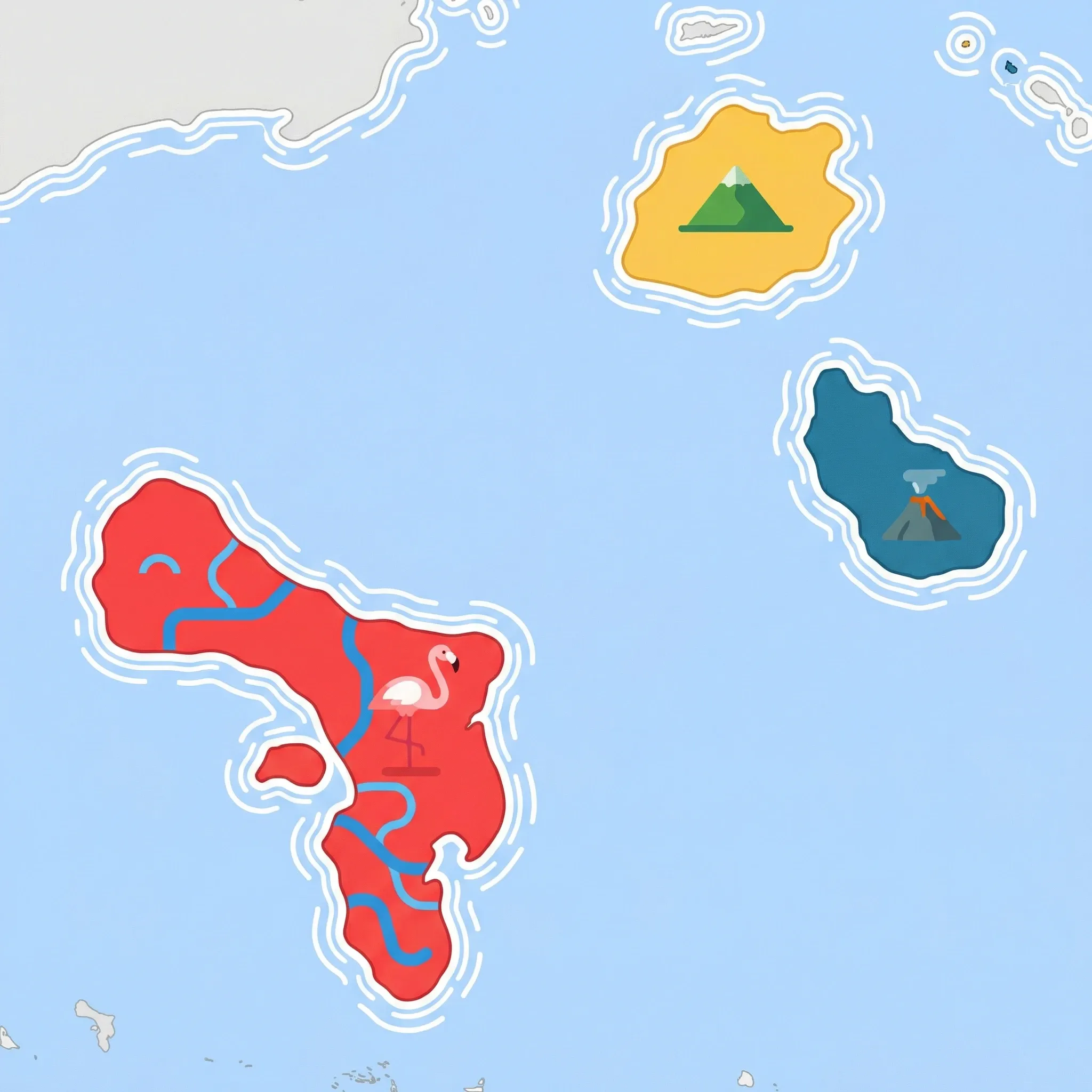
Click a region to explore
Bonaire is unique in the Caribbean: an island dedicated almost entirely to the preservation of nature, both above and below the waterline. Unlike many resort-heavy destinations, Bonaire offers a rugged, cactus-studded landscape that feels adventurous yet safe for families. The island is world-famous for its "shore diving" and snorkeling, meaning you don't need a boat to see spectacular coral reefs; you simply park your truck, walk into the water, and you are immediately surrounded by parrotfish, turtles, and tarpon. For children, this accessibility makes it one of the best places on earth to learn to snorkel. The climate is arid and windy, keeping mosquitoes at bay and providing perfect conditions for wind sports, while the atmosphere is decidedly unhurried. There are no traffic lights on the island, and the local wild donkeys often have right of way.
The culture is a warm blend of Caribbean, Dutch, and South American influences. Families will find the island incredibly safe and navigable, with a focus on outdoor living. While it lacks the endless miles of powder-white sand beaches found elsewhere, the rocky coral coastline offers something more exciting: a living aquarium steps from the shore. The rhythm of life here revolves around the ocean, making it an ideal classroom for kids to learn about marine conservation and ecology firsthand.
Key Attractions
The entire coastline is ringed by the Bonaire National Marine Park, but for families, the calm, shallow waters of Lac Bay are unmissable. Here, the water is waist-deep for hundreds of meters, making it the perfect spot for children to learn windsurfing or explore the mangrove tunnels by kayak. For a dedicated beach day, take a water taxi to Klein Bonaire, an uninhabited islet with soft sands and drift snorkeling that feels like a castaway fantasy.
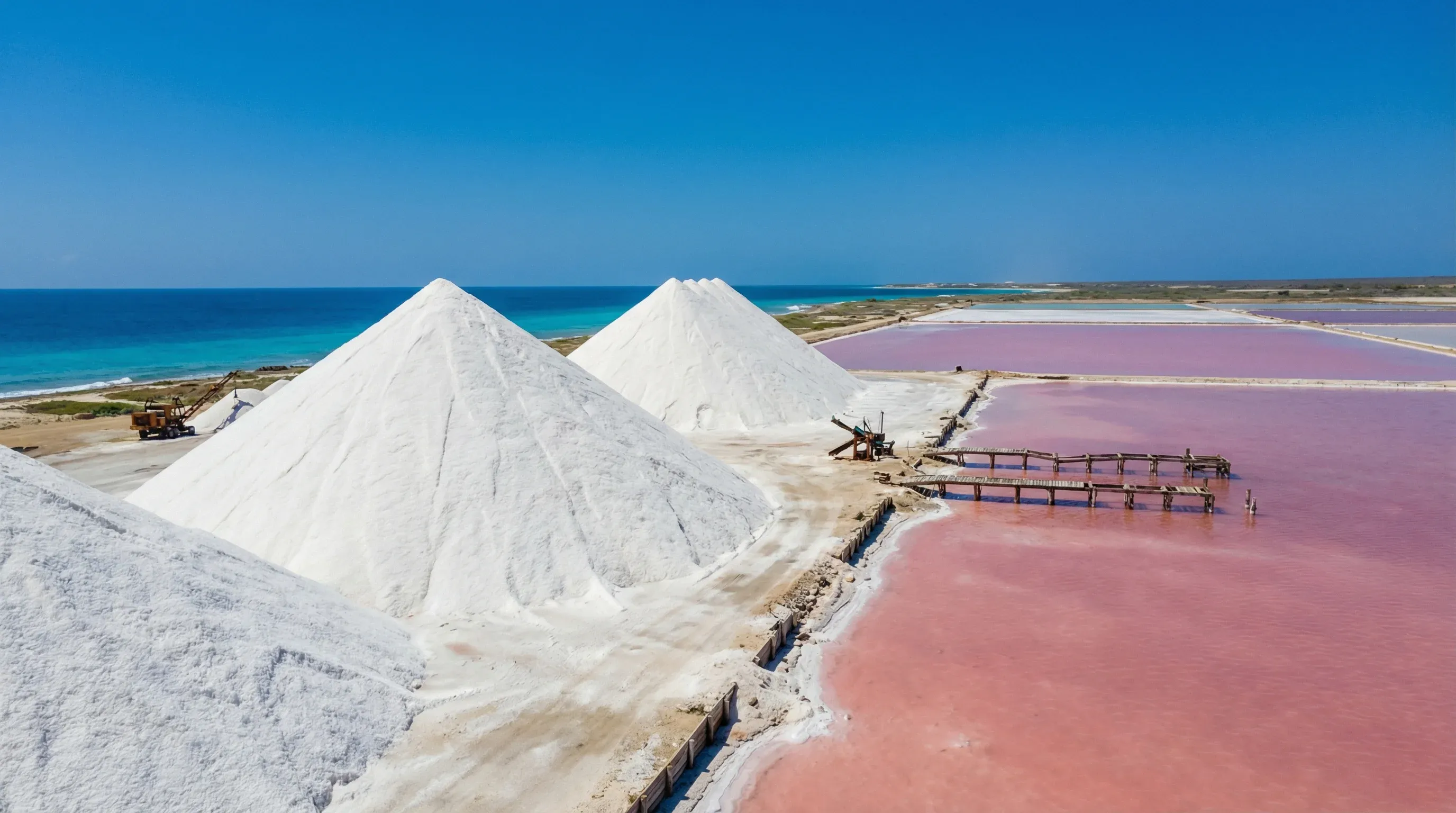
On land, a visit to Washington Slagbaai National Park offers a bumpy but thrilling drive through cactus forests where iguanas and parrots roam free. Kids will be fascinated by the towering salt pyramids in the south, contrasting sharply with the tiny, brightly colored Slave Huts that stand as a poignant reminder of the island's history. Finally, a trip to Rincon Village, the oldest settlement on the island, offers a taste of local life away from the coast.
Practical Advice
The best time to visit is December to April for optimal weather, though Bonaire sits outside the main hurricane belt, making it a viable year-round destination. Sun protection is critical here; the trade winds mask the heat, and UV levels are extreme. You must purchase a "Nature Tag" (STINAPA tag) to enter the waters, which funds conservation efforts.
Food & Drink
Typical meal times: Lunch is generally served from 12:00 pm to 2:00 pm, and dinner from 6:00 pm to 9:30 pm. Reservations are recommended in high season.
Typical meal costs: Main courses in a sit-down restaurant range from $25–45 USD (approx. €23–41 EUR / £20–35 GBP). Food trucks and snack bars (snèks) are cheaper options.
Dietary requirements: Vegetarian and gluten-free options are widely available in Kralendijk due to the Dutch influence. Supermarkets are well-stocked with European and American brands.
Signature dishes:
- Kabritu Stoba – A rich, slow-cooked goat stew, often served with rice and beans or funchi (polenta).
- Sopi Piska – A hearty local fish soup, typically made with fresh catch like wahoo or snapper and local spices.
- Pastechis – Fried pastry pockets filled with cheese, chicken, or ground beef, perfect for a quick breakfast or beach snack.
Why this score?
While the island offers world-class diving and windsurfing at Lac Bay, the terrestrial environment is relatively flat and easy to navigate with children. Most adventure is centered on the marine park, which is highly accessible and lacks the rugged isolation of true wilderness. Washington Slagbaai National Park provides some off-road exploration, but the overall experience is comfortable and supported by modern amenities.
Why this score?
Bonaire possesses a modern hospital, Fundashon Mariadal, which is well-equipped for an island of its size and includes a hyperbaric chamber for diving emergencies. While basic and intermediate care is reliable and staff often speak English and Dutch, complex surgical or specialist cases typically require air evacuation to Curacao, Aruba, or Colombia. It provides a safer medical environment than many nearby islands but lacks the comprehensive facilities of a major city center.
Why this score?
Bonaire is a world-renowned destination for shore diving, yet its annual stay-over visitor numbers remain under 200,000, keeping it a niche market compared to major Caribbean hubs. The island primarily attracts a dedicated demographic of divers from the United States and the Netherlands rather than mass-market sun-seekers. Infrastructure like Kralendijk is well-developed for tourists, but the scale of visitation remains modest on a global scale.

Bonaire uses the US Dollar. Prices are generally higher than the mainland due to importation costs. A mid-range family apartment costs $180–300 USD (approx. €165–275 EUR / £140–235 GBP) per night. Supermarket prices are comparable to the US or Netherlands. Dining out can be pricey, but local 'snèks' offer good value meals for under $15 USD (approx. €14 EUR / £12 GBP).

Getting Here & Around
Getting Here
- Airports – Flamingo International Airport (BON) receives direct flights from Amsterdam, Miami, Atlanta, Houston, and Newark. Inter-island flights connect from Aruba and Curaçao.
- Cruise – Large cruise ships dock at Kralendijk, though stayover visitors will find the island quietest on days when no ships are in port.
Getting Around
- Car – A rental vehicle is essential. The iconic "dive pickup truck" is the standard rental, perfect for hauling snorkel gear and navigating the dirt roads of Washington Slagbaai National Park.
- Taxi – Taxis are available at the airport and in town but are not practical for daily exploration.
- Bicycle – Bonaire is cycling-friendly, but the heat and wind can make long distances challenging for children.
Nearby Airports (1 airport)
Flamingo
BONBonaire
View full flight map for Bonaire, Sint Eustatius and Saba →

Packing List
Most beaches are 'iron shore' (fossilized coral) and very sharp on bare feet.
Strictly enforced ban on oxybenzone/octinoxate sunscreens to protect the coral.
Single-use plastic bags are banned and shops do not provide free bags.
Essential for sun protection during long snorkeling sessions and occasional jellyfish.
Many beaches are made of coral rubble, not sand; essential for kids entering the water.
Strictly enforced by law in marine parks to protect coral; oxybenzone is banned.
Essential for keeping phones/clothes dry on small boat transfers and dinghy dives.
Single-use plastics are banned or discouraged; supermarkets rarely provide free bags.
Inter-island flights and the Makana ferry crossing can be turbulent.
Immigration officers on these islands frequently ask for physical proof of onward travel.

Activities & Best Times

Hiking, wildlife, outdoor exploration, ecotourism
Boasts exceptional biodiversity across Washington Slagbaai National Park, the Marine Park, and the cloud forests of Saba. Peak season offers dry trails and cooler temperatures, while the late-year rainy season can impact accessibility in national parks.

Sport tourism, fitness activities, active recreation
A premier global destination for organized watersports, specifically diving and windsurfing, supported by high-quality infrastructure. Peak timing reflects the period of maximum trade wind strength and optimal marine conditions.

Beach resorts, marine activities: diving, snorkelling, kite surfing, wind surfing, sailing
Bonaire and its surrounding islands offer internationally renowned shore diving and world-class windsurfing at Lac Bay. Conditions are best from February through August when trade winds are most consistent and sea visibility is at its peak.

Urban tourism, museums, historical sites, architecture
While Kralendijk has charming Dutch Caribbean architecture, very_good overstates its significance by international standards. Good is appropriate for a small historic town (pop ~12,000) with heritage buildings but limited museum infrastructure.

Learning experiences, scientific sites, historical education
Bonaire is a global leader in marine conservation education with visitor centers, turtle conservation programs, and eco-tourism education. This deserves good rating, especially given the Bonaire Marine Park's educational mission.

Scenic drives, countryside tours, route-based travel
Distinctive scenic routes like the Northern and Southern loops offer dramatic desert landscapes and coastal vistas. Optimal driving conditions occur during the long dry season when visibility is highest and unpaved park roads are most reliable.




Public Holidays & Calendar Next 12 months
Public holidays, festivals, cultural celebrations, and seasonal natural phenomena coming up in Bonaire (diving) over the next 12 months.
Loading holidays and events...

Travel Advisory
All major international agencies designate the Caribbean Netherlands (Bonaire, Sint Eustatius, and Saba) as a safe destination where standard travel safety awareness is sufficient for visitors.
Safety Topics
Traveller Advice (3 groups)

A mandatory $75 USD visitor entry tax applies to non-residents. Travelers should utilize official government channels to pay this fee and be wary of unofficial sites charging higher amounts. Strong coastal currents can make water activities hazardous; following local safety instructions is essential.

While generally safe, travelers should research local customs. The UK provides specific guidance for the islands to ensure a safe experience for the community.

Solo female travelers may encounter instances of verbal harassment or abuse. It is advisable to remain vigilant in less populated areas or on beaches after sunset.
Agency Summaries
No specific elevated travel warnings are in place. Focus remains on standard travel health, particularly regarding insect-borne diseases, and the necessity of medical evacuation insurance.
The risk profile is comparable to major Australian cities. Travelers should monitor local news and follow standard security practices.
Travelers are advised to maintain standard safety awareness. Guidance includes being cautious about personal belongings and monitoring weather conditions during the hurricane season.
Standard safety measures are recommended. The islands are considered low-crime environments, though opportunistic theft occurs. Travelers should be mindful of health risks such as mosquito-borne illnesses.
Ireland advises standard precautions for this destination. Visitors should ensure they have comprehensive travel insurance and valid entry documents.
The Caribbean Netherlands is generally safe, though visitors should stay alert for petty crime and exercise caution with water-based activities. There is no resident Canadian diplomatic mission on the islands.
Information is provided for general guidance only and does not constitute travel, safety, medical, or legal advice. Conditions may change. Users are responsible for independently verifying information before travel.