
Central-West Brazil & Cerrado
Where crystal rivers meet the world's largest wetland 🐊
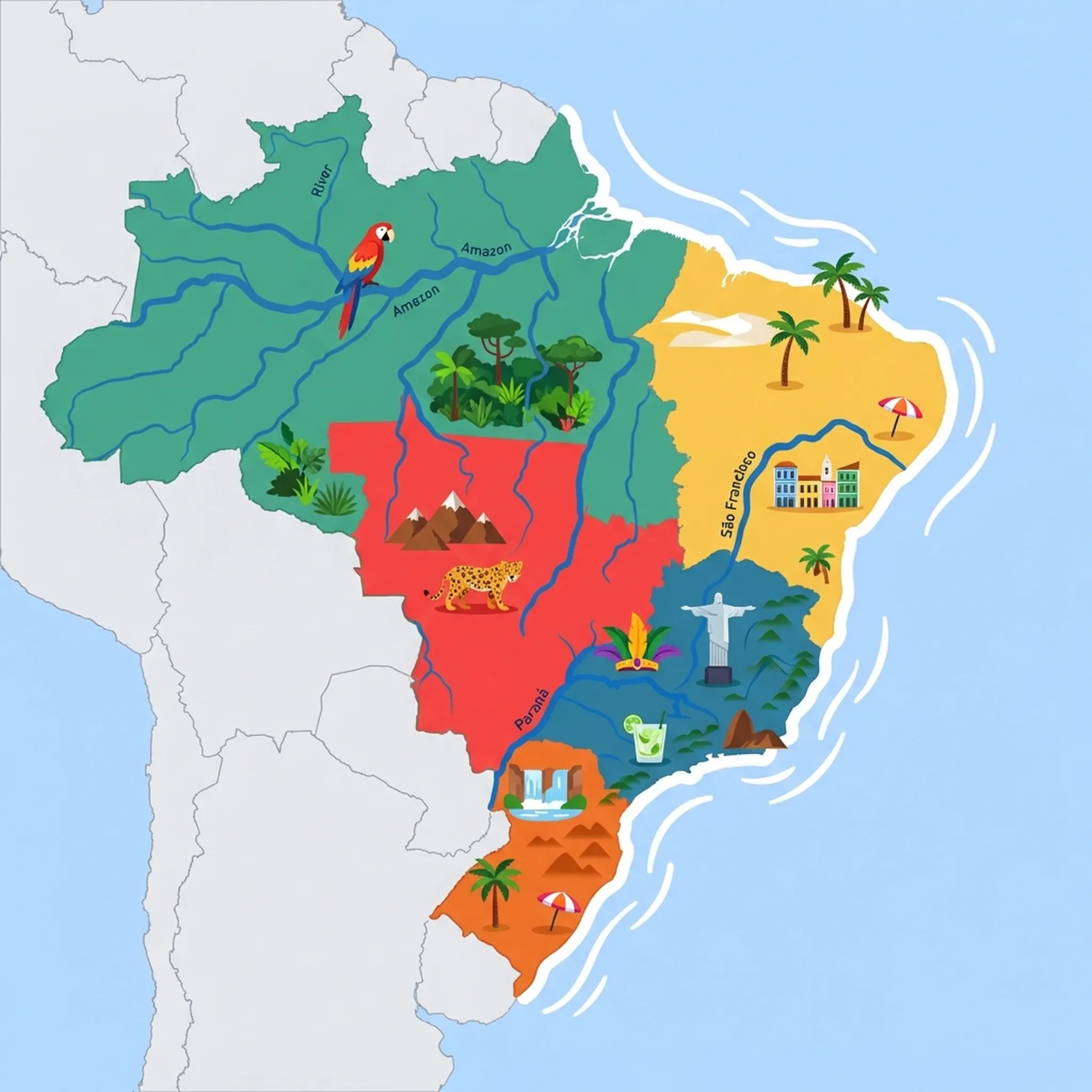
Click a region to explore
The Central-West region of Brazil offers a stark and beautiful contrast to the coastal tourism dominating the rest of the country. This is the land of the Cerrado (tropical savanna) and the Pantanal, the world’s largest tropical wetland area. For families, this region provides arguably the best wildlife-watching opportunities in South America. Unlike the dense Amazon where animals are hard to spot, the open spaces of the Pantanal allow children to easily see capybaras, caimans, toucans, and even the elusive jaguar. The infrastructure in eco-tourism hubs like Bonito is surprisingly sophisticated, with safety-conscious tours designed specifically for beginners and children, making it a stress-free adventure destination.
Beyond the nature trails, the region is home to Brasília, the country's purpose-built capital. While famous for its modernist architecture, the city is incredibly green and spacious, offering a unique educational stop for older children interested in history and design. The climate here is distinct, with a defined dry season that turns the sky a deep, dust-tinged orange, and a wet season that floods the plains, transforming the landscape entirely. It is a place of red earth, blue waters, and endless horizons that captivate young explorers.
Key Attractions
The crown jewel for families is Bonito, the eco-tourism capital. Here, you can visit Gruta do Lago Azul, a cavern with water so blue it looks surreal. For active families, snorkeling in the Rio da Prata is unforgettable; the current carries you gently past shoals of fish in water as clear as a swimming pool. In Campo Grande, the Bioparque Pantanal is the largest freshwater aquarium in the world and a perfect introduction to local biodiversity before heading into the wild.
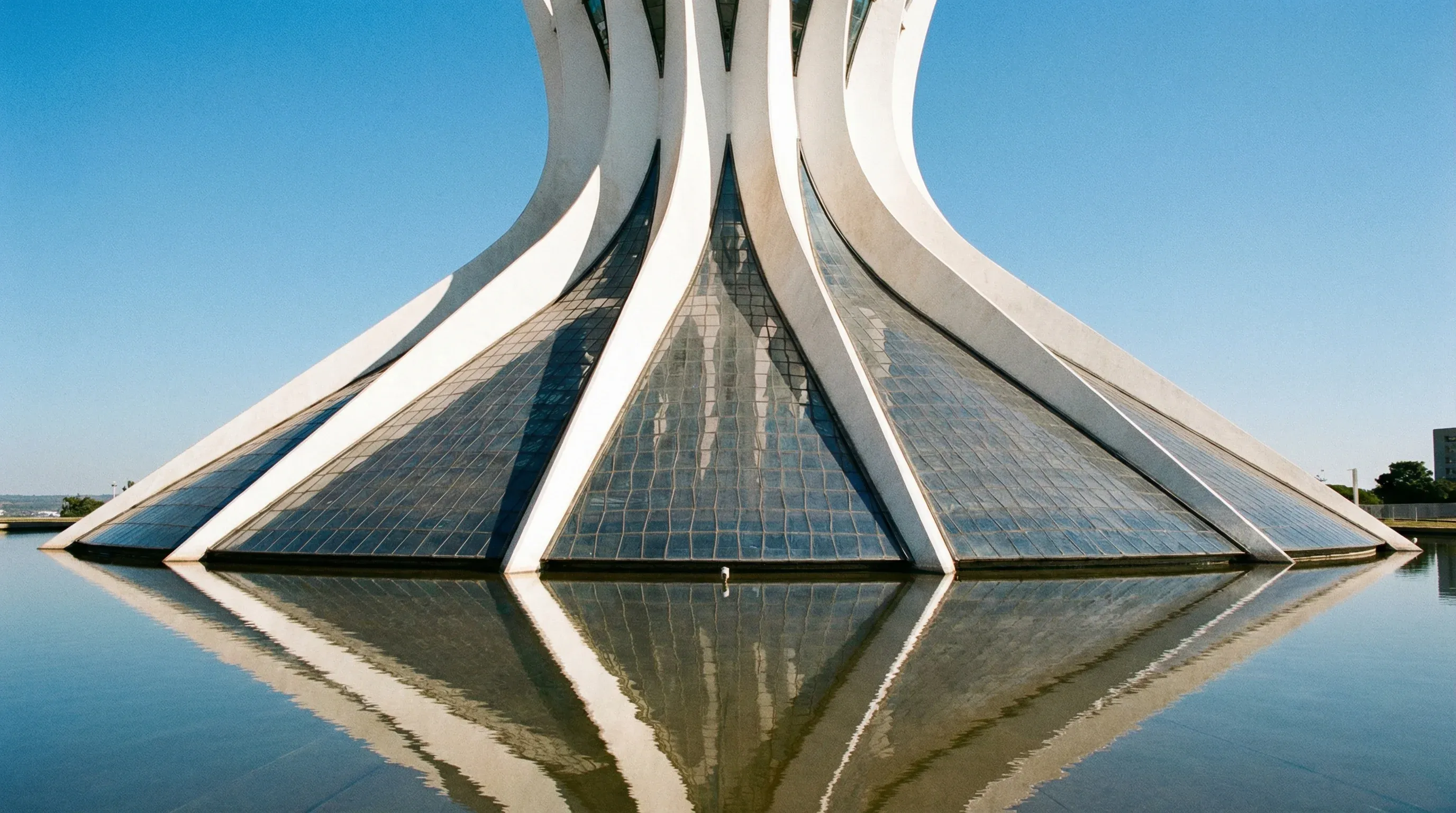
In the federal capital, the National Congress of Brazil and the futuristic Metropolitan Cathedral of Brasília look like spaceships that have landed, sparking the imagination of younger visitors. Nearby, the Jardim Zoológico de Brasília is a popular weekend spot for locals. For a historical twist, the Pirenopolis Historic Center offers cobblestone streets and waterfalls just a short drive from the capital, perfect for cooling off after a morning of sightseeing.
Practical Advice
The dry season (May to September) is the best time for wildlife viewing in the Pantanal as animals congregate around shrinking water holes. However, Bonito is excellent year-round. Pack heavy-duty insect repellent and sun protection. In Bonito, attractions have strict daily visitor limits to preserve nature, so booking tours months in advance is essential.
Food & Drink
Typical meal times: Lunch is the main event, served from 11:30 am to 2:00 pm. Dinner is typically eaten between 7:00 pm and 9:30 pm.
Typical meal costs: A hearty lunch in a mid-range restaurant costs R$ 50–90 (approx. $9–16 USD / €8–15 EUR) per person. Self-service buffets are cheaper options.
Dietary requirements: The region is the heart of Brazil's cattle industry, so beef is king. Vegetarians can rely on rich salads, rice, beans, and freshwater fish options (if pescatarian). Gluten-free options like mandioca (cassava) are common sides.
Signature dishes:
- Arroz com Pequi – Rice cooked with pequi, a yellow fruit with a strong, floral aroma and distinct flavor found only in the Cerrado.
- Caldo de Piranha – A nutritious soup made from piranha fish, considered an aphrodisiac by locals and often served as a starter.
- Empadão Goiano – A rich, savory pie filled with chicken, sausage, cheese, and sometimes palm hearts and corn.
Why this score?
This region is a premier destination for wildlife safaris and aquatic exploration, featuring the vast wetlands of the Pantanal and the underwater caves of Bonito. Families engage in significant outdoor activity, though the infrastructure in towns like Bonito is highly organized and professional, reducing the 'ruggedness' factor. The Cerrado national parks offer remote hiking, but most tourist activities are guided and relatively accessible.
Why this score?
Federal capital Brasília offers high-quality private medical facilities and specialized care that meets international standards. However, in the remote reaches of the Pantanal or the northern Cerrado, medical access is extremely limited and emergency evacuations can be complex. Major cities like Cuiabá and Campo Grande provide decent secondary care, but English-speaking staff are rare outside of top-tier private hospitals.
Why this score?
While Bonito and the Pantanal are world-renowned among eco-tourists, they receive significantly fewer international visitors than the coastal hubs, catering largely to a domestic market and niche wildlife enthusiasts. Brasília attracts diplomatic and architectural interest, but the region lacks the mass international appeal of Rio or Iguazu. The logistics of reaching remote lodges often limit the volume of casual foreign travelers.

Bonito and the Pantanal are more expensive than the national average due to logistics and environmental preservation fees. A guided day tour in Bonito can cost R$ 200–400 (approx. $35–70 USD / €32–65 EUR) per person. Accommodation in Brasília ranges from business hotels to budget options, with family rooms averaging R$ 350–600 (approx. $60–105 USD / €55–100 EUR) per night.
Family Travel Notice
Minors, especially dual nationals, often require formal notarized authorization from both parents to enter or exit the country if not traveling with both guardians.

Getting Here & Around
Getting Here
- Airports – The main gateways are Brasília International Airport (BSB), Marechal Rondon International Airport (CGB) in Cuiabá, and Campo Grande International Airport (CGR).
- Bus – Long-distance luxury buses connect Brasília to major coastal cities, though distances are vast (15+ hours).
- Driving – Renting a car is viable for reaching Pirenopolis Historic Center from Brasília, but driving to the Pantanal requires planning for unpaved roads.
Getting Around
- Car – Essential for exploring the Chapada dos Veadeiros or moving between attractions in Bonito. 4x4 vehicles are recommended for the Pantanal.
- Transfer Services – In Bonito, shared van transfers between hotels and attractions like Abismo Anhumas are efficient and family-friendly.
- Boat – In the Pantanal wetlands, small boats are the primary way to navigate the waterways for wildlife spotting.
Nearby Airports (16 airports)
Alta Floresta
AFLAlta Floresta
Aripuana Airport
AIRAripuana
Barra Do Garcas Airport
BPGBarra Do Garcas
Presidente Juscelino Kubitschek
BSBBrasilia
Bonito Airport
BYOBonito
Marechal Rondon
CGBCuiaba
Campo Grande
CGRCampo Grande
Caldas Novas
CLVCaldas Novas
Corumba International
CMGCorumba
Santa Genoveva
GYNGoiania
Sinop Airport
OPSSinop
Ponta Pora
PMGPonta Pora
Rondonopolis Airport
ROORondonopolis
Rio Verde Airport
RVDRio Verde
Sorisso Airport
SMTSorriso
Tres Lagoas Airport
TJLTres Lagoas
View full flight map for Brazil →
Official Links

Packing List
The water clarity in Bonito's rivers is world-class and standard phone cases often leak.
Strictly required in eco-sanctuaries to protect fish and water purity; regular sunscreen is often banned.
Bright colors scare away wildlife in the Pantanal; stick to khaki, olive, or beige.
Essential for transitioning from hiking trails to riverbeds and waterfalls comfortably.
Protects phones from sudden tropical downpours and sand, plus deters snatch-theft if worn under clothes.
Many sinks in budget or mid-range accommodation lack plugs; essential for washing kid's clothes.
The best way to remove sticky sand from children's feet and legs after a day at the beach.
English is rarely spoken outside luxury hotels; basic Portuguese is vital for taxis and food.
Required for eco-tours in the Amazon or Bonito to protect the delicate river ecosystems.

Activities & Best Times

Hiking, wildlife, outdoor exploration, ecotourism
The Pantanal is a world-class wildlife destination offering unparalleled jaguar spotting and biodiversity, while Bonito provides exceptional freshwater snorkeling in crystal-clear rivers. Peak dry season from June to September ensures optimal wildlife visibility and access to remote areas before heavy rains flood the plains.

Urban tourism, museums, historical sites, architecture
Brasília is a unique UNESCO World Heritage site showcasing extraordinary modernist architecture and urban planning by Oscar Niemeyer. The dry season from May to July offers the iconic deep blue skies that complement the city's stark monuments, avoiding the heavy tropical downpours of the summer months.

Learning experiences, scientific sites, historical education
Features the Bioparque Pantanal, the world's largest freshwater aquarium, offering a sophisticated look at Cerrado and Pantanal ecosystems. These facilities provide an excellent academic complement to field expeditions, best enjoyed during the dry season when integrated into wider regional tours.

Sport tourism, fitness activities, active recreation
Offers specialized high-adrenaline activities like technical rappelling and cave diving at Abismo Anhumas and world-class river snorkeling. Infrastructure is professional and geared toward adventure enthusiasts, with optimal conditions found during the low-rainfall months when water clarity is at its peak.

Amusement parks, family entertainment venues
The region hosts Hot Park, one of the world's few naturally heated water parks, set within a lush tropical environment. Visiting during the drier winter months or school holiday periods provides the best balance of manageable weather and operational consistency for families.

Attractions (21 total)



Public Holidays & Calendar Next 12 months
Public holidays, festivals, cultural celebrations, and seasonal natural phenomena coming up in Central-West Brazil & Cerrado over the next 12 months.
Loading holidays and events...

Travel Advisory
All major agencies agree that travelers should exercise a high degree of caution in Brazil. While tourism is generally feasible, significant risks from violent crime in urban areas, health hazards like tainted alcohol, and localized insecurity in border zones or favelas require constant vigilance.
Safety Topics
Traveller Advice (4 groups)

While same-sex relationships are legal, acceptance can vary widely; public displays of affection may attract negative attention or hostility in more conservative or rural communities.

Minors, especially dual nationals, often require formal notarized authorization from both parents to enter or exit the country if not traveling with both guardians.

Maintain high situational awareness in public, avoid displaying signs of wealth such as jewelry or smartphones, and never leave food or drinks unattended due to spiking risks.

Female travelers should be particularly cautious of harassment and are advised to travel in groups, especially when moving through urban areas at night.
Agency Summaries
Irish citizens are urged to be highly vigilant at all times, particularly during large public festivals, due to the high frequency of criminal activity in urban centers.
Australia maintains a high caution level because of prevalent violent crime, including robberies and carjackings. Travelers are alerted to recent spikes in methanol poisoning cases.
U.S. authorities recommend increased caution nationwide due to crime and kidnapping risks. Extreme danger (Level 4) exists in border regions and informal housing developments known as favelas.
British citizens are warned against non-essential travel to specific river areas in Amazonas State. General warnings are in place regarding street crime, favelas, and risks of tainted alcohol.
The Canadian government advises travelers to be highly cautious due to elevated crime rates and frequent violence in urban areas. Significant risks exist in specific Rio de Janeiro neighborhoods where all travel should be avoided.
New Zealand travelers should exercise elevated vigilance because of significant safety concerns related to violent crime, civil unrest, and potential health hazards like drink spiking.
Information is provided for general guidance only and does not constitute travel, safety, medical, or legal advice. Conditions may change. Users are responsible for independently verifying information before travel.