
Northeast Brazil & Atlantic Coast
Sun, sand, and the rhythm of the drums 🥁🏖️
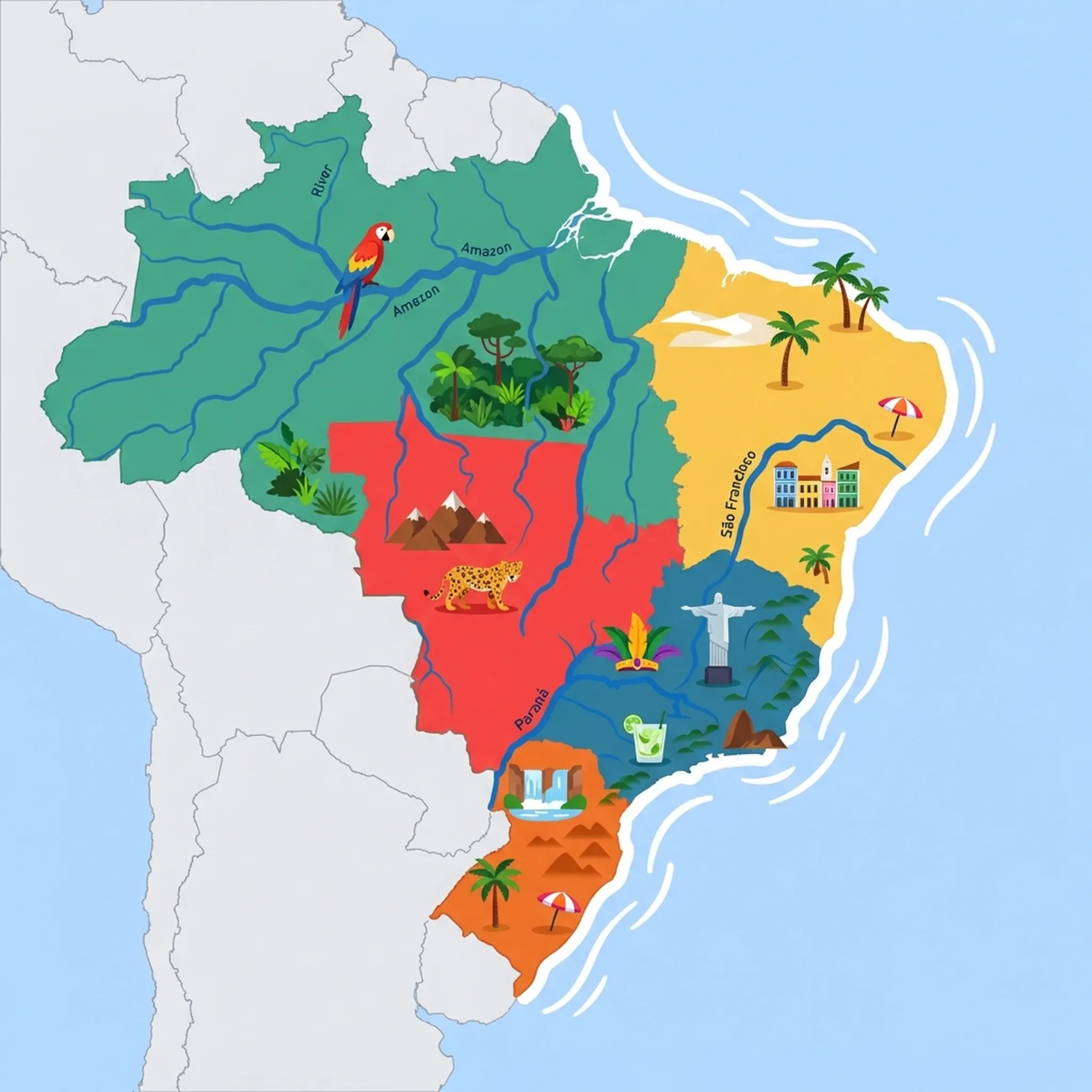
Click a region to explore
The Northeast (Nordeste) is the soulful, sunny heart of Brazil. For families, this region offers the quintessential tropical holiday: warm ocean water year-round, endless palm-lined beaches, and a vibrant culture that is welcoming to children. The pace of life here is slower, known as "baiano time" in Bahia, which encourages relaxation. It is the birthplace of Capoeira (a martial art dance) and Samba de Roda, and children are often invited to join in street performances or drumming circles in historic squares.
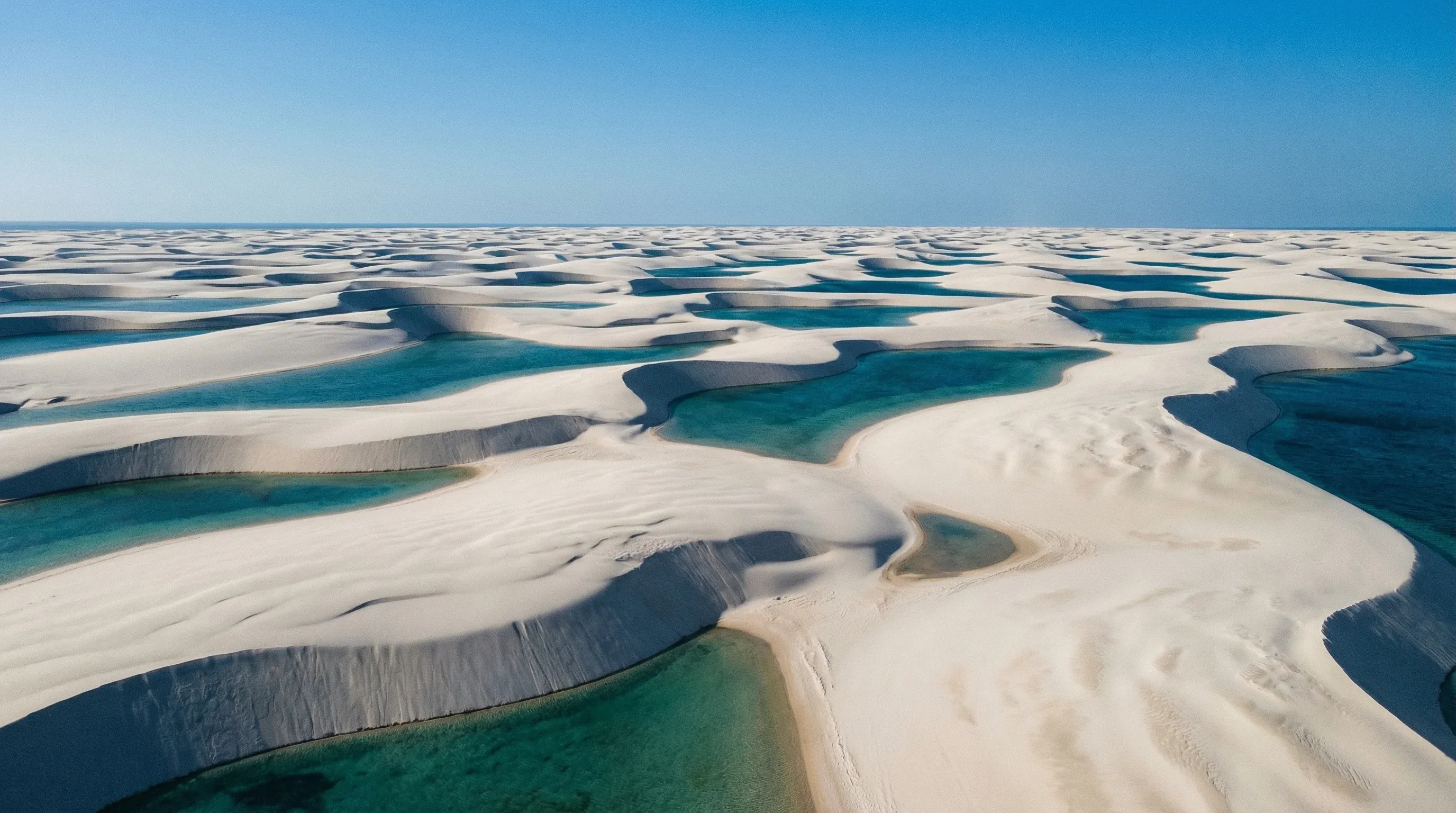
Geographically, the region is diverse. It ranges from the colonial, colorful hills of Salvador to the otherworldly lagoons of Lençóis Maranhenses, where rain fills valleys between sand dunes to create natural swimming pools. The coast is dotted with resorts, but the real magic lies in the smaller fishing villages that have turned into laid-back tourist hubs. The people of the Northeast are famously hospitable, and the infrastructure for tourism is well-developed, with frequent flights connecting the major capitals.
Key Attractions
For pure family fun, Beach Park near Fortaleza is one of the largest water parks in Latin America, featuring the terrifying "Insano" slide for brave teens and vast splash zones for toddlers. Nature lovers must visit Lençóis Maranhenses National Park; taking a 4x4 truck across the dunes and swimming in fresh rainwater lagoons is a magical experience. In Salvador, the Elevador Lacerda is an Art Deco elevator connecting the upper and lower city, offering stunning views of the bay.
History comes alive at the Farol da Barra (Forte de Santo Antônio da Barra), a lighthouse and fort housing a nautical museum that fascinates kids with model ships and cannons. Further up the coast, Jericoacoara Beach is famous for its sunset dune and relaxed vibe, where streets are made of sand and shoes are optional. For a marine adventure, the Fernando de Noronha Marine National Park offers the best snorkeling in Brazil, swimming with turtles and spinning dolphins, though it requires a flight.
Practical Advice
The Northeast is sunny year-round, but the rainy season generally hits from April to July (varying by state). The sun is extremely strong; high SPF and hats are non-negotiable. Tap water is not drinkable. In historic centers like Pelourinho, some streets are steep and cobbled, making strollers difficult to use—baby carriers are better.
Food & Drink
Typical meal times: Lunch is a long affair, 12:00 pm to 3:00 pm. Dinner is served late, typically 8:00 pm to 10:00 pm.
Typical meal costs: Very affordable. A "Prato Feito" (plate of the day) costs R$ 25–40. A large seafood moqueca for two costs R$ 120–180 (approx. $21–32 USD / €20–30 EUR).
Dietary requirements: The cuisine relies heavily on seafood and coconut milk. Palm oil (dendê) is a staple in Bahia and can be heavy on sensitive stomachs. Gluten-free tapioca pancakes are a ubiquitous and safe breakfast or snack.
Signature dishes:
- Moqueca Baiana – A rich, bright orange fish stew made with coconut milk, dendê oil, peppers, and cilantro, usually served with rice and pirão (fish gravy).
- Tapioca – A crepe made from cassava starch, naturally gluten-free, filled with anything from cheese and ham to condensed milk and coconut.
- Acarajé – A street food icon; a deep-fried ball of black-eyed pea dough filled with vatapá (shrimp paste) and salad. (Warning: It can be spicy!).
Why this score?
Adventure here is centered on the coastline, featuring extensive dune buggying in Natal and world-class kite surfing in Ceará. The interior, particularly Chapada Diamantina, offers rugged highland trekking and cave exploration that provides a stark contrast to the beach resorts. While many areas are highly developed, the vast dunes and remote islands offer enough off-the-beaten-path potential to satisfy adventurous families.
Why this score?
State capitals like Recife, Salvador, and Fortaleza boast modern private hospitals that are among the best in the country and capable of handling international insurance. However, the quality of care drops significantly in rural coastal villages and the semi-arid interior (Sertão). Families staying in major resort areas generally have access to adequate first-response care, but English proficiency among medical staff remains inconsistent.
Why this score?
The Northeast is a well-established tourist powerhouse, famous for the colonial heritage of Salvador and the luxury beach resorts of Bahia and Pernambuco. It attracts a strong flow of European and South American visitors drawn to its year-round warm climate and vibrant Afro-Brazilian culture. Destinations like Fernando de Noronha and Lençóis Maranhenses are iconic, though the region's massive size means tourism is concentrated in specific coastal pockets.

The Northeast offers excellent value. A family beachfront pousada (guesthouse) can cost R$ 250–450 (approx. $45–80 USD / €40–75 EUR) per night. Dining out is significantly cheaper than in Rio or São Paulo. Activities like buggy rides cost around R$ 300–400 (approx. $53–70 USD / €50–65 EUR) for a vehicle that seats four.
Family Travel Notice
Minors, especially dual nationals, often require formal notarized authorization from both parents to enter or exit the country if not traveling with both guardians.

Getting Here & Around
Getting Here
- Airports – Salvador (SSA), Recife (REC), and Fortaleza (FOR) are major international hubs.
- Driving – The "Rota das Emoções" connects Maranhão, Piauí, and Ceará, but distances are long. Renting a car is good for day trips to beaches.
- Bus – Comfortable executive buses connect the coastal capitals, though journeys can take 4–8 hours between states.
Getting Around
- Buggy – In places like Jericoacoara Beach and Natal, dune buggies are a primary (and thrilling) form of taxi.
- Walking – The best way to see the Historic Center of São Luís or Olinda, but watch your step on uneven cobblestones.
- Uber/Taxi – Widely available in all state capitals and generally safe and affordable.
Nearby Airports (28 airports)
Santa Maria
AJUAracaju
Barreiras Airport
BRABarreiras
Barreirinhas Airport
BRBBarreirinhas
Caruaru Airport
CAUCaruaru
Cajazeiras Airport
CJZCajazeiras
Presidente Joao Suassuna
CPVCampina Grande
Guanambi Airport
GNMGuanambi
Imperatriz
IMPImperatriz
Ilheus
IOSIlheus
Araripina Airport
JAWAraripina
Aeroporto De Crateus
JCSCrateus
Orlando Bezerra de Menezes Airport
JDOJuazeiro Do Norte
Jericoacoara Airport
JJDCruz
Intl. Pres. Castro Pinto
JPAJoao Pessoa
Aeroporto Brigadeiro Firmino Ayres
JPOPatos de Paraiba
Walfrido Salmito de Almeida Airport
JSBSao Benedito
Aerodromo Publico Airport
JSOSobral
Coronel Horacio de Mattos Airport
LECLencois
Dix-Sept Rosado Airport
MVFMossoro
Augusto Severo
NATNatal
Sao Raimundo Nonato Airport
NSRSerra da Capivara
Parnaiba
PHBParnaiba
Petrolina
PNZPetrolina
Garanhuns
QGPGaranhuns
Iguatu
QIGIguatu
Santa Magalhaes Airport
SETSerra Talhada
Senador Petronio Portella
THETeresina
Glauber Rocha Airport
VDCVitoria Da Conquista
View full flight map for Brazil →
Official Links

Packing List
The equatorial sun is intense and you will likely be in the water for hours; sunscreen washes off.
The combination of strong wind, salt water, and sun will tangle children's hair instantly.
Essential for dune buggy rides and boat trips where splashing is guaranteed.
Buy them there, but ensure everyone has open shoes; socks and sneakers are unbearable in the heat.
Many sinks in budget or mid-range accommodation lack plugs; essential for washing kid's clothes.
The best way to remove sticky sand from children's feet and legs after a day at the beach.
English is rarely spoken outside luxury hotels; basic Portuguese is vital for taxis and food.
Required for eco-tours in the Amazon or Bonito to protect the delicate river ecosystems.

Activities & Best Times

Hiking, wildlife, outdoor exploration, ecotourism
Features extraordinary, world-class ecosystems including the inland plateaus of Chapada Diamantina and the unique Maranhenses dunes. Best visited June-October when seasonal lagoons are full and trekking conditions are comfortable before the peak of the tropical rains.

Urban tourism, museums, historical sites, architecture
Offers profound Afro-Brazilian heritage in UNESCO sites like Salvador's Pelourinho and the historic center of Olinda. The peak reflects the high-energy summer and holiday months, while March-May sees higher precipitation that can hinder walking tours of historic quarters.

Beach resorts, marine activities: diving, snorkelling, kite surfing, wind surfing, sailing
Fernando de Noronha and Baía do Sancho are consistently ranked among the world's best beaches. Baía do Sancho has been voted #1 beach globally multiple times. The current 'good' rating significantly undersells this region's world-class beach credentials. While not as extensive as Caribbean destinations, the quality is internationally excellent.

Learning experiences, scientific sites, historical education
Renowned for conservation-led attractions like Projeto Tamar, which provides unique insights into marine life and environmental protection. Optimal during dry, high-traffic holiday months, though facilities remain open with less favorable outdoor conditions in the rainy season.

Sport tourism, fitness activities, active recreation
Highly rated for specialized activities such as dune buggying in Genipabu and the aquatic challenges at Beach Park. These active pursuits are best experienced during the dry second half of the year to ensure consistent track and water park conditions.

Amusement parks, family entertainment venues
The region hosts significant water and adventure parks such as Veneza and Pratagy that are popular with high-end family travelers. Peak visitation follows the Brazilian school holiday calendar, while the autumn rainy season results in reduced demand for outdoor aquatic facilities.

Attractions (28 total)



Public Holidays & Calendar Next 12 months
Public holidays, festivals, cultural celebrations, and seasonal natural phenomena coming up in Northeast Brazil & Atlantic Coast over the next 12 months.
Loading holidays and events...

Travel Advisory
All major agencies agree that travelers should exercise a high degree of caution in Brazil. While tourism is generally feasible, significant risks from violent crime in urban areas, health hazards like tainted alcohol, and localized insecurity in border zones or favelas require constant vigilance.
Safety Topics
Traveller Advice (4 groups)

While same-sex relationships are legal, acceptance can vary widely; public displays of affection may attract negative attention or hostility in more conservative or rural communities.

Minors, especially dual nationals, often require formal notarized authorization from both parents to enter or exit the country if not traveling with both guardians.

Maintain high situational awareness in public, avoid displaying signs of wealth such as jewelry or smartphones, and never leave food or drinks unattended due to spiking risks.

Female travelers should be particularly cautious of harassment and are advised to travel in groups, especially when moving through urban areas at night.
Agency Summaries
Irish citizens are urged to be highly vigilant at all times, particularly during large public festivals, due to the high frequency of criminal activity in urban centers.
Australia maintains a high caution level because of prevalent violent crime, including robberies and carjackings. Travelers are alerted to recent spikes in methanol poisoning cases.
U.S. authorities recommend increased caution nationwide due to crime and kidnapping risks. Extreme danger (Level 4) exists in border regions and informal housing developments known as favelas.
British citizens are warned against non-essential travel to specific river areas in Amazonas State. General warnings are in place regarding street crime, favelas, and risks of tainted alcohol.
The Canadian government advises travelers to be highly cautious due to elevated crime rates and frequent violence in urban areas. Significant risks exist in specific Rio de Janeiro neighborhoods where all travel should be avoided.
New Zealand travelers should exercise elevated vigilance because of significant safety concerns related to violent crime, civil unrest, and potential health hazards like drink spiking.
Information is provided for general guidance only and does not constitute travel, safety, medical, or legal advice. Conditions may change. Users are responsible for independently verifying information before travel.