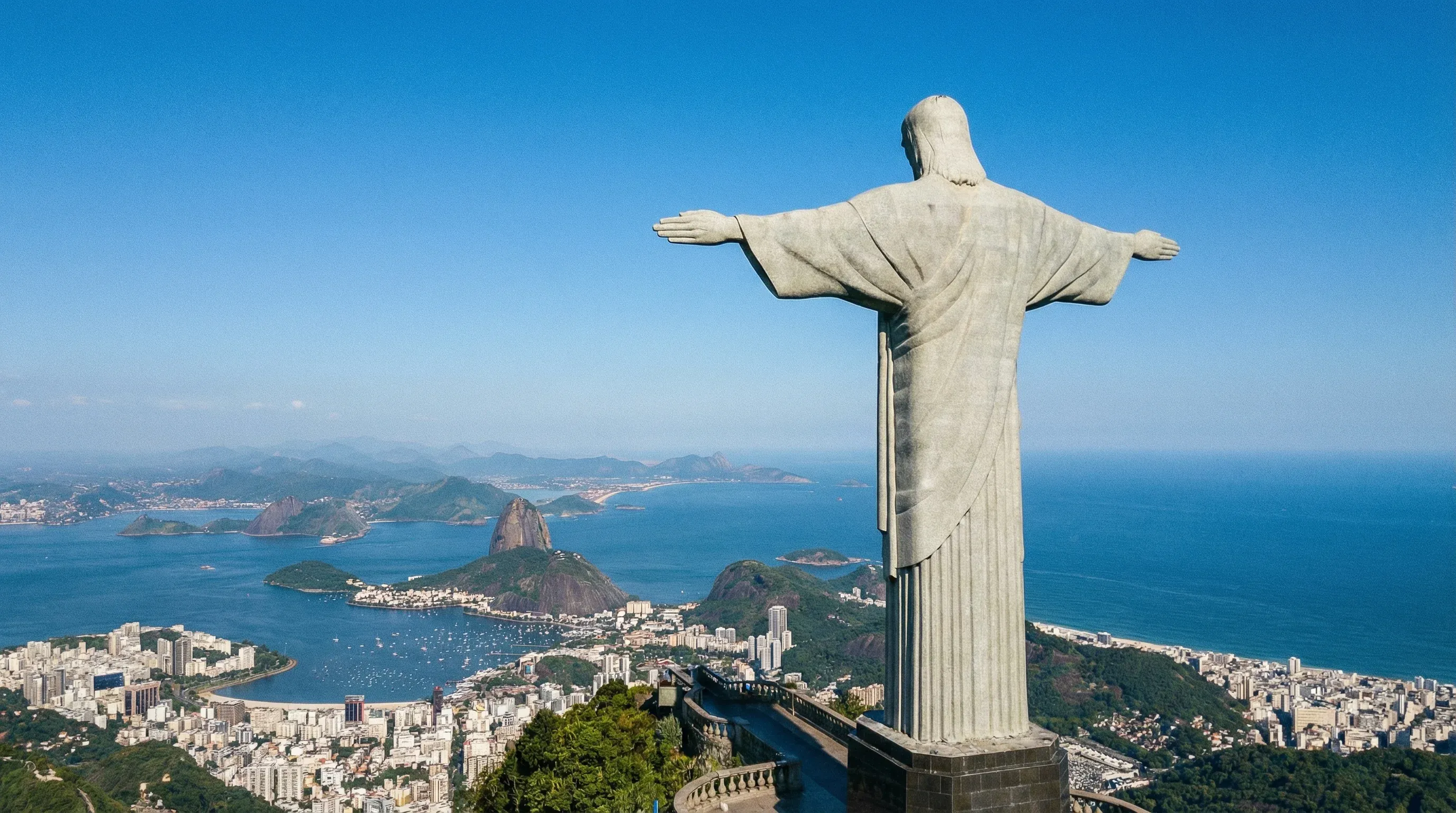

Rio, Sao Paulo and Southeast Brazil
Iconic cities meeting emerald mountains 🏙️⛰️
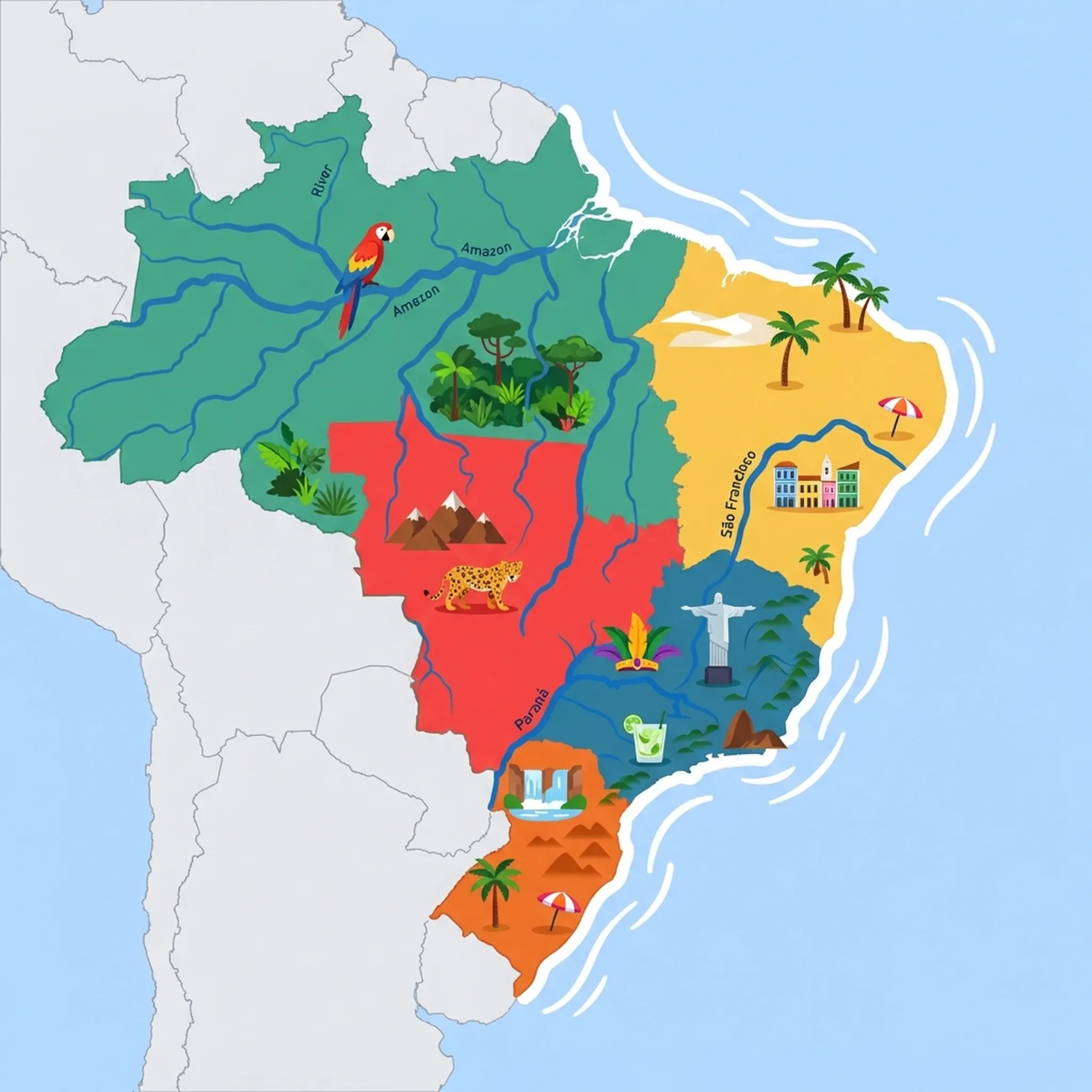
Click a region to explore
⚠️ SAFETY WARNING: Due to elevated crime rates, including armed robbery and theft in tourist areas, government agencies (including CA, USA, UK, AU, IE, NZ) advise travelers to exercise increased caution or reconsider travel to specific parts of this region. Avoid favelas entirely and be vigilant on beaches after dark. Families are strongly urged to consult their own government's official travel advisory before considering a trip, as circumstances and risk assessments vary.
Despite the urban density, the Southeast is surprisingly green and geographically stunning. Rio de Janeiro is famously nestled between granite mountains and the sea, offering a "jungle in the city" vibe that captivates children. São Paulo, while a concrete jungle, is the cultural capital, hosting world-class museums, aquariums, and theme parks. Inland, the state of Minas Gerais offers a lesson in history with its preserved 18th-century gold rush towns, where cobblestone streets and baroque churches feel like a step back in time.
For families, this region offers the highest density of "famous" sights. It is where you find the postcards of Brazil. The infrastructure is the best in the country, with modern metros, reliable ride-shares, and international standard hotels. While safety is a valid concern in the big cities, millions of tourists visit safely by sticking to the main zones (South Zone in Rio, Jardins/Paulista in São Paulo) and following local advice. The blend of beach culture, football passion, and rich history makes it a dynamic classroom for kids.
Key Attractions
No trip is complete without visiting Christ the Redeemer; the cog train ride up through the Tijuca Forest is an adventure in itself, often offering sightings of monkeys. Down at sea level, Copacabana Beach is a living theater of sport and sun, though the quieter Ipanema Beach is often better for families. For rainy days, AquaRio in the revitalized port area is the largest aquarium in South America.
In São Paulo, Ibirapuera Park is the city's lungs, full of playgrounds and museums. Just outside the city, Hopi Hari offers a full day of theme park thrills. For a unique cultural experience, the Inhotim Institute in Minas Gerais is a massive open-air contemporary art museum set in a botanical garden; its interactive installations and vast spaces are surprisingly kid-friendly and unlike anything else on Earth. History buffs should visit Ouro Preto to see the Church of Saint Francis of Assisi.
Practical Advice
Avoid renting a car in Rio or São Paulo city centers; traffic is chaotic and parking is scarce. Use the Metro or Uber. In Rio, avoid wearing expensive jewelry or watches on the street. The best time to visit is shoulder season (April-May or September-October) to avoid the extreme summer heat and crowds.
Food & Drink
Typical meal times: Lunch 12:00 pm to 2:30 pm. Dinner is late, 8:00 pm to 11:00 pm.
Typical meal costs: Prices vary wildly. A meal in a tourist zone costs R$ 80–150 (approx. $14–26 USD / €13–25 EUR). Padarias (bakeries) offer cheap, high-quality snacks.
Dietary requirements: Excellent. São Paulo is a global gastronomic capital with abundant vegan, gluten-free, and allergy-aware options. Rio is also very accommodating.
Signature dishes:
- Feijoada – The national dish; a rich black bean and pork stew, traditionally served on Saturdays with kale, orange slices, and farofa (toasted cassava flour).
- Pão de Queijo – Cheese bread balls, crisp on the outside and chewy inside. A Minas Gerais specialty available everywhere.
- Brigadeiro – A sweet chocolate truffle made from condensed milk and cocoa, a hit with every child.
Why this score?
While the region features the stunning lush mountains of the Serra do Mar and islands like Ilha Grande, the overall experience is heavily urbanized and supported by dense infrastructure. Activities like the Sugarloaf cable car or visiting Paraty are comfortable and well-trodden, offering little in the way of true wilderness challenge. It is an ideal region for families seeking scenic beauty without sacrificing the convenience of a highly developed metropolitan environment.
Why this score?
São Paulo is the medical capital of Latin America, home to world-class institutions like Hospital Israelita Albert Einstein which cater specifically to international patients and expats. Rio de Janeiro also offers excellent private healthcare facilities with a high density of English-speaking specialists and modern diagnostic equipment. For traveling families, this region provides the most secure medical environment in Brazil with reliable emergency services and insurance processing.
Why this score?
This is Brazil's primary international gateway, anchored by Rio de Janeiro's global status and São Paulo's position as a major cultural and business hub. Icons like Christ the Redeemer and Copacabana attract millions of foreign visitors annually, making it one of the most visited regions in the Southern Hemisphere. The infrastructure is highly developed for tourism, supporting a massive volume of international flights and high-end hotel stays.

This is the most expensive region in Brazil. A mid-range hotel in Ipanema or Jardins costs R$ 600–900 (approx. $105–160 USD / €100–150 EUR) per night. Entry to major sights like Christ the Redeemer is pricey (approx R$ 120 / $21 USD). However, food costs can be managed by eating at "comida a quilo" (pay-by-weight) buffets.
Family Travel Notice
Minors, especially dual nationals, often require formal notarized authorization from both parents to enter or exit the country if not traveling with both guardians.

Getting Here & Around
Getting Here
- Airports – São Paulo (GRU/CGH) and Rio de Janeiro (GIG/SDU) are the primary entry points to Brazil.
- Bus – Comfortable "Leito" (sleeper) buses connect Rio and São Paulo (approx. 6 hours).
- Driving – The drive between Rio and São Paulo via the Costa Verde is scenic but slow. Driving to Inhotim Institute usually involves flying to Belo Horizonte (CNF) and renting a car.
Getting Around
- Public Transport – The Rio Metro is safe, clean, and the best way to reach Copacabana Beach. São Paulo's metro is extensive and efficient.
- Ride-Apps – Uber is ubiquitous and safer/cheaper than hailing street taxis.
- Walking – Great along the beach promenades, but be cautious crossing streets; traffic is aggressive.
Nearby Airports (28 airports)
Araxa Airport
AAXAraxa
Araraquara Airport
AQAAraraquara
Aracatuba
ARUAracatuba
Bartolomeu Lisandro
CAWCampos
Congonhas
CGHSao Paulo
Belo Horizonte International Airport
CNFBelo Horizonte
Divinopolis Airport
DIQDivinopolis
São Paulo/Guarulhos International Airport
GRUSao Paulo
Governador Valadares Airport
GVRGovernador Valadares
Usiminas
IPNIpatinga
Zona da Mata Regional Airport
IZAJuiz de Fora
Manhuacu Elias Breder Airport
JMAManhuacu
Bauru-Arealva
JTCBaura-Arealva
Linhares Municipal Airport
LHNLinhares
Marilia
MIIMarilia
Montes Claros
MOCMontes Claros
Patos de Minas Airport
POJPatos De Minas
A. De Barros Airport
PPBPresidente Prudente
Paracatu
PYTParacatu
Leite Lopes
RAORibeirao Preto
Professor Urbano Ernesto Stumpf Airport
SJKSao Jose dos Campos
Sao Jose Do Rio Preto
SJPSao Jose Do Rio Preto
Teofilo Otoni Airport
TFLTeofilo Otoni
Uberaba
UBAUberaba
Uberlandia
UDIUberlandia
Major Brigadeiro Trompowsky
VAGVarginha
Viracopos International Airport
VCPCampinas
Goiabeiras
VIXVitoria
View full flight map for Brazil →
Official Links

Packing List
Discretion is key in Rio and São Paulo; keep valuables hidden under clothes.
The air conditioning in malls, museums, and buses is often freezing, contrasting with the heat outside.
Brazil uses a unique plug shape (Type N) often not found in standard 'universal' kits.
Protects phones from sudden tropical downpours and sand, plus deters snatch-theft if worn under clothes.
Many sinks in budget or mid-range accommodation lack plugs; essential for washing kid's clothes.
The best way to remove sticky sand from children's feet and legs after a day at the beach.
English is rarely spoken outside luxury hotels; basic Portuguese is vital for taxis and food.
Required for eco-tours in the Amazon or Bonito to protect the delicate river ecosystems.

Activities & Best Times

Hiking, wildlife, outdoor exploration, ecotourism
Boasts world-class biodiversity and landscapes, from the Tijuca urban rainforest to the dramatic peaks of Serra dos Órgãos. The drier winter months are peak for trekking and visibility, while the rainy summer season creates muddy conditions and safety risks on trails.

Urban tourism, museums, historical sites, architecture
Home to globally significant cultural assets like the Inhotim open-air museum, the historic UNESCO streets of Ouro Preto, and São Paulo's MASP. The drier, cooler months provide the necessary comfort for exploring these extensive urban and historic sites on foot.

Amusement parks, family entertainment venues
Features several major parks like Hopi Hari and large-scale water resorts that are regional leaders in entertainment. Peak months align with the Brazilian school holiday calendar when infrastructure is fully operational, though summer rain can disrupt water park activities.

Beach resorts, marine activities: diving, snorkelling, kite surfing, wind surfing, sailing
The region features iconic urban beaches like Ipanema and the pristine, protected shores of Ilha Grande and Paraty. Summer months offer the best water temperatures and vibrant coastal culture, while the winter months (May-Sept) can be too cool for a primary beach holiday.

Learning experiences, scientific sites, historical education
Includes significant marine biology and scientific centers like AquaRio and the São Paulo Aquarium. While these are indoor facilities, they are best visited in the cooler months as part of a broader cultural itinerary to avoid the peak heat and humidity of the tropical summer.

Sport tourism, fitness activities, active recreation
Dedicated outdoor activity centers like Tarundu offer specialized infrastructure for climbing, riding, and zip-lining in the highlands. These facilities are most enjoyable during the dry season when outdoor equipment and high-altitude locations are safest and most accessible.

Attractions (34 total)



Public Holidays & Calendar Next 12 months
Public holidays, festivals, cultural celebrations, and seasonal natural phenomena coming up in Rio, Sao Paulo and Southeast Brazil over the next 12 months.
Loading holidays and events...

Travel Advisory
All major agencies agree that travelers should exercise a high degree of caution in Brazil. While tourism is generally feasible, significant risks from violent crime in urban areas, health hazards like tainted alcohol, and localized insecurity in border zones or favelas require constant vigilance.
Safety Topics
Traveller Advice (4 groups)

While same-sex relationships are legal, acceptance can vary widely; public displays of affection may attract negative attention or hostility in more conservative or rural communities.

Minors, especially dual nationals, often require formal notarized authorization from both parents to enter or exit the country if not traveling with both guardians.

Maintain high situational awareness in public, avoid displaying signs of wealth such as jewelry or smartphones, and never leave food or drinks unattended due to spiking risks.

Female travelers should be particularly cautious of harassment and are advised to travel in groups, especially when moving through urban areas at night.
Agency Summaries
Irish citizens are urged to be highly vigilant at all times, particularly during large public festivals, due to the high frequency of criminal activity in urban centers.
Australia maintains a high caution level because of prevalent violent crime, including robberies and carjackings. Travelers are alerted to recent spikes in methanol poisoning cases.
U.S. authorities recommend increased caution nationwide due to crime and kidnapping risks. Extreme danger (Level 4) exists in border regions and informal housing developments known as favelas.
British citizens are warned against non-essential travel to specific river areas in Amazonas State. General warnings are in place regarding street crime, favelas, and risks of tainted alcohol.
The Canadian government advises travelers to be highly cautious due to elevated crime rates and frequent violence in urban areas. Significant risks exist in specific Rio de Janeiro neighborhoods where all travel should be avoided.
New Zealand travelers should exercise elevated vigilance because of significant safety concerns related to violent crime, civil unrest, and potential health hazards like drink spiking.
Information is provided for general guidance only and does not constitute travel, safety, medical, or legal advice. Conditions may change. Users are responsible for independently verifying information before travel.