
Black Sea Coast
Sun-soaked beaches meeting ancient ruins and endless family fun 🏖️🏰
Click a region to explore
Overview
The Bulgarian Black Sea Coast is far more than just a summer beach destination; it is a region where thousands of years of history layer upon a vibrant modern holiday culture. For families, this is arguably the most accessible and diverse region in the country. To the north, the coastline is defined by white limestone cliffs and lush vegetation meeting the sea, while the south offers wide, golden dunes and warmer, calmer waters. The climate here is distinct from the interior, with refreshing sea breezes tempering the summer heat, making it ideal for young children who might struggle with the stifling temperatures of the inland plains. The water of the Black Sea is significantly less salty than the Mediterranean, which means no stinging eyes for little swimmers—a small but significant detail for parents of toddlers.
Culturally, the coast is a bridge between East and West. You will find ancient Thracian roots, Roman ruins, and Byzantine churches sitting right next to modern promenades lined with ice cream stalls and carousels. The atmosphere shifts dramatically depending on where you base yourself. You can choose the high-energy resort towns like Sunny Beach, which function as purpose-built holiday engines with every convenience imaginable, or opt for the slower, more romantic pace of towns like Sozopol or Balchik, where evening entertainment consists of watching the sunset over fishing boats rather than neon lights. For active families, the coast offers everything from pirate-themed boat cruises and extensive water parks to quiet nature reserves where turtles and dragonflies rule the riverbanks.
Key Attractions
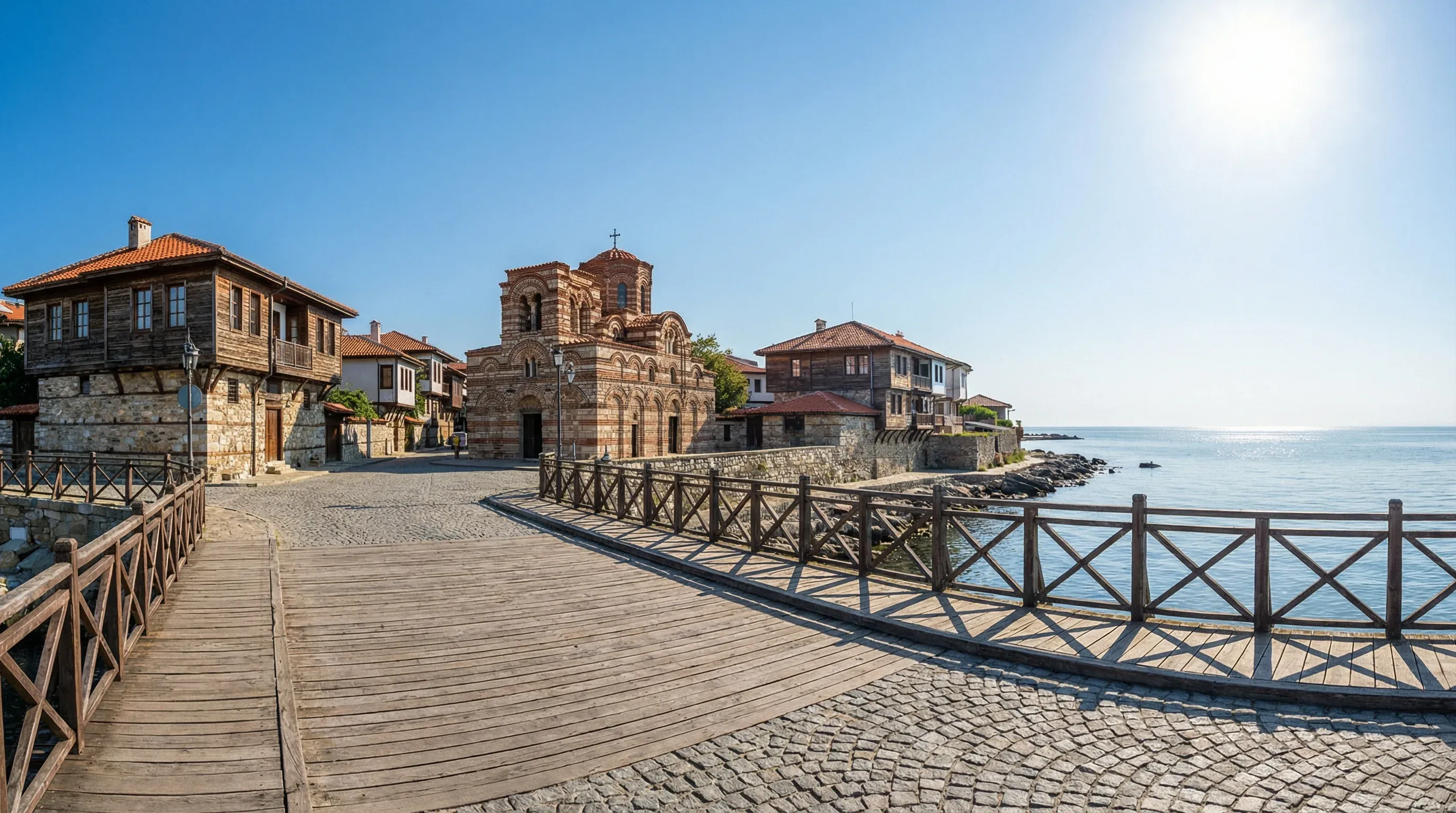
The crown jewel of the southern coast is undoubtedly the Ancient City of Nessebar. Situated on a narrow peninsula connected to the mainland by a thin isthmus, this UNESCO World Heritage site is a living museum. Families can wander through narrow, cobblestone alleys lined with 19th-century wooden houses and the ruins of medieval churches. It feels like stepping into a storybook. Just a short drive away lies Aqua Paradise Water Park, often cited as the largest and most impressive water park in the Balkans. It features a castle-themed layout with slides ranging from terrifying kamikazes for teenagers to gentle lazy rivers for younger kids.
In the northern hub of Varna, the Sea Garden (Morska Gradina) is an absolute must. This massive landscaped park stretches along the coast and is the heart of city life, containing playgrounds, an open-air theater, and a small amusement park, all under the shade of century-old trees. Within the park, you can visit the Festa Dolphinarium, the only one of its kind in the Balkans, offering daily shows that delight younger children. Further north, the Balchik Botanical Garden surrounds the eclectic The Palace of Queen Marie. The gardens are a sensory wonderland of waterfalls, cacti, and rose beds, while the palace itself—with its minaret and quiet courtyards—sparks curiosity about the Romanian queen who built this retreat.
Practical Advice
The best time to visit is from June to early September. July and August are peak season; expect crowds and higher prices, but also the warmest water. Late June and early September offer a perfect balance of weather and space. Bring water shoes for the northern beaches (which can be rockier) and plenty of high-factor sunscreen, as the breeze can mask the sun's intensity.
Food & Drink
Typical meal times: Lunch is usually taken between 12:30 pm and 2:30 pm. Dinner is a late affair in summer, often starting at 8:00 pm or 9:00 pm, though restaurants serve food continuously from noon.
Typical meal costs: A fresh seafood dinner for a family of four costs approximately 80–120 BGN (approx. $44–66 USD / €40–60 EUR). Simple beachside snacks are cheaper.
Dietary requirements: Vegetarian salads and grilled vegetables are staples. Gluten-free is harder to guarantee in small fry-shops (where flour is used freely), but high-end restaurants in Varna and Burgas are allergen-aware.
Signature dishes:
- Tsatsa – Small sprats, lightly floured and deep-fried whole. They are the Bulgarian equivalent of popcorn, eaten by the bucketload with lemon and cold beer.
- Midii s oriz – Mussels with rice, a classic Black Sea dish often cooked with fresh herbs and onions.
- Tarator – A cold yogurt and cucumber soup with dill, garlic, and walnuts—the ultimate refresher on a hot beach day.
Why this score?
The region is highly developed with a focus on all-inclusive resorts, paved promenades, and commercial water parks. While there are some coastal hiking opportunities at Cape Kaliakra, the terrain is mostly flat and geared toward high-volume leisure tourism rather than rugged exploration. Most family activities are centered around managed beaches and entertainment venues.
Why this score?
Major cities like Varna and Burgas host large regional hospitals, and the resort areas are well-served by private medical clinics catering specifically to tourists during the summer season. However, language barriers can exist in state facilities, and most specialized or complex emergencies are often stabilized and then transferred to Sofia.
Why this score?
This region is Bulgaria's primary international draw, anchored by massive resort complexes like Sunny Beach and Golden Sands which attract millions of European visitors annually. It combines major summer leisure infrastructure with UNESCO World Heritage sites like Nessebar, making it a top-tier seaside destination. The high density of hotels and seasonal international flights to Varna and Burgas confirms its status as a major international hub.

While traditionally a budget destination, prices on the Black Sea Coast have risen. It remains excellent value compared to Greece or Italy. A mid-range family apartment costs 100–180 BGN (approx. $55–100 USD / €50–90 EUR) per night. A beer on the beach is 4–6 BGN (approx. $2.20–3.30 USD / €2–3 EUR).
Family Travel Notice
Ensure children have individual travel documents. If travelling with only one parent, carry notarized consent from the absent parent to meet potential border requirements.

Getting Here & Around
Getting Here
- Airports – The region is served by two major international airports: Varna Airport (VAR) in the north and Burgas Airport (BOJ) in the south. Both have extensive charter and seasonal flights from across Europe.
- Driving – The Trakia Highway (A1) connects Sofia to Burgas in about 3.5 to 4 hours. The Hemus Highway (A2) connects Sofia to Varna but is not yet fully complete, taking closer to 5–6 hours.
- Bus – Frequent, comfortable coaches run from Sofia's Central Bus Station to both Varna and Burgas, taking 5–7 hours.
Getting Around
- Bus – A reliable and cheap coastal bus network connects the main resorts. For example, buses run every 15 minutes between Sunny Beach (Slantchev Bryag) and Ancient City of Nessebar.
- Car – Useful if you want to explore secluded beaches like those near Cape Kaliakra, but parking in high season in towns like Sozopol or Varna can be a nightmare.
- Tourist Trains – In resorts like Sunny Beach and Albena, rubber-tired "mini-trains" are a popular way for families to shuttle between hotels and the beach.
Nearby Airports (2 airports)
Burgas
BOJBurgas
Varna
VARVarna
View full flight map for Bulgaria →

Packing List
Essential for northern rocky beaches and protecting feet from hot sand.
Mosquitoes can be aggressive in the evenings, especially near wetland reserves.
Evenings by the sea can get surprisingly breezy and cool, even in July.
Stomach bugs can circulate in busy resorts; good to have preventative aid.
Public toilets and rest stops are frequently out of toilet paper.
Mosquitoes can be aggressive in summer, especially near the Danube and coastal wetlands.
Many small shops, guesthouses, and rural museums do not accept credit cards.
Mountain resorts like Bansko and Borovets get surprisingly cold at night, even in July.
Street lighting in smaller villages and rural guesthouse paths can be non-existent.

Activities & Best Times

Hiking, wildlife, outdoor exploration, ecotourism
Diverse nature experiences ranging from the Geranea Eco-Park to unique farm petting zoos. Late spring and early autumn provide optimal temperatures for exploring coastal ecosystems without the intense mid-summer heat.

Beach resorts, marine activities: diving, snorkelling, kite surfing, wind surfing, sailing
The Black Sea Coast features internationally recognized beach resorts (Sunny Beach, Golden Sands) that attract millions of visitors annually from across Europe. With 10 documented attractions including major resort infrastructure, this deserves very_good rating by international standards, though falls short of excellent (which would require Caribbean/Maldives quality).

Urban tourism, museums, historical sites, architecture
Rich in heritage with the UNESCO-listed town of Nessebar and Varna's archaeological treasures. Best enjoyed in transitional seasons when the cultural atmosphere is vibrant but the streets are less crowded than during the peak beach season.

Sport tourism, fitness activities, active recreation
High-quality infrastructure for active families, including sections of the EuroVelo 13 and major adventure parks. Transitional weather is ideal for long-distance cycling and outdoor active pursuits.

Spa retreats, wellness centers, peaceful getaways
Authentic wellness experiences through historic Roman thermal baths and the unique mud treatments at Tuzlata. Best experienced during milder months when indoor and outdoor thermal facilities are most comfortable.

Scenic drives, countryside tours, route-based travel
Celebrated coastal routes offer scenic vistas between Varna and Burgas. Peak months avoid the heavy summer traffic and provide the best visibility and lush coastal landscapes for touring.

Amusement parks, family entertainment venues
Strong concentration of high-quality water parks like Aqua Paradise that appeal to international families. Operation is strictly seasonal, with peak conditions during the height of summer warmth.

Learning experiences, scientific sites, historical education
Offers regional-standard science centers and aquariums such as Planetum and the Varna Aquarium. These facilities serve as good secondary attractions but lack the global significance of top-tier international educational institutions.

Attractions (27 total)



Public Holidays & Calendar Next 12 months
Public holidays, festivals, cultural celebrations, and seasonal natural phenomena coming up in Black Sea Coast over the next 12 months.
Loading holidays and events...

Travel Advisory
Bulgaria is widely assessed as a safe destination with no major security threats. All major agencies advise that standard safety precautions and vigilance against petty crime are sufficient for visitors.
Safety Topics
Traveller Advice (4 groups)

General safety advice for solo female travellers applies; be cautious when walking alone at night and use reputable transportation services.

Ensure children have individual travel documents. If travelling with only one parent, carry notarized consent from the absent parent to meet potential border requirements.

Maintain standard personal security awareness and safeguard valuables in tourist-heavy areas. Ensure travel insurance is comprehensive and includes medical evacuation.

While same-sex relationships are legal, they are not always socially accepted in all regions. It is advisable to be discrete regarding public displays of affection to avoid negative attention.
Agency Summaries
Bulgaria is generally considered safe for visitors. Canadian travellers should maintain standard personal security awareness. Entry and exit are governed by Schengen area regulations.
British citizens can travel to Bulgaria with standard precautions. Key considerations include road safety, petty crime in resorts, and adhering to Schengen visa-free stay limits.
The country is a safe destination for tourists. Safety efforts should focus on avoiding petty crimes like pickpocketing in crowded areas and being alert to financial fraud at ATMs.
Bulgaria is assessed as having a low crime rate and a stable security environment. Irish citizens should ensure they have comprehensive insurance and follow basic safety routines.
No specific security concerns are currently identified for Bulgaria. New Zealanders should practice standard self-awareness and ensure they have adequate medical evacuation coverage.
Australia recommends standard safety habits in Bulgaria. Travellers should remain vigilant in crowded spaces and be aware of risks related to stray animals and occasional public demonstrations.
Information is provided for general guidance only and does not constitute travel, safety, medical, or legal advice. Conditions may change. Users are responsible for independently verifying information before travel.