
Sofia & Western Bulgaria
A European capital at the foot of a wild mountain 🏙️🚠
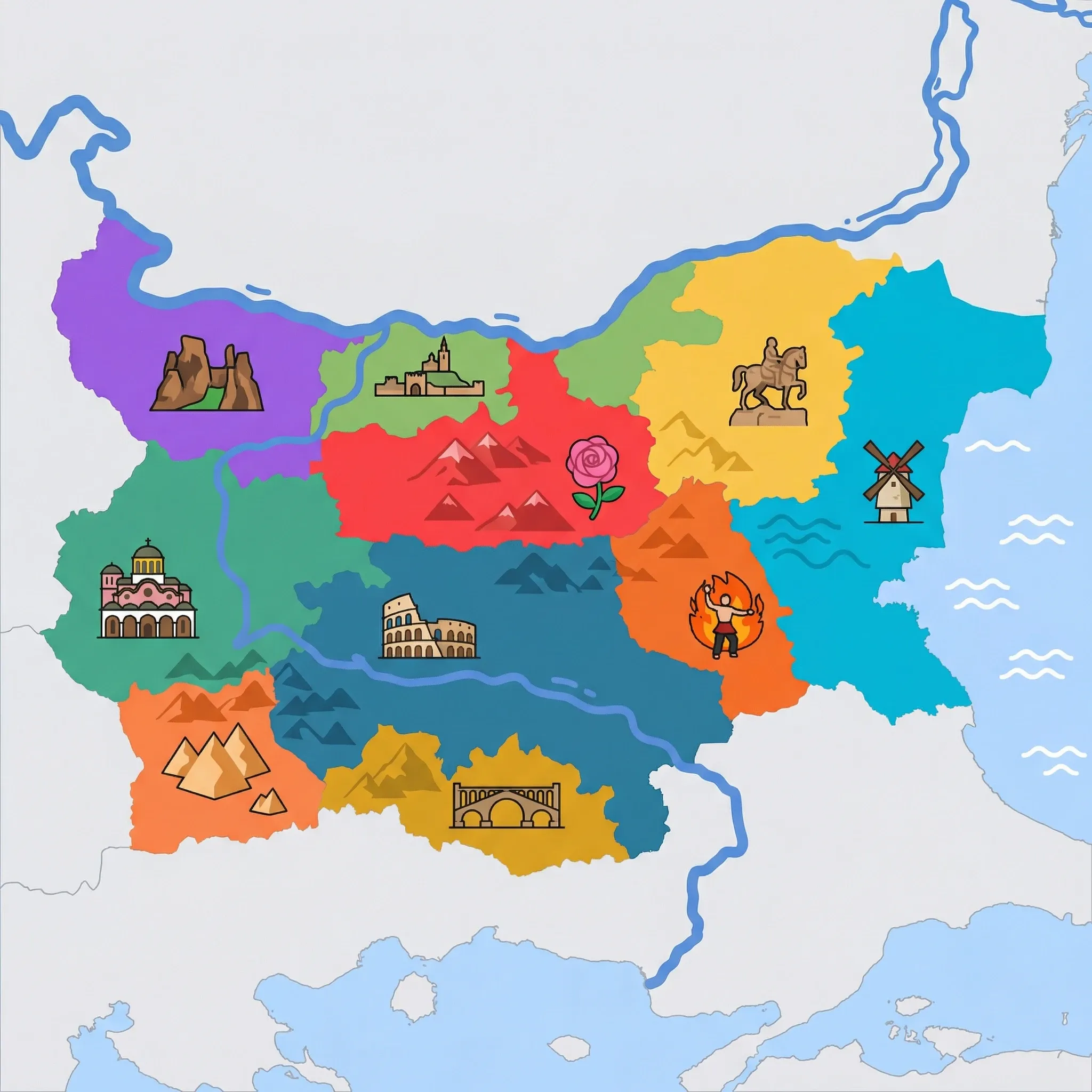
Click a region to explore
Overview
Sofia is a unique European capital because nature is woven directly into its fabric. The massive silhouette of Vitosha Mountain is visible from almost every street corner, offering families the rare chance to visit a bustling metropolis and a mountain nature park in the same day. The city itself is eclectic—a mix of Roman ruins, Ottoman mosques, grandiose 20th-century architecture, and modern glass buildings. It is very green, with massive parks that are full of life, playgrounds, and cafes. For kids, Sofia is approachable; it’s walkable, the public transport is fun (trams!), and it has world-class museums that are affordable.
Surrounding the city, Western Bulgaria offers quick escapes. To the north, the Iskar Gorge provides stunning train rides along the river cliffs. To the east, the town of Koprivshtitsa preserves the colorful, revolutionary spirit of the 19th century. The climate in Sofia is continental—expect snow in winter (and skiing on Vitosha!) and hot, sunny summers where the parks become the city's living room.
Key Attractions
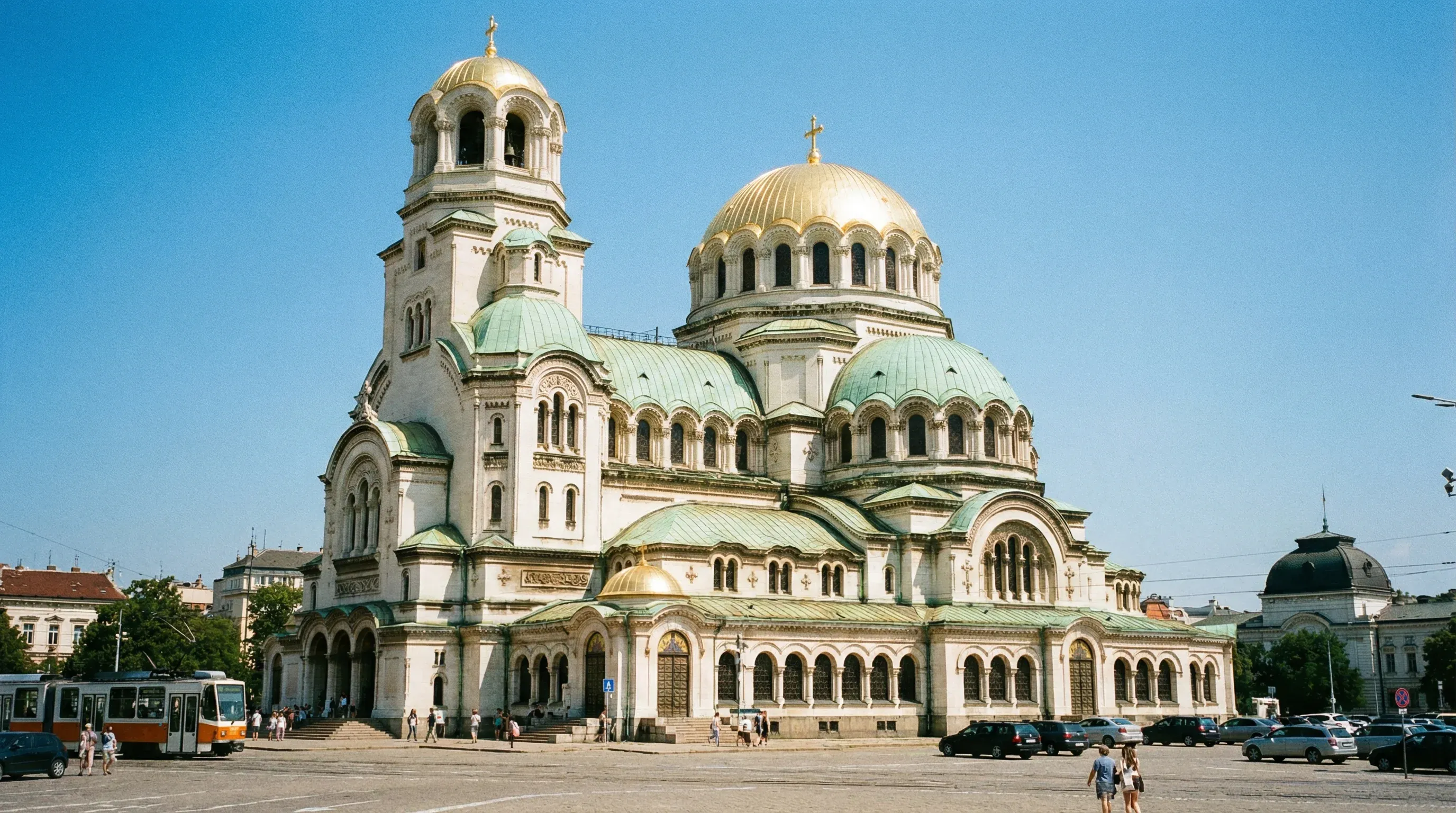
The symbol of the city is Saint Alexander Nevsky Cathedral. Its gold domes are mesmerizing, and the cavernous interior with its incense and flickering candles is atmospheric. Just a short taxi or bus ride away is the National History Museum. Housed in a former communist government residence, it is huge. The Thracian gold treasures here are dazzling and will impress even those who usually find museums boring. The sprawling park in front is great for running around.
For outdoor fun, Vitosha Nature Park is the playground. You can take a cable car from the city edge up to the Aleko hut for skiing in winter or hiking to the "Stone Rivers" (massive boulder fields) in summer. Children also love the National Museum of Natural History in the city center, which has old-school but extensive dioramas of animals. The Sofia Zoo is another popular stop, being the largest in the Balkans. A bit further out, Koprivshtitsa Historic Town is a village-museum of colorful houses where the first shot of the 1876 April Uprising was fired.
Practical Advice
Traffic in Sofia can be heavy; use the Metro which is clean, fast, and safe. Taxis are cheap, but use apps (Yellow Taxi, TaxiMe) to avoid scams. Vitosha cable cars often only run on weekends and holidays in the off-season—check schedules.
Food & Drink
Typical meal times: Lunch 12:00 pm to 2:00 pm; Dinner 7:00 pm to 10:00 pm.
Typical meal costs: 80–140 BGN (approx. $44–77 USD / €40–70 EUR) for a family meal. Sofia has options ranging from street food to luxury dining.
Dietary requirements: Sofia is the best place in Bulgaria for special diets. Vegan, vegetarian, and gluten-free restaurants are common in the center.
Signature dishes:
- Shopska Salad – The national dish, named after the "Shopi" people of the Sofia region. Tomatoes, cucumbers, peppers, onions, and a mountain of white cheese.
- Shkembe Chorba – Tripe soup with garlic and vinegar. A polarizing classic, but a must-try for adventurous eaters.
- Meshana Skara – Mixed grill platter, usually featuring kebapche, kyufte, and pork steak.
Why this score?
Vitosha Mountain, located right on the edge of the city, provides accessible skiing and hiking, which is unique for a European capital. However, the presence of cable cars and well-marked paths makes it more of a recreational area than a true wilderness. The rest of the region is fairly developed, focusing on suburban and cultural excursions.
Why this score?
Sofia provides the highest standard of medical care in Bulgaria, with numerous state-of-the-art private hospitals like Tokuda and City Clinic that cater to international standards. Most specialists speak English, and the city is the center for all advanced medical procedures and emergency responses in the country. It is the safest region for travelers with specific medical needs.
Why this score?
As the capital city and main international gateway, Sofia receives the highest volume of business and city-break tourists in the country. It offers a dense concentration of museums, galleries, and historic sites like the Alexander Nevsky Cathedral. While not a global mega-destination like Paris, it is a well-established European capital for international travelers.

Sofia is more expensive than the countryside but cheap for a European capital. A 3-course dinner for two is around 80 BGN ($44 USD). Public transport tickets are 1.60 BGN ($0.90 USD).
Family Travel Notice
Ensure children have individual travel documents. If travelling with only one parent, carry notarized consent from the absent parent to meet potential border requirements.

Getting Here & Around
Getting Here
- Airports – Sofia Airport (SOF) is the main international hub. It is connected to the city center by Metro (Line 4) in just 20–30 minutes.
- Train – The Central Railway Station connects Sofia to all major Bulgarian towns and international routes to Istanbul or Bucharest (though international trains can be slow).
- Bus – The Central Bus Station (next to the train station) is the hub for domestic travel.
Getting Around
- Public Transport – The Metro is excellent for families. Trams and buses cover the rest. Kids under 7 travel free.
- Cable Cars – The Simeonovo gondola connects the ring road to Vitosha Nature Park.
- Walking – The "Yellow Cobblestone" area in the center is best explored on foot.
Nearby Airports (1 airport)
Sofia Airport
SOFSofia
View full flight map for Bulgaria →
Official Links

Packing List
You will do a lot of walking, and the pavement can be uneven.
Vitosha Mountain is always 10 degrees colder than the city center.
Plastic bags are charged for; useful for market shopping.
Many Black Sea beaches have rocky sections or extremely hot sand in summer.
Public toilets and rest stops are frequently out of toilet paper.
Mosquitoes can be aggressive in summer, especially near the Danube and coastal wetlands.
Many small shops, guesthouses, and rural museums do not accept credit cards.
Mountain resorts like Bansko and Borovets get surprisingly cold at night, even in July.
Street lighting in smaller villages and rural guesthouse paths can be non-existent.

Activities & Best Times

Hiking, wildlife, outdoor exploration, ecotourism
The immediate proximity of Vitosha Mountain and the unique 19th-century architectural reserve of Koprivshtitsa provide authentic rural and wilderness immersion just outside the city. Optimal conditions occur in spring and autumn when trails are accessible and the mountain flora or autumn colors are at their peak.

Urban tourism, museums, historical sites, architecture
Sofia offers a sophisticated blend of Roman ruins, Ottoman mosques, and the UNESCO-listed Boyana Church, appealing to families seeking deep historical layers without the crowds of Western European capitals. Peak months offer ideal walking weather for exploring the vibrant arts scene and diverse architecture.

Sport tourism, fitness activities, active recreation
As the global headquarters of Walltopia, Sofia boasts world-class climbing facilities, complemented by excellent mountain biking and hiking infrastructure on Vitosha Mountain. The shoulder months remain viable for active pursuits, though summer peaks can be warm and early spring may have lingering trail mud.

Learning experiences, scientific sites, historical education
Muzeiko is one of the highest-quality children's science centers in Eastern Europe, and the National Historical Museum houses world-class Thracian treasures. These indoor facilities are excellent for educational family travel during the cooler months when outdoor activities are limited.

Events, celebrations, seasonal attractions
The Surva masquerade festival is UNESCO Intangible Cultural Heritage and internationally significant. While narrow in timing, its cultural importance and tourist draw warrant good rather than marginal rating.

Spa retreats, wellness centers, peaceful getaways
The region is famous for its thermal mineral springs, particularly in Bankya and Sofia's center, offering authentic bathing rituals in historic settings. The experience is most restorative during the cold winter months when the contrast with the thermal water is most profound.

Scenic drives, countryside tours, route-based travel
The Iskar Gorge drive offers dramatic limestone cliffs and winding river views that are easily accessible from the capital, providing a high-quality scenic touring experience. May through October provides the best visibility and safe road conditions for navigating mountain passes.

Winter sports, ski resorts, snow activities
Vitosha offers the rare luxury of a ski resort within 30 minutes of a major capital, providing solid, authentic alpine experiences for families, though it lacks the massive scale of larger European resorts. January and February offer the most reliable snow cover for high-altitude skiing.

Beach resorts, marine activities: diving, snorkelling, kite surfing, wind surfing, sailing
While landlocked, the large Iskar Reservoir provides a local alternative for sailing and swimming for families already in the region. It is only viable during the peak heat of mid-summer and does not compare to international coastal destinations.

Amusement parks, family entertainment venues
Regional water parks like Vazrazhdane offer summer fun for families, though they lack the international standing of major destination theme parks. Visitation is strictly seasonal, limited to the warmest summer window when outdoor aquatic facilities are operational.

Attractions (20 total)



Public Holidays & Calendar Next 12 months
Public holidays, festivals, cultural celebrations, and seasonal natural phenomena coming up in Sofia & Western Bulgaria over the next 12 months.
Loading holidays and events...

Travel Advisory
Bulgaria is widely assessed as a safe destination with no major security threats. All major agencies advise that standard safety precautions and vigilance against petty crime are sufficient for visitors.
Safety Topics
Traveller Advice (4 groups)

General safety advice for solo female travellers applies; be cautious when walking alone at night and use reputable transportation services.
Ensure children have individual travel documents. If travelling with only one parent, carry notarized consent from the absent parent to meet potential border requirements.

Maintain standard personal security awareness and safeguard valuables in tourist-heavy areas. Ensure travel insurance is comprehensive and includes medical evacuation.

While same-sex relationships are legal, they are not always socially accepted in all regions. It is advisable to be discrete regarding public displays of affection to avoid negative attention.
Agency Summaries
Bulgaria is generally considered safe for visitors. Canadian travellers should maintain standard personal security awareness. Entry and exit are governed by Schengen area regulations.
British citizens can travel to Bulgaria with standard precautions. Key considerations include road safety, petty crime in resorts, and adhering to Schengen visa-free stay limits.
The country is a safe destination for tourists. Safety efforts should focus on avoiding petty crimes like pickpocketing in crowded areas and being alert to financial fraud at ATMs.
Bulgaria is assessed as having a low crime rate and a stable security environment. Irish citizens should ensure they have comprehensive insurance and follow basic safety routines.
No specific security concerns are currently identified for Bulgaria. New Zealanders should practice standard self-awareness and ensure they have adequate medical evacuation coverage.
Australia recommends standard safety habits in Bulgaria. Travellers should remain vigilant in crowded spaces and be aware of risks related to stray animals and occasional public demonstrations.
Information is provided for general guidance only and does not constitute travel, safety, medical, or legal advice. Conditions may change. Users are responsible for independently verifying information before travel.