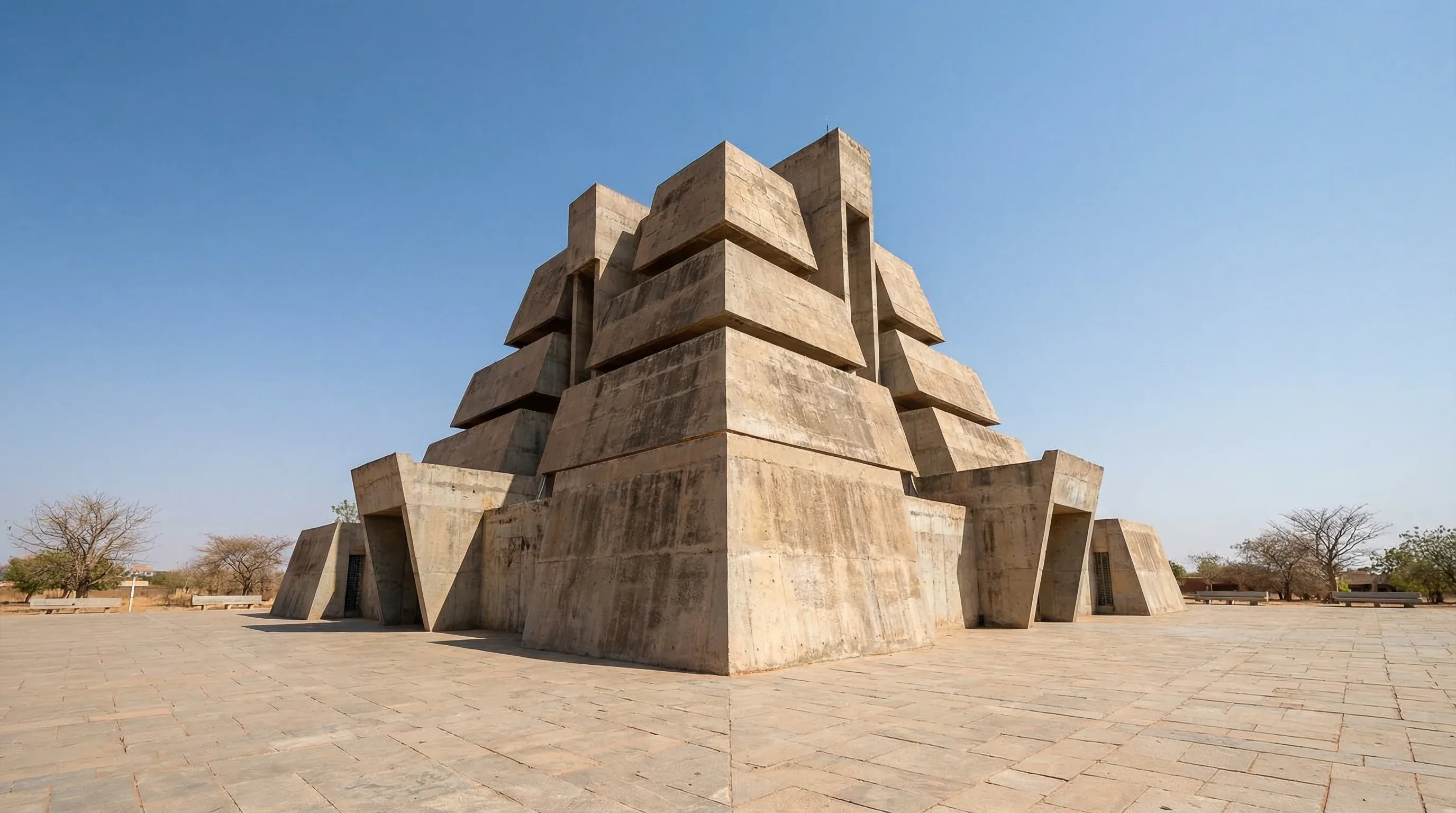

Ouagadougou & Central
The bustling city of arts, mopeds, and markets 🛵🎭
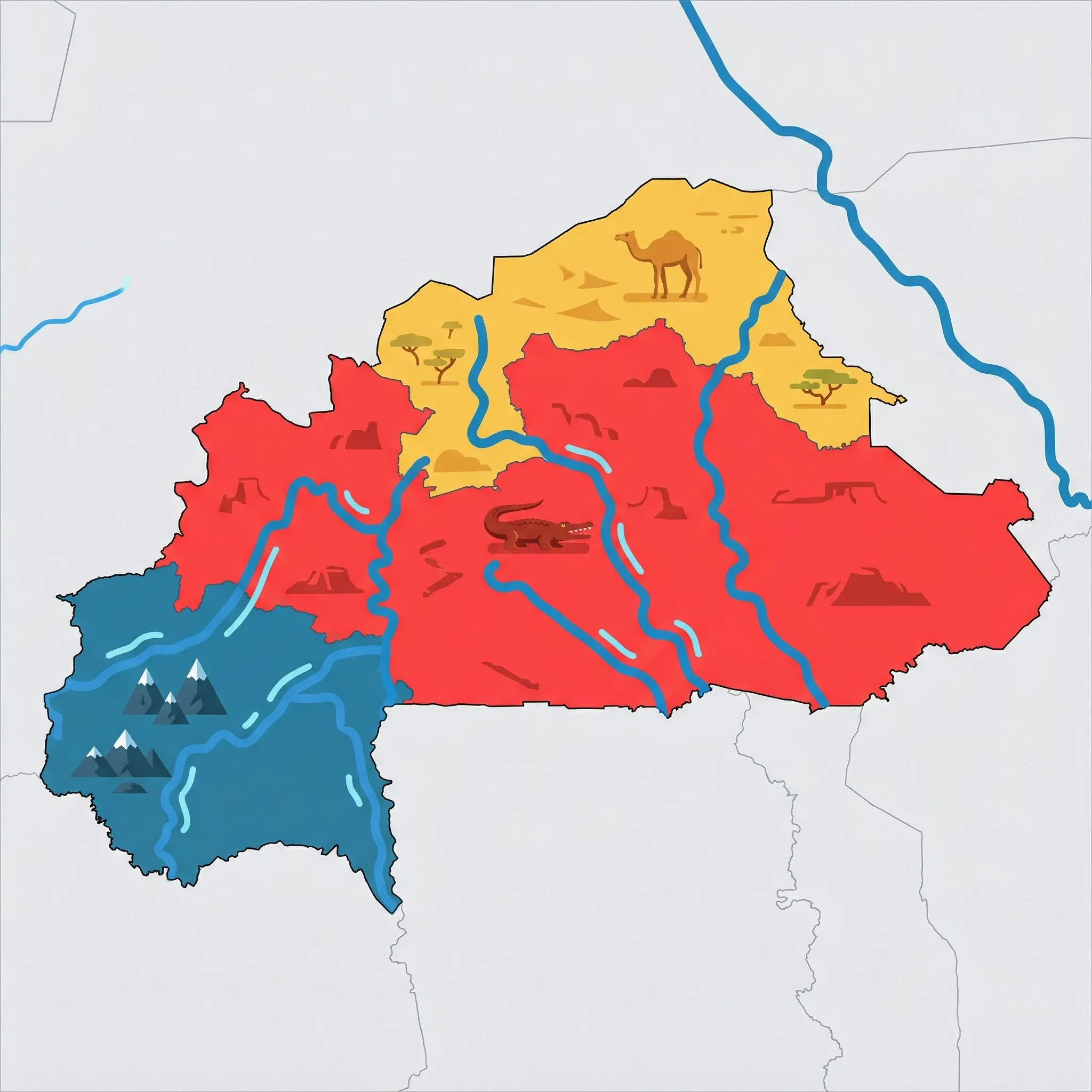
Click a region to explore
⚠️ SAFETY WARNING: Due to the high risk of terrorism and kidnapping, government agencies (including the USA, UK, CA, AU, IE, and NZ) advise travelers to avoid all travel or reconsider travel to this region. Ouagadougou has experienced attacks targeting hotels and restaurants frequented by foreigners. The security situation is volatile. Families are strongly urged to consult their own government's official travel advisory before considering a trip, as circumstances and risk assessments vary.
Ouagadougou, affectionately known as "Ouaga," is a sprawling, dusty, and vibrant capital that feels more like a collection of large villages than a concrete metropolis. It is the administrative and diplomatic center of the country, buzzing with the sound of thousands of mopeds. For families, Ouaga offers the highest concentration of museums, craft markets, and cultural centers in the country. It is a city of artisans, where you can watch bronze casters, weavers, and leatherworkers plying their trade on the roadsides.
Despite the heat and dust, the city has a welcoming spirit known as "burkindlim" (integrity). The central region is largely flat savanna, but the capital provides green lungs and cultural spaces that allow children to engage with West African heritage. It serves as the primary base for any visit to the country, offering the most reliable medical facilities and supermarkets stocking international goods.
Key Attractions
For a deep dive into the country's diverse ethnic groups, the National Museum of Burkina Faso is essential. It houses a vast collection of masks, statues, and traditional costumes that captivate children's imaginations and explain the complex history of the Mossi Kingdom. Nature lovers within the city limits should visit Parc Urbain Bangr Weogo. This substantial urban park is a forest in the city, home to small wildlife, walking trails, and playgrounds, offering a rare shady escape from the urban heat.
A short drive from the capital lies the unique Laongo Sculpture Park. Here, artists from around the world have carved figures and abstract shapes directly into the natural granite outcrops. It is an open-air gallery where kids can scramble around rocks and discover art hidden in the landscape. Back in the city, the Monument aux Héros Nationaux stands as a striking modernist landmark dominating the skyline, representing the country's struggle for independence and identity.
Practical Advice
The Harmattan wind blows from December to February, bringing dust and hazy skies; families with asthmatic children should be prepared. The heat from March to May is intense, often exceeding 40°C (104°F).
Food & Drink
Typical meal times: Lunch is the main affair, 12:00 pm to 2:00 pm. Dinner is usually eaten late, from 7:30 pm to 9:30 pm, often outdoors to enjoy the cooler evening air.
Typical meal costs: A mid-range dinner costs 5,000–10,000 XOF (approx. $8–16 USD / €7.50–15 EUR). Upscale expat-focused restaurants will charge European prices, around 15,000–25,000 XOF (approx. $25–41 USD / €23–38 EUR).
Dietary requirements: Ouagadougou has the best variety of international cuisine in the country (Lebanese, French, Italian), making it easier to accommodate dietary restrictions here than in rural areas. Gluten-free is not a widely understood concept, but rice-based dishes are common.
Signature dishes:
- Poulet Bicyclette – Grilled free-range chicken, famous for its firm texture and rich flavor, usually served with a spicy chili paste on the side.
- Babenda – A bitter, slimy, yet beloved dish made from fermented locust beans (soumbala), spinach, and coarse rice or corn.
- Dégué – A popular sweet dessert or snack made from millet couscous and yogurt, often sold chilled in bottles.
Why this score?
This region is largely urban and developed, with most tourist activities centered around museums, artisan workshops, and the Moro-Naba Palace. While sites like the Bangr Weogo Urban Park offer some greenery, they are managed environments that lack the ruggedness of the country's periphery. The adventure level is low as the infrastructure supports a more traditional, city-based sightseeing experience.
Why this score?
Ouagadougou possesses the best medical infrastructure in Burkina Faso, including several private clinics and the national teaching hospital. While better than the rest of the country, these facilities still face challenges with consistent supplies, language barriers for non-French speakers, and international insurance processing. It is the only place in the country where one might find a moderate level of diagnostic capability for foreign travelers.
Why this score?
As the capital and primary entry point, Ouagadougou sees the highest concentration of international visitors in the country, largely driven by business and major events like the FESPACO film festival. Attractions like the National Museum and Laongo Sculpture Park draw some cultural tourists, but the total visitor volume remains small in a global context. The tourism industry is emerging and focused on the 'Artistic Heart' branding rather than mass appeal.

Ouagadougou is the most expensive city in Burkina Faso but remains affordable by international standards. A secure 3-star hotel suitable for families ranges from 60,000–90,000 XOF (approx. $100–150 USD / €90–135 EUR). Imported goods in supermarkets are expensive, often costing double what they would in Europe. Local transport and food are very cheap.

Getting Here & Around
Getting Here
- Airports – Ouagadougou Airport (OUA) is the main international gateway, located surprisingly close to the city center. It receives flights from Paris, Brussels, Istanbul, and regional African capitals.
- Bus – As the central hub, buses arrive here from all regional capitals, though road travel is discouraged due to security.
Getting Around
- Taxis – Green taxis are available throughout the city. They do not use meters; you must negotiate the price before getting in. A short hop costs 300–500 XOF (approx. $0.50–0.80 USD / €0.45–0.75 EUR), while a "déplacement" (private charter) costs more.
- Car – Renting a car with a driver is highly recommended for families to navigate the chaotic traffic and visit sites like Laongo Sculpture Park.
- Walking – Generally difficult due to heat, lack of sidewalks, and traffic, except within enclosed parks like Parc Urbain Bangr Weogo.
Nearby Airports (1 airport)
Ouagadougou
OUAOuagadougou
View full flight map for Burkina Faso →
Official Links

Packing List
Essential during Harmattan season (Dec-Feb) when air quality is poor due to fine desert dust.
Voltage fluctuations are common and can damage sensitive electronics like tablets or phones.
Water scarcity means taps aren't always available for washing hands before street food snacks.
English is rarely spoken outside of high-end hotels; basic French is vital for taxis and markets.
Mandatory for entry; you will be refused admission without the original card.
Power cuts are frequent and street lighting is minimal to non-existent.
ATMs are unreliable and credit cards are virtually useless outside the top hotel.
Essential during Harmattan season (Dec-Feb) when dust fog is heavy.
Running water is scarce and many meals (like Tô) are traditionally eaten by hand.

Activities & Best Times

Urban tourism, museums, historical sites, architecture
Ouagadougou serves as the cultural heart of West Africa, featuring the National Museum and the unique Laongo Sculpture Park. The cooler, dry Harmattan months (Nov-Feb) provide the most comfortable conditions for exploring the city's vibrant street life and monuments.

Hiking, wildlife, outdoor exploration, ecotourism
The region features established urban-nature reserves like Bangr Weogo and the scenic granite formations of Ziniaré. Exploration is best during the dry season when trails are accessible, as heavy rains from June to September create muddy conditions and limited visibility.

Sport tourism, fitness activities, active recreation
Offers dedicated cycling routes around the Central Plateau and structured active zones in Bangr Weogo Urban Park. Activity is most enjoyable in the cooler winter months; the extreme heat of April and May makes intensive physical activity challenging for international travelers.

Learning experiences, scientific sites, historical education
The specialized Water and Nature museums provide niche insights into Sahelian ecosystems and resource management. These are best visited during the pleasant dry season, though they remain secondary to the city's broader cultural heritage sites.

Events, celebrations, seasonal attractions
Home to prestigious biennial events like FESPACO (Africa's largest film festival) and SIAO (International Art and Craft Fair), which define the peak visitation periods for cultural enthusiasts. Outside of these major event windows in February and October, the international festival scene is relatively quiet.

Scenic drives, countryside tours, route-based travel
The Central Plateau circuit offers a route-based exploration of Mossi culture and regional craftsmanship. Paved roads are best navigated in the dry season (Nov-Feb) to avoid potential washouts and difficult driving conditions during the summer rains.

Amusement parks, family entertainment venues
Regional water parks like Waga Aqua Parc and Loumbila Beach provide local-standard family entertainment primarily used to escape the intense dry heat of March to May. These facilities lack international world-class standing and are less appealing during the cooler months or the height of the monsoon.

Attractions (6 total)



Public Holidays & Calendar Next 12 months
Public holidays, festivals, cultural celebrations, and seasonal natural phenomena coming up in Ouagadougou & Central over the next 12 months.
Loading holidays and events...

Travel Advisory
All major international agencies currently advise against any travel to Burkina Faso due to severe security threats, including terrorism, kidnapping, and political instability.
Safety Topics
Traveller Advice (3 groups)
Aid workers and those in humanitarian sectors are at an increased risk of targeted kidnapping by extremist groups, particularly in border regions and the Sahel.

Same-sex relationships are illegal and can result in imprisonment, fines, or deportation for foreign nationals.

Female travellers should observe conservative dress and behavior standards to respect local cultural norms and avoid unwanted attention.
Agency Summaries
Avoid all travel to Burkina Faso because of persistent terrorist threats, high kidnapping risks, and political volatility.
The FCDO advises against all travel to the country due to the high risk of terrorist attacks, kidnapping, and political instability following military coups.
Australia advises against all travel to Burkina Faso due to the dangerous security situation, terrorism, and violent crime. Foreigners are specifically targeted for kidnapping.
New Zealanders are urged not to travel to Burkina Faso and those already there should consider leaving immediately due to extreme security risks.
Ireland strongly advises against all travel to Burkina Faso. The security situation remains volatile and unpredictable after recent political unrest.
Do not travel to Burkina Faso due to pervasive terrorism, crime, and the threat of kidnapping. The U.S. government has extremely limited ability to assist citizens outside of the capital.
Information is provided for general guidance only and does not constitute travel, safety, medical, or legal advice. Conditions may change. Users are responsible for independently verifying information before travel.