
Alberta & Canadian Rockies
Dino digs, cowboy culture, and mountain peaks 🏔️🦕🤠
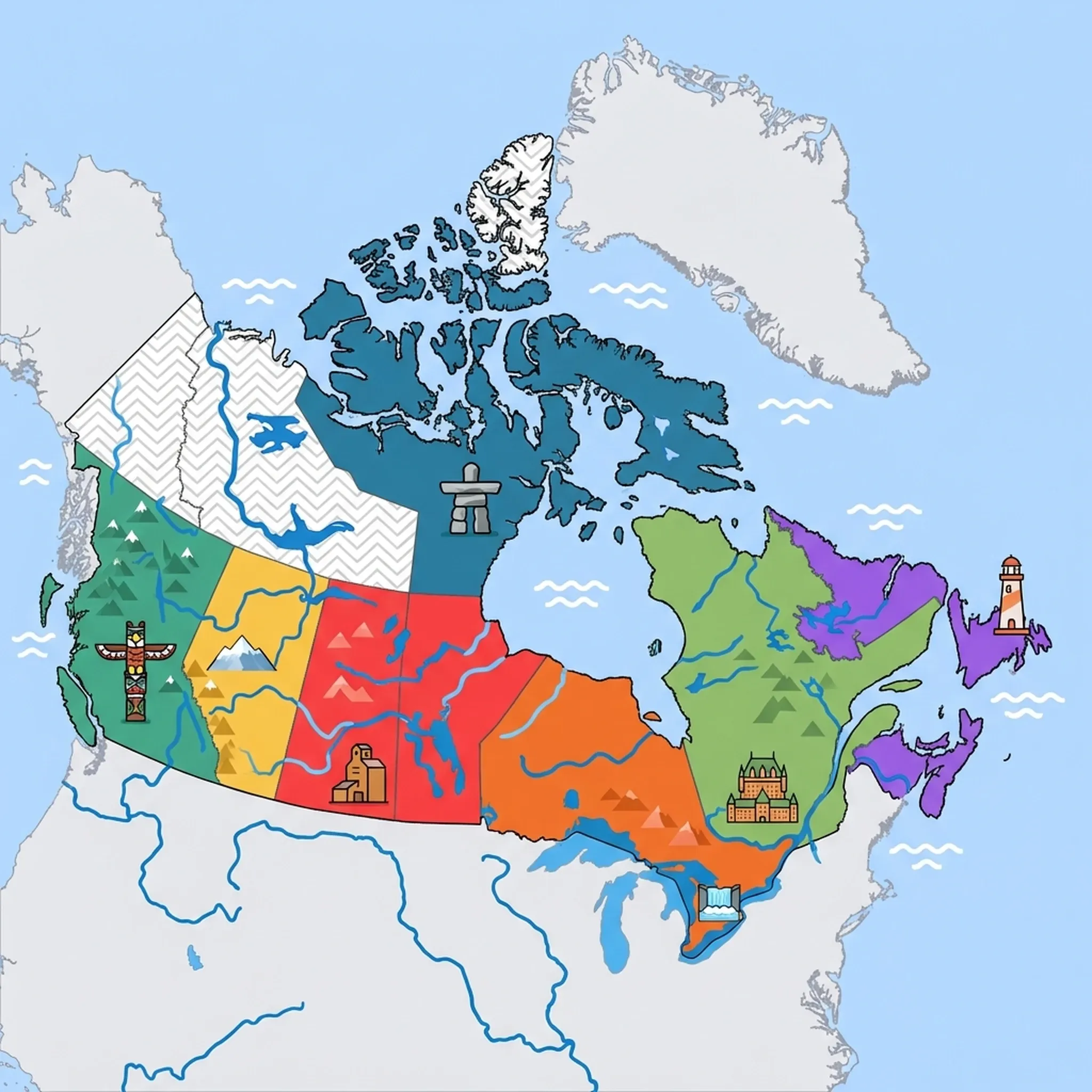
Click a region to explore
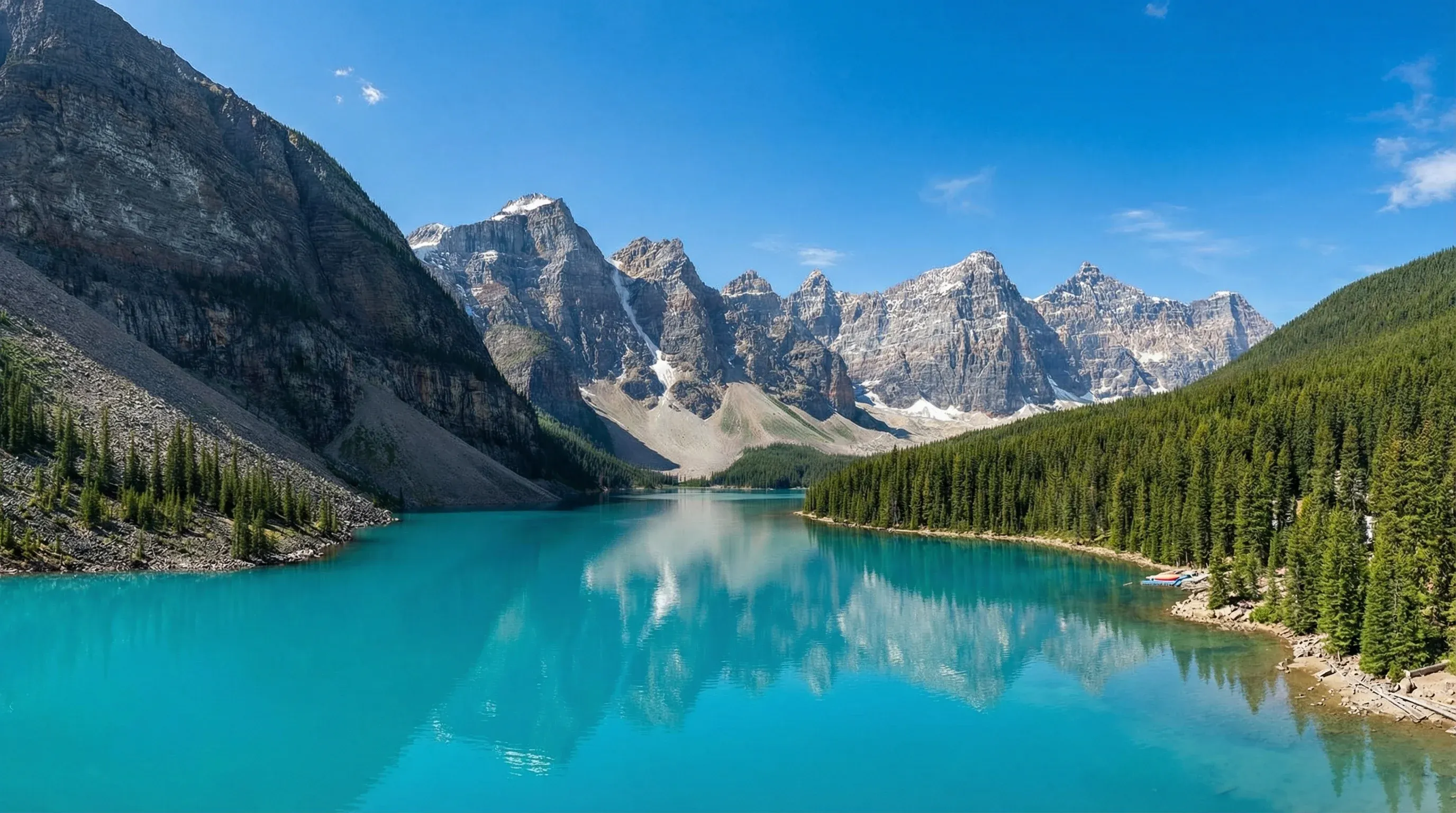
Alberta is a province of dramatic contrasts, where the flat golden prairies abruptly collide with the jagged stone wall of the Canadian Rockies. For families, this geography translates into two distinct but equally thrilling holidays: the alpine adventure and the prehistoric exploration. The air here is crisp and dry, carrying the scent of pine forests in the mountains and sagebrush in the badlands. It is a destination that demands energy; whether you are paddling a canoe across the impossible turquoise waters of Lake Louise or scrambling over hoodoos in Drumheller, the landscape invites active participation. The culture is deeply rooted in western heritage—expect to see cowboy hats worn without irony—but it is also fiercely proud of its natural history. Alberta is one of the few places on earth where a child can stand on a glacier in the morning and touch a real dinosaur bone in the afternoon.
The scale of the scenery here can be overwhelming for little ones, but the infrastructure is perfectly designed for families. The mountain parks are connected by the Icefields Parkway, often cited as the most spectacular drive in the world, yet dotted with accessible viewpoints and picnic spots. Unlike more rugged wilderness areas, the Canadian Rockies offer wilderness with a safety net; you are never too far from a hot chocolate or a comfortable lodge. Wildlife spotting is a daily occurrence—elk graze on town lawns in Banff and Jasper, and bighorn sheep frequently patrol the highways. It is a region that feels wild and untamed, yet remains safe and welcoming for travelers of all ages.
Key Attractions
The crown jewel for many families is the Columbia Icefield Skywalk. Suspended 280 metres above the Sunwapta Valley, this glass-floored observation platform offers a heart-pounding view of waterfalls and glaciers that fascinates older children and teens. Just down the road, you can ride an oversized 'Ice Explorer' vehicle directly onto the Athabasca Glacier, allowing kids to safely walk on ancient ice and drink pure glacial meltwater.
For a complete change of pace, the Badlands offer a desert-like landscape that feels like another planet. Dinosaur Provincial Park is a UNESCO World Heritage site with the highest concentration of Cretaceous fossils in the world. Families can book guided excavations or 'fossil safaris' to hunt for bones. Back in the city, the Calgary Stampede in July is a bucket-list event, offering a massive midway, rodeo action, and a parade that shuts down the entire city. For pure entertainment, Calaway Park near Calgary provides classic amusement rides with a backdrop of the foothills.
Practical Advice
Summer (late June to early September) is the prime season for hiking and road trips, though it is also peak tourist season. To avoid crowds, visit attractions before 9:00 am or after 5:00 pm. The weather in the mountains is volatile; snow can fall in any month of the year. Always carry warm layers, even in July. If driving the Icefields Parkway, fill your gas tank in Jasper or Lake Louise as there are no fuel stations for long stretches.
Food & Drink
Typical meal times: Breakfast is usually 7:00 am to 10:00 am, lunch 11:30 am to 1:30 pm, and dinner 5:30 pm to 8:30 pm.
Typical meal costs: A family of four can expect to pay $85–130 CAD (approx. $63–96 USD / €58–88 EUR) for a standard sit-down dinner excluding alcohol.
Dietary requirements: Alberta is very accommodating. Vegetarian and gluten-free options are standard in Calgary, Edmonton, Banff, and Jasper. In smaller rural towns, options may be limited to salads or veggie burgers.
Signature dishes:
- Alberta Beef – World-renowned for its marbling and flavor, typically served as high-quality steak or prime rib in steakhouses across the province.
- Green Onion Cakes – A pan-fried flatbread brought by Northern Chinese immigrants, now an iconic and ubiquitous festival snack in Edmonton.
- Bison Burgers – Leaner and richer than beef, bison is a local staple often sourced from ranches within the province.
- Taber Corn – Sweet corn grown in Southern Alberta, famous for its high sugar content due to cool nights and sunny days, available at roadside stands in late summer.
Why this score?
The region offers significant outdoor recreation including high-altitude hiking, skiing at Lake Louise, and glacier trekking on the Columbia Icefield. However, the presence of luxury Fairmont hotels and highly developed park infrastructure makes it very accessible and safe for families.
Why this score?
Calgary and Edmonton host some of Canada's top-rated multidisciplinary hospitals, such as Rockyview General, which provide world-class specialized care. Even within the national parks, tourist towns like Banff have modern clinics and efficient emergency response systems for outdoor accidents.
Why this score?
Banff and Jasper National Parks are world-renowned mountain destinations attracting millions of international visitors annually via the Calgary gateway. While iconic, total international visitor volume is lower than the major urban hubs of Ontario and British Columbia.

Accommodation in Banff and Jasper is expensive, often exceeding $350–500 CAD (approx. $260–370 USD / €240–340 EUR) per night in summer. staying in Canmore or Hinton can save money. Groceries and fuel are reasonably priced. Park passes are required: a family Discovery Pass is around $145 CAD (approx. $107 USD / €98 EUR). Dining ranges from cheap diners to high-end steakhouses.
Family Travel Notice
When a child is traveling with only one parent, it is strongly recommended to carry a signed consent letter from the non-traveling parent. Border officials may interview minors to prevent international child abduction.

Getting Here & Around
Getting Here
- Airports – Calgary International Airport (YYC) is the main gateway to Banff and the south. Edmonton International Airport (YEG) serves Jasper and the north.
- Driving – The Trans-Canada Highway (Hwy 1) connects Calgary to the Rockies in 90 minutes.
- Train – The luxury Rocky Mountaineer connects Vancouver to Banff/Jasper, though it is pricey. VIA Rail connects Edmonton and Jasper to the coast.
Getting Around
- Car – Essential for families. The Columbia Icefield Skywalk and other parkway stops are best accessed by private vehicle. Book rentals months in advance.
- Shuttles – Parks Canada operates shuttles to Lake Louise and Moraine Lake (mandatory for Moraine Lake as private cars are banned).
- Walking – Towns like Banff are walkable, but attractions are spread out.
Nearby Airports (7 airports)
Edmonton International Airport
YEGEdmonton
Fort Mcmurray
YMMFort McMurray
High Level
YOJHigh Level
Lethbridge
YQLLethbridge
Grande Prairie
YQUGrande Prairie
Medicine Hat
YXHMedicine Hat
Calgary International
YYCCalgary
View full flight map for Canada →
Official Links

Packing List
Essential safety item for hiking; buy it locally upon arrival (cannot fly with it).
The air is extremely dry (semi-arid); skin cracks within days without it.
For the natural hot springs which are open year-round.
Wildlife spotting (bears, elk, goats) is often done from a safe distance.
Essential for hiking in June/July to protect against intense black flies and mosquitoes in rural areas.
It is polite and customary to remove shoes when entering Canadian homes and many accommodations.
Reduces severe glare from snow in winter and lakes/ocean in summer.
The air in the Prairies, Rockies, and North is extremely dry year-round; skin cracks easily.
Keeps valuables safe during popular family activities like canoeing, kayaking, or rainy coastal hikes.

Activities & Best Times

Hiking, wildlife, outdoor exploration, ecotourism
Home to iconic national parks like Banff and Jasper, offering unparalleled mountain scenery and world-class wildlife encounters. Peak summer months provide accessible trails and turquoise lakes, while winters are restricted by heavy snow and seasonal road closures.

Urban tourism, museums, historical sites, architecture
Calgary and Edmonton offer sophisticated dining and historic sites like Fort Edmonton Park, complemented by the grand architecture of mountain hotels. Summer is vibrant with street life, while the festive season adds significant winter charm and holiday markets to urban centers.

Winter sports, ski resorts, snow activities
Lake Louise, Sunshine Village, and other Alberta resorts are internationally recognized and hosted World Cup events. While not at Whistler's tier, they represent excellent ski experiences with reliable snow and spectacular scenery. 'Very_good' better reflects their national prominence and international recognition.

Sport tourism, fitness activities, active recreation
Offers exceptional infrastructure ranging from Olympic-standard facilities at WinSport to world-class mountain biking and via ferrata routes. Activity peaks are split between high-summer alpine pursuits and winter sports at specialized mountain venues.

Learning experiences, scientific sites, historical education
The Royal Tyrrell Museum is a globally significant center for paleontology that serves as a primary travel motivator for families. Peak season allows for exploration of the surrounding Badlands, while winter conditions make the remote landscape less accessible for families.

Scenic drives, countryside tours, route-based travel
The Icefields Parkway is internationally celebrated as one of the world's most scenic drives for its glacier views. Optimal driving conditions and visibility are limited to summer and early fall, as winter brings heavy snow and mandatory tire requirements.

Amusement parks, family entertainment venues
Anchored by West Edmonton Mall's massive indoor entertainment complexes and seasonal outdoor parks like Calaway Park. Peak visitation aligns with summer school holidays, though indoor facilities provide family entertainment during winter breaks.
Beach resorts, marine activities: diving, snorkelling, kite surfing, wind surfing, sailing
While landlocked, the region offers several glacial lakes and provincial parks with sandy beach areas for seasonal freshwater recreation. This activity is highly seasonal and lacks the world-class marine infrastructure found in primary beach destinations.

Events, celebrations, seasonal attractions
The Calgary Stampede is a major international draw, providing a unique cultural experience that defines the region's summer tourism. These events are highly date-specific, with international appeal concentrated during the peak summer festival circuit.

Spa retreats, wellness centers, peaceful getaways
Known for historic natural thermal hot springs such as Banff Upper Hot Springs, offering a traditional restorative experience. These facilities are most popular for relaxation during the freezing winter months and peak summer tourism periods.

Attractions (38 total)



Public Holidays & Calendar Next 12 months
Public holidays, festivals, cultural celebrations, and seasonal natural phenomena coming up in Alberta & Canadian Rockies over the next 12 months.
Loading holidays and events...

Travel Advisory
All major international agencies reach a consensus that Canada is a safe destination requiring only standard safety awareness. There are no active high-level warnings for the country.
Safety Topics
Traveller Advice (3 groups)

When a child is traveling with only one parent, it is strongly recommended to carry a signed consent letter from the non-traveling parent. Border officials may interview minors to prevent international child abduction.

Dual nationals must ensure they carry the correct passport for entry; specifically, Canadian-British or Canadian-Irish citizens must use their Canadian passport to avoid travel disruptions.
Individuals participating in winter sports in Alberta or British Columbia should monitor avalanche reports and avoid closed trails. Always inform others of your itinerary before heading into remote or mountainous areas.
Agency Summaries
The security environment is considered stable and comparable to Australia. Visitors are advised to monitor local media for updates on forest fires during warmer months and to prepare for hazardous driving conditions in winter. Petty theft, particularly from parked vehicles in cities, is a known issue.
Travelers should remain vigilant regarding the global threat of terrorism, which may target public spaces in Canada. While recreational cannabis is legal domestically, it remains strictly prohibited to transport it across international borders. Minor street crime is noted in large metropolitan areas and popular tourist sites.
New Zealand highlights the importance of staying informed about the national terrorism threat level. Travelers should be prepared for extreme weather events, including snowstorms in winter and wildfires in spring/summer. General awareness of credit card scams and bag snatching in urban centers is recommended.
Ireland advises its citizens to take standard safety measures when visiting. Essential requirements include obtaining an Electronic Travel Authorization (eTA) for air travel. Dual Irish-Canadian citizens are specifically reminded that they must use a Canadian passport to enter the country to avoid boarding denials.
Canada is classified as a safe destination where travelers should follow standard safety procedures. Major points of caution include strictly adhering to Canadian firearm regulations, which are significantly more restrictive than those in the United States, and ensuring all required entry documentation is presented at border crossings.
Information is provided for general guidance only and does not constitute travel, safety, medical, or legal advice. Conditions may change. Users are responsible for independently verifying information before travel.