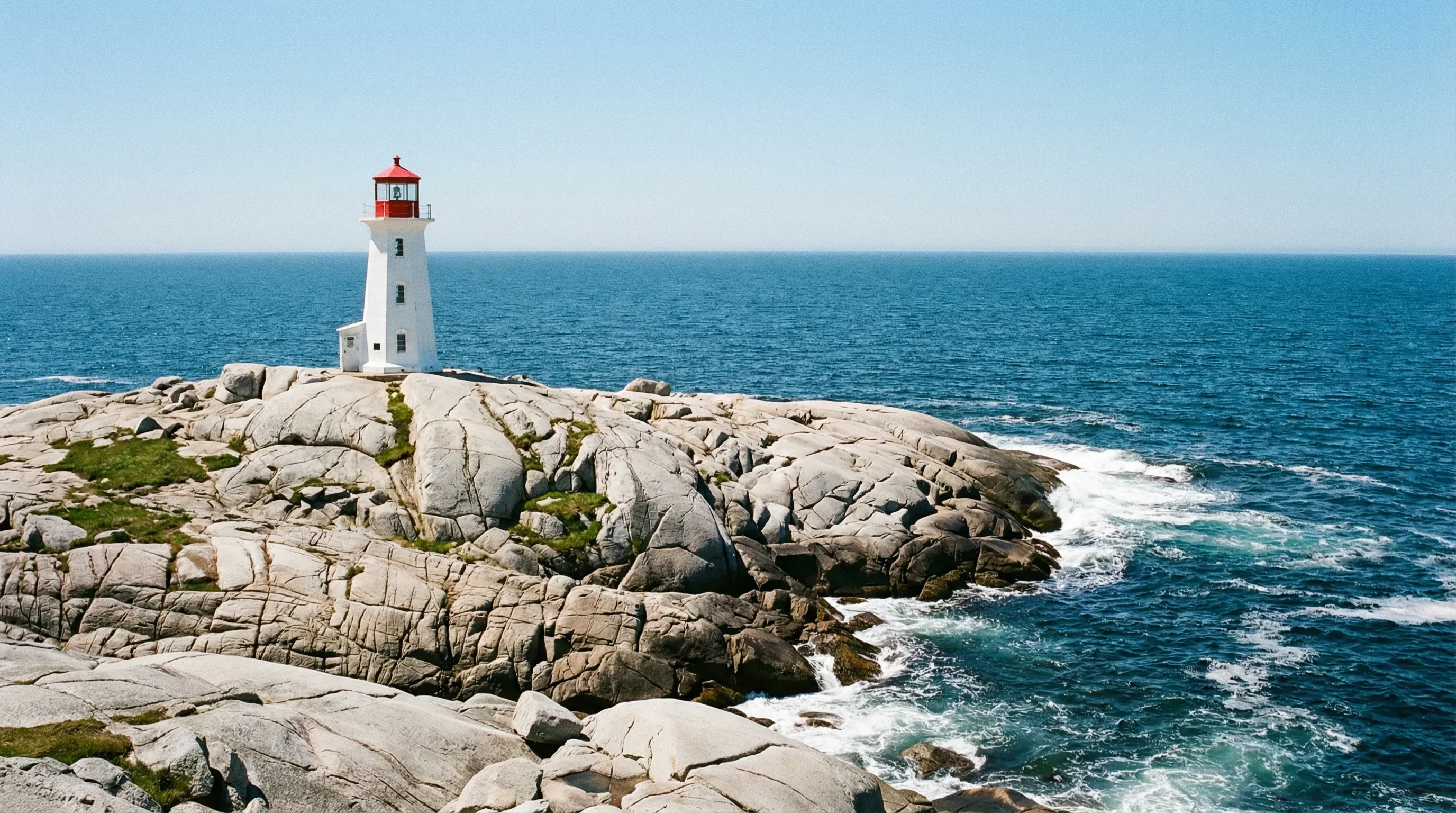

Atlantic Canada
Lighthouses, red cliffs, and the world's highest tides 🦞🌊⚓
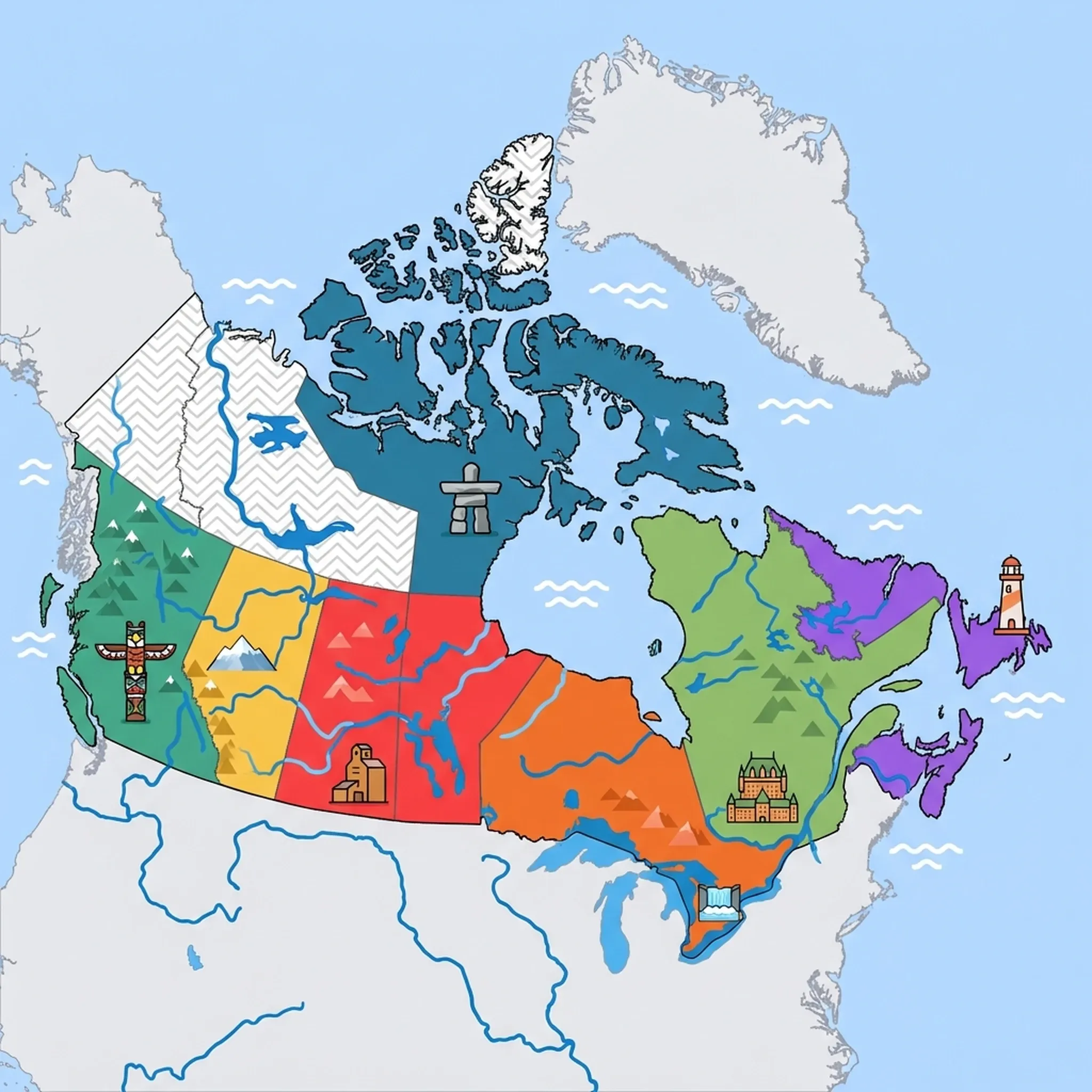
Click a region to explore
Atlantic Canada feels like a storybook come to life, characterized by salt air, brightly painted wooden houses, and a pace of life that is refreshingly slow. Comprising four distinct provinces, this region offers a coastal playground where the ocean is never far away. For families, the appeal lies in the simplicity of the pleasures here: hunting for sea glass on a deserted beach, watching whales breach offshore, or listening to a fiddle band at a local hall (ceilidh). The locals are famously hospitable, often stopping to chat and offer directions, which makes traveling with children stress-free and engaging. The landscape varies wildly, from the red sandstone cliffs of Prince Edward Island to the granite fjords of Newfoundland and the lush river valleys of New Brunswick.
This is not a place of high-speed thrills, but of deep engagement with nature and history. You can walk on the ocean floor at low tide in the Bay of Fundy, then kayak over the same spot six hours later when the water has risen four storeys high. Culturally, the region is a tapestry of Indigenous (Mi'kmaq), Acadian (French), and Celtic heritage. This mix is visible in the food, the music, and the bilingual signage in many areas. For children, the freedom to run on vast beaches, explore historic forts, and see puffins in the wild creates memories that feel both educational and wildly adventurous.
Key Attractions
Literature fans cannot miss Green Gables Heritage Place on PEI, where the setting of Lucy Maud Montgomery's famous novels is preserved beautifully, offering walking trails through the 'Haunted Wood' that kids adore. In Nova Scotia, the Fortress of Louisbourg National Historic Site is one of North America's finest living history museums; costumed animators roast bread, fire muskets, and tell stories that transport families back to the 18th century.
Nature is the star at Fundy National Park in New Brunswick. The extreme tides here expose vast mudflats perfect for exploration. For a scenic drive that rivals any in the world, the Cabot Trail offers loop-de-loops around coastal mountains—stop for a hike in the Cape Breton Highlands National Park to spot moose. In Newfoundland, the Cape Spear Lighthouse National Historic Site marks the most easterly point in North America, a rugged and windy spot where you can watch icebergs drift by in early summer.
Practical Advice
The weather is maritime and changeable; 'fog' is practically a local resident. The best time to visit is July to September. June can still be cool and foggy. If visiting Newfoundland, be aware that driving distances are huge and moose on the highway are a serious danger, especially at dawn and dusk. Ferries to islands like PEI and Newfoundland should be booked months in advance for summer travel.
Food & Drink
Typical meal times: Lunch 12:00 pm to 2:00 pm; Dinner 5:00 pm to 8:00 pm. Rural restaurants close early, often by 8:00 pm.
Typical meal costs: A family meal costs around $75–110 CAD (approx. $55–81 USD / €51–75 EUR). Seafood market prices vary seasonally.
Dietary requirements: Seafood is ubiquitous, but alternatives are always available. Gluten-free options are common in tourist hubs but ask ahead in tiny fishing villages. Shellfish allergies require vigilance here due to cross-contamination risks in kitchens.
Signature dishes:
- Lobster Supper – A PEI tradition involving a whole lobster, unlimited mussels, chowder, salads, and dessert, served in community halls.
- Halifax Donair – A spit-roasted spiced beef pita with a unique sweet condensed-milk garlic sauce, created in Halifax and a messy favorite for teens.
- Rappie Pie – A traditional Acadian dish made from grated potatoes and meat (chicken or pork) with a unique, gelatinous texture.
- Fish and Brewis – A Newfoundland staple of salt cod and hard bread (hardtack) soaked in water and boiled, often served with 'scrunchions' (fried pork fat).
Why this score?
Adventure here is defined by the coast, featuring world-record tides at Hopewell Rocks and rugged hiking trails like the East Coast Trail in Newfoundland. The terrain is moderately challenging but generally tailored to leisure tourists and family road-trippers.
Why this score?
Cities like Halifax and St. John's offer excellent tertiary care facilities and university-affiliated hospitals like the QEII Health Sciences Centre. In more remote coastal areas or across the Newfoundland interior, access to specialized services can be limited by long driving distances.
Why this score?
This region is a popular cruise destination and domestic summer favorite, known for the Bay of Fundy and the Cabot Trail. While it draws international interest from the US Northeast and Europe, it lacks the massive annual visitor throughput of Canada's central and western provinces.

Generally more affordable than Western Canada or Ontario. A decent motel or cottage costs $150–220 CAD (approx. $110–160 USD / €100–150 EUR). Seafood can be surprisingly cheap if bought from wharves or trucks, but market price in restaurants is higher. Gas prices are higher in Newfoundland due to remoteness.
Family Travel Notice
When a child is traveling with only one parent, it is strongly recommended to carry a signed consent letter from the non-traveling parent. Border officials may interview minors to prevent international child abduction.

Getting Here & Around
Getting Here
- Airports – Halifax Stanfield (YHZ) is the regional hub. St. John's (YYT) serves Newfoundland.
- Driving – Connected to Quebec via New Brunswick. The Confederation Bridge connects PEI to the mainland.
- Ferry – Marine Atlantic ferries link Nova Scotia to Newfoundland (6-16 hours). Ferries also run between NS, NB, and PEI.
Getting Around
- Car – Absolutely essential. Public transport is non-existent outside major cities like Halifax.
- Ferry – Local ferries are part of the road network. Book the ferry to Newfoundland well in advance.
- Walking – Great for exploring towns like Lunenburg or the trails in Cape Breton Highlands National Park.
Nearby Airports (12 airports)
Deer Lake
YDFDeer Lake
Fredericton
YFCFredericton
Halifax International
YHZHalifax
Natuashish Airport
YNPNatuashish
Greater Moncton International
YQMMoncton
Gander International
YQXGander
Saint John
YSJSaint John
Wabush
YWKWabush
Charlottetown
YYGCharlottetown
Goose Bay
YYRGoose Bay
Bathurst Airport
ZBFBathurst
Churchill Falls
ZUMChurchill Falls
View full flight map for Canada →

Packing List
Coastal winds are constant and strong, even on sunny days.
Black-legged ticks are common in Nova Scotia's tall grasses.
Essential for whale watching boats and the long ferry crossings.
Many beaches are rocky or pebbly; red sand on PEI can stain white fabric.
Essential for hiking in June/July to protect against intense black flies and mosquitoes in rural areas.
It is polite and customary to remove shoes when entering Canadian homes and many accommodations.
Reduces severe glare from snow in winter and lakes/ocean in summer.
The air in the Prairies, Rockies, and North is extremely dry year-round; skin cracks easily.
Crucial for safely spotting bears, moose, and whales from a distance in national parks.
Keeps valuables safe during popular family activities like canoeing, kayaking, or rainy coastal hikes.

Activities & Best Times

Hiking, wildlife, outdoor exploration, ecotourism
While Atlantic Canada offers outstanding coastal ecosystems (Gros Morne, marine wildlife), the editorial attractions show only 1 national park among 5 total attractions (80% are historic/cultural). The 'excellent' rating suggests this is a top global destination for adventure/nature, but the evidence is thinner than BC's 18 attractions or Alberta's extensive parks. 'Very_good' is more appropriate unless additional nature attractions are added to justify 'excellent'.

Urban tourism, museums, historical sites, architecture
Halifax and St. John's offer highly authentic maritime heritage, historic gardens, and vibrant culinary scenes that appeal to sophisticated travelers. Peak conditions occur in summer when historical sites are fully operational and waterfront festivals are in full swing.

Sport tourism, fitness activities, active recreation
Dedicated infrastructure like the Cabot Trail's cycling routes and coastal adventure centers provide exceptional opportunities for active families. Summer months offer stable weather and fully operational facilities for world-class cycling and hiking.

Beach resorts, marine activities: diving, snorkelling, kite surfing, wind surfing, sailing
Rugged and scenic coastlines offer authentic maritime experiences at Cavendish and Peggy's Cove, though water temperatures are cold by global standards. The season is short, peaking when air temperatures and coastal facilities are at their prime in July and August.

Learning experiences, scientific sites, historical education
Internationally significant maritime museums and science centers provide high-quality learning experiences regarding North Atlantic history and marine biology. Engagement is best during the main tourist season when boat tours and specialized interpretive programs are available.

Events, celebrations, seasonal attractions
Features unique global attractions such as Iceberg Alley in late spring and the Celtic Colours festival in October. These windows offer high authenticity and unique experiences that justify international travel despite the short event durations.

Scenic drives, countryside tours, route-based travel
The Cabot Trail and Viking Trail are celebrated scenic routes that offer world-class coastal views and authentic rural culture. Peak months include the height of summer for visibility and October for the region's famous autumn foliage.

Winter sports, ski resorts, snow activities
Reliable maritime snowpacks at Marble Mountain and Crabbe Mountain provide solid winter sport opportunities for families. The season peaks mid-winter with established infrastructure, though vertical drop and scale are modest compared to alpine destinations.

Amusement parks, family entertainment venues
Regional amusement and water parks like Magic Mountain provide family-centric entertainment during the brief summer season. These facilities are well-regarded locally but are not primary drivers for international luxury travel compared to global entertainment hubs.

Attractions (42 total)



Public Holidays & Calendar Next 12 months
Public holidays, festivals, cultural celebrations, and seasonal natural phenomena coming up in Atlantic Canada over the next 12 months.
Loading holidays and events...

Travel Advisory
All major international agencies reach a consensus that Canada is a safe destination requiring only standard safety awareness. There are no active high-level warnings for the country.
Safety Topics
Traveller Advice (3 groups)

When a child is traveling with only one parent, it is strongly recommended to carry a signed consent letter from the non-traveling parent. Border officials may interview minors to prevent international child abduction.

Dual nationals must ensure they carry the correct passport for entry; specifically, Canadian-British or Canadian-Irish citizens must use their Canadian passport to avoid travel disruptions.

Individuals participating in winter sports in Alberta or British Columbia should monitor avalanche reports and avoid closed trails. Always inform others of your itinerary before heading into remote or mountainous areas.
Agency Summaries
The security environment is considered stable and comparable to Australia. Visitors are advised to monitor local media for updates on forest fires during warmer months and to prepare for hazardous driving conditions in winter. Petty theft, particularly from parked vehicles in cities, is a known issue.
Travelers should remain vigilant regarding the global threat of terrorism, which may target public spaces in Canada. While recreational cannabis is legal domestically, it remains strictly prohibited to transport it across international borders. Minor street crime is noted in large metropolitan areas and popular tourist sites.
New Zealand highlights the importance of staying informed about the national terrorism threat level. Travelers should be prepared for extreme weather events, including snowstorms in winter and wildfires in spring/summer. General awareness of credit card scams and bag snatching in urban centers is recommended.
Ireland advises its citizens to take standard safety measures when visiting. Essential requirements include obtaining an Electronic Travel Authorization (eTA) for air travel. Dual Irish-Canadian citizens are specifically reminded that they must use a Canadian passport to enter the country to avoid boarding denials.
Canada is classified as a safe destination where travelers should follow standard safety procedures. Major points of caution include strictly adhering to Canadian firearm regulations, which are significantly more restrictive than those in the United States, and ensuring all required entry documentation is presented at border crossings.
Information is provided for general guidance only and does not constitute travel, safety, medical, or legal advice. Conditions may change. Users are responsible for independently verifying information before travel.