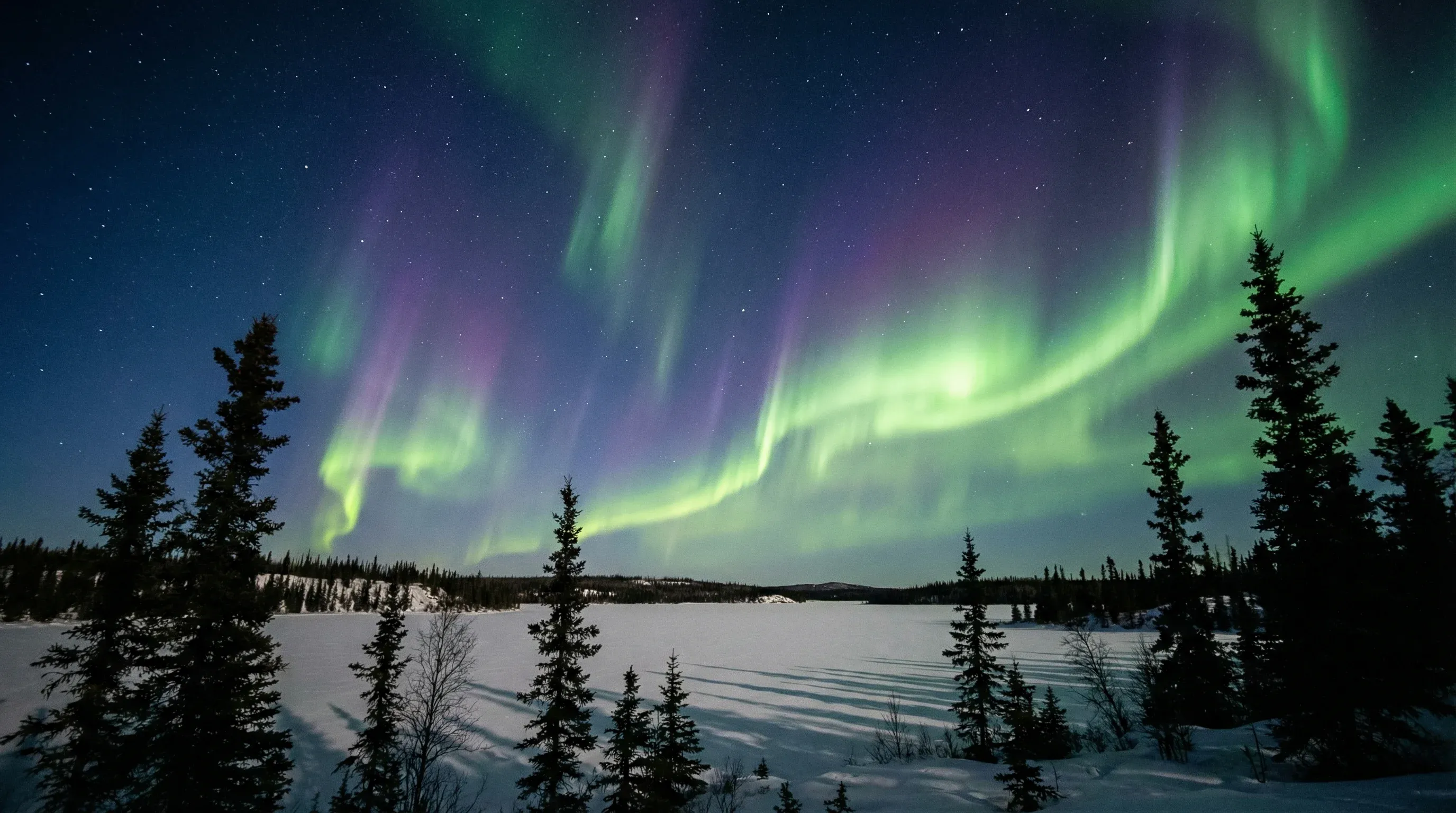

Northern Canada & Arctic
Aurora lights, gold rush history, and the midnight sun 🌌🦌❄️
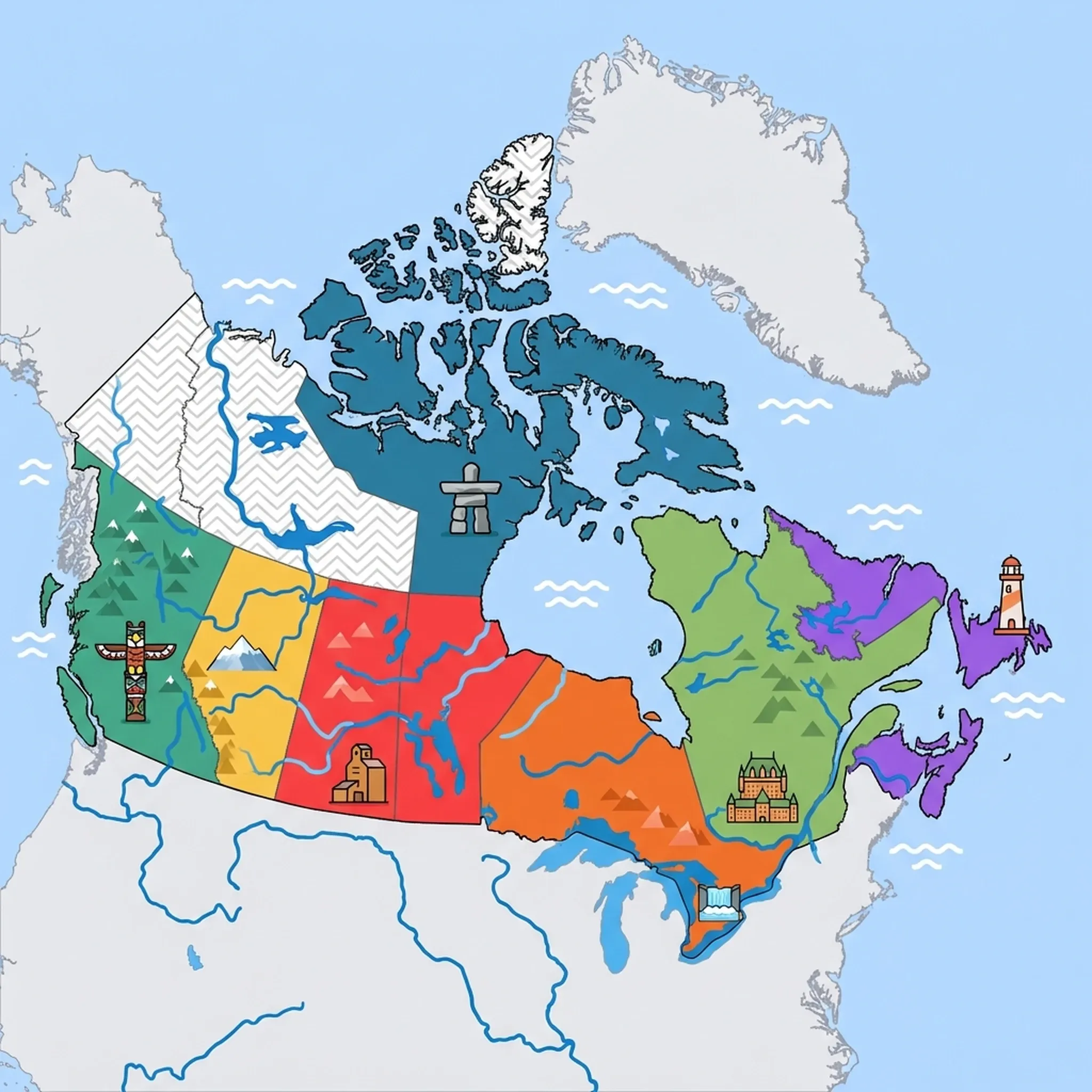
Click a region to explore
Northern Canada is a destination that redefines the concept of 'remote'. Comprising Yukon, Northwest Territories, and Nunavut, this region covers a landmass larger than India but with a tiny population. For adventurous families, it offers bragging rights like no other. In summer, the sun literally never sets, leading to 'midnight madness' where kids can play outside at 2:00 am in broad daylight. In winter, the sky dances with the Aurora Borealis, a magical display that mesmerizes visitors of all ages. The landscape is raw and powerful: jagged peaks, endless tundra, and rivers that flow wild and free.
Traveling here requires planning and a sense of adventure. It is not a place of theme parks, but of authentic experiences. You might watch a dog sled team race by, learn throat singing from Inuit elders, or pan for real gold in a creek that sparked a historic rush. The Indigenous culture here is vibrant and central to daily life; visiting cultural centres offers a profound look at how humans have thrived in these extreme environments for thousands of years. While the logistics are challenging, the reward is an untouched wilderness that feels sacred and timeless.
Key Attractions
In the Yukon, the Dawson Historical Complex preserves the chaotic energy of the 1898 Klondike Gold Rush. Wooden boardwalks and slanted buildings make the town feel like a movie set; kids can tour the S.S. Klondike National Historic Site, a massive sternwheeler beached in Whitehorse. Driving the The Dempster Highway offers a road trip to the Arctic Ocean for the truly hardy family, crossing the Arctic Circle marker for a classic photo op.
In the Northwest Territories, Aurora Village near Yellowknife is specifically designed for viewing the Northern Lights in comfort, with heated teepees and warm clothes provided. For those flying into Nunavut (no roads lead there), the Nunatta Sunakkutaangit Museum in Iqaluit showcases incredible soapstone carvings and Inuit art. Nature lovers with a budget for floatplanes can visit the legendary Nahanni National Park Reserve to see Virginia Falls, twice the height of Niagara.
Practical Advice
Costs are high due to freight shipping. Summer (June-August) is the only time for road trips. Winter (November-March) is for Aurora viewing, but temperatures can drop to -40°C. Bug spray is mandatory in summer—the mosquitoes and black flies are legendary and aggressive.
Food & Drink
Typical meal times: Standard times apply (Lunch 12-1pm, Dinner 6-8pm), but in summer, the constant light can mess with hunger rhythms.
Typical meal costs: Very high. A basic burger meal can cost $25–35 CAD. Family dinner: $120–180 CAD (approx. $88–133 USD / €81–122 EUR). Fresh produce is expensive.
Dietary requirements: Limited. Yellowknife and Whitehorse have standard options, but remote communities rely on shipped staples. Vegetarian fresh food can be scarce and pricey.
Signature dishes:
- Arctic Char – A sustainable cold-water fish with a taste between salmon and trout, a staple of the northern diet.
- Bannock – A simple, dense quick bread, fried or baked, often served with jam or stew.
- Muskox – A rich, dark game meat often served as burgers or stew in high-end northern lodges.
- Sourdough – A legacy of the gold rush prospectors who carried their starters in their packs; pancakes are the local favorite.
Why this score?
The region is defined by extreme wilderness, sub-arctic climates, and vast uninhabited landscapes like Nahanni National Park. Visiting families must navigate limited infrastructure, potential wildlife encounters (polar bears), and the physical demands of a true frontier environment.
Why this score?
While territorial capitals like Whitehorse and Yellowknife have adequate hospitals, medical facilities in fly-in Arctic communities are extremely basic. Critical care often requires expensive and weather-dependent medevac flights to major cities in the south like Edmonton or Winnipeg.
Why this score?
This is a niche destination where high costs and limited transport keep visitor numbers low compared to the south. Tourism is primarily driven by specific interests like the Northern Lights in Yellowknife or high-end arctic expeditions in Nunavut.

This is the most expensive region in Canada. Hotel rooms are $200–350 CAD (approx. $150–260 USD / €135–235 EUR) but can be basic. Groceries (especially milk and fruit) in fly-in communities are shockingly expensive. Fuel costs are significantly higher than the south.
Family Travel Notice
When a child is traveling with only one parent, it is strongly recommended to carry a signed consent letter from the non-traveling parent. Border officials may interview minors to prevent international child abduction.

Getting Here & Around
Getting Here
- Airports – Whitehorse (YXY) and Yellowknife (YZF) are the main hubs. Iqaluit (YFB) is the gateway to Nunavut. Flights are expensive.
- Driving – The Alaska Highway connects BC to the Yukon. The Mackenzie Highway leads to Yellowknife. Nunavut is accessible only by air.
Getting Around
- Car – Essential for Yukon and NWT. Rental fleets are small; book months ahead.
- Bush Plane – The only way to reach remote parks like Nahanni or fly-in fishing lodges.
- RV/Camper – A popular way to explore the The Klondike Highway to manage accommodation costs.
Nearby Airports (28 airports)
Freddie Carmichael Airport
LAKAklavik
Arctic Bay Airport
YABArctic Bay
Kugaaruk
YBBPelly Bay
Baker Lake
YBKBaker Lake
Cambridge Bay
YCBCambridge Bay
Colville Lake Airport
YCKColville Lake
Dawson City Airport
YDADawson City
Arviat
YEKArviat
Inuvik Mike Zubko
YEVInuvik
Iqaluit
YFBIqaluit
Snare Lake
YFJSnare Lake
Fort Simpson
YFSFort Simpson
Fort Good Hope
YGHFort Good Hope
Hay River
YHYHay River
Kimmirut Airport
YLCKimmirut/Lake Harbour
Wha Ti/Lac La Martre
YLEWhati/Lac La Martre
Old Crow
YOCOld Crow
Rae Lakes
YRARae Lakes
Lutselk'e Airport
YSGLutselke/Snowdrift
Repulse Bay
YUTRepulse Bay
Norman Wells
YVQNorman Wells
Deline
YWJDeline
Pangnirtung
YXPPangnirtung
Whitehorse International
YXYWhitehorse
Taloyoak
YYHTaloyoak
Yellowknife
YZFYellowknife
Fairmont Hot Springs
YZSCoral Harbour
Tulita
ZFNTulita/Fort Norman
View full flight map for Canada →
Official Links

Packing List
The 'Midnight Sun' means 24 hours of daylight in summer; curtains are rarely thick enough.
Summer mosquitoes and black flies can be swarming and overwhelming.
Cell service is non-existent on highways outside the few main towns.
Essential for hiking in June/July to protect against intense black flies and mosquitoes in rural areas.
It is polite and customary to remove shoes when entering Canadian homes and many accommodations.
Reduces severe glare from snow in winter and lakes/ocean in summer.
The air in the Prairies, Rockies, and North is extremely dry year-round; skin cracks easily.
Crucial for safely spotting bears, moose, and whales from a distance in national parks.
Keeps valuables safe during popular family activities like canoeing, kayaking, or rainy coastal hikes.

Activities & Best Times

Hiking, wildlife, outdoor exploration, ecotourism
A world-class destination for wilderness immersion, featuring iconic hiking trails like the Chilkoot and elite aurora borealis viewing in Yellowknife. Peak periods align with the midnight sun for hiking and the clear, dark skies of March and September for the Northern Lights.

Urban tourism, museums, historical sites, architecture
Dawson City provides a unique, world-class historic complex reflecting the Gold Rush era, while Whitehorse and Yellowknife offer significant indigenous heritage museums. Cultural activities are most accessible in summer when historic sites are fully operational and outdoor heritage festivals occur.

Scenic drives, countryside tours, route-based travel
Legendary routes like the Dempster and Klondike Highways offer some of the world's most spectacular and remote driving experiences. These roads are best navigated in summer; winter conditions are dangerous and certain northern sections may be restricted to essential travel only.

Winter sports, ski resorts, snow activities
Features authentic winter sports clubs and small hills offering cross-country and downhill skiing in a true subarctic environment. February and March provide the ideal combination of deep snow packs and increasing daylight hours compared to the mid-winter polar night.

Sport tourism, fitness activities, active recreation
Supports specialized sport tourism including hiking the historic Chilkoot Trail and mountain biking at Mount Sima. The window for organized outdoor sport is brief, peaking in mid-summer when trails are clear of snow and daylight is near-constant.

Beach resorts, marine activities: diving, snorkelling, kite surfing, wind surfing, sailing
Offers unique Arctic shoreline experiences and freshwater lake beaches like Bennett Lake, though water temperatures remain extremely cold for traditional swimming. The very short summer window in July and August is the only viable time for coastal recreation before ice returns.

Learning experiences, scientific sites, historical education
The Yukon Beringia Interpretive Centre offers a significant look at Pleistocene history and the land bridge, appealing to specialized travelers. Visitation is concentrated in the summer months when tour availability and accessibility to the broader archaeological context are highest.

Events, celebrations, seasonal attractions
The region hosts unique events like the Yukon Quest and Snowking Winter Festival which celebrate authentic northern culture. These are strictly seasonal events occurring in late winter when ice and snow conditions allow for sled racing and snow architecture.

Spa retreats, wellness centers, peaceful getaways
Centred on the Eclipse Nordic Hot Springs, providing a high-quality thermal bath experience often paired with aurora viewing. The peak experience is during the coldest months when the contrast between the hot water and sub-zero air creates a unique atmospheric effect.

Amusement parks, family entertainment venues
Limited to high-quality regional aquatic centers like the Canada Games Centre; while excellent for local families, they are not primary international motivators. These indoor facilities remain open year-round, serving as vital recreation hubs during the long Arctic winters.

Attractions (17 total)



Public Holidays & Calendar Next 12 months
Public holidays, festivals, cultural celebrations, and seasonal natural phenomena coming up in Northern Canada & Arctic over the next 12 months.
Loading holidays and events...

Travel Advisory
All major international agencies reach a consensus that Canada is a safe destination requiring only standard safety awareness. There are no active high-level warnings for the country.
Safety Topics
Traveller Advice (3 groups)

When a child is traveling with only one parent, it is strongly recommended to carry a signed consent letter from the non-traveling parent. Border officials may interview minors to prevent international child abduction.

Dual nationals must ensure they carry the correct passport for entry; specifically, Canadian-British or Canadian-Irish citizens must use their Canadian passport to avoid travel disruptions.
Individuals participating in winter sports in Alberta or British Columbia should monitor avalanche reports and avoid closed trails. Always inform others of your itinerary before heading into remote or mountainous areas.
Agency Summaries
The security environment is considered stable and comparable to Australia. Visitors are advised to monitor local media for updates on forest fires during warmer months and to prepare for hazardous driving conditions in winter. Petty theft, particularly from parked vehicles in cities, is a known issue.
Travelers should remain vigilant regarding the global threat of terrorism, which may target public spaces in Canada. While recreational cannabis is legal domestically, it remains strictly prohibited to transport it across international borders. Minor street crime is noted in large metropolitan areas and popular tourist sites.
New Zealand highlights the importance of staying informed about the national terrorism threat level. Travelers should be prepared for extreme weather events, including snowstorms in winter and wildfires in spring/summer. General awareness of credit card scams and bag snatching in urban centers is recommended.
Ireland advises its citizens to take standard safety measures when visiting. Essential requirements include obtaining an Electronic Travel Authorization (eTA) for air travel. Dual Irish-Canadian citizens are specifically reminded that they must use a Canadian passport to enter the country to avoid boarding denials.
Canada is classified as a safe destination where travelers should follow standard safety procedures. Major points of caution include strictly adhering to Canadian firearm regulations, which are significantly more restrictive than those in the United States, and ensuring all required entry documentation is presented at border crossings.
Information is provided for general guidance only and does not constitute travel, safety, medical, or legal advice. Conditions may change. Users are responsible for independently verifying information before travel.