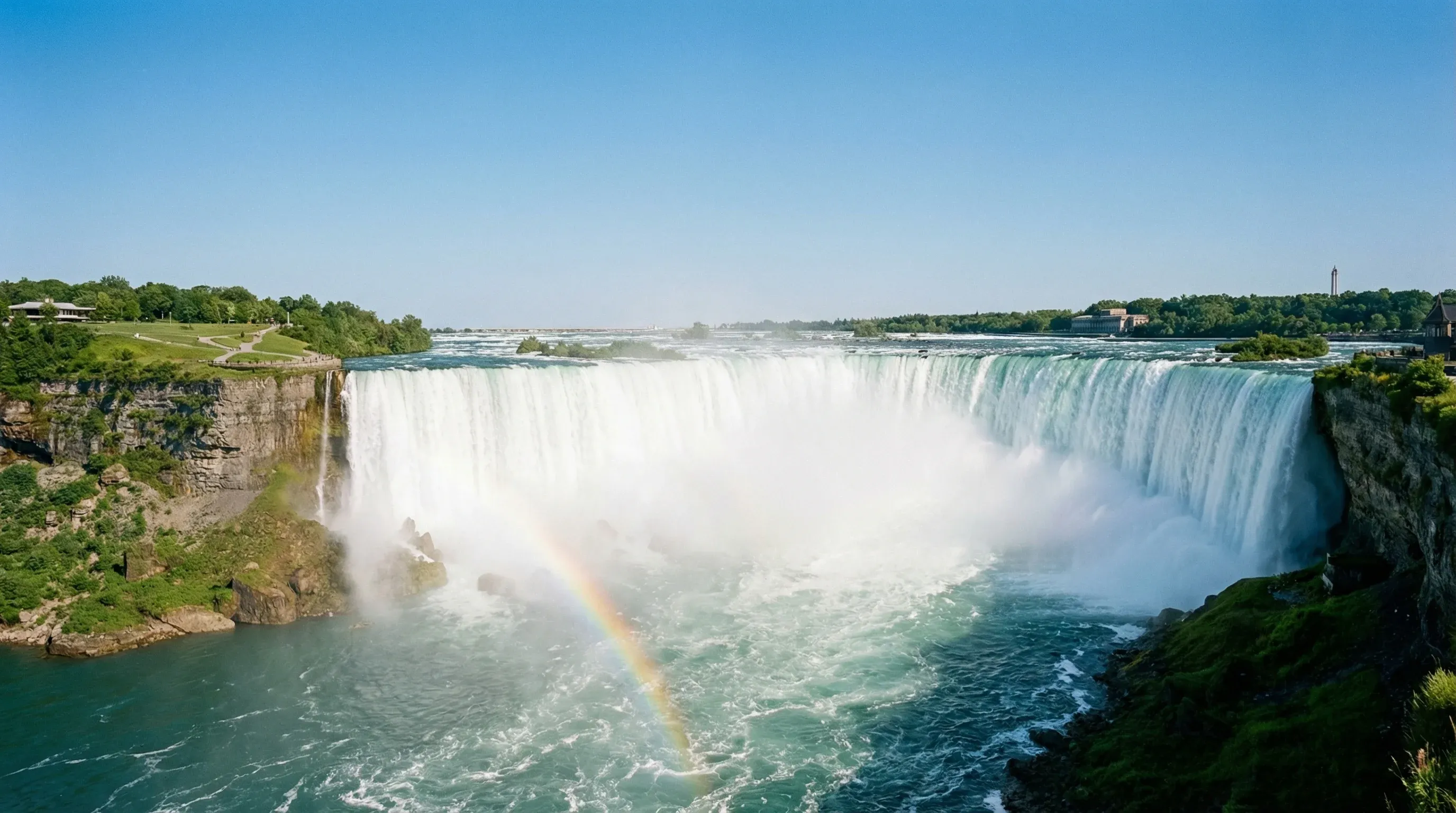

Ontario & Great Lakes
Big cities, bigger waterfalls, and endless lakes 🏙️🌊🎢
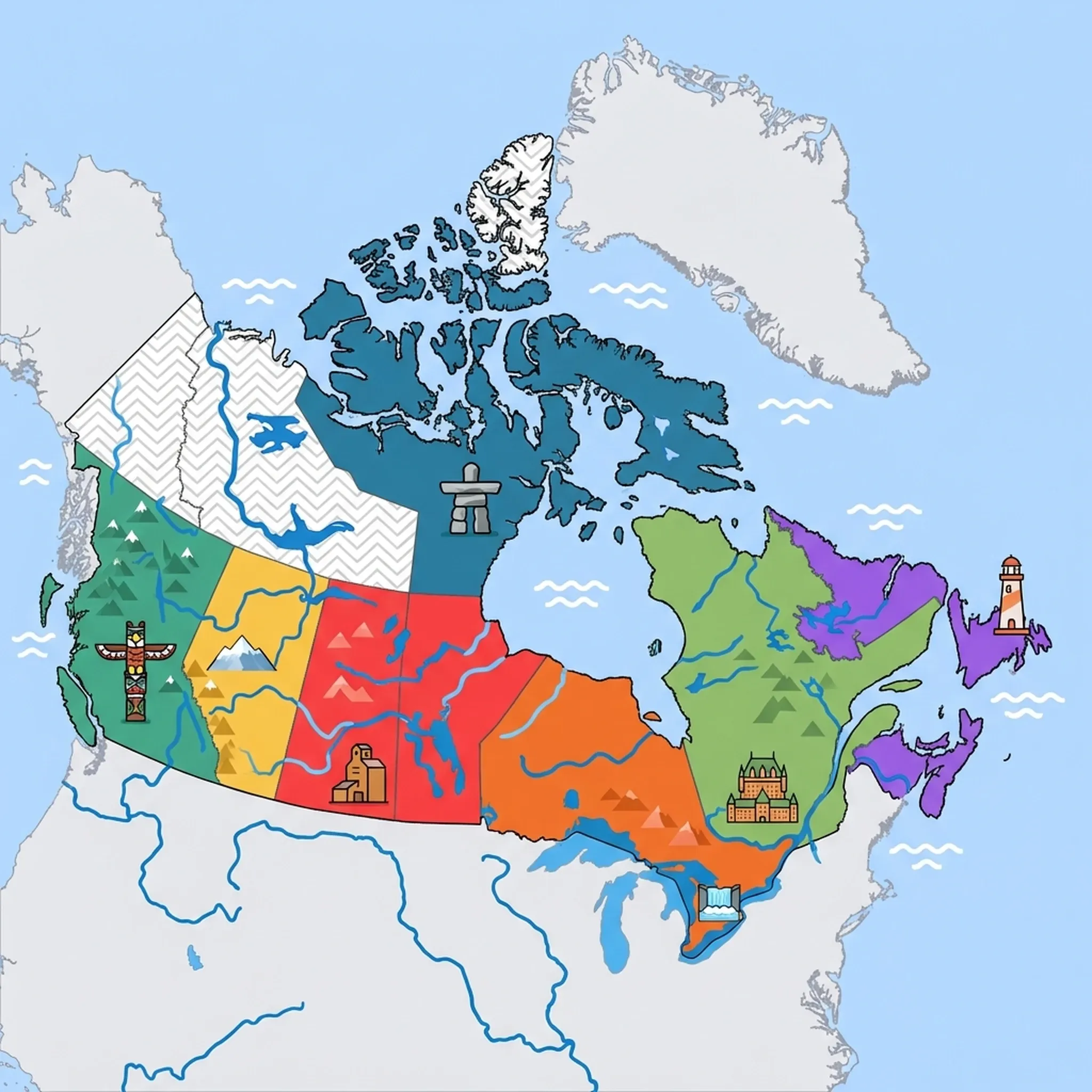
Click a region to explore
Ontario is the energetic heart of Canada, offering a 'choose your own adventure' experience for families. In the south, the Golden Horseshoe around Toronto is a bustling metropolis of skyscrapers, museums, and multicultural neighborhoods. Just a short drive away, the landscape transforms into 'Cottage Country'—a vast expanse of granite rock, pine trees, and fresh water. This duality is Ontario's strength: you can spend one day immersed in world-class culture and the next paddling a canoe in total silence. The Great Lakes themselves feel like inland oceans, with sandy beaches and shipwrecks to explore.
For children, Ontario is a treasure trove of dedicated attractions. It is home to the country's biggest theme parks, zoos, and science centers. Ottawa, the nation's capital, offers a more relaxed, historic vibe with impressive museums and the Rideau Canal, which becomes the world's largest skating rink in winter. The culture here is incredibly diverse; in Toronto alone, you can eat authentic food from practically every nation on earth. Whether you are watching a baseball game, camping in a yurt, or getting soaked by the mist of Niagara Falls, Ontario delivers high-impact family fun.
Key Attractions
No visit is complete without seeing Niagara Falls. The Horseshoe Falls are the most powerful; families should take the boat tour to the base for a wet and wild experience, then visit Clifton Hill for wax museums and arcade fun. In Toronto, the CN Tower is iconic; the glass floor 342 metres up thrills brave kids. Nearby, the Canada's Wonderland theme park features some of the world's biggest roller coasters and a large water park.
For nature, Algonquin Provincial Park is the classic Canadian wilderness experience, offering easy hiking trails and canoe rentals where seeing a moose is a distinct possibility. In Ottawa, the Canadian Museum of Nature is a hit with its dinosaur galleries, while the Fort Henry National Historic Site in Kingston features booming cannons and military drills that captivate school-aged children.
Practical Advice
Traffic in the Greater Toronto Area (GTA) is among the worst in North America; avoid driving on Highway 401 during rush hour (7-9am, 3-7pm). Summers are hot and humid. Book campsites in provincial parks 5 months in advance—they sell out instantly.
Food & Drink
Typical meal times: Lunch 12:00 pm to 2:00 pm; Dinner 6:00 pm to 9:00 pm. Late-night food is abundant in Toronto.
Typical meal costs: Varies widely. Toronto sit-down: $100–150 CAD (approx. $74–110 USD / €68–100 EUR). Rural pubs: $70–100 CAD ($52–74 USD / €47–68 EUR).
Dietary requirements: Excellent. Toronto and Ottawa are incredibly allergy-aware with endless halal, kosher, vegan, and gluten-free options.
Signature dishes:
- Peameal Bacon Sandwich – Cured pork loin rolled in cornmeal, served on a bun. The St. Lawrence Market in Toronto is the famous spot for this.
- BeaverTails – A fried dough pastry stretched to look like a beaver's tail, topped with cinnamon sugar or chocolate; an Ottawa classic.
- Butter Tarts – A small pastry shell filled with a super-sweet filling of butter, sugar, syrup, and egg. A rural Ontario staple.
- Caribbean Roti – Due to high immigration, Toronto has fantastic West Indian food; a massive stuffed roti is a cheap, filling family favorite.
Why this score?
Adventure in Ontario is largely found in managed environments like Algonquin Provincial Park or the Bruce Peninsula, which are ideal for family canoeing and hiking. The majority of the region's tourism is centered on developed urban centers and highly manicured resort areas like Blue Mountain.
Why this score?
Toronto General Hospital is frequently ranked among the top 10 hospitals globally, offering unmatched medical technology and multilingual services. The Greater Toronto Area provides a dense network of elite hospitals, making it the most reliable region for any medical need.
Why this score?
Toronto is Canada's most visited city and a global financial hub, while Niagara Falls attracts over 12 million visitors annually as a world-tier landmark. The region represents the highest concentration of international tourist arrivals and hotel infrastructure in the country.

Toronto is expensive, similar to other major North American cities. Hotels there run $250–400 CAD (approx. $185–295 USD / €170–270 EUR). However, rural Ontario and Ottawa are more moderate. Attraction passes (like CityPASS) can save money in Toronto.
Family Travel Notice
When a child is traveling with only one parent, it is strongly recommended to carry a signed consent letter from the non-traveling parent. Border officials may interview minors to prevent international child abduction.

Getting Here & Around
Getting Here
- Airports – Toronto Pearson (YYZ) is Canada's largest airport. Ottawa (YOW) serves the capital.
- Train – VIA Rail offers frequent 'Corridor' service connecting Windsor, Toronto, Ottawa, and Montreal.
- Driving – Accessible from US border crossings at Niagara, Buffalo, and Detroit.
Getting Around
- Public Transport – Toronto's TTC (subway/streetcars) is extensive. The GO Train connects suburbs to the city.
- Car – Essential for Algonquin Provincial Park, Niagara, and cottage country.
- Cycling – The Great Lakes Waterfront Trail offers safe, scenic riding.
Nearby Airports (36 airports)
Keewaywin
KEWKeewaywin
Kingfisher Lake
KIFKingfisher Lake
Muskrat Dam
MSAMuskrat Dam
Summer Beaver
SURSummer Beaver
Wunnummin Lake
WNNWunnummin Lake
Bearskin Lake Airport
XBEBearskin Lake
Kasabonika
XKSKasabonika
Attawapiskat Airport
YATAttawapiskat
Angling Lake
YAXAngling Lake
Fort Severn Airport
YERFort Severn
Fort Albany Airport
YFAFort Albany
Hamilton
YHMHamilton
Poplar Hill Airport
YHPPoplar Hill
Waterloo Rgnl
YKFKitchener
Moosonee
YMOMoosonee
North Spirit Lake
YNONorth Spirit Lake
Ottawa Macdonald Cartier International
YOWOttawa
Pickle Lake Airport
YPLPickle Lake
Pikangikum Airport
YPMPikangikum
Peawanuck
YPOPeawanuk
Windsor
YQGWindsor
Thunder Bay
YQTThunder Bay
Red Lake Airport
YRLRed Lake
Sudbury
YSBSudbury
Big Trout
YTLBig Trout
Timmins
YTSTimmins
City Centre
YTZToronto
Deer Lake Airport
YVZDeer Lake
Sioux Lookout
YXLSioux Lookout
London
YXULondon
North Bay
YYBNorth Bay
Pearson International
YYZToronto
Kaschechewan
ZKEKaschechewan
Sachigo Lake
ZPBSachigo Lake
Round Lake (Weagamow Lake) Airport
ZRJRound Lake
Sandy Lake Airport
ZSJSandy Lake
View full flight map for Canada →
Official Links

Packing List
Black flies in May/June and mosquitoes in July are intense in cottage country.
Essential for road trips to beaches or parks where food concessions are scarce.
Toronto has a 'dressier' vibe than the west coast for nice dinners or theatre.
Essential for hiking in June/July to protect against intense black flies and mosquitoes in rural areas.
It is polite and customary to remove shoes when entering Canadian homes and many accommodations.
Reduces severe glare from snow in winter and lakes/ocean in summer.
The air in the Prairies, Rockies, and North is extremely dry year-round; skin cracks easily.
Crucial for safely spotting bears, moose, and whales from a distance in national parks.
Keeps valuables safe during popular family activities like canoeing, kayaking, or rainy coastal hikes.

Activities & Best Times

Hiking, wildlife, outdoor exploration, ecotourism
Features diverse landscapes from the rugged Bruce Peninsula to the vast wilderness of Algonquin Provincial Park and the world's largest freshwater coastlines. Peak season includes the iconic autumn foliage in October and the warm summer months suitable for exploring expansive provincial and national parks.

Urban tourism, museums, historical sites, architecture
Toronto and Ottawa offer world-class cosmopolitan experiences, historic architecture at Parliament Hill, and a diverse culinary scene. Summer months provide vibrant street life and outdoor festivals, while December is peak for festive markets and holiday heritage events.

Learning experiences, scientific sites, historical education
Home to major institutions like the Royal Ontario Museum and the Canadian Museum of Nature which offer globally significant natural history and science collections. While largely indoor, accessibility is best during the warmer months and shoulder seasons.

Events, celebrations, seasonal attractions
Hosts the globally influential Toronto International Film Festival (TIFF) in September and the unique Winterlude festival in February. Seasonal peaks align strictly with these specific cultural events and the summer carnival season.

Scenic drives, countryside tours, route-based travel
The Niagara Parkway and Lake Superior Circle Tour offer spectacular scenic driving opportunities, particularly during the October leaf-peeping season. Winter conditions make long-distance scenic driving hazardous and are generally avoided by international tourists.

Sport tourism, fitness activities, active recreation
Includes the extensive Bruce Trail for long-distance hiking and high-quality adventure courses near Niagara and Collingwood. The activity season is strictly tied to the frost-free months to ensure trail safety and facility availability.

Amusement parks, family entertainment venues
Canada's Wonderland is a major international-standard park, complemented by the intensive entertainment infrastructure of the Niagara Falls corridor. These facilities are primarily seasonal, with most attractions closing or having limited operations during the harsh winter months.

Winter sports, ski resorts, snow activities
Blue Mountain and other regional resorts offer reliable winter sports infrastructure, though they lack the vertical drop of major international mountain ranges. The season is relatively short, peaking in the coldest months of January and February.

Attractions (45 total)



Public Holidays & Calendar Next 12 months
Public holidays, festivals, cultural celebrations, and seasonal natural phenomena coming up in Ontario & Great Lakes over the next 12 months.
Loading holidays and events...

Travel Advisory
All major international agencies reach a consensus that Canada is a safe destination requiring only standard safety awareness. There are no active high-level warnings for the country.
Safety Topics
Traveller Advice (3 groups)

When a child is traveling with only one parent, it is strongly recommended to carry a signed consent letter from the non-traveling parent. Border officials may interview minors to prevent international child abduction.

Dual nationals must ensure they carry the correct passport for entry; specifically, Canadian-British or Canadian-Irish citizens must use their Canadian passport to avoid travel disruptions.

Individuals participating in winter sports in Alberta or British Columbia should monitor avalanche reports and avoid closed trails. Always inform others of your itinerary before heading into remote or mountainous areas.
Agency Summaries
The security environment is considered stable and comparable to Australia. Visitors are advised to monitor local media for updates on forest fires during warmer months and to prepare for hazardous driving conditions in winter. Petty theft, particularly from parked vehicles in cities, is a known issue.
Travelers should remain vigilant regarding the global threat of terrorism, which may target public spaces in Canada. While recreational cannabis is legal domestically, it remains strictly prohibited to transport it across international borders. Minor street crime is noted in large metropolitan areas and popular tourist sites.
New Zealand highlights the importance of staying informed about the national terrorism threat level. Travelers should be prepared for extreme weather events, including snowstorms in winter and wildfires in spring/summer. General awareness of credit card scams and bag snatching in urban centers is recommended.
Ireland advises its citizens to take standard safety measures when visiting. Essential requirements include obtaining an Electronic Travel Authorization (eTA) for air travel. Dual Irish-Canadian citizens are specifically reminded that they must use a Canadian passport to enter the country to avoid boarding denials.
Canada is classified as a safe destination where travelers should follow standard safety procedures. Major points of caution include strictly adhering to Canadian firearm regulations, which are significantly more restrictive than those in the United States, and ensuring all required entry documentation is presented at border crossings.
Information is provided for general guidance only and does not constitute travel, safety, medical, or legal advice. Conditions may change. Users are responsible for independently verifying information before travel.