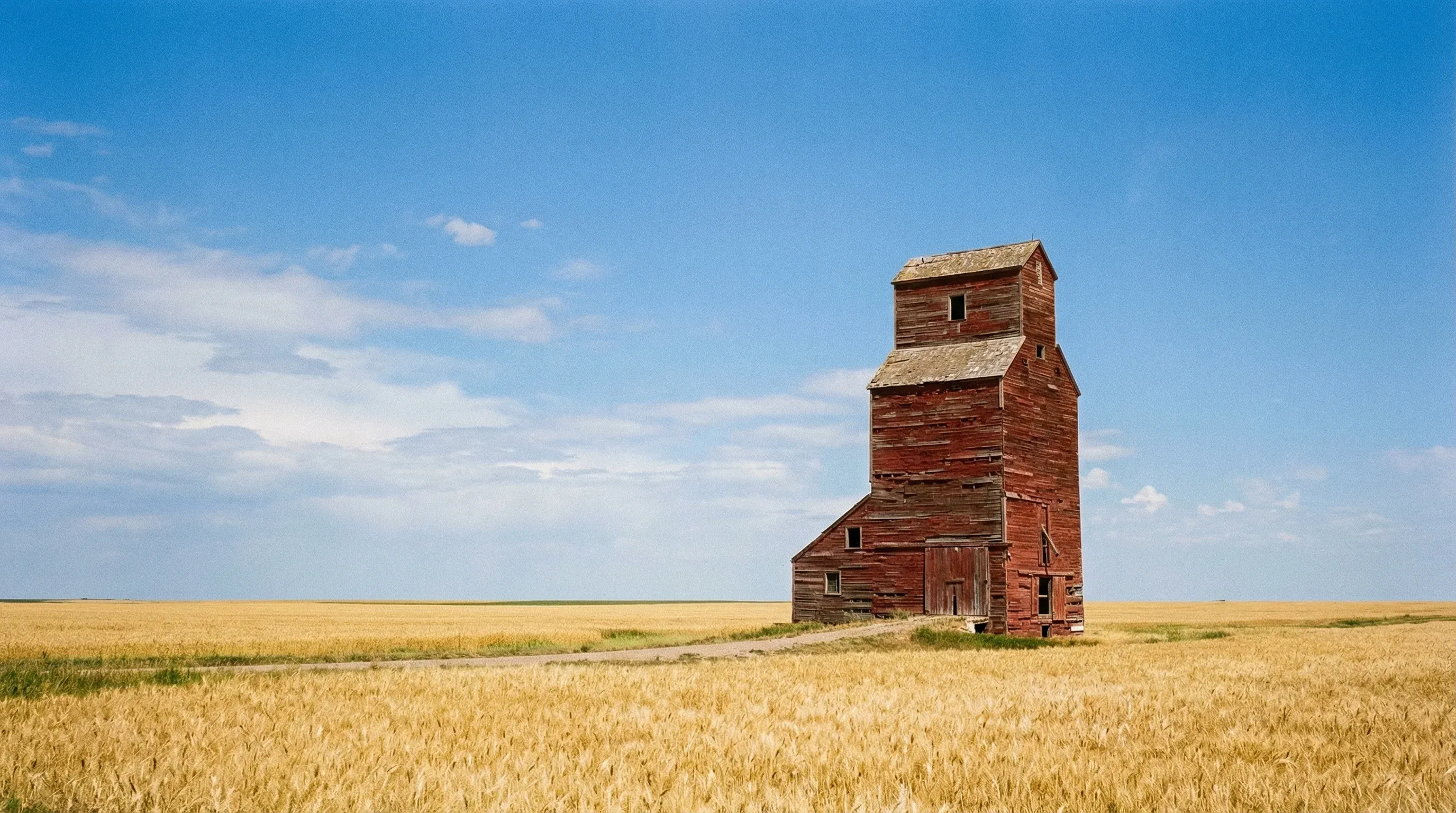

Prairies & Interior Plains
Big skies, bison herds, and warm hospitality 🌾🐃☀️
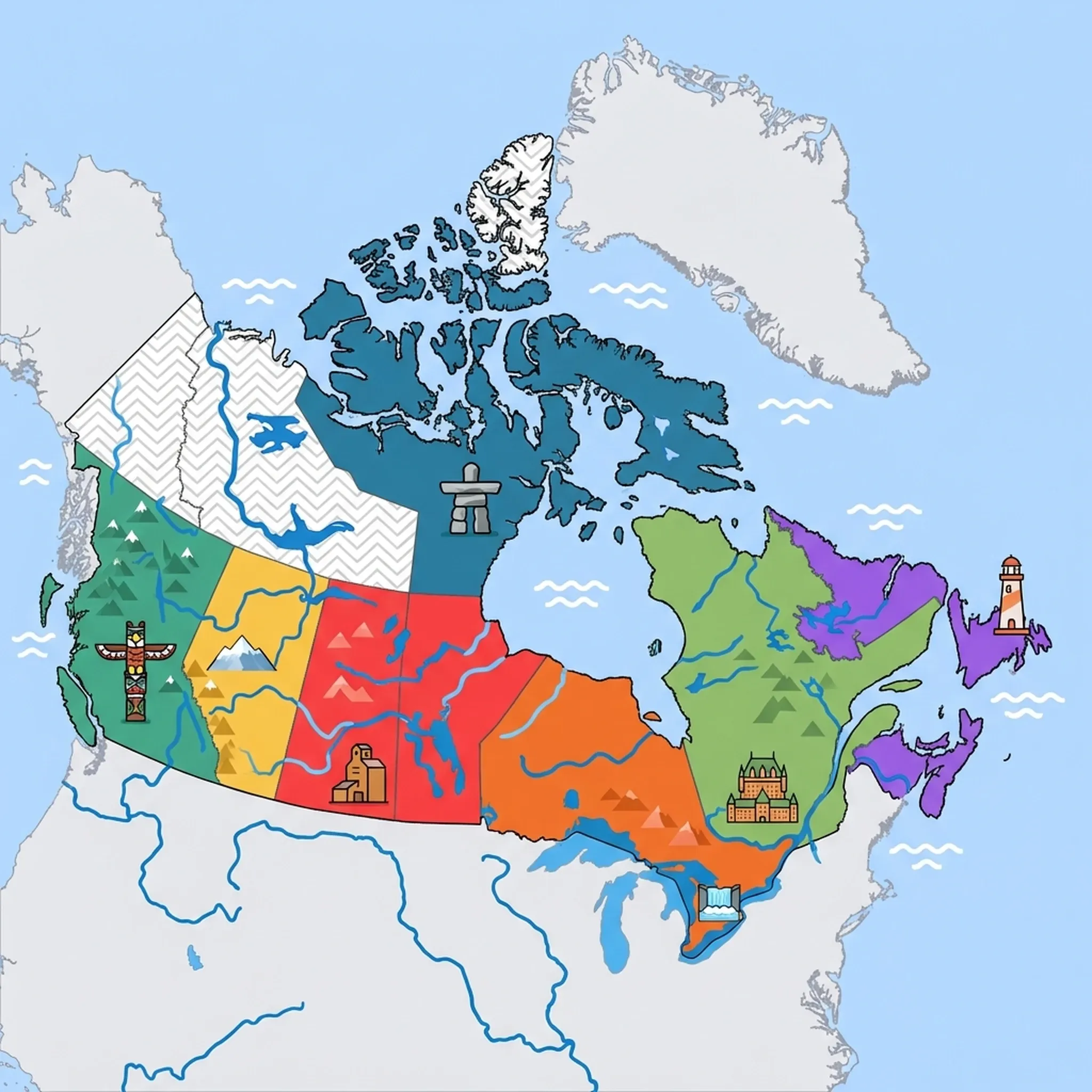
Click a region to explore
The Prairies are often misunderstood as 'flyover country', but for families who stop, they reveal a landscape of subtle beauty and immense history. The horizon here stretches 360 degrees, creating the famous 'Living Skies' of Saskatchewan where sunsets and storms play out like theatre. This is the heart of agricultural Canada, but as you move north, the flat fields give way to the Canadian Shield's rock and lakes. It is an unpretentious region where traffic jams are rare, and the dollar stretches much further than in the big cities of the east or west.
Culturally, this is the birthplace of the Métis nation and the Royal Canadian Mounted Police (Mounties). Museums here are world-class and deeply engaging. Winnipeg, the cultural capital of the plains, is undergoing a renaissance with stunning architecture and vibrant festivals. For wildlife lovers, northern Manitoba offers the 'Polar Bear Capital of the World' at Churchill—one of the few places on earth to safely see these giants (and beluga whales) in the wild. The vibe is community-focused and incredibly friendly; do not be surprised if locals wave at you from their cars on rural roads.
Key Attractions
Winnipeg is home to the Canadian Museum for Human Rights, a spiraling architectural marvel with exhibits that can be tailored to be age-appropriate and inspiring for children. Nearby, the Assiniboine Park Zoo features the 'Journey to Churchill' exhibit, where glass tunnels let polar bears swim right over your head. For history, the Lower Fort Garry National Historic Site allows kids to interact with costumed blacksmiths and fur traders.
In Saskatchewan, the Royal Saskatchewan Museum in Regina delights kids with animatronic dinosaurs and earth science galleries. Nature-loving families should head to Riding Mountain National Park in Manitoba, an 'island' of wilderness rising out of the prairie, famous for its herd of captive bison and distinct townsite that feels like a beach resort in the middle of the continent.
Practical Advice
The distance between cities is vast. Always keep your gas tank half full. The weather is extreme: summers can be blazing hot (+30°C) and winters brutally cold (-30°C). The best time to visit is June to August. Churchill requires a separate flight or train trip and significant budget planning.
Food & Drink
Typical meal times: Lunch 11:30 am to 1:30 pm; Dinner 5:00 pm to 7:30 pm. Prairies folks eat dinner earlier than urbanites.
Typical meal costs: Very affordable. A hearty family feast: $60–100 CAD (approx. $44–74 USD / €40–68 EUR).
Dietary requirements: Improving. Winnipeg and Saskatoon have great options. In rural farm towns, 'meat and potatoes' is the rule, but allergies are generally understood.
Signature dishes:
- Saskatoon Berry Pie – Made from a local purple berry that looks like a blueberry but tastes almondy and sweet; a provincial icon of Saskatchewan.
- Perogies – Due to massive Ukrainian settlement, these potato-filled dumplings are a staple, often served with sausage and sour cream.
- Smoked Goldeye – A freshwater fish smoked over oak, considered a delicacy in Manitoba.
- Regina Style Pizza – Famous for a thick crust, sweet tomato sauce, and massive amounts of meat and cheese piled high.
Why this score?
The flat terrain of the southern plains is less physically demanding, though the northern reaches of the Canadian Shield offer rugged canoeing and remote fishing. Adventure level is moderate, characterized more by vast distances and isolation than by technical terrain.
Why this score?
Winnipeg and Regina serve as regional medical hubs with high-quality facilities like the Health Sciences Centre in Winnipeg. While care in these cities is excellent, the sparsely populated rural areas can experience significant wait times and distance barriers for emergency services.
Why this score?
Tourism in Saskatchewan and Manitoba is primarily domestic, focusing on vast provincial parks and agricultural heritage. Churchill stands as a notable exception, drawing a global niche market specifically for polar bear and beluga whale viewing.

One of the most affordable regions in Canada. Hotels are often $120–160 CAD (approx. $90–120 USD / €80–110 EUR). Family attractions are reasonably priced. The only exception is Churchill, which is a luxury/high-cost destination due to remoteness.
Family Travel Notice
When a child is traveling with only one parent, it is strongly recommended to carry a signed consent letter from the non-traveling parent. Border officials may interview minors to prevent international child abduction.

Getting Here & Around
Getting Here
- Airports – Winnipeg Richardson (YWG) and Saskatoon (YXE) are the main entry points.
- Train – The VIA Rail 'Canadian' stops in Winnipeg and Saskatoon. The train to Churchill departs from Winnipeg.
- Driving – The Trans-Canada Highway runs straight through both provinces.
Getting Around
- Car – Mandatory. Public transport in cities is okay, but exploring the region requires a vehicle.
- Train – The train to Churchill is a 2-day adventure known as a bucket-list experience.
- Walking – The Grand Beach Provincial Park offers great walking on white silica sand dunes.
Nearby Airports (14 airports)
Uranium City Airport
YBEUranium City
Brandon Muni
YBRBrandon
Flin Flon
YFOFlin Flon
Gillam
YGXGillam
Points North Landing
YNLPoints North Landing
Prince Albert Glass Field
YPAPrince Albert
The Pas Airport
YQDThe Pas
Regina International
YQRRegina
Stony Rapids Airport
YSFStony Rapids
Thompson
YTHThompson
Winnipeg International
YWGWinnipeg
Saskatoon J G Diefenbaker International
YXESaskatoon
Fond-Du-Lac Airport
ZFDFond Du Lac
Wollaston Lake Airport
ZWLWollaston Lake
View full flight map for Canada →
Official Links

Packing List
The glare from the flat land and massive sky can be intense for driving.
There are no windbreaks on the prairies; the wind is constant and can be cool.
essential for long drives between towns where cell service is spotty.
Essential for hiking in June/July to protect against intense black flies and mosquitoes in rural areas.
It is polite and customary to remove shoes when entering Canadian homes and many accommodations.
The air in the Prairies, Rockies, and North is extremely dry year-round; skin cracks easily.
Crucial for safely spotting bears, moose, and whales from a distance in national parks.
Keeps valuables safe during popular family activities like canoeing, kayaking, or rainy coastal hikes.

Activities & Best Times

Hiking, wildlife, outdoor exploration, ecotourism
Offers world-class wildlife experiences including Churchill's polar bears and beluga whales, alongside expansive national parks like Riding Mountain. Peak periods cover the summer hiking and aquatic season plus the unique late-autumn bear migration.

Urban tourism, museums, historical sites, architecture
Features internationally significant art institutions like Qaumajuq and Remai Modern, alongside the historic Exchange District. Summer is peak for outdoor cultural festivals and accessibility, while harsh winters significantly limit urban exploration.

Learning experiences, scientific sites, historical education
Home to specialized facilities like the Journey to Churchill and the Manitoba Museum which offer deep scientific and historical insights. These indoor-heavy experiences are viable most of the year but peak in summer when regional transit is most reliable.

Scenic drives, countryside tours, route-based travel
Offers expansive scenic routes like the Riding Mountain Parkway and the Louis Riel Trail through the Qu'Appelle Valley. Peak months provide long daylight hours and safe driving conditions, whereas winter months present severe ice and snow hazards.

Sport tourism, fitness activities, active recreation
Features major trail systems like the Mantario and Boreal Trails, providing significant infrastructure for hiking and wilderness activity. The short peak season is constrained by the northern climate and the window for accessible adventure park operations.

Beach resorts, marine activities: diving, snorkelling, kite surfing, wind surfing, sailing
While freshwater lakes like Grand Beach offer high-quality sand and major recreation areas, they lack the marine biodiversity and year-round appeal of international sea destinations. Suitability is restricted to the brief heat of mid-summer.

Events, celebrations, seasonal attractions
Centered on the internationally unique polar bear migration and high-latitude aurora viewing. The peak is very narrow, coinciding with wildlife movements in late autumn, while shoulder months offer the best dark-sky conditions for the northern lights.

Winter sports, ski resorts, snow activities
Regional ski resorts like Asessippi provide reliable winter sports infrastructure for the area. However, it is rated conservatively due to the flat topography and extreme cold compared to international alpine benchmarks.

Attractions (33 total)



Public Holidays & Calendar Next 12 months
Public holidays, festivals, cultural celebrations, and seasonal natural phenomena coming up in Prairies & Interior Plains over the next 12 months.
Loading holidays and events...

Travel Advisory
All major international agencies reach a consensus that Canada is a safe destination requiring only standard safety awareness. There are no active high-level warnings for the country.
Safety Topics
Traveller Advice (3 groups)

When a child is traveling with only one parent, it is strongly recommended to carry a signed consent letter from the non-traveling parent. Border officials may interview minors to prevent international child abduction.

Dual nationals must ensure they carry the correct passport for entry; specifically, Canadian-British or Canadian-Irish citizens must use their Canadian passport to avoid travel disruptions.

Individuals participating in winter sports in Alberta or British Columbia should monitor avalanche reports and avoid closed trails. Always inform others of your itinerary before heading into remote or mountainous areas.
Agency Summaries
The security environment is considered stable and comparable to Australia. Visitors are advised to monitor local media for updates on forest fires during warmer months and to prepare for hazardous driving conditions in winter. Petty theft, particularly from parked vehicles in cities, is a known issue.
Travelers should remain vigilant regarding the global threat of terrorism, which may target public spaces in Canada. While recreational cannabis is legal domestically, it remains strictly prohibited to transport it across international borders. Minor street crime is noted in large metropolitan areas and popular tourist sites.
New Zealand highlights the importance of staying informed about the national terrorism threat level. Travelers should be prepared for extreme weather events, including snowstorms in winter and wildfires in spring/summer. General awareness of credit card scams and bag snatching in urban centers is recommended.
Ireland advises its citizens to take standard safety measures when visiting. Essential requirements include obtaining an Electronic Travel Authorization (eTA) for air travel. Dual Irish-Canadian citizens are specifically reminded that they must use a Canadian passport to enter the country to avoid boarding denials.
Canada is classified as a safe destination where travelers should follow standard safety procedures. Major points of caution include strictly adhering to Canadian firearm regulations, which are significantly more restrictive than those in the United States, and ensuring all required entry documentation is presented at border crossings.
Information is provided for general guidance only and does not constitute travel, safety, medical, or legal advice. Conditions may change. Users are responsible for independently verifying information before travel.