
Click a region to explore
Overview
Boa Vista is the island that most closely resembles the African mainland, a landscape of wind-sculpted sand dunes, date palms, and vast open spaces that feel prehistoric. For families, this is the ultimate beach destination in Cape Verde. Unlike the busier islands, the pace here is distinctively slow, or "morabeza" (the Creole word for hospitality and laid-back lifestyle). The geography is flat and arid, making it easy to navigate, but the real draw is the coastline. You are never far from a pristine stretch of sand where children can play undisturbed for hours.
Culturally, Boa Vista is quiet and traditional. While large all-inclusive resorts have sprung up, the heart of the island remains in its small villages and the capital, Sal Rei, where life revolves around the fishing harbour. For adventurous families, the island offers more than just sunbathing; 4x4 tours across the Viana Desert allow kids to experience a "mini-Sahara," while whale watching (in season) and turtle nesting tours provide world-class wildlife education right on the doorstep.
Key Attractions
The crown jewel of the island is undoubtedly Santa Monica Beach. Stretching for nearly 20 kilometres, this untouched paradise offers plenty of space for families to set up camp without fighting for sunbed space. The water is crystal clear, though parents should always mind the currents. Nearby, the Viana Desert is a fascinating geological feature where white Saharan sand has formed a massive dune system in the interior—perfect for sandboarding or simply rolling down the hills.
Practical Advice
The best time to visit for beach weather is November to June. If your family wants to see loggerhead turtles nesting, plan your trip between July and October (though it is hotter and more humid). Wind can be strong from January to March, which is great for kite-watching but requires windbreaks on the beach.
Food & Drink
Typical meal times: Lunch is usually served from 12:30 pm to 2:30 pm, and dinner from 7:00 pm to 10:00 pm.
Typical meal costs: A main dish in a local restaurant costs 800–1,500 CVE (approx. $8–15 USD / €7.50–14 EUR).
Dietary requirements: Seafood is the staple. Vegetarians can find pasta and omelets, but vegan options are limited outside of major resorts. Gluten-free travelers should stick to grilled fish, rice, and vegetables.
Signature dishes:
- Lagosta Grelhada – Grilled spiny lobster, often caught that morning, served simply with lemon and butter—a luxury that is relatively affordable here.
- Queijo de Cabra – Local goat cheese, often served with papaya jam as a dessert or starter.
- Buzio – A rich stew made from whelks (sea snails), a hearty local favorite often served with rice.
Why this score?
The island offers moderate adventure through 4x4 desert expeditions and remote beach exploration that is accessible for families. While the terrain is relatively flat, the ruggedness of the Viana Desert and the isolation of the northern coastline provide a sense of off-road exploration without extreme physical demand.
Why this score?
Medical facilities in the main town of Sal Rei are basic and suited for minor ailments or stabilization. For serious emergencies, international tourists typically require medical evacuation to Praia or abroad, as specialized care is not readily available on the island.
Why this score?
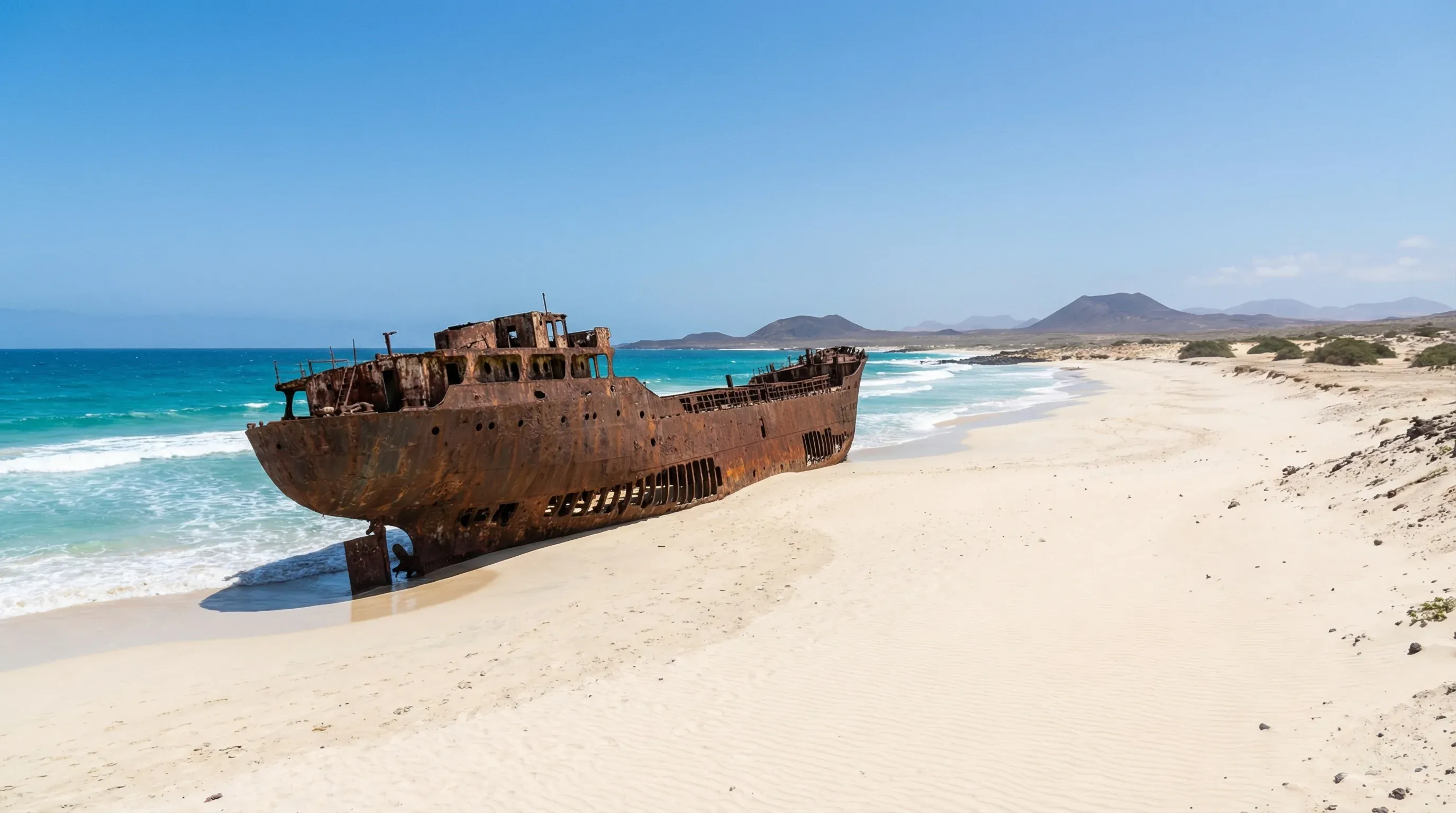
As the second most visited island, Boa Vista attracts a steady stream of European charter tourists drawn to its expansive white sand beaches and desert landscapes. While it lacks the high-density resort infrastructure of Sal, attractions like the Cabo Santa Maria shipwreck and the Viana Desert make it a recognized niche destination.

Boa Vista is slightly more expensive than islands like Santiago due to the high volume of imported goods for tourism. A mid-range family meal costs around 3,000–5,000 CVE (approx. $30–50 USD / €27–45 EUR). Accommodation ranges from budget guesthouses at 4,000 CVE ($40 USD / €36 EUR) to luxury resorts costing over 20,000 CVE ($200 USD / €180 EUR) per night.
Family Travel Notice
Families should take extra care with food and water hygiene due to recent spikes in Shigella and Salmonella infections reported in returning tourists.

Getting Here & Around
Getting Here
- Airports – Aristides Pereira International Airport (BVC) in Rabil receives international charters from Europe and domestic flights.
- Ferry – Maritime connections exist from Sal and Santiago to Sal Rei port, though schedules can be irregular and the crossing is often rough.
Getting Around
- Car – Renting a 4x4 pick-up is the best way to explore independently, as many roads to beaches like Santa Monica Beach are unpaved sand tracks.
- Taxis (Aluguer) – Shared pickup trucks with benches in the back are the local way to travel between towns. They are cheap and fun for older kids but lack seatbelts.
- Quad Bikes – Popular for guided tours of the dunes, though suitability depends on the age of your children.
Nearby Airports (1 airport)
Rabil Airport
BVCBoa Vista
View full flight map for Cape Verde →
Official Links

Packing List
The Atlantic visibility is often excellent, but rental gear sizes for small children are scarce.
The cool ocean breeze masks the intensity of the equatorial sun; simple sunscreen often isn't enough.
Strollers are useless in the sand streets of Sal Rei and the dunes.
Evenings can be surprisingly breezy and cool, especially near the open coast.
Essential for protecting feet from sharp volcanic rocks and sea urchins common on many non-resort beaches.
Strong trade winds make evenings surprisingly chilly, and mountain areas like Fogo and Santo Antão are cold at altitude.
Inter-island ferry crossings can be very rough, and mountain roads are steep and winding.
Specific brands are hard to find and expensive; stock in local supermarkets is inconsistent.
Power cuts can occur on smaller islands; useful for keeping phones charged during long hiking days.

Activities & Best Times

Hiking, wildlife, outdoor exploration, ecotourism
Offers unique desert landscapes at Viana and critical turtle nesting sites at Ervatão Beach. Winter months provide ideal temperatures for desert exploration, while summer shoulder months offer the best opportunities for witnessing turtle nesting and hatching.

Urban tourism, museums, historical sites, architecture
Distinctive cultural experiences in the Sal Rei historic center and traditional villages like Povoação Velha provide an authentic look at island life. The atmosphere is most vibrant during the dry winter months when the colonial architecture is best explored on foot.

Beach resorts, marine activities: diving, snorkelling, kite surfing, wind surfing, sailing
Features pristine, expansive beaches like Santa Monica and Praia de Chaves with crystal clear waters. Peak season aligns with the European winter when trade winds are consistent and temperatures are pleasantly warm, though the strongest winds in Jan-Mar can be intense for small children.

Scenic drives, countryside tours, route-based travel
Defined scenic circuits like the Northern Shipwreck route offer adventurous 4x4 driving through dunes and volcanic landscapes. Best experienced when visibility is high and temperatures are moderate during the dry season.

Sport tourism, fitness activities, active recreation
Renowned for wind-based sports and desert hiking trails, with the 'Alizés' trade winds providing world-class kite and windsurfing conditions from November to April. Off-season months see a significant drop in wind consistency and increased humidity.




Public Holidays & Calendar Next 12 months
Public holidays, festivals, cultural celebrations, and seasonal natural phenomena coming up in Boa Vista over the next 12 months.
Loading holidays and events...

Travel Advisory
The majority of international agencies classify Cape Verde as a destination requiring only standard safety awareness. However, several agencies highlight elevated crime in Praia and specific health risks, suggesting travellers remain vigilant.
Safety Topics
Traveller Advice (3 groups)

Ensure you have comprehensive travel insurance that includes medical air evacuation, as healthcare facilities are limited and inter-island transport for emergencies can be difficult.

Female travellers should be cautious as sexual assaults have been reported. It is advised to avoid walking alone in isolated areas or on beaches after dark.

Families should take extra care with food and water hygiene due to recent spikes in Shigella and Salmonella infections reported in returning tourists.
Agency Summaries
Travellers should be extra vigilant due to high crime rates. Offences like theft and muggings are common in major urban centres and tourist spots across the islands of Santiago, Sal, and Boa Vista.
While crime levels are generally low, petty theft and muggings occur in Praia and on Sal and Boa Vista islands. Recent health alerts indicate an increase in gastrointestinal infections among visitors.
Cabo Verde is considered a safe destination for most visitors. However, increased caution is advised specifically in the capital city of Praia due to a higher prevalence of crime.
Vigilance is necessary due to specific health risks and crime. Health authorities have highlighted concerns regarding Zika virus transmission and high rates of Hepatitis C.
General safety conditions are stable, but travellers are encouraged to stay informed about local risks and maintain standard safety awareness throughout their stay.
No specific travel advisory is in effect for Cabo Verde. Visitors should follow standard safety routines and ensure they have robust travel insurance covering medical evacuations.
Information is provided for general guidance only and does not constitute travel, safety, medical, or legal advice. Conditions may change. Users are responsible for independently verifying information before travel.