
N'Djamena & South
The vibrant cultural gateway to the heart of the Sahel 🇹🇩
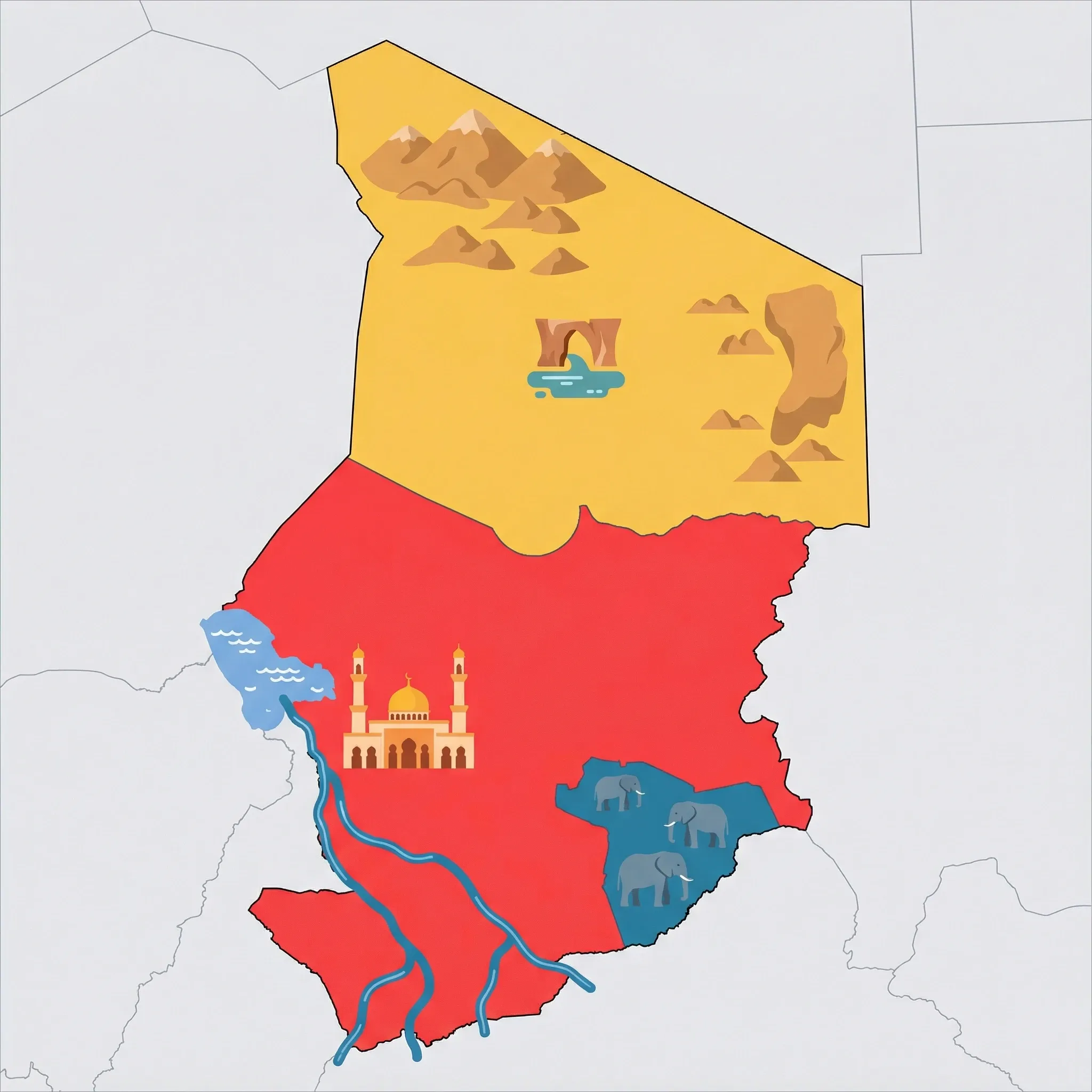
Click a region to explore
⚠️ SAFETY WARNING: Due to the potential for civil unrest, violent crime, and terrorism threats in border areas, government agencies (including CA, USA, UK, and AU) advise travelers to reconsider travel to N'Djamena and southern regions. Security conditions can be volatile. Families are strongly urged to consult their own government's official travel advisory and register with their embassy before considering a trip, as individual risk assessments vary.
Overview
N'Djamena is a city of contrasts, where the dusty hues of the Sahel meet the muddy waters of the Chari River. For adventurous families, it provides a window into a way of life that has remained largely unchanged for centuries. The capital is the logistical hub for any Chadian adventure, but it also holds its own charm with wide boulevards, vibrant markets, and the nearby village of Gaoui, known for its traditional architecture. The atmosphere here is lively and intense; it is a place for experienced travelers who appreciate raw culture over polished tourism infrastructure.
Moving south from the capital, the landscape transforms from arid plains to greener savannahs. This region is the agricultural breadbasket of Chad and offers a softer, more tropical climate compared to the harsh northern deserts. While tourism infrastructure is limited, families traveling with reputable guides can witness the daily rhythms of river life, where fishermen cast nets from pirogues and markets bustle with the trade of mangoes, cotton, and textiles. It serves as the essential corridor for those heading towards the wildlife spectacles of Zakouma National Park.
Key Attractions
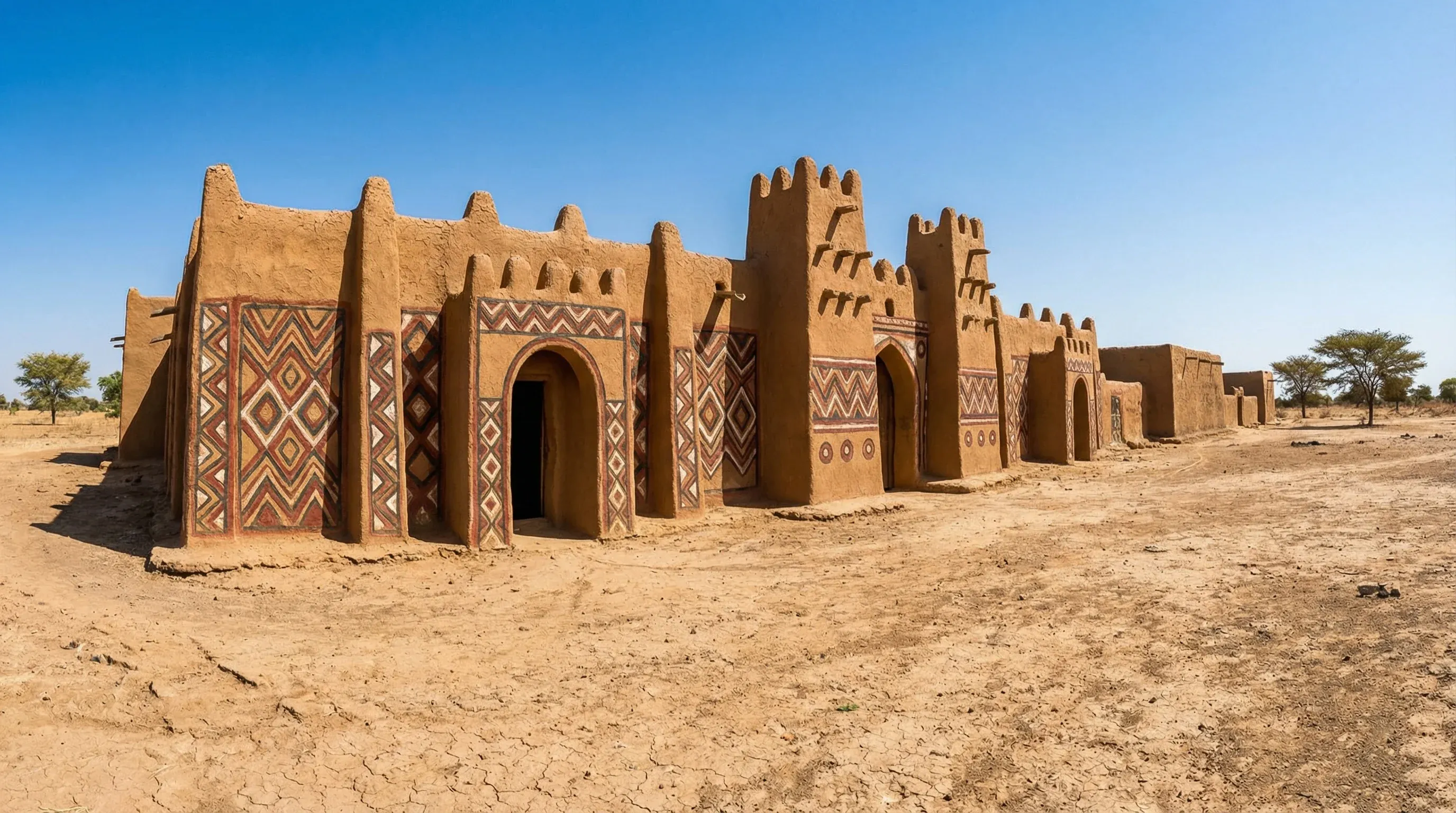
The National Museum of Chad in N'Djamena is a must-visit for families, housing an impressive collection of artifacts that trace the region's history from the Sao civilization to the present day. It provides critical context for children to understand the deep history of the Sahel. Just outside the capital, the village of Gaoui is famous for its distinctively painted mud-brick houses and pottery. It is the former capital of the Sao civilization and offers a colorful, tactile history lesson where children can see traditional potters at work.
For a break from the city heat, the Chari River offers sunset boat rides that allow families to see hippos and diverse birdlife right on the edge of the city. While not a zoo, the river ecosystem is wild and active. Further afield, the journey south opens up possibilities for seeing the majestic wildlife of Zakouma National Park, which, although a separate region, is best accessed via the logistics hubs of the south.
Practical Advice
The best time to visit is during the cooler dry season from November to February. Heat can be oppressive from March to May. Malaria prophylaxis is essential for all family members, and long sleeves are recommended in the evenings. Travel should always be arranged through a reputable local operator with security protocols in place. Avoid all travel after dark.
Food & Drink
Typical meal times: Lunch is a major affair, typically eaten between 12:00 pm and 2:00 pm. Dinner is usually served late, from 7:30 pm to 9:30 pm, often enjoying the cooler evening air.
Typical meal costs: Dining in N'Djamena can be surprisingly expensive due to import costs. A meal at a good hotel or restaurant costs around 10,000–25,000 XAF (approx. $16–40 USD / €15–38 EUR) per person. Local street food is cheaper but requires caution regarding hygiene.
Dietary requirements: Vegetarian options are available but limited, often consisting of salads, rice, and beans. Peanuts and dairy are common ingredients, so those with allergies must be vigilant and communicate clearly in French.
Signature dishes:
- Boule – A thick porridge made from millet or sorghum, serving as the staple carbohydrate, typically dipped into sauces.
- Capitaine – Fresh Nile Perch caught in the Chari River, often grilled or fried and served with lime and chili.
- Daraba – A rich, slimy stewardship made from okra, tomatoes, peanut butter, and often mixed with sweet potato or pumpkin.
Why this score?
This is the most developed part of Chad, but it remains rugged by global standards due to limited paved roads and basic urban infrastructure. Navigating the Sahelian climate and the transition to the southern savannas provides a moderate level of adventure for families accustomed to more structured environments.
Why this score?
The capital city offers the highest concentration of medical facilities in Chad, including some private clinics used by the expatriate community. However, care is still basic compared to international standards, and serious conditions typically require medical evacuation to Europe or North Africa.
Why this score?
As the primary gateway to Chad, this region receives the bulk of the country's 40,000 annual international visitors, most of whom are on business or humanitarian missions. While it contains the National Museum and Gaoui village, it lacks the infrastructure and safety profile to attract mainstream leisure travelers beyond niche cultural enthusiasts.

While local living costs are low, the cost for tourists is high due to the need for security, private transport, and imported goods. A secure mid-range hotel costs 80,000–120,000 XAF (approx. $130–195 USD / €120–180 EUR) per night. Car hire with a driver and fuel can exceed 100,000 XAF (approx. $165 USD / €150 EUR) per day.

Getting Here & Around
Getting Here
- Airports – N'Djamena International Airport (NDJ) is the primary entry point, with flights from Paris, Addis Ababa, and Istanbul.
- Driving – The city connects to Cameroon via the Nguéli Bridge (Kousseri), though border formalities can be lengthy and strict.
Getting Around
- Car – Private 4x4 hire with a driver is the only recommended method for families. Self-driving is not advised due to chaotic traffic and checkpoints.
- Taxi – Shared taxis exist but are generally unsafe for tourists. Stick to hotel-arranged transport or your tour operator's vehicles.
Nearby Airports (1 airport)
Ndjamena
NDJNdjamena
View full flight map for Chad →

Packing List
English is rarely spoken; basic French is essential for daily interactions.
The Harmattan wind brings significant dust; essential for protecting children's lungs.
Malaria risk is high and mosquitoes are aggressive, especially near the river.
Power cuts are frequent and street lighting is unreliable.
Essential for protecting your face and airways from the intense Saharan dust and sand.
A physical yellow booklet is mandatory for entry; you will be refused entry without it.
Dehydration is a major risk in the 40°C+ heat; water alone is often not enough.
ATMs are unreliable and often empty. New, crisp Euro notes are the easiest currency to exchange.
GPS signals can be spotty in the desert, and electronics may fail in the extreme heat.
Water is scarce in the north; these will be your primary method of washing on expedition.

Activities & Best Times

Hiking, wildlife, outdoor exploration, ecotourism
Zakouma National Park is a world-class destination for elephant conservation and rare wildlife viewing, though infrastructure remains exclusive and limited. Peak viewing occurs in the dry season (Dec-Mar), while heavy summer rains make the parks and river regions largely inaccessible.

Urban tourism, museums, historical sites, architecture
N'Djamena lacks the density of globally significant cultural institutions or UNESCO heritage sites required for 'very_good' under international calibration standards. The National Museum alone doesn't justify this rating when compared to major African capitals.

Scenic drives, countryside tours, route-based travel
Established routes like the Southern Circuit and the Zakouma Safari Route provide adventurous families with raw, authentic overland experiences. These are best navigated in the peak dry season when unpaved roads are most stable and temperatures are at their lowest for long-distance travel.




Public Holidays & Calendar Next 12 months
Public holidays, festivals, cultural celebrations, and seasonal natural phenomena coming up in N'Djamena & South over the next 12 months.
Loading holidays and events...

Travel Advisory
Most global agencies recommend reconsidering or avoiding all non-essential travel to Chad due to persistent threats of terrorism, kidnapping, and violent crime. Extreme danger exists in border regions and northern provinces.
Safety Topics
Traveller Advice (2 groups)

All visitors should avoid moving after dark, vary their routines, and stay clear of political demonstrations or large public gatherings.

Humanitarian and aid staff are specifically targeted by kidnapping groups, especially in remote areas and the Lake Chad region.
Agency Summaries
New Zealanders are urged to avoid non-essential travel due to significant threats from terrorism and violent crime. Many regions carry the highest level of warning.
Travel is discouraged due to crime, terrorism, and kidnapping. Notably, the local government has suspended visa issuance for private US citizens, and entry for them is currently restricted.
British citizens are advised to limit travel to essential purposes only. High threats of terrorism and kidnapping exist, and the UK's ability to provide assistance is extremely limited.
Ireland advises against unnecessary travel due to the risk of political unrest and kidnapping. Border areas are considered particularly dangerous and should be avoided entirely.
Canadian authorities suggest avoiding all non-essential visits due to risks from extremist groups, violent offences, and public instability. Stricter warnings are in place for border regions and the northern provinces.
Australia recommends avoiding all travel to Chad because of the dangerous security environment, including frequent violent crime and terrorism. Consular help is severely restricted.
Information is provided for general guidance only and does not constitute travel, safety, medical, or legal advice. Conditions may change. Users are responsible for independently verifying information before travel.