
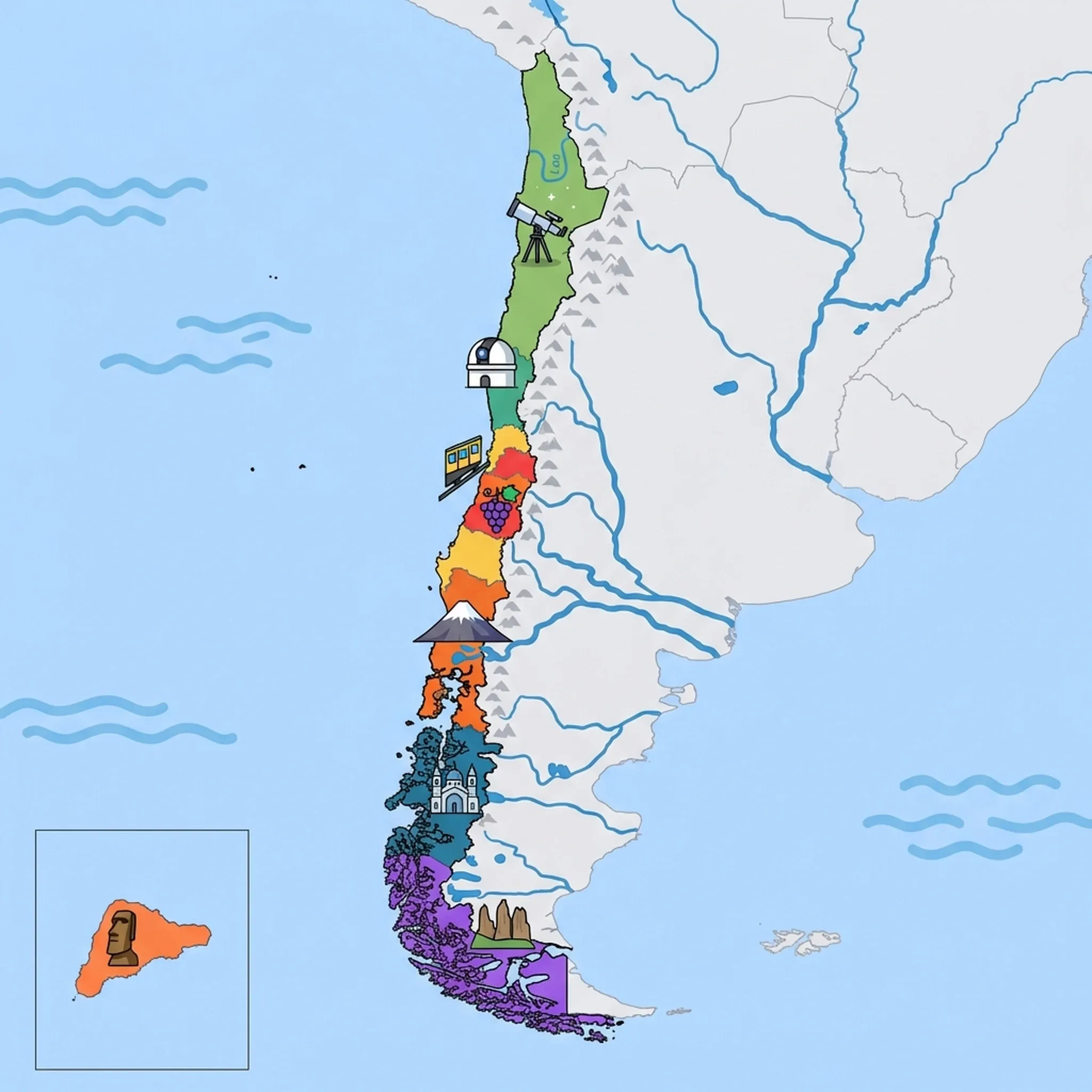
Click a region to explore
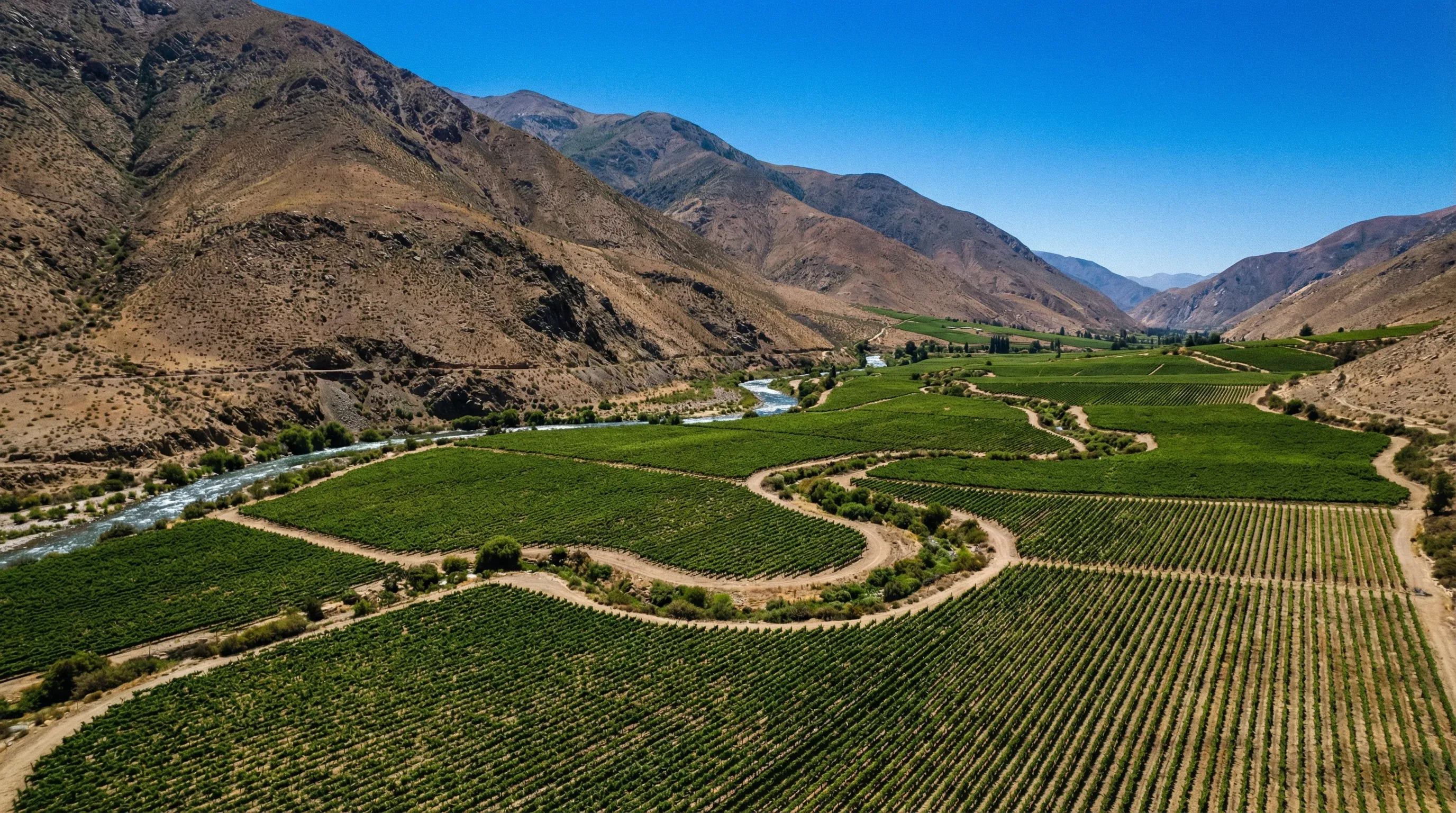
The Coquimbo Region offers a brilliant 'surf and turf' holiday for families, combining the classic seaside fun of La Serena with the mystical, star-studded hills of the Elqui Valley. The coast is defined by long stretches of beach and a slightly cooler, misty morning climate (the 'camanchaca') that burns off to reveal glorious sunshine. La Serena, one of Chile's oldest cities, feels colonial and relaxed, with plenty of cycling paths along the seafront. Just a short drive inland, the landscape transforms dramatically into arid, cactus-studded mountains interlaced with lush green vineyards. This is the heart of Chile's pisco production, but for kids, the real magic lies in the sky—the Elqui Valley is the world's first International Dark Sky Sanctuary.
Culturally, the region is rich in stories, from the poetry of Nobel laureate Gabriela Mistral to tales of UFO sightings that fascinate older children. The vibe is significantly more laid-back than Santiago, making it an easy place to travel with toddlers. Whether you are taking a boat trip to see dolphins and whales or peering through a telescope at a nebula, the region encourages curiosity. It is a place where science and nature intersect beautifully, offering educational value disguised as pure adventure.
Key Attractions
For animal lovers, the Humboldt Penguin National Reserve is a non-negotiable highlight. Boat tours from Punta de Choros take families close to islands teeming with penguins, sea lions, and often dolphins—a thrilling open-air zoo experience. Back on the mainland, the Observatorio Cerro Mamalluca is specifically geared towards tourists and families. Their night tours explain the cosmos in simple terms, allowing kids to see craters on the moon and distant planets. In the city, the Faro Monumental de La Serena is a historic lighthouse that anchors the long Avenida del Mar, a perfect promenade for family cycling or rollerblading. Further inland, a visit to the Museo Gabriela Mistral in Vicuña introduces children to the life of the famous poet-teacher in a very accessible way.
Practical Advice
Summer (December to February) is peak beach season, but the valley is visitable year-round. The Elqui Valley can be significantly hotter than the coast during the day, so dress in layers. Roads in the valley are winding; if your children suffer from car sickness, prepare accordingly.
Food & Drink
Typical meal times: Lunch is 1:00 pm to 3:00 pm. Dinner is often later, starting around 8:00 pm, though beach restaurants serve continuously in summer.
Typical meal costs: A seaside lunch costs CLP 10.000–15.000 (approx. $10–16 USD / €9–14 EUR). Empanadas are a cheap staple at CLP 2.000–3.000 (approx. $2–3 USD / €2–3 EUR).
Dietary requirements: Seafood is dominant on the coast. In the valley, there are many 'solar cooking' restaurants that cater well to vegetarians. Nut allergies should be noted as walnuts are a local crop.
Signature dishes:
- Papayas a la crema – Not the tropical papaya, but a unique local yellow fruit (mountain papaya), poached in syrup and served with cream.
- Churrasca – A flatbread cooked on a grill, often served warm with goat cheese or pebre (salsa) for breakfast or snacks.
- Machas a la parmesana – Razor clams baked with white wine, butter, and parmesan cheese, a legendary invention of this region.
Why this score?
Adventure here is moderate, focusing on valley trekking, stargazing expeditions, and coastal marine tours to spot penguins. The infrastructure is well-developed for leisure, making it more accessible and less rugged than the wilder regions of the Chilean south.
Why this score?
The coastal twin cities of La Serena and Coquimbo provide robust healthcare facilities, including public hospitals and several private clinics. Services are generally reliable for standard tourist needs, though English-speaking staff are less common than in the capital.
Why this score?
This region is a major domestic holiday spot for Chileans, known for its beaches and pisco production, but it has a lower international profile than Patagonia or Atacama. It attracts niche international interest specifically for world-class astrotourism and its unique semi-arid geography.

More affordable than Atacama or Patagonia. Family cabins (cabañas) are a popular option, costing CLP 60.000–100.000 (approx. $64–106 USD / €60–100 EUR) per night. Observatory tours are reasonable, around CLP 15.000–20.000 (approx. $16–21 USD / €15–20 EUR) per person. Dining prices drop significantly if you move a few blocks away from the immediate beachfront.
Family Travel Notice
Chile enforces very strict border controls for minors. Parents travelling alone with children must carry notarized authorization from the other parent and an original birth certificate.

Getting Here & Around
Getting Here
- Airports – La Florida Airport (LSC) in La Serena has daily flights from Santiago (1 hour).
- Bus – Buses from Santiago take about 6–7 hours and are comfortable, often with 'semi-cama' (reclining) seats suitable for sleeping children.
- Driving – The Ruta de las Estrellas (Ruta 41-CH) connects the coast to the valley. It is a paved, scenic drive approx. 5–6 hours north of Santiago via Route 5.
Getting Around
- Car – Highly recommended for exploring the valley at your own pace and reaching the Pisco Elqui Village.
- Public Transport – 'Micros' (local buses) run frequently between La Serena, Coquimbo, and Vicuña, but are less convenient for evening observatory trips.
- Cycling – The Avenida del Mar has excellent dedicated bike lanes stretching for kilometres.
Nearby Airports (1 airport)
La Florida
LSCLa Serena
View full flight map for Chile →
Official Links

Packing List
The road into the Elqui Valley (Ruta 41) is very winding; essential for kids.
Crucial for spotting penguins and dolphins at Punta de Choros.
The coastal 'camanchaca' fog and afternoon breeze make beaches chilly.
The ozone layer is thinner over Chile; UV radiation is extreme even on cloudy days.
The Atacama Desert is one of the driest places on Earth and can cause nosebleeds.
Many hostels, cabins, and older hotels in remote areas lack plugs for sinks/baths.
Chile uses Type L (3 pins in a row) or Type C. Standard US/UK plugs won't fit.
Essential for the winding Andes mountain roads and boat trips in the south.
Even in summer, desert nights and Patagonian winds are freezing cold.

Activities & Best Times

Hiking, wildlife, outdoor exploration, ecotourism
Home to the Humboldt Penguin Reserve and the unique Fray Jorge cloud forest, providing exceptional wildlife viewing and desert trekking. Peak season aligns with the dry, clear weather necessary for exploring rugged interior and coastal reserves.

Urban tourism, museums, historical sites, architecture
La Serena offers a distinct neo-colonial architectural identity and high-quality museums dedicated to Gabriela Mistral and regional archaeology. Summer and the September national holidays are the most vibrant times, while winter brings persistent coastal fog.
Beach resorts, marine activities: diving, snorkelling, kite surfing, wind surfing, sailing
Coastal areas like Totoralillo provide excellent surfing and beach recreation, though the cold Humboldt Current limits swimming to peak summer. International appeal is concentrated in the warmest months when coastal infrastructure is fully operational.

Learning experiences, scientific sites, historical education
A premier global hub for astro-tourism featuring world-renowned scientific observatories like Cerro Tololo and public facilities like Mamalluca. Stargazing is best from spring through autumn when atmospheric clarity is highest; winter cloud cover is a significant barrier.

Scenic drives, countryside tours, route-based travel
The Ruta de las Estrellas (Ruta 41) is a celebrated scenic drive connecting the Pacific coast to the high Andes through dramatic vineyard-clad valleys. Visibility and road safety are optimal during the dry months, with winter posing risks of fog and mountain pass closures.

Sport tourism, fitness activities, active recreation
Features organized cycling routes through the Elqui Valley and adventure parks offering high-standard outdoor activities. Peak months offer stable dry conditions for mountain biking and adventure courses, whereas winter rains can close trails.
Amusement parks, family entertainment venues
Regional water parks like Curunina provide family entertainment during the peak of summer but lack year-round international significance. These facilities operate seasonally and are generally closed or undesirable during the cooler months.

Attractions (15 total)



Public Holidays & Calendar Next 12 months
Public holidays, festivals, cultural celebrations, and seasonal natural phenomena coming up in Elqui Valley & Coquimbo Coast over the next 12 months.
Loading holidays and events...

Travel Advisory
Four out of six major agencies recommend exercising increased caution or a high degree of vigilance. The primary concerns are civil unrest, frequent public demonstrations that may turn violent, and prevalent street crime. While the country is generally safe for travel, specific southern regions face emergencies due to wildfires.
Safety Topics
Traveller Advice (3 groups)
Chile enforces very strict border controls for minors. Parents travelling alone with children must carry notarized authorization from the other parent and an original birth certificate.

Always carry a copy of your identification and keep original documents in a secure location. Avoid all large gatherings, particularly on Friday afternoons when protests are most common in urban centers.

While Santiago is relatively safe for solo women, dressing conservatively is suggested to avoid unwanted attention. Be cautious in rural areas where solo foreign women are less common.
Agency Summaries
The U.S. government advises heightened awareness due to rising rates of violent crime and the unpredictability of large-scale public protests.
Australia recommends extra vigilance due to security threats from civil disturbances and violent criminal activity, including specialized theft tactics.
While no general travel restriction is in place, the assessment suggests a likely threat of terrorism and warns of severe environmental hazards like wildfires.
New Zealanders are warned of significant security concerns regarding theft and potential violence during urban civil unrest.
Travellers should be extremely vigilant in Chile because of persistent civil unrest, frequent demonstrations, and high levels of street crime.
Standard safety measures are recommended, though visitors must avoid all political gatherings as participation can lead to immediate deportation.
Information is provided for general guidance only and does not constitute travel, safety, medical, or legal advice. Conditions may change. Users are responsible for independently verifying information before travel.