
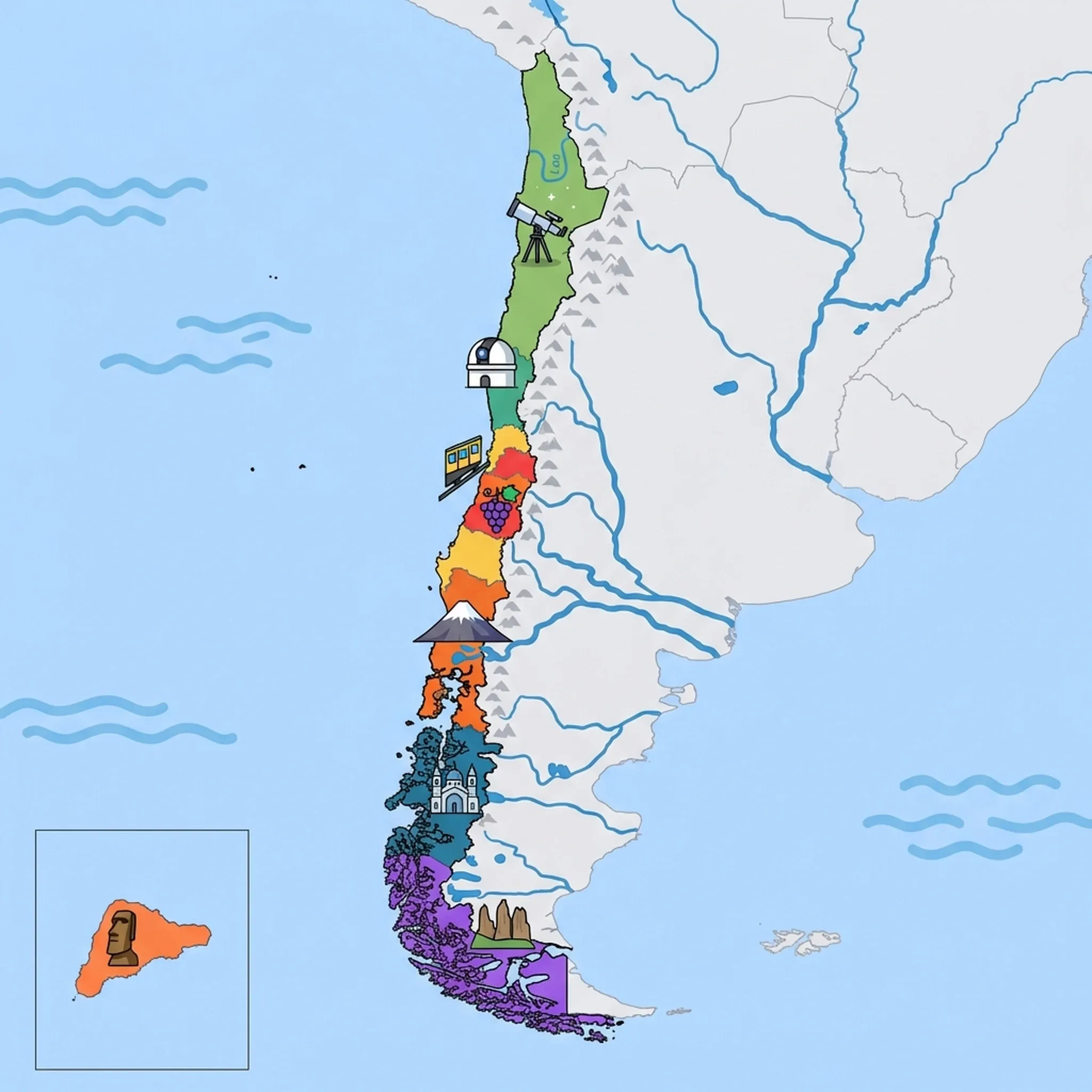
Click a region to explore
Rapa Nui is unlike anywhere else on Earth. For families, the journey itself—a five-hour flight into the middle of the Pacific—sets the stage for a grand adventure. This is not just an open-air museum; it is a living Polynesian culture where the pace is slow, the smiles are warm, and history is tangible. The island is small and incredibly safe, with no dangerous animals and very little traffic, giving parents peace of mind while children explore. The landscape is grassy and volcanic, dotted with wild horses that roam freely, which delighted children often find as exciting as the statues themselves.
The island's history, centered on the rise and fall of the Moai builders, is a captivating story for older children. Exploring the sites feels like a treasure hunt. You can hike up extinct volcanoes to see crater lakes, crawl into lava tube caves, and swim in calm, turquoise bays. The isolation creates a unique atmosphere of community; Hanga Roa, the only town, feels like a large village where everyone knows each other. While it is a premium destination, the memories of standing before the giant stone heads are indelible.
Key Attractions
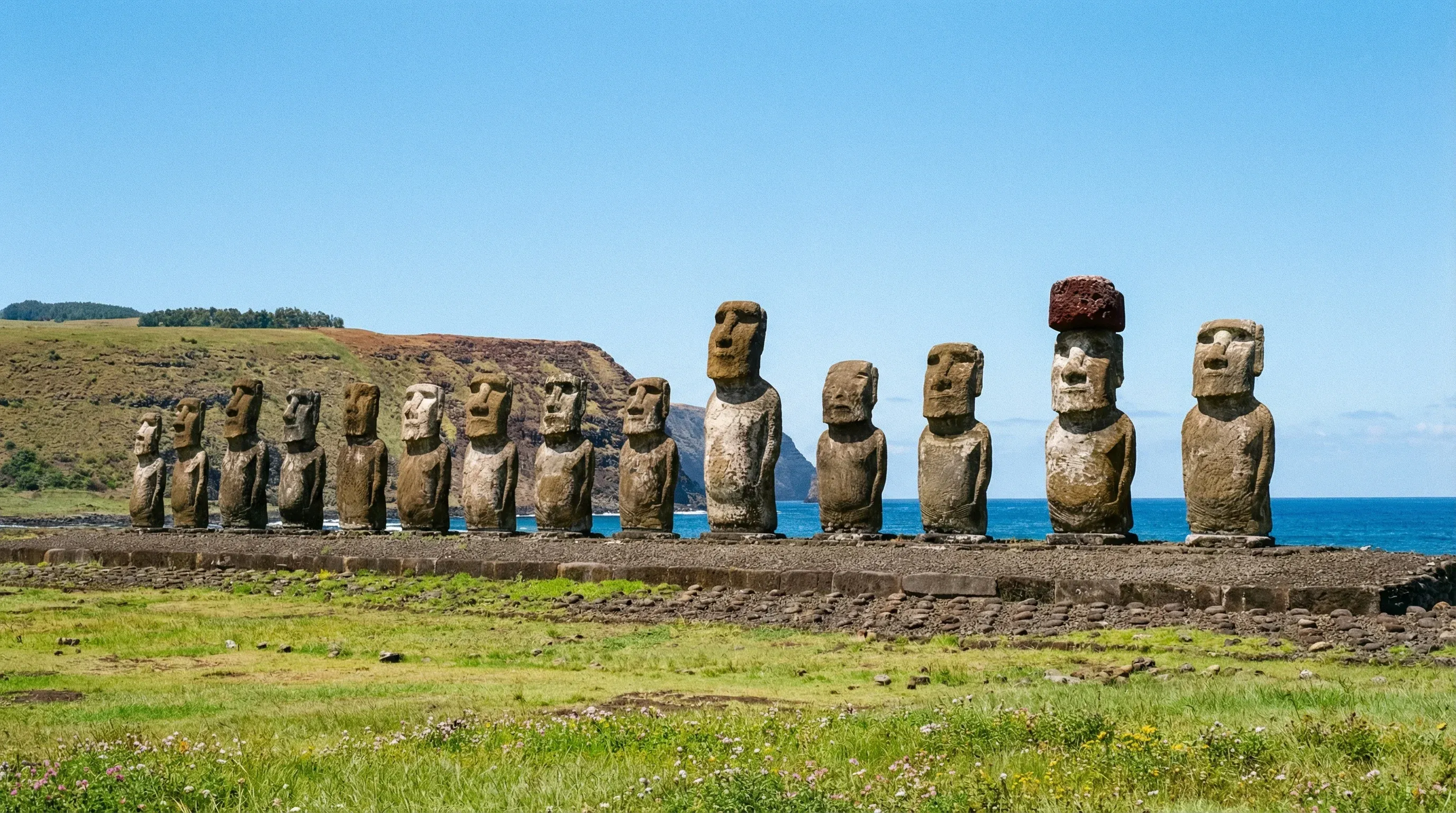
The Rano Raraku quarry is the highlight for most families; here, hundreds of Moai remain in various stages of carving, some half-buried, allowing kids to see exactly how these giants were born. Nearby, the Ahu Tongariki features 15 massive statues standing in a row—a sunrise visit here is awe-inspiring. For a mix of culture and relaxation, Anakena Beach is perfect; it has calm, warm water safe for swimming, palm trees imported from Tahiti, and its own set of Moai standing guard in the sand. A trip to the Orongo Ceremonial Village, perched on the edge of the Rano Kau volcano crater, tells the thrilling story of the 'Birdman' competition, which captures the imagination of adventurous kids.
Practical Advice
You must buy the Rapa Nui National Park ticket online before arrival or at the airport. You also need a certified local guide to enter most archaeological sites—this is a strict rule to protect the heritage. The climate is subtropical; bring rain gear as showers are brief but sudden.
Food & Drink
Typical meal times: Relaxed island time applies. Lunch 1:00 pm to 3:00 pm, Dinner 7:30 pm onwards.
Typical meal costs: Food is expensive as almost everything is imported. A main dish costs CLP 18.000–28.000 (approx. $19–30 USD / €18–28 EUR). Tuna empanadas are a cheaper option at CLP 4.000–6.000 (approx. $4–6 USD / €4–6 EUR).
Dietary requirements: Fresh fish is the staple. Vegetarian options are available in Hanga Roa but limited. Gluten-free bread is rare.
Signature dishes:
- Rapa Nui Tuna – Local tuna is world-class, often served as 'ceviche' with coconut milk or seared.
- Umu Rapa Nui – A traditional earth oven feast (curanto style) with chicken, fish, and taro root, often served during cultural shows.
- Po'e – A sweet, pudding-like sponge cake made from pumpkin and flour, usually served as a side dish.
Why this score?
The island's extreme isolation provides a natural sense of adventure, complemented by volcanic hiking and exploration of rugged coastal cliffs. While the main town of Hanga Roa is well-equipped for tourists, the island's remote Pacific setting feels significantly more adventurous than mainland coastal areas.
Why this score?
There is a small, modern hospital in Hanga Roa capable of handling basic emergencies and minor surgeries. However, because the island is 3,500 kilometers from the mainland, any serious or life-threatening condition requires an expensive and long-duration medical flight to Santiago or Tahiti.
Why this score?
Rapa Nui is a world-famous cultural icon that draws a steady stream of international visitors specifically to see the Moai statues. However, total visitor volume is strictly limited by the island's flight capacity and its position as one of the most remote inhabited islands on Earth.

Everything is flown in, so prices are 30-50% higher than mainland Chile. Budget accommodation is hard to find; expect to pay CLP 120.000+ (approx. $125 USD / €120 EUR) per night for a basic room. The National Park ticket is approx. $80 USD per adult (kids pay less). Groceries are pricey, so packing snacks from Santiago is a smart move.
Family Travel Notice
Chile enforces very strict border controls for minors. Parents travelling alone with children must carry notarized authorization from the other parent and an original birth certificate.

Getting Here & Around
Getting Here
- Airports – Mataveri International Airport (IPC) is the only entry point. LATAM flies daily from Santiago (approx. 5 hours).
- Entry Rules – Tourists must fill out an entry form (FUI), have a return ticket, and a confirmed hotel reservation (registered with Sernatur) to board the plane.
Getting Around
- Car – Renting a small jeep is the best way to get around. Driving is easy (max speed 60 km/h), but watch out for horses and cows on the road.
- Tours – A certified guide is mandatory for the main sites like Rano Raraku and Orongo Ceremonial Village.
- Cycling – The island is hilly but bikeable for active families; distances are manageable.
Nearby Airports (1 airport)
Mataveri International Airport
IPCEaster Island
View full flight map for Chile →
Official Links

Packing List
Groceries are incredibly expensive on the island; bring a supply from the mainland.
Sun is very strong at this latitude and supplies on the island are costly.
Tropical downpours are frequent, short, and heavy; a poncho is better than a jacket.
The ozone layer is thinner over Chile; UV radiation is extreme even on cloudy days.
The Atacama Desert is one of the driest places on Earth and can cause nosebleeds.
Many hostels, cabins, and older hotels in remote areas lack plugs for sinks/baths.
Chile uses Type L (3 pins in a row) or Type C. Standard US/UK plugs won't fit.
Essential for the winding Andes mountain roads and boat trips in the south.
Even in summer, desert nights and Patagonian winds are freezing cold.

Activities & Best Times

Hiking, wildlife, outdoor exploration, ecotourism
Dramatic volcanic craters and coastal trail networks offer deep immersion into a unique ecosystem. Summer months provide the best visibility and trail conditions, while winter brings higher winds and mud.

Urban tourism, museums, historical sites, architecture
A globally unique open-air archaeological site featuring the Moai and UNESCO-listed heritage. Tourism peaks in summer when Hanga Roa's living culture is most vibrant and the weather is pleasant for exploring historic sites.
Beach resorts, marine activities: diving, snorkelling, kite surfing, wind surfing, sailing
Anakena and Ovahe provide rare, high-quality white sand beach experiences in the middle of the Pacific. Best visited during the southern summer when water and air temperatures are optimal for swimming and snorkeling.

Events, celebrations, seasonal attractions
Tapati Rapa Nui is described as 'world-class cultural event' in notes. Marginal rating contradicts this assessment. Should be 'good'.

Scenic drives, countryside tours, route-based travel
The scenic coastal and inland roads provide an essential and beautiful way to access the island's remote monuments. Peak months offer the best driving visibility and access to all coastal points of interest.

Sport tourism, fitness activities, active recreation
Dedicated cycling loops and hiking trails like Te Ara o Te Ao provide structured ways to explore the volcanic terrain. These activities are most enjoyable during the drier, sunnier summer and shoulder months.




Public Holidays & Calendar Next 12 months
Public holidays, festivals, cultural celebrations, and seasonal natural phenomena coming up in Rapa Nui (Easter Island) over the next 12 months.
Loading holidays and events...

Travel Advisory
Four out of six major agencies recommend exercising increased caution or a high degree of vigilance. The primary concerns are civil unrest, frequent public demonstrations that may turn violent, and prevalent street crime. While the country is generally safe for travel, specific southern regions face emergencies due to wildfires.
Safety Topics
Traveller Advice (3 groups)

Chile enforces very strict border controls for minors. Parents travelling alone with children must carry notarized authorization from the other parent and an original birth certificate.

Always carry a copy of your identification and keep original documents in a secure location. Avoid all large gatherings, particularly on Friday afternoons when protests are most common in urban centers.

While Santiago is relatively safe for solo women, dressing conservatively is suggested to avoid unwanted attention. Be cautious in rural areas where solo foreign women are less common.
Agency Summaries
The U.S. government advises heightened awareness due to rising rates of violent crime and the unpredictability of large-scale public protests.
Australia recommends extra vigilance due to security threats from civil disturbances and violent criminal activity, including specialized theft tactics.
While no general travel restriction is in place, the assessment suggests a likely threat of terrorism and warns of severe environmental hazards like wildfires.
New Zealanders are warned of significant security concerns regarding theft and potential violence during urban civil unrest.
Travellers should be extremely vigilant in Chile because of persistent civil unrest, frequent demonstrations, and high levels of street crime.
Standard safety measures are recommended, though visitors must avoid all political gatherings as participation can lead to immediate deportation.
Information is provided for general guidance only and does not constitute travel, safety, medical, or legal advice. Conditions may change. Users are responsible for independently verifying information before travel.