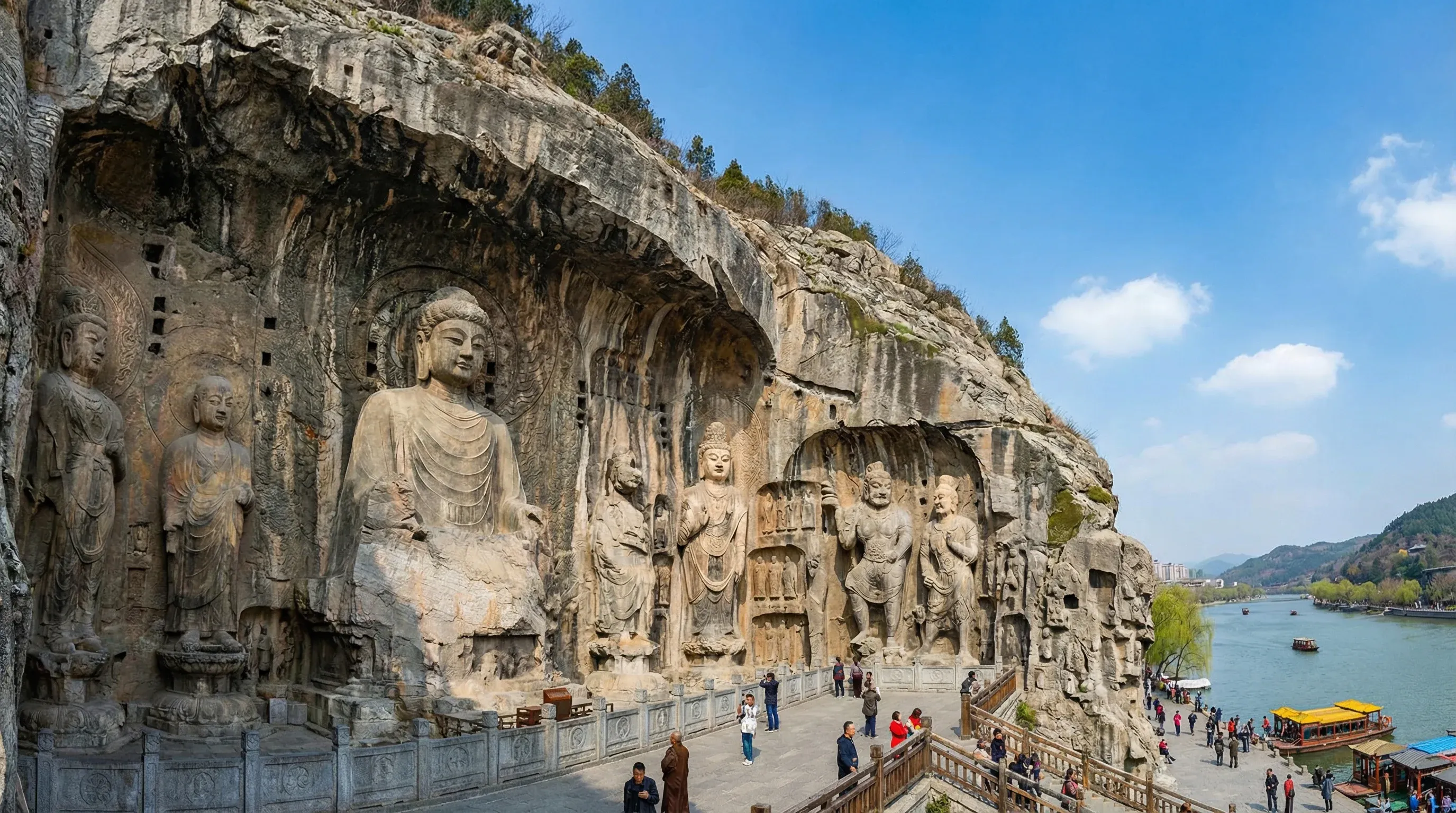

Central China & Yellow River Heartland
The ancient cradle of kung fu and legends 🥋🐉
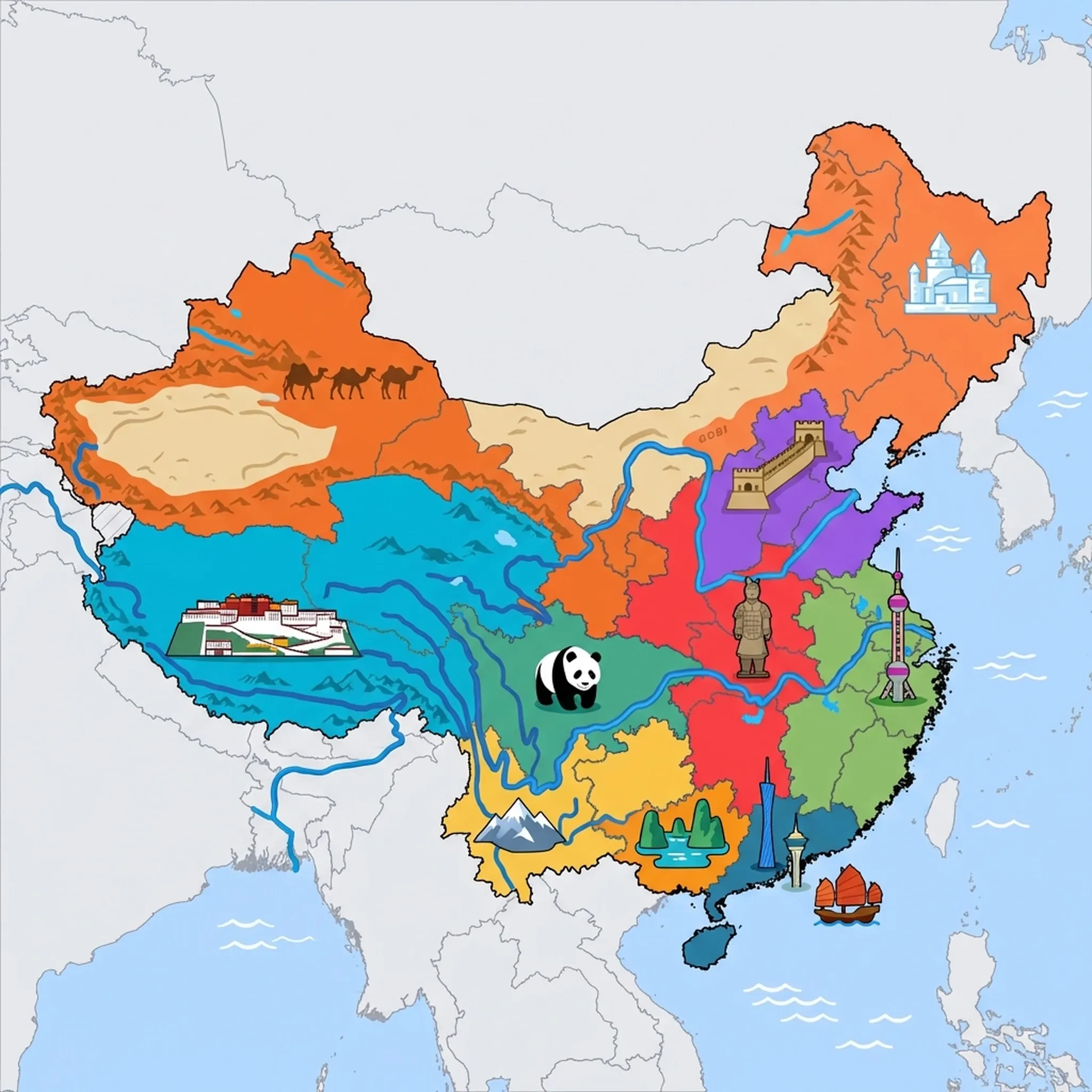
Click a region to explore
Overview
Central China, encompassing the Yellow River heartland, is often called the cradle of Chinese civilization. This region is a powerhouse of history and culture, where dynasties rose and fell long before the modern era. For families, the immediate draw is often the connection to Kung Fu culture, popularized globally by movies but rooted deeply here in the Songshan mountains. The landscape is varied, featuring the flat, agricultural plains of Henan which give way to dramatic mountain ranges and the mighty flow of the Yangtze River in Hubei. It feels authentic and less westernized than the coast, offering a deep dive into 'real' China.
This region is ideal for active families. Whether it's hiking the misty peaks where martial arts were born or exploring ancient capitals like Luoyang, there is a sense of adventure here. The climate is continental, with hot, humid summers and cold, dry winters. Wuhan, a major transport hub, offers a mix of river culture and modern development, while the surrounding countryside holds UNESCO-listed geological parks that look like traditional ink paintings come to life.
Key Attractions
The absolute highlight for many children is the Shaolin Temple. Located at the base of Mount Song (Songshan), it offers thrilling Kung Fu performances that will inspire kids to practice their moves. Nearby, the Yin Xu ruins provide a fascinating look into the Shang Dynasty for history buffs. Nature lovers should head to Yuntai Mountain, known for its red rock gorges and cascading waterfalls that are accessible via well-maintained paths.
Further south in Wuhan, the historic Yellow Crane Tower offers panoramic views over the Yangtze River and serves as a lesson in classical Chinese poetry. For a day of pure fun, Happy Valley Wuhan is a major theme park with rides suitable for all ages, offering a break from historical sightseeing.
Practical Advice
Spring (April–May) and Autumn (September–October) are the most comfortable times to visit. Summers in Wuhan are notoriously hot, earning it the nickname "one of the Four Furnaces." High-speed trains make travel between Zhengzhou and Wuhan effortless (approx. 2 hours).
Food & Drink
Typical meal times: Lunch 12:00 pm to 1:30 pm, dinner 6:00 pm to 8:30 pm. Street food stalls often operate late into the night.
Typical meal costs: Very affordable. A family meal costs ¥150–300 (approx. $20–40 USD / €19–38 EUR). Street snacks are under ¥10.
Dietary requirements: Noodle dishes are staples. Vegetarianism is understood near Buddhist sites like Shaolin, but elsewhere, check for pork bone broth in vegetable soups.
Signature dishes:
- Hot Dry Noodles (Reganmian) – Wuhan's famous breakfast dish of alkaline noodles coated in rich sesame paste, soy sauce, and pickled vegetables.
- Henan Stewed Noodles (Huimeian) – Broad, hand-pulled noodles served in a nourishing lamb or beef broth with kelp and tofu threads.
- Soup Dumplings (Kaifeng Xiaolongbao) – Delicate dumplings filled with meat and hot savory soup, a specialty of Kaifeng.
Why this score?
The region offers moderate adventure through the vertical terrain of Mount Song and the rugged Taihang Mountains, including the famous Guoliang Tunnel. While these areas are physically demanding, they are heavily managed for domestic crowds with paved stairs and cable cars. It provides a good balance of 'soft adventure' for families without requiring extreme wilderness skills.
Why this score?
Major provincial capitals like Wuhan and Zhengzhou possess large, modern university hospitals with advanced technology. However, finding English-speaking staff can be challenging outside of the most senior doctors, and international clinics are rare. Emergency services are reliable in cities but become basic and difficult to navigate for foreigners in rural mountain areas.
Why this score?
Despite housing the world-famous Shaolin Temple and Longmen Grottoes, this region remains primarily a domestic tourism hub with a low percentage of international visitors compared to the coast. Most foreigners visit as part of brief, organized day trips rather than staying for extended periods. Infrastructure for independent English-speaking travelers is significantly less developed than in Beijing or Shanghai.

Central China is significantly cheaper than Beijing or Shanghai. A 4-star family hotel often costs just ¥350–600 (approx. $48–85 USD / €45–75 EUR). Dining is incredibly good value, with hearty local noodle bowls costing as little as ¥15–25 (approx. $2–3.50 USD / €1.80–3 EUR). Entry tickets to major scenic areas like Shaolin are the main expense, costing around ¥80–120 per person.

Getting Here & Around
Getting Here
- Airports – Zhengzhou Xinzheng (CGO) and Wuhan Tianhe (WUH) are the primary international gateways.
- Train – Zhengzhou is a massive railway heart; high-speed trains reach it from Beijing in just 2.5 hours and from Xi'an in 2 hours.
- Driving – Not recommended for intercity travel due to excellent rail links, but private drivers can be hired for day trips to mountains.
Getting Around
- Train – The high-speed rail network is the best way to move between major cities like Zhengzhou, Luoyang, and Wuhan.
- Bus – Tourist buses are often required to reach mountain sites like Mount Song from the city centers.
- Public Transport – Wuhan has an extensive metro system that is easy to navigate for families.
Nearby Airports (27 airports)
Fuqiang Airport
AKAAnkang
Changde Airport
CGDChangde
Zhengzhou Xinzheng International Airport
CGOZhengzhou
Changsha Huanghua Airport
CSXChangsha
Xiangxi Biancheng Airport
DXJBiancheng
Dayong Airport
DYGDayong
Ezhou Huahu Airport
EHUEzhou
Enshi Airport
ENHEnshi
Nanniwan Airport
ENYYan'an
Beihu Airport
HCZChenzhou
Zhijiang Airport
HJJHuaihua
Hengyang Nanyue Airport
HNYHengyang
Hong Qiqu Airport
HQQAn Yang
Hanzhong Airport
HZGHanzhong
Lingling Airport
LLFYongzhou
Luoyang Airport
LYALuoyang
Nanyang Airport
NNYNanyang
Shashi Airport
SHSShashi
Yulin
UYNYulin
Shiyan Wudangshan Airport
WDSShiyan
Wugang Airport
WGNShaoyang
Wuhan Tianhe International Airport
WUHWuhan
Minggang Airport
XAIXinyang
Xiangfan Airport
XFNXiangyang
Xi'an Xianyang International Airport
XIYXian
Yichang Airport
YIHYichang
Sanhe Airport
YYAYueyang
View full flight map for China →
Official Links

Packing List
Summers in Wuhan and the river valley are intensely hot and humid
River proximity means mosquitoes are common from spring through autumn
Useful for the many stairs at Mount Song and Yuntai Mountain
Many scenic spots offer half-price tickets for students under 24
Most public restrooms do not provide paper; carry your own packs at all times.
Soap is frequently missing from public washrooms, even in malls.
Western-style deodorant is rare in local convenience stores; bring your preferred brand.
You will use your phone for everything (maps, translation, payment), draining battery fast.
Familiar brands like Calpol or Tylenol are hard to find; bring your own supply.

Activities & Best Times

Hiking, wildlife, outdoor exploration, ecotourism
Home to the UNESCO-listed Wudang Mountains and the high-altitude wilderness of Shennongjia, providing premier biodiversity and dramatic hiking. Peak seasons in spring and autumn offer optimal visibility and mild temperatures for exploring sacred peaks and canyons.

Urban tourism, museums, historical sites, architecture
The cradle of Chinese civilization, featuring the ancient capitals of Luoyang and Kaifeng alongside the world-class collections of the Hubei Provincial Museum. Best experienced in transitional seasons to avoid the intense humidity of the summer 'furnace' cities and the damp winter cold.

Sport tourism, fitness activities, active recreation
Features significant mountain-based infrastructure including glass walkways and pilgrimage trails at Enshi Grand Canyon and Mount Songshan. These facilities are best utilized during the stable weather of spring and autumn, as summer rains and winter ice can cause site closures.

Scenic drives, countryside tours, route-based travel
Boasts engineering marvels like the Guoliang Tunnel and scenic forest highways through the Shennongjia Forestry District. Driving conditions are optimal in late spring and autumn, while summer monsoons and winter icing of mountain passes present safety challenges.

Winter sports, ski resorts, snow activities
Features legitimate regional ski hubs like Shennongjia and Funiu Mountain, offering winter sports infrastructure rare for this latitude in China. The season is strictly limited to mid-winter for reliable snow cover and resort operations.

Amusement parks, family entertainment venues
Wuhan and Zhengzhou host major domestic-branded parks like Happy Valley and Fantawild Adventure that provide significant entertainment for families. Peak visitation coincides with pleasant outdoor temperatures, while the extreme summer heat and cold winters make for a less comfortable experience.

Beach resorts, marine activities: diving, snorkelling, kite surfing, wind surfing, sailing
Features man-made lake beaches like East Lake in Wuhan, providing a freshwater alternative for swimming in the landlocked heartland. While not an international-standard seaside destination, it offers family recreation specifically during the peak summer heat.

Events, celebrations, seasonal attractions
Host to the world-renowned Luoyang Peony Culture Festival and the Shaolin Martial Arts Festival, which are major draws for international cultural enthusiasts. These events are highly time-specific, making April and October the only peak periods to visit for these unique experiences.

Attractions (26 total)



Public Holidays & Calendar Next 12 months
Public holidays, festivals, cultural celebrations, and seasonal natural phenomena coming up in Central China & Yellow River Heartland over the next 12 months.
Loading holidays and events...

Travel Advisory
All major agencies recommend exercising a high degree of caution. This is primarily driven by the risk of arbitrary law enforcement, potential exit bans, and heightened security measures in specific autonomous regions.
Safety Topics
Traveller Advice (4 groups)

While not illegal, there are no legal protections against discrimination. Public displays of affection are generally discouraged as they may draw unwanted attention or social stigma in more conservative areas.

All foreign visitors must register their place of residence with the local Public Security Bureau within 24 hours of arrival. Always carry your passport, as police frequently conduct random identification checks.

China is generally considered safe for women travelling alone, but standard personal security precautions should be taken, particularly when using late-night transport or in crowded tourist areas.

Media professionals face a high risk of surveillance, harassment, and potential detention. Reporting on sensitive political topics or visiting restricted areas like Xinjiang can lead to immediate intervention by security forces.
Agency Summaries
Travellers should remain vigilant due to the unpredictable application of local regulations. Heightened risks exist for those with familial or ethnic connections to sensitive regions like Xinjiang, where arbitrary detention and surveillance are more prevalent. Dual nationality is not legally recognized, which can severely limit access to consular assistance.
The State Department advises increased vigilance in Mainland China because of the arbitrary enforcement of domestic laws, which includes the use of exit bans. These bans may be applied to foreign nationals involved in business or civil disputes, often without a clear legal process or notification.
While most visits are trouble-free, there is a risk of arbitrary detention under broadly defined national security laws. Foreigners may face increased scrutiny, particularly when visiting minority-heavy areas or if they have backgrounds in government, NGOs, or media. Visa-free entry for short stays is currently available for British citizens through 2026.
Safety and security concerns are higher than in New Zealand, particularly regarding local law enforcement and surveillance. Identification must be carried at all times, and tourists are often targeted by elaborate tea house or massage scams involving exorbitant bills and threats.
Irish citizens are advised to be cautious due to the potential for exit bans and arbitrary detention. Entry procedures may include medical screenings or temperature checks. It is vital to comply with all visa regulations and stay mindful of the specific periods of stay allowed by local authorities.
Authorities have previously detained foreign citizens on vague grounds of endangering national security. The security situation in Tibet and Xinjiang is particularly tense, with significant police presence and movement restrictions. Travellers should also be aware of sophisticated phone scams targeting foreign residents.
Information is provided for general guidance only and does not constitute travel, safety, medical, or legal advice. Conditions may change. Users are responsible for independently verifying information before travel.