
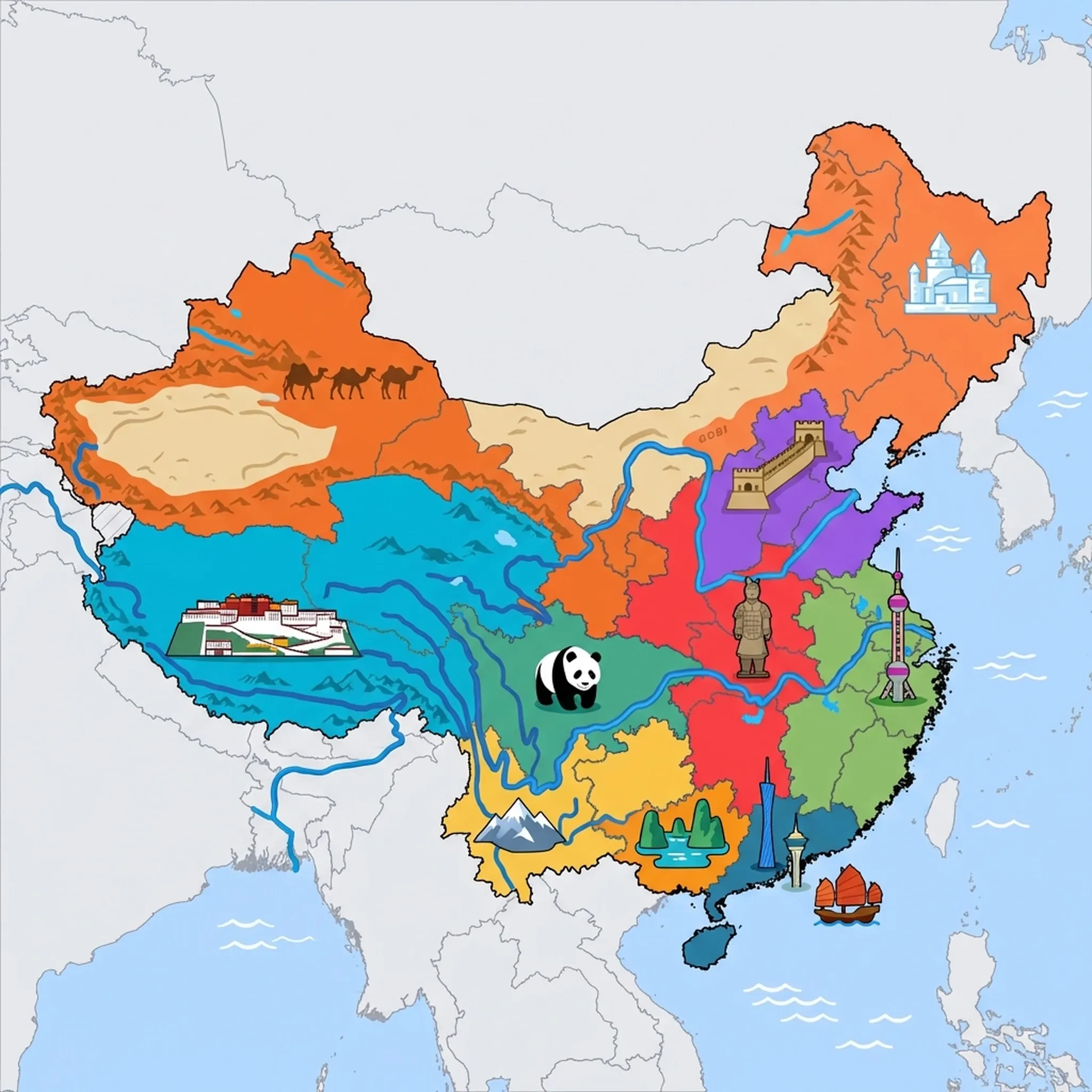
Click a region to explore
Overview
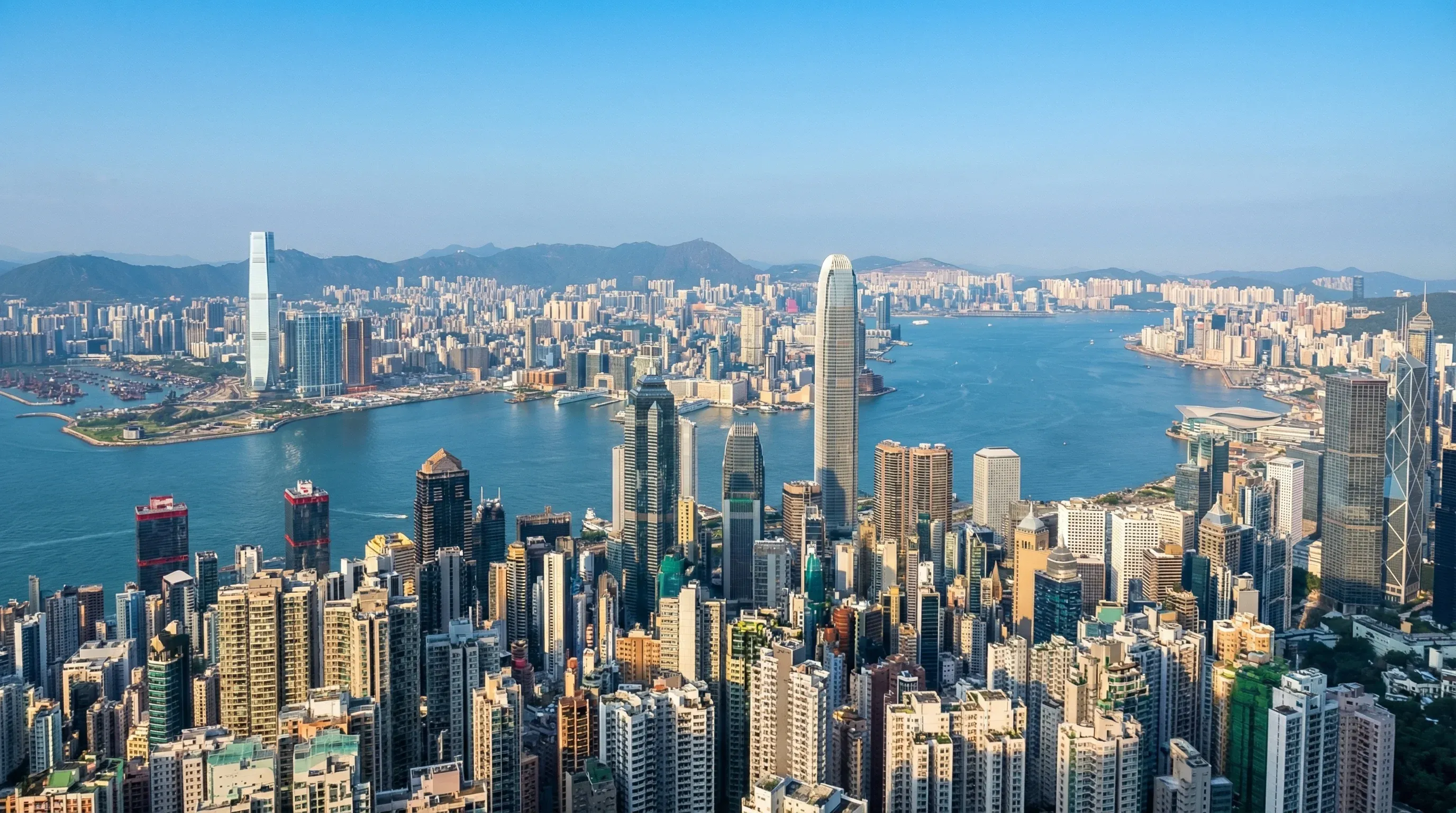
Hong Kong is one of the easiest and most exciting cities in Asia for families. It is a place of dizzying contrasts: double-decker trams trundle past gleaming banking towers, and dense urban jungles give way to uncrowded sandy beaches and hiking trails within 20 minutes. As a Special Administrative Region, it has its own currency, legal system, and internet (no firewall), making it a gentle introduction to China for Western travelers. English is widely spoken, and the infrastructure is world-class.
Families will love the energy here. The city is vertical and three-dimensional, connected by escalators, walkways, and ferries that turn a simple commute into an adventure. The climate is subtropical—hot and humid in summer, but mild and perfect in winter. While famous for shopping and finance, the "real" Hong Kong for kids lies in its parks, islands, and theme parks. It's a safe, efficient, and endlessly stimulating playground where you can eat dim sum for breakfast and be on a rollercoaster or a boat by lunch.
Key Attractions
The crown jewel for families is Hong Kong Disneyland on Lantau Island; it is smaller than its US counterparts, making it manageable and perfect for younger children. For panoramic views, the Avenue of Stars on the Tsim Sha Tsui waterfront offers the classic skyline photo op. Across the harbour, the Hong Kong Science Museum is a hit with its massive energy machine and hands-on exhibits.
Nature is surprisingly accessible. The Hong Kong Wetland Park in the New Territories is a fantastic eco-tourism facility with boardwalks over swamps filled with birds and crabs. For active families, the Hong Kong UNESCO Global Geopark offers boat tours to see dramatic hexagonal volcanic rock columns. Animals lovers should visit the Kadoorie Farm and Botanic Garden, a rescue center and organic farm on the slopes of the highest mountain.
Practical Advice
October to December is the best time to visit—cool, dry, and sunny. Summers (June–September) are sweltering and typhoon-prone. Get an "Octopus Card" immediately upon arrival; it pays for trains, buses, ferries, and convenience store snacks—an absolute essential.
Food & Drink
Typical meal times: Lunch 12:30 pm to 2:30 pm, dinner 7:00 pm to 10:00 pm. Dim Sum is traditionally a morning/lunch affair.
Typical meal costs: Varies wildly. A family meal in a local "Cha Chaan Teng" costs HK$200–300 (approx. $25–38 USD / €23–35 EUR), while hotel buffets run much higher.
Dietary requirements: Excellent. Menus usually have English. Vegetarian and allergy-friendly options are common in malls and expat areas.
Signature dishes:
- Dim Sum – Bite-sized portions of food served in steamer baskets, such as Har Gow (shrimp dumplings) and Siu Mai (pork dumplings).
- Pineapple Bun (Bo Lo Bao) – A soft, sweet bun with a crunchy, sugary topping (contains no pineapple!), often served with a slab of butter.
- Egg Waffles – A street snack of bubble-shaped waffles, crispy on the outside and soft inside, perfect for kids.
Why this score?
While largely urban, Hong Kong offers surprisingly rugged hiking trails and island hopping that provide a break from the skyscrapers. However, these trails are exceptionally well-marked and rarely far from public transport or help, making them very low-risk for families. It is a highly developed environment where nature is an amenity rather than a true wilderness.
Why this score?
Hong Kong's healthcare system is world-class, with a dual public and private system that is highly efficient and almost entirely English-speaking. Private hospitals like Hong Kong Sanatorium or Gleneagles offer luxury-level care with immediate access to specialists. It is a premier destination for medical tourism, ensuring families have the highest level of safety and communication.
Why this score?
Hong Kong is a global mega-destination and a primary hub for international travel, seeing millions of visitors from every continent annually. Its mix of colonial history, world-class dining, and Disneyland makes it one of the most visited cities on the planet. The ease of navigation for English speakers is virtually unmatched in Asia.

Hong Kong is expensive. Space is at a premium, so hotel rooms are small and pricey—expect to pay HK$1,500–2,500 (approx. $190–320 USD / €175–290 EUR) for a family room. However, public transport and local food are very cheap. A tram ride is under HK$3 ($0.40 USD), and a bowl of wonton noodles is HK$40–60 ($5–8 USD).

Getting Here & Around
Getting Here
- Airports – Hong Kong International Airport (HKG) is one of the world's best, with direct trains to the city in 24 minutes.
- Train – The High Speed Rail connects West Kowloon station to mainland China (Shenzhen in 15 mins, Guangzhou in 45 mins).
- Ferry – High-speed ferries connect the airport and city to Macau (1 hour) and mainland ports.
Getting Around
- MTR (Subway) – Fast, clean, cool, and stroller-accessible. It covers almost all major tourist spots including Hong Kong Disneyland.
- Star Ferry – An attraction in itself, crossing the harbour for pennies. Kids love watching the sailors toss the ropes.
- Tram – The "Ding Ding" trams on HK Island are cheap, slow, and offer great views from the top deck.
Nearby Airports (1 airport)
Shenzhen Bao'an International Airport
SZXShenzhen
View full flight map for China →

Packing List
Air conditioning in malls and transport is freezing cold, even in summer
Hong Kong uses UK-style 3-pin plugs, unlike mainland China
Clean water dispensers are widely available in MTR stations and parks
Public beaches and hotel pools are excellent and often overlooked
Most public restrooms do not provide paper; carry your own packs at all times.
Soap is frequently missing from public washrooms, even in malls.
Western-style deodorant is rare in local convenience stores; bring your preferred brand.
You will use your phone for everything (maps, translation, payment), draining battery fast.
Familiar brands like Calpol or Tylenol are hard to find; bring your own supply.

Activities & Best Times

Hiking, wildlife, outdoor exploration, ecotourism
The region features world-class hiking infrastructure with the MacLehose and Lantau Trails providing dramatic vistas and diverse ecosystems. The dry, cool winter months are optimal for trail exploration, while extreme humidity and heat make summer trekking unsuitable for most families.

Urban tourism, museums, historical sites, architecture
Hong Kong is a premier global hub for culture and gastronomy, featuring iconic sites like Victoria Peak and the historic Tai Kwun complex. Autumn and early winter provide the most comfortable climate for exploring the city's dense urban fabric and street markets.

Sport tourism, fitness activities, active recreation
Excellent infrastructure for organized sports, including championship-standard hiking routes and advanced water parks, caters to active families. The temperate months provide the necessary conditions for physical exertion, avoiding the peak heat of the tropical summer.

Beach resorts, marine activities: diving, snorkelling, kite surfing, wind surfing, sailing
Well-maintained urban beaches like Repulse Bay and Stanley offer high-quality facilities and easy accessibility for families. Peak season occurs when sea temperatures are warm enough for swimming, though visitors must monitor the summer typhoon alerts.

Learning experiences, scientific sites, historical education
Specialized facilities like the Hong Kong Science Museum and Space Museum offer internationally significant learning environments for children. As these are primarily indoor activities, they are viable year-round, peaking during domestic and international school holiday periods.

Events, celebrations, seasonal attractions
Hong Kong's Chinese New Year celebrations, Dragon Boat Festival, and Mid-Autumn Festival are internationally recognized cultural events that draw significant tourism. These are authentic, high-quality cultural experiences that exceed 'marginal' threshold. The region's festivals are well-organized, accessible, and culturally significant enough to warrant 'good' rating.

Scenic drives, countryside tours, route-based travel
Scenic routes such as the Island South Coastal Route offer unique perspectives of the territory's rugged coastline and lush mountains. These drives are best experienced in the dry season when visibility is highest and the risk of heavy tropical downpours is minimal.

Amusement parks, family entertainment venues
With world-class venues like Hong Kong Disneyland and Ocean Park, the region is a top-tier family destination. Peak visitation aligns with school holidays and more temperate weather to avoid the discomfort of long outdoor queues during the sweltering summer months.

Attractions (30 total)



Public Holidays & Calendar Next 12 months
Public holidays, festivals, cultural celebrations, and seasonal natural phenomena coming up in Hong Kong SAR over the next 12 months.
Loading holidays and events...

Travel Advisory
All major agencies recommend exercising a high degree of caution. This is primarily driven by the risk of arbitrary law enforcement, potential exit bans, and heightened security measures in specific autonomous regions.
Safety Topics
Traveller Advice (4 groups)

While not illegal, there are no legal protections against discrimination. Public displays of affection are generally discouraged as they may draw unwanted attention or social stigma in more conservative areas.

All foreign visitors must register their place of residence with the local Public Security Bureau within 24 hours of arrival. Always carry your passport, as police frequently conduct random identification checks.

China is generally considered safe for women travelling alone, but standard personal security precautions should be taken, particularly when using late-night transport or in crowded tourist areas.

Media professionals face a high risk of surveillance, harassment, and potential detention. Reporting on sensitive political topics or visiting restricted areas like Xinjiang can lead to immediate intervention by security forces.
Agency Summaries
Travellers should remain vigilant due to the unpredictable application of local regulations. Heightened risks exist for those with familial or ethnic connections to sensitive regions like Xinjiang, where arbitrary detention and surveillance are more prevalent. Dual nationality is not legally recognized, which can severely limit access to consular assistance.
The State Department advises increased vigilance in Mainland China because of the arbitrary enforcement of domestic laws, which includes the use of exit bans. These bans may be applied to foreign nationals involved in business or civil disputes, often without a clear legal process or notification.
While most visits are trouble-free, there is a risk of arbitrary detention under broadly defined national security laws. Foreigners may face increased scrutiny, particularly when visiting minority-heavy areas or if they have backgrounds in government, NGOs, or media. Visa-free entry for short stays is currently available for British citizens through 2026.
Safety and security concerns are higher than in New Zealand, particularly regarding local law enforcement and surveillance. Identification must be carried at all times, and tourists are often targeted by elaborate tea house or massage scams involving exorbitant bills and threats.
Irish citizens are advised to be cautious due to the potential for exit bans and arbitrary detention. Entry procedures may include medical screenings or temperature checks. It is vital to comply with all visa regulations and stay mindful of the specific periods of stay allowed by local authorities.
Authorities have previously detained foreign citizens on vague grounds of endangering national security. The security situation in Tibet and Xinjiang is particularly tense, with significant police presence and movement restrictions. Travellers should also be aware of sophisticated phone scams targeting foreign residents.
Information is provided for general guidance only and does not constitute travel, safety, medical, or legal advice. Conditions may change. Users are responsible for independently verifying information before travel.