
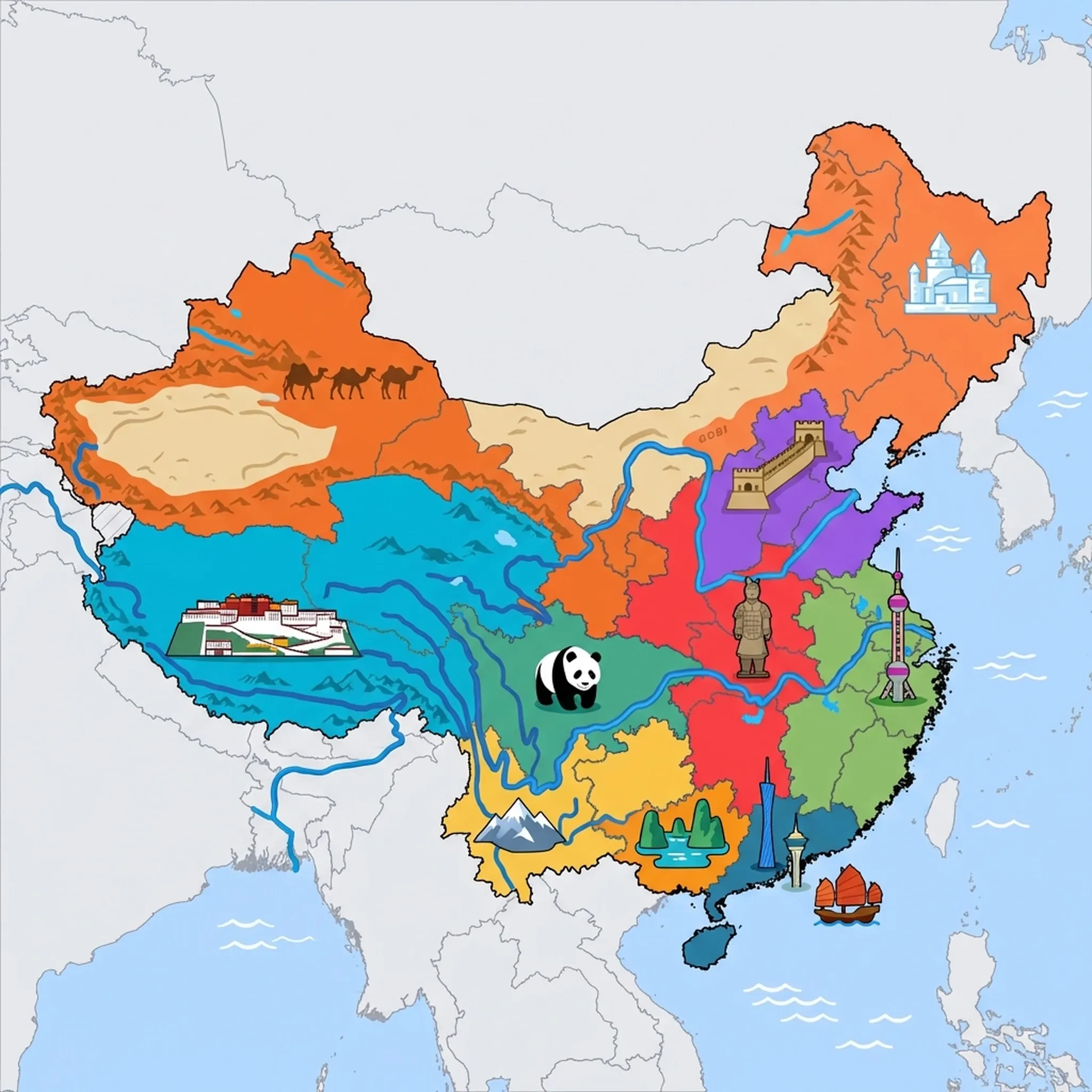
Click a region to explore
Overview
Macau is often overshadowed by its neighbor Hong Kong, but for families, it is a hidden gem with a distinct personality. As a former Portuguese colony returned to China in 1999, it is the only place in China where you can eat authentic egg tarts on a Mediterranean-style plaza paved with wave-patterned stones. While the Cotai Strip is famous for massive casinos, these integrated resorts are increasingly targeting families with spectacular pools, kid's clubs, and entertainment shows that rival Vegas.
Beyond the glitz, Macau feels small, manageable, and rich in history. The "Historic Centre of Macau" is a UNESCO World Heritage site that is compact and walkable. The southern island of Coloane acts as the city's "green lung," offering beaches, hiking trails, and a sleepy village vibe. For families, Macau offers a relaxed pace, excellent food that blends European and Asian flavors, and attractions that are often less crowded than in Hong Kong.
Key Attractions
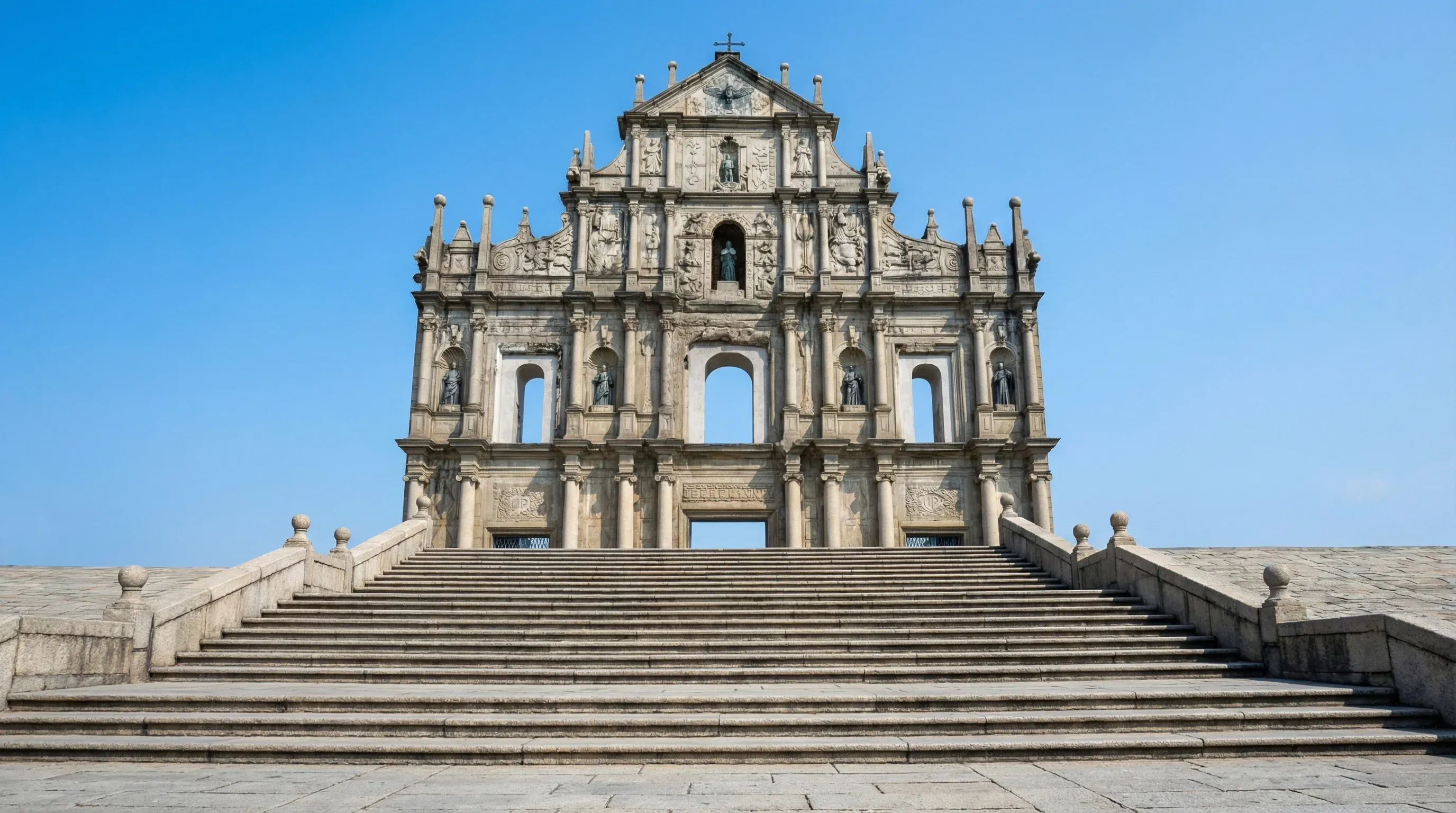
The Ruins of St. Paul's are the city's icon—a 17th-century church facade that stands dramatically at the top of stone steps; it's a great photo spot, though crowded. Just nearby, the Guia Fortress offers a lighthouse and cable car ride with views over the city. For educational fun, the Macao Science Center, designed by I.M. Pei, has a distinctive cone shape and is packed with interactive exhibits for children.
Animal lovers should head to Seac Pai Van Park in Coloane to see the giant pandas in a facility that is often quieter and more intimate than bigger zoos. Adventure seekers can walk the Coloane Trail or visit the Macau Grand Prix museum to see race cars. The Senado Square is the heart of the Portuguese area, perfect for a family stroll and an ice cream.
Practical Advice
Macau is tiny and can be seen in 2-3 days. Weekends are expensive as Hong Kong residents visit; try to visit mid-week. The currency is the Pataca (MOP), but Hong Kong Dollars (HKD) are accepted everywhere at a 1:1 rate.
Food & Drink
Typical meal times: Lunch 12:30 pm to 2:30 pm, dinner 7:00 pm to 9:30 pm.
Typical meal costs: Mid-range. A Macanese meal for a family costs MOP 300–500 (approx. $37–62 USD / €35–58 EUR).
Dietary requirements: Good. Macanese cuisine naturally includes many non-spicy, potato and meat dishes familiar to Western palates.
Signature dishes:
- Portuguese Egg Tart – The absolute must-try; a flaky pastry shell filled with caramelized egg custard, best eaten warm.
- Pork Chop Bun – A simple, delicious snack: a fried pork chop inside a crispy baguette, with no sauce or salad needed.
- Minchi – A comfort food dish of minced beef or pork stir-fried with potatoes, onions, and spices, usually topped with a fried egg.
Why this score?
Macau is almost entirely urbanized with very limited natural terrain, making it one of the least adventurous regions for families seeking the outdoors. Activities are centered around casinos, museums, and shopping malls rather than rugged exploration. The few beaches and walking trails on Coloane are highly developed and easily accessible.
Why this score?
Macau provides high-quality healthcare with modern facilities like the Conde S. Januário Hospital. While excellent for general care and emergencies, complex cases are often transferred to nearby Hong Kong for specialized treatment. Most medical staff in the private sector and major hospitals speak English, providing a safe environment for foreign visitors.
Why this score?
As the world's largest gambling hub with a unique UNESCO-listed Portuguese heritage, Macau draws massive international and regional crowds. It is a top-tier destination for leisure travelers, particularly from within Asia and Europe, who come for the luxury integrated resorts. Its small size ensures that tourist density is among the highest in the world.

Accommodation is the main cost, with luxury resorts on the Cotai Strip charging MOP 1,200–2,500 (approx. $150–310 USD / €140–290 EUR) per night. However, food and transport are reasonable. Museums like the <a data-attraction-id="38157">Macao Science Center</a> have low entry fees (approx. MOP 25 / $3 USD). Avoid betting tables to keep the trip budget-friendly!

Getting Here & Around
Getting Here
- Ferry – The TurboJET and Cotai Water Jet ferries run frequently from Hong Kong (1 hour).
- Bus – The massive Hong Kong–Zhuhai–Macau Bridge allows bus travel from Hong Kong in about 40 minutes.
- Airports – Macau International Airport (MFM) serves regional flights.
Getting Around
- Free Shuttle Buses – Casino resorts run free shuttles connecting the ferry terminals, airport, and major hotels. You can use them even if not staying there.
- Light Rail (LRT) – Connects the airport, ferry terminal, and major Cotai resorts.
- Walking – The historic peninsula is best explored on foot, though be prepared for some hills around Guia Fortress.
Nearby Airports (1 airport)
Zhuhai Airport
ZUHZhuhai
View full flight map for China →
Official Links

Packing List
The historic center has traditional Portuguese 'calçada' cobbled pavements which are uneven
Taking photos and navigating uses battery; finding outlets in old streets is hard
Some hotel restaurants and shows enforce a dress code (no flip flops)
Required for hotel check-ins and if hopping between Macau, HK, and Zhuhai
Most public restrooms do not provide paper; carry your own packs at all times.
Soap is frequently missing from public washrooms, even in malls.
Western-style deodorant is rare in local convenience stores; bring your preferred brand.
You will use your phone for everything (maps, translation, payment), draining battery fast.
Familiar brands like Calpol or Tylenol are hard to find; bring your own supply.

Activities & Best Times

Urban tourism, museums, historical sites, architecture
A UNESCO World Heritage destination blending Portuguese colonial architecture with Cantonese heritage and world-class gastronomy. The dry, cool months of autumn and early winter offer ideal walking conditions for exploring the historic center.

Hiking, wildlife, outdoor exploration, ecotourism
Offers high-octane urban adventure with Skypark and ZipCity alongside well-maintained nature parks in Coloane. Summer months are designated off-peak due to extreme humidity and the high frequency of typhoons and heavy rain.

Sport tourism, fitness activities, active recreation
Home to the world-famous Guia Circuit and the highest commercial bungy jump at Macau Tower. Peak season aligns with the Macau Grand Prix in November and the cooler months suitable for hiking the Coloane trails.

Learning experiences, scientific sites, historical education
The I.M. Pei-designed Macao Science Center and various maritime museums provide world-class indoor learning environments. These facilities remain accessible year-round, though the overall travel experience is best during the cooler autumn months.

Beach resorts, marine activities: diving, snorkelling, kite surfing, wind surfing, sailing
Hac Sa and Cheoc Van provide coastal escapes, though water quality and sand color are less competitive globally. Best visited in the post-monsoon window when the weather is warm but the typhoon risk has subsided.

Events, celebrations, seasonal attractions
Features major international events like the Grand Prix and the Fireworks Display Contest. Peak timing is strictly tied to these specific event calendars in the late autumn.

Scenic drives, countryside tours, route-based travel
While the territory is small, the drive through the Cotai Strip and the scenic coastal roads of Coloane offer high-quality infrastructure and views. Clearer skies in autumn provide the best visibility for these short scenic routes.

Amusement parks, family entertainment venues
Anchored by Studio City Water Park, which is a significant regional draw for families. Peak season is during the hot summer months when water activities are most appealing, despite the rain.

Attractions (18 total)



Public Holidays & Calendar Next 12 months
Public holidays, festivals, cultural celebrations, and seasonal natural phenomena coming up in Macau SAR over the next 12 months.
Loading holidays and events...

Travel Advisory
All major agencies recommend exercising a high degree of caution. This is primarily driven by the risk of arbitrary law enforcement, potential exit bans, and heightened security measures in specific autonomous regions.
Safety Topics
Traveller Advice (4 groups)

While not illegal, there are no legal protections against discrimination. Public displays of affection are generally discouraged as they may draw unwanted attention or social stigma in more conservative areas.

All foreign visitors must register their place of residence with the local Public Security Bureau within 24 hours of arrival. Always carry your passport, as police frequently conduct random identification checks.

China is generally considered safe for women travelling alone, but standard personal security precautions should be taken, particularly when using late-night transport or in crowded tourist areas.

Media professionals face a high risk of surveillance, harassment, and potential detention. Reporting on sensitive political topics or visiting restricted areas like Xinjiang can lead to immediate intervention by security forces.
Agency Summaries
Travellers should remain vigilant due to the unpredictable application of local regulations. Heightened risks exist for those with familial or ethnic connections to sensitive regions like Xinjiang, where arbitrary detention and surveillance are more prevalent. Dual nationality is not legally recognized, which can severely limit access to consular assistance.
The State Department advises increased vigilance in Mainland China because of the arbitrary enforcement of domestic laws, which includes the use of exit bans. These bans may be applied to foreign nationals involved in business or civil disputes, often without a clear legal process or notification.
While most visits are trouble-free, there is a risk of arbitrary detention under broadly defined national security laws. Foreigners may face increased scrutiny, particularly when visiting minority-heavy areas or if they have backgrounds in government, NGOs, or media. Visa-free entry for short stays is currently available for British citizens through 2026.
Safety and security concerns are higher than in New Zealand, particularly regarding local law enforcement and surveillance. Identification must be carried at all times, and tourists are often targeted by elaborate tea house or massage scams involving exorbitant bills and threats.
Irish citizens are advised to be cautious due to the potential for exit bans and arbitrary detention. Entry procedures may include medical screenings or temperature checks. It is vital to comply with all visa regulations and stay mindful of the specific periods of stay allowed by local authorities.
Authorities have previously detained foreign citizens on vague grounds of endangering national security. The security situation in Tibet and Xinjiang is particularly tense, with significant police presence and movement restrictions. Travellers should also be aware of sophisticated phone scams targeting foreign residents.
Information is provided for general guidance only and does not constitute travel, safety, medical, or legal advice. Conditions may change. Users are responsible for independently verifying information before travel.