
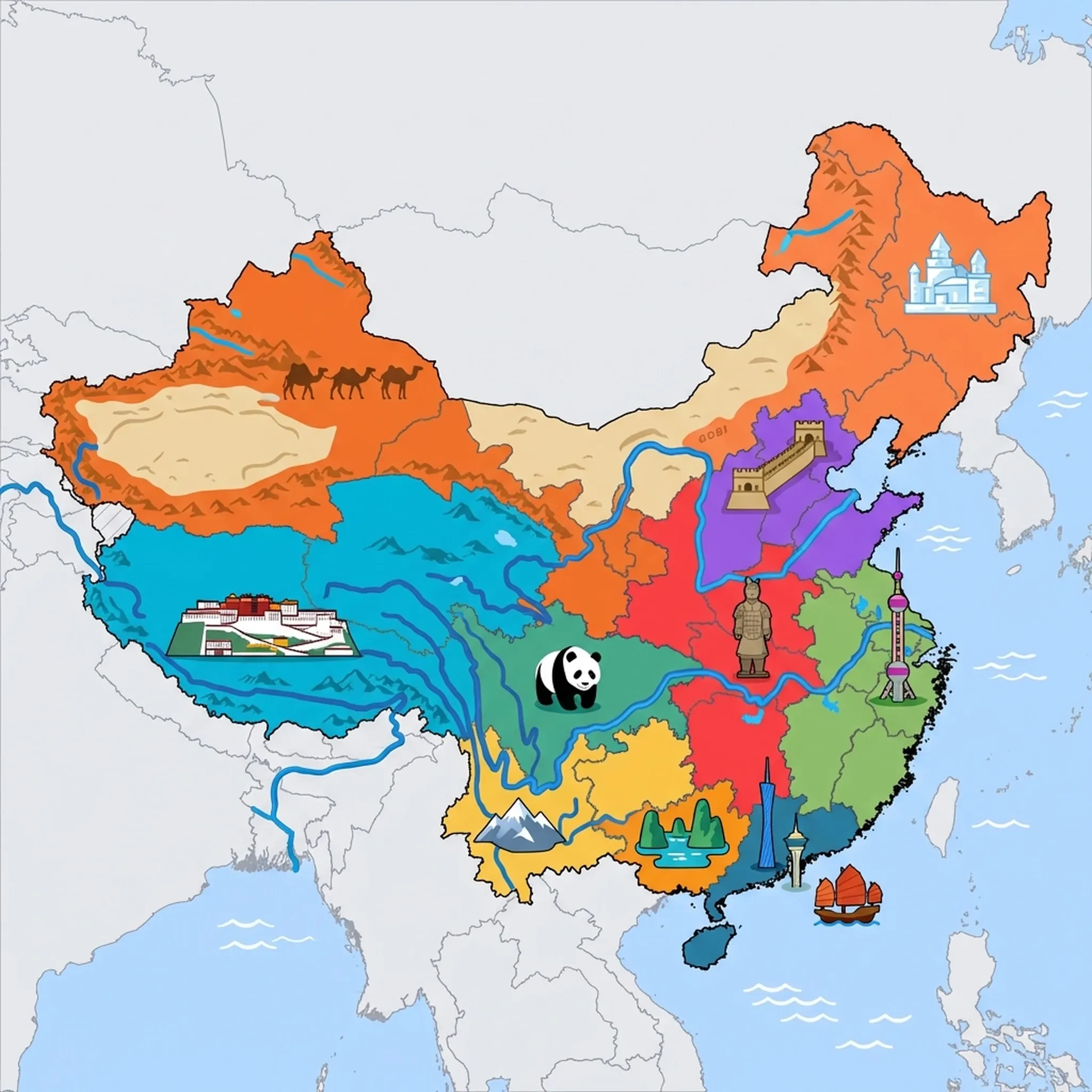
Click a region to explore
Overview
Northeast China, known locally as Dongbei, is a land of extremes and hearty warmth. In winter, it transforms into one of the world's premier cold-weather destinations, rivaling Lapland but at a fraction of the cost. Harbin, the northern hub, is influenced by its proximity to Russia, evident in the onion-domed architecture and the local love for bread and sausage. For families, the main draw is the snow: skiing, sleigh rides, and the world-famous ice festival.
Summers here are surprisingly pleasant and cool (20-25°C), offering a retreat from the heat of central China. The region is rich in forests and volcanic landscapes, such as the Changbai Mountains. The people of Dongbei are famous for their friendliness, humor, and generous portions of food. It's a region that feels robust and adventurous, perfect for families who want to experience a snowy fairy tale or explore the Manchu history that gave rise to China's last dynasty.
Key Attractions
The Harbin International Ice and Snow Sculpture Festival is the undisputed highlight. Every winter, a city of ice is built from blocks cut from the river, illuminated with neon lights—it is a magical playground for kids. Nearby, Harbin Polarland allows close encounters with polar animals. In the city center, the Saint Sophia Cathedral is a beautiful Russian Orthodox church that looks like it belongs in Moscow.
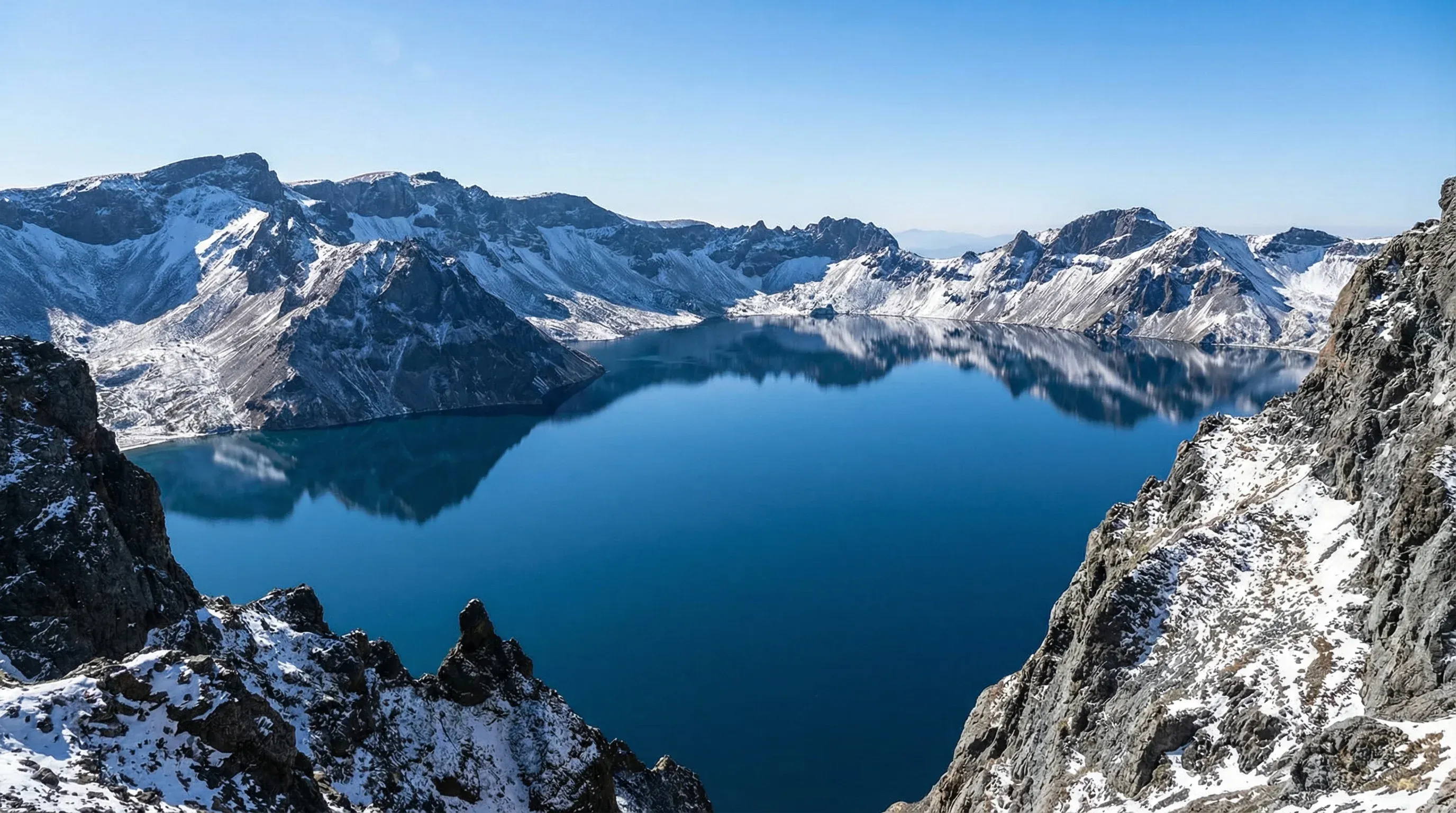
Further south in Shenyang, history comes alive at the Shenyang Imperial Palace, which predates the Forbidden City and offers a more intimate look at imperial life. Nature lovers should visit the Changbai Mountain National Nature Reserve to see the stunning Heaven Lake in the crater of a dormant volcano. For coastal fun, Dalian Discoveryland Theme Park in the seaside city of Dalian offers roller coasters and parades.
Practical Advice
Winter (December–February) is the peak season for ice tourism but requires serious cold-weather gear as temps drop to -30°C. Summer (June–August) is perfect for hiking Changbai Mountain. Book ice festival hotels months in advance.
Food & Drink
Typical meal times: Lunch 11:30 am to 1:30 pm, dinner 5:30 pm to 8:00 pm. Dongbei people eat earlier than southerners.
Typical meal costs: Very low. Huge portions mean a family meal often costs just ¥100–200 (approx. $14–28 USD / €13–25 EUR).
Dietary requirements: Wheat is the staple (bread, dumplings). Meat features heavily, but potato and eggplant dishes are common vegetarian options.
Signature dishes:
- Guo Bao Rou – Sweet and sour pork, double-fried to be incredibly crispy. A hit with children for its crunchy texture and sweet glaze.
- Dumplings (Jiaozi) – The region is famous for them; fillings range from pork and cabbage to pickled vegetables.
- Di San Xian – A vegetarian classic of stir-fried potatoes, eggplant, and peppers in a savory garlic sauce.
Why this score?
The region offers significant adventure due to its extreme climate, with winter temperatures often dropping below -30°C. Exploring the border regions near Russia or the volcanic wilderness of Changbai Mountain requires resilience and preparation. For families, the sheer scale of the landscape and the harsh environment provide a genuine sense of remote exploration.
Why this score?
Cities like Shenyang, Harbin, and Dalian have large, capable hospitals that serve as regional hubs for Northern China. While the quality of medical technology is high, English-speaking services are rare, making navigation difficult for foreign families without a translator. Rural medical care in the border regions is significantly more basic and limited.
Why this score?
This region sees a massive surge of domestic tourists during the Harbin Ice and Snow Festival, but international numbers remain relatively low and highly seasonal. Outside of the winter months, the region is largely ignored by the global tourism market. Language barriers are high, and the infrastructure is geared primarily toward the domestic market.

Northeast China is one of the most affordable regions. Luxury hotels in Harbin can spike during the Ice Festival (¥1,500+ / $210+), but generally, costs are low. A hearty meal often costs less than ¥40 ($6) per person. Entry to the Ice and Snow World is the biggest single expense, costing around ¥330 (approx. $45 USD / €42 EUR) per adult.

Getting Here & Around
Getting Here
- Airports – Harbin Taiping (HRB), Shenyang Taoxian (SHE), and Dalian Zhoushuizi (DLC) are well-connected domestically.
- Train – High-speed rail connects the region to Beijing. Beijing to Shenyang is 2.5 hours; Beijing to Harbin is approx. 5 hours.
Getting Around
- Train – The Harbin-Dalian high-speed line is the world's first alpine high-speed rail, connecting the three main cities efficiently.
- Taxi/Ride-hailing – Essential in Harbin winters when waiting for a bus in the cold is difficult. Fares are cheap.
- Walking – Central Street in Harbin is a pedestrian-only cobbled street perfect for strolling.
Nearby Airports (43 airports)
Anshan Teng'ao Airport
AOGAnshan
Alxa Left Banner Airport
AXFAlxa Left Banner
Baotou Airport
BAVBaotou
Changchun Longjia International Airport
CGQChangchun
Chaoyang Airport
CHGChaoyang
Chifeng Airport
CIFChifeng
Baicheng Chang'an Airport
DBCBaicheng
Dandong
DDGDandong
Dalian Zhoushuizi International Airport
DLCDalian
Daqing Shi Airport
DQADaqing
Dongsheng
DSNDongsheng
Dedu Airport
DTUWudalianchi
Eren Hot Airport
ERLEren Hot
Fuyuan Airport
FYJFuyuan County
Heihe Airport
HEKHeihe
Hohhot Baita International Airport
HETHohhot
Dongshan
HLDHailar
Ulanhot Airport
HLHUlanhot
Taiping Airport
HRBHarbin
Huolinhe Airport
HUOHuolinguole
Jiagedaqi Airport
JGDJiagedaqi District
Jiamusi Airport
JMUJiamusi
Jinzhou Airport
JNZJinzhou
Jiansanjiang Airport
JSJJiansanjiang
Jixi Airport
JXAJixi
Yichun Shi Airport
LDSYichun
Mudanjiang
MDGMudanjiang
Changbaishan Airport
NBSBaishan
Qiqihar Sanjiazi Airport
NDGQiqihar
Manzhouli
NZHManzhouli
Zhalantun Chengjisihan Airport
NZLChengjisihan
Mohe Airport
OHEMohe
Bayannur Tianjitai Airport
RLKBayannur
Shenyang Taoxian International Airport
SHEShenyang
Tongliao Airport
TGOTongliao
Tonghua Sanyuanpu Airport
TNHSanyuanpu
Ulanqab Airport
UCBUlanqab
Wuhai
WUAWu Hai
Xilinhot Airport
XILXilinhot
Arxan Yiershi Airport
YIEArxan
Yingkou Airport
YKHYingkou
Yanji Airport
YNJYanji
ChaGanHu Airport
YSQSongyuan
View full flight map for China →

Packing List
Stick-on heat packs are essential for keeping phones and cameras from dying in -30°C
Streets are icy; sneakers will freeze and slip. You need specialized snow boots
The winter air is extremely dry and windburn happens quickly
Jeans alone are not enough; you need layers against the biting wind
Most public restrooms do not provide paper; carry your own packs at all times.
Soap is frequently missing from public washrooms, even in malls.
Western-style deodorant is rare in local convenience stores; bring your preferred brand.
You will use your phone for everything (maps, translation, payment), draining battery fast.
Familiar brands like Calpol or Tylenol are hard to find; bring your own supply.

Activities & Best Times

Hiking, wildlife, outdoor exploration, ecotourism
Features the dramatic volcanic landscapes of Changbai Mountain and the unique winter immersion of China Snow Town. Summer offers prime trekking conditions, while mid-winter provides a distinctive, world-class snow-scape experience.

Urban tourism, museums, historical sites, architecture
Offers a complex history visible in Shenyang's Manchu palaces and Harbin's Russian-influenced architecture. Peak periods align with summer's mild temperatures and the high-point of the winter ice culture in January.

Sport tourism, fitness activities, active recreation
Provides top-tier infrastructure for alpine skiing at Yabuli and scenic coastal routes for cycling in Dalian. Conditions are best during the stable winter freeze or the pleasant warmth of July and August.

Amusement parks, family entertainment venues
Home to the world-renowned Harbin Ice and Snow World and major parks like Dalian Discoveryland. Seasonal appeal is concentrated in the mid-winter ice festival and the warm summer school holiday window.

Beach resorts, marine activities: diving, snorkelling, kite surfing, wind surfing, sailing
Dalian offers the region's best coastal recreation with unique geological formations and major marine parks. The suitable window for beach activity is brief, limited to the height of summer when water temperatures peak.

Learning experiences, scientific sites, historical education
Features significant science museums and major aquariums that serve as high-quality indoor learning hubs. These facilities are most accessible and vibrant during the peak domestic and international holiday seasons.

Spa retreats, wellness centers, peaceful getaways
Centred around historic thermal springs like Tanggangzi and modern mountain spa resorts. The experience is most authentic and appealing in winter, offering a sharp contrast between snowy landscapes and outdoor hot springs.

Scenic drives, countryside tours, route-based travel
The G331 border highway and Dalian Binhai Road provide spectacular vistas. September and October are optimal for witnessing the unique Red Beach phenomenon and the region's intense autumn foliage.

Winter sports, ski resorts, snow activities
Hosts China's most established ski resorts, including Wanda Changbaishan and Songhua Lake, with modern lifts and reliable sub-zero temperatures. The season is strictly defined by the cold window from late November through March.

Events, celebrations, seasonal attractions
Defined by the Harbin International Ice and Snow Sculpture Festival, a globally unique cultural event. The festival draws international crowds strictly during the mid-winter freeze, usually peaking in January.

Attractions (35 total)



Public Holidays & Calendar Next 12 months
Public holidays, festivals, cultural celebrations, and seasonal natural phenomena coming up in Northeast China over the next 12 months.
Loading holidays and events...

Travel Advisory
All major agencies recommend exercising a high degree of caution. This is primarily driven by the risk of arbitrary law enforcement, potential exit bans, and heightened security measures in specific autonomous regions.
Safety Topics
Traveller Advice (4 groups)

While not illegal, there are no legal protections against discrimination. Public displays of affection are generally discouraged as they may draw unwanted attention or social stigma in more conservative areas.

All foreign visitors must register their place of residence with the local Public Security Bureau within 24 hours of arrival. Always carry your passport, as police frequently conduct random identification checks.

China is generally considered safe for women travelling alone, but standard personal security precautions should be taken, particularly when using late-night transport or in crowded tourist areas.

Media professionals face a high risk of surveillance, harassment, and potential detention. Reporting on sensitive political topics or visiting restricted areas like Xinjiang can lead to immediate intervention by security forces.
Agency Summaries
Travellers should remain vigilant due to the unpredictable application of local regulations. Heightened risks exist for those with familial or ethnic connections to sensitive regions like Xinjiang, where arbitrary detention and surveillance are more prevalent. Dual nationality is not legally recognized, which can severely limit access to consular assistance.
The State Department advises increased vigilance in Mainland China because of the arbitrary enforcement of domestic laws, which includes the use of exit bans. These bans may be applied to foreign nationals involved in business or civil disputes, often without a clear legal process or notification.
While most visits are trouble-free, there is a risk of arbitrary detention under broadly defined national security laws. Foreigners may face increased scrutiny, particularly when visiting minority-heavy areas or if they have backgrounds in government, NGOs, or media. Visa-free entry for short stays is currently available for British citizens through 2026.
Safety and security concerns are higher than in New Zealand, particularly regarding local law enforcement and surveillance. Identification must be carried at all times, and tourists are often targeted by elaborate tea house or massage scams involving exorbitant bills and threats.
Irish citizens are advised to be cautious due to the potential for exit bans and arbitrary detention. Entry procedures may include medical screenings or temperature checks. It is vital to comply with all visa regulations and stay mindful of the specific periods of stay allowed by local authorities.
Authorities have previously detained foreign citizens on vague grounds of endangering national security. The security situation in Tibet and Xinjiang is particularly tense, with significant police presence and movement restrictions. Travellers should also be aware of sophisticated phone scams targeting foreign residents.
Information is provided for general guidance only and does not constitute travel, safety, medical, or legal advice. Conditions may change. Users are responsible for independently verifying information before travel.