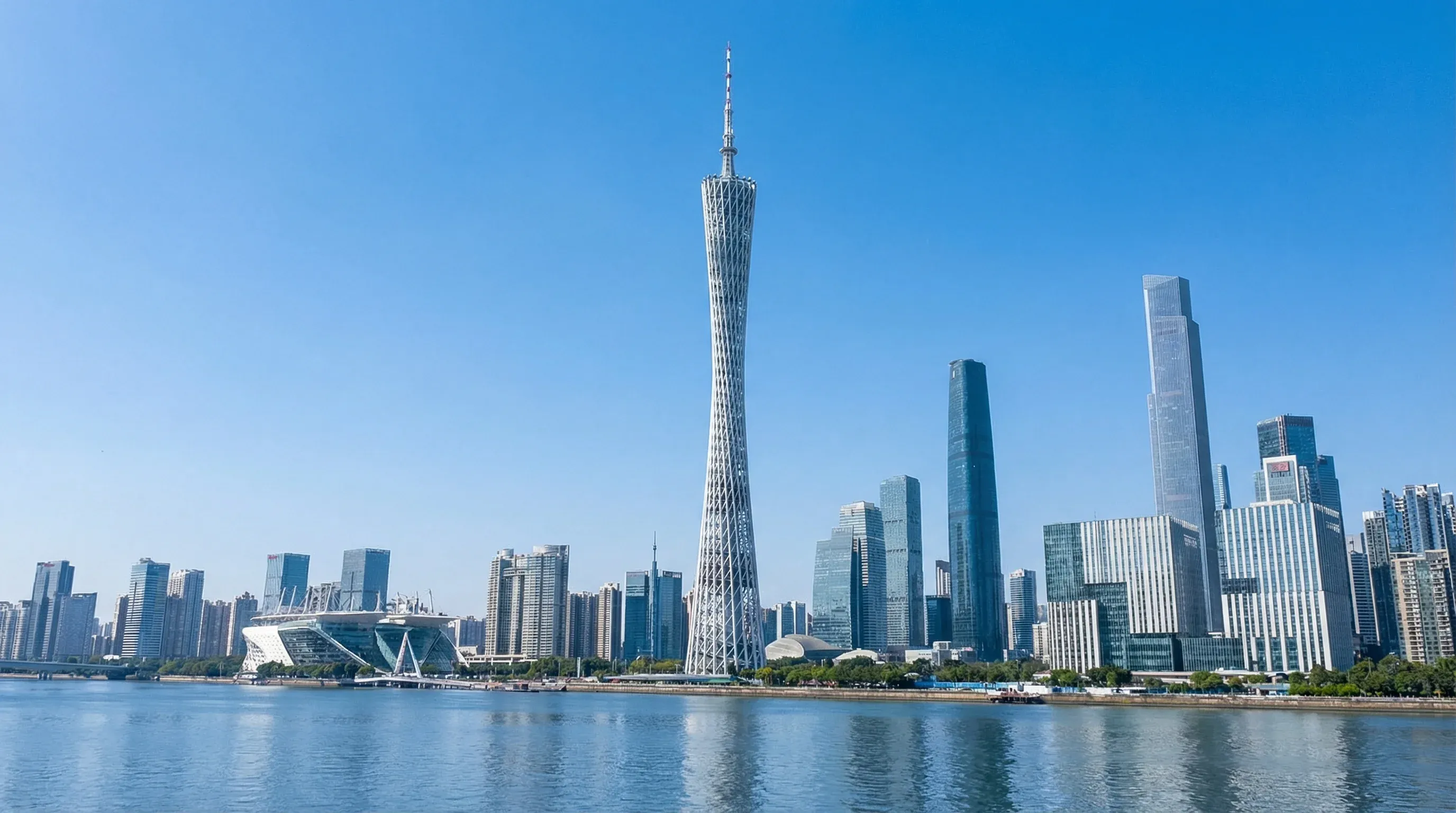

South China & Pearl River Delta
Tropical cities, ancient castles, and dim sum 🥟🌴
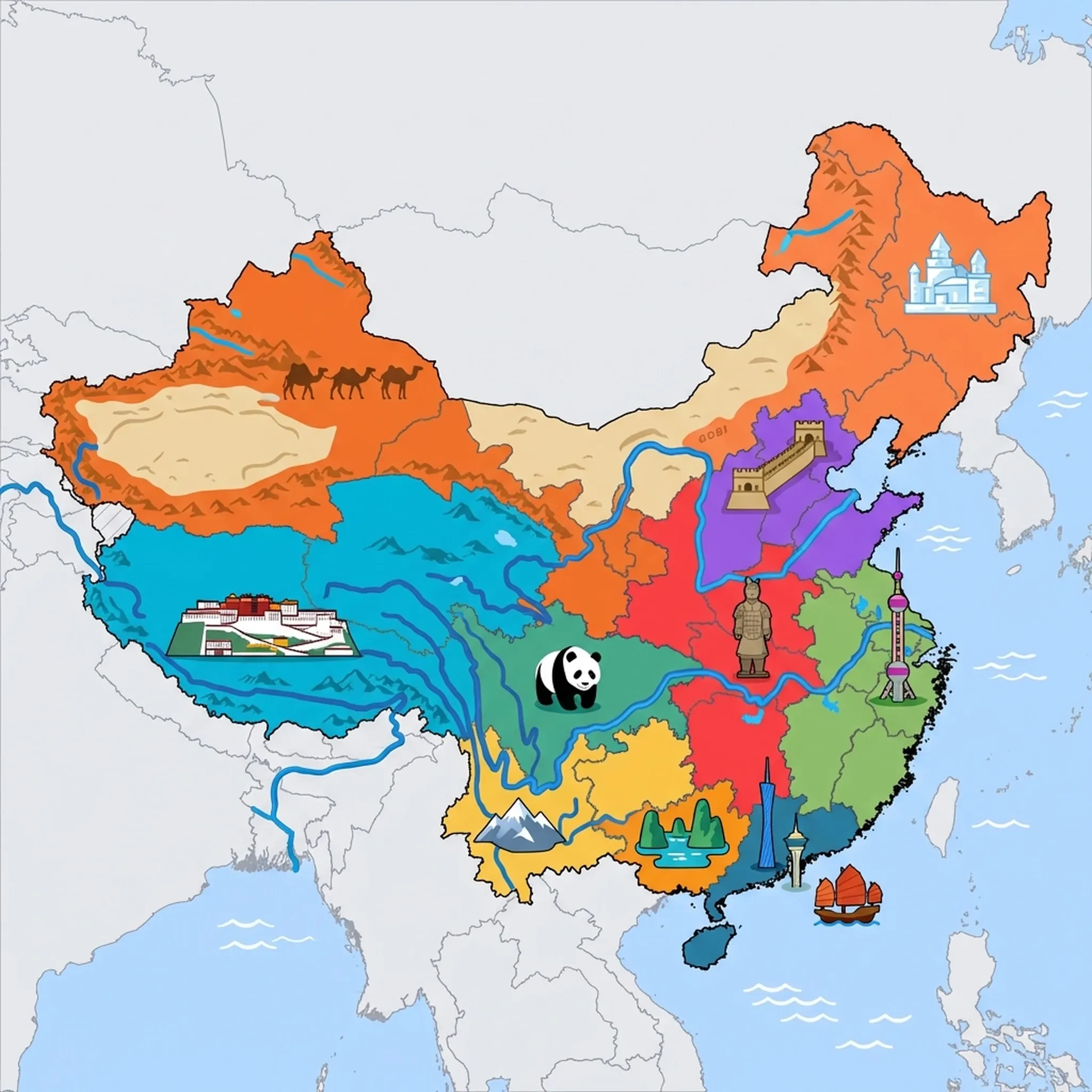
Click a region to explore
Overview
South China is a vibrant, energetic region where traditional culture thrives alongside rapid modernization. It includes the manufacturing heartland of the Pearl River Delta, the historic tea trading ports of Fujian, and the "Hawaii of China," Hainan Island. For families, this region is incredibly developed and easy to navigate. The climate is subtropical to tropical, meaning warm winters and hot, humid summers. It is the birthplace of Cantonese cuisine (Dim Sum), meaning food is a highlight and generally very palatable for children.
Guangzhou and Shenzhen offer world-class theme parks and science centers that rival any in the West. In contrast, rural Fujian offers a step back in time with its unique Tulou architecture—massive communal earthen roundhouses that look like UFOs from above. The region has a distinct, open maritime culture, having been the gateway to the world for centuries.
Key Attractions
The Chimelong Safari Park in Guangzhou is widely considered the best zoo in China, offering a safari on wheels and a triplet panda enclosure. Nearby, the Chimelong Ocean Kingdom in Zhuhai is a massive marine theme park with whale sharks and polar bears. In Guangzhou city, the Canton Tower lights up the night sky and offers a bubble tram ride at the very top.
For a cultural adventure, the Fujian Tulou (Nanjing Cluster) are incredible fortified villages where families can see how clans lived together for centuries. In Xiamen, Gulangyu Island is a pedestrian-only haven of colonial architecture and piano museums, perfect for a relaxed family wander. Science lovers should visit the Guangdong Science Center, the largest of its kind in the world.
Practical Advice
Winter (November–February) is mild and pleasant. Spring can be very wet. Summer is typhoon season. High-speed trains link all major cities, including a direct line to Hong Kong.
Food & Drink
Typical meal times: Lunch 12:00 pm to 2:00 pm, dinner 6:00 pm to 9:00 pm. Late-night supper (Ye Cha) is common.
Typical meal costs: Mid-range. Dim Sum lunch for a family is approx. ¥200–400 (approx. $28–55 USD / €25–50 EUR).
Dietary requirements: Excellent. Cantonese food relies on freshness rather than heavy spice. Steamed dishes are healthy and kid-friendly.
Signature dishes:
- Dim Sum – A morning tradition of small plates: shrimp dumplings (Har Gow), BBQ pork buns (Char Siu Bao), and rice rolls.
- Cantonese Roast Goose – Crispy skin and juicy meat, served with plum sauce.
- Claypot Rice – Rice cooked in a clay pot with cured meats and soy sauce, featuring a crunchy rice crust at the bottom.
Why this score?
The region is dominated by urban sprawl and developed coastal resorts, offering limited opportunities for true rugged adventure. Hainan provides some tropical outdoor activities like surfing and rainforest hiking, but these are largely within the context of high-end resort areas. It is an easy, comfortable region for families with minimal physical hardship.
Why this score?
Guangzhou and Shenzhen offer excellent medical infrastructure, with numerous modern hospitals and a growing number of international clinics. Given the high concentration of expatriates and international business travelers, many facilities are well-equipped to handle foreign patients. Language barriers exist but are much less of an issue here than in central or northern China.
Why this score?
This region is a massive engine for business tourism and regional travel, though Hainan Island attracts international sun-seekers. Guangzhou and Shenzhen are major global cities, but their draw is often more commercial than purely leisure-oriented for non-Asian tourists. It lacks the iconic 'Ancient China' landmarks that drive high-volume Western cultural tourism.

Cities like Shenzhen are expensive, comparable to Shanghai. However, dining (Dim Sum) offers great value for the quality. Hotels range widely; a family suite in a Chimelong resort hotel is pricey (¥1,500+ / $210+), but city hotels are reasonable (¥500–800 / $70–110). Theme park tickets are the major expense here.

Getting Here & Around
Getting Here
- Airports – Guangzhou Baiyun (CAN) and Shenzhen Bao'an (SZX) are massive global hubs. Xiamen (XMN) serves the coast.
- Train – Connected to Hong Kong via high-speed rail (45 mins). Trains to the rest of China are frequent.
Getting Around
- Metro – Guangzhou and Shenzhen have vast, modern metro networks connecting attractions like Canton Tower.
- Ferry – Frequent ferries connect Shenzhen, Zhuhai, and Hong Kong across the delta.
- Walking – Gulangyu Island is strictly walking-only (no cars/bikes), making it very safe for kids.
Nearby Airports (10 airports)
Qionghai Bo'ao Airport
BARQionghai
Guangzhou Baiyun International Airport
CANGuangzhou
Foshan
FUOFuoshan
Haikou Meilan International Airport
HAKHaikou
Shaoguan Airport
HSCShaoguan
Huizhou
HUZHuizhou
Meixian Airport
MXZMei Xian
Wai Sha Airport
SWAJieyang
Phoenix International
SYXSanya
Zhanjiang Airport
ZHAZhanjiang
View full flight map for China →
Official Links

Packing List
Dengue fever can occur; mosquitoes are active year-round in the south
Used for both intense sun and sudden tropical downpours
High humidity makes heavy fabrics unbearable even in cooler months
Many hotels have pools, and beaches in Xiamen/Zhuhai are popular
Most public restrooms do not provide paper; carry your own packs at all times.
Soap is frequently missing from public washrooms, even in malls.
Western-style deodorant is rare in local convenience stores; bring your preferred brand.
You will use your phone for everything (maps, translation, payment), draining battery fast.
Familiar brands like Calpol or Tylenol are hard to find; bring your own supply.

Activities & Best Times

Hiking, wildlife, outdoor exploration, ecotourism
Home to spectacular UNESCO karst landscapes in Wuyi and Danxia Mountains, providing world-class hiking and tea-culture immersion. Shoulder seasons offer comfortable trekking, while the summer months are often too hot and rainy for enjoyable outdoor exploration.

Urban tourism, museums, historical sites, architecture
Boasts a rich cultural blend of Cantonese heritage, colonial architecture in Xiamen, and the UNESCO-listed Kaiping Diaolou villages. The dry, mild winter and autumn months are ideal for exploring these dense urban and historic areas without the oppressive summer heat.

Sport tourism, fitness activities, active recreation
Outstanding infrastructure for organized sport tourism, including the Hainan Island Ring Cycling Route and premier marine activity centers. The region's tropical-mild winter climate is perfectly suited for endurance and outdoor sports that are physically prohibitive in the humid summer.

Amusement parks, family entertainment venues
The region features internationally recognized entertainment hubs like Chimelong Paradise and Atlantis Sanya, rivaling global standards for family facilities. While domestic crowds peak in summer, international families will find the cooler, drier months far more comfortable for long days in the parks.

Beach resorts, marine activities: diving, snorkelling, kite surfing, wind surfing, sailing
Features tropical Sanya and coastal Fujian, offering high-end resorts and water sports, though heavy commercialization limits its global standing compared to peers like the Maldives. The peak winter period avoids the extreme humidity and typhoon risk prevalent during the monsoon months.

Learning experiences, scientific sites, historical education
Anchored by massive facilities like the Guangdong Science Center and major marine educational centers in Sanya and Zhuhai. Most attractions are indoor, but peak travel months provide the most favorable climate for transiting between major urban educational hubs.

Spa retreats, wellness centers, peaceful getaways
Renowned for high-quality natural hot spring clusters in Conghua and Xiamen that cater to luxury travelers seeking restorative experiences. These thermal facilities are most popular and effective during the cooler winter months, offering a distinct contrast to the air temperature.

Scenic drives, countryside tours, route-based travel
Named scenic routes like the Hainan Coastal Highway and the Fujian Tulou loop provide well-maintained infrastructure for exploring unique architectural and natural sites. Optimal driving conditions occur in the dry season when visibility is highest and the risk of monsoon-related road issues is minimal.

Events, celebrations, seasonal attractions
Highlighted by the Guangzhou International Light Festival and vibrant Lunar New Year celebrations in traditional clans and halls. These events are concentrated in the winter months, offering authentic cultural displays that attract international interest.

Attractions (39 total)



Public Holidays & Calendar Next 12 months
Public holidays, festivals, cultural celebrations, and seasonal natural phenomena coming up in South China & Pearl River Delta over the next 12 months.
Loading holidays and events...

Travel Advisory
All major agencies recommend exercising a high degree of caution. This is primarily driven by the risk of arbitrary law enforcement, potential exit bans, and heightened security measures in specific autonomous regions.
Safety Topics
Traveller Advice (4 groups)

While not illegal, there are no legal protections against discrimination. Public displays of affection are generally discouraged as they may draw unwanted attention or social stigma in more conservative areas.

All foreign visitors must register their place of residence with the local Public Security Bureau within 24 hours of arrival. Always carry your passport, as police frequently conduct random identification checks.

China is generally considered safe for women travelling alone, but standard personal security precautions should be taken, particularly when using late-night transport or in crowded tourist areas.

Media professionals face a high risk of surveillance, harassment, and potential detention. Reporting on sensitive political topics or visiting restricted areas like Xinjiang can lead to immediate intervention by security forces.
Agency Summaries
Travellers should remain vigilant due to the unpredictable application of local regulations. Heightened risks exist for those with familial or ethnic connections to sensitive regions like Xinjiang, where arbitrary detention and surveillance are more prevalent. Dual nationality is not legally recognized, which can severely limit access to consular assistance.
The State Department advises increased vigilance in Mainland China because of the arbitrary enforcement of domestic laws, which includes the use of exit bans. These bans may be applied to foreign nationals involved in business or civil disputes, often without a clear legal process or notification.
While most visits are trouble-free, there is a risk of arbitrary detention under broadly defined national security laws. Foreigners may face increased scrutiny, particularly when visiting minority-heavy areas or if they have backgrounds in government, NGOs, or media. Visa-free entry for short stays is currently available for British citizens through 2026.
Safety and security concerns are higher than in New Zealand, particularly regarding local law enforcement and surveillance. Identification must be carried at all times, and tourists are often targeted by elaborate tea house or massage scams involving exorbitant bills and threats.
Irish citizens are advised to be cautious due to the potential for exit bans and arbitrary detention. Entry procedures may include medical screenings or temperature checks. It is vital to comply with all visa regulations and stay mindful of the specific periods of stay allowed by local authorities.
Authorities have previously detained foreign citizens on vague grounds of endangering national security. The security situation in Tibet and Xinjiang is particularly tense, with significant police presence and movement restrictions. Travellers should also be aware of sophisticated phone scams targeting foreign residents.
Information is provided for general guidance only and does not constitute travel, safety, medical, or legal advice. Conditions may change. Users are responsible for independently verifying information before travel.