
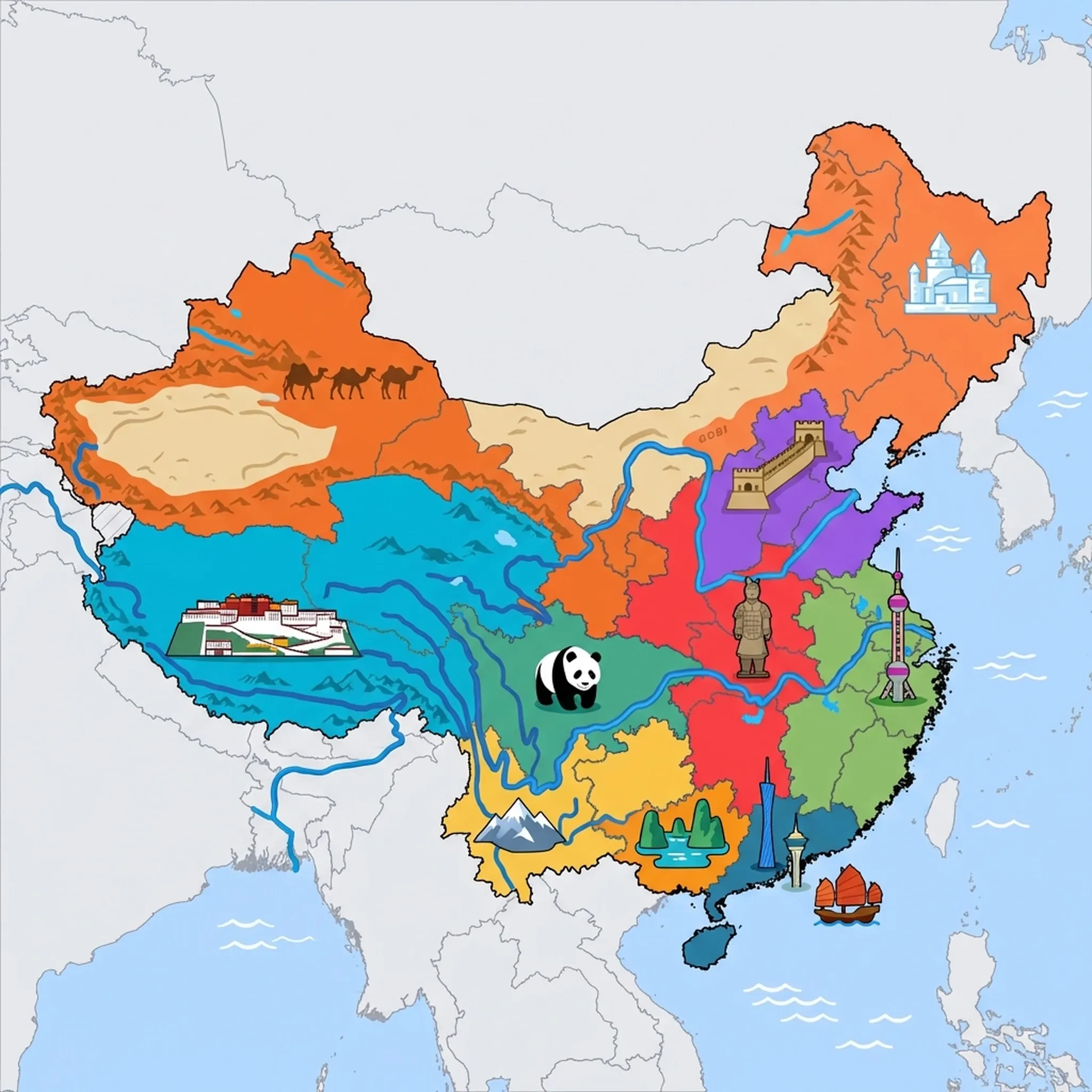
Click a region to explore
⚠️ SAFETY WARNING: Government agencies (including CA, USA, AU, and UK) advise travelers to reconsider travel to this region due to strict movement restrictions and the risk of unannounced closures. Independent travel is NOT permitted; all foreign visitors must book an organized tour and obtain a Tibet Travel Permit. Medical facilities for altitude sickness are limited in remote areas. Families should consult their own government's official travel advisory and plan well in advance.
Overview
The Tibetan Plateau is a destination unlike any other—a high-altitude realm of thin air, deep blue skies, and devout spirituality. For families, it is a challenging but deeply rewarding adventure. It offers a chance to see a way of life completely different from the modern world: monks chanting in ancient monasteries, yaks grazing on high pastures, and prayer flags fluttering in the wind. The landscape is immense, dominated by the snowy peaks of the Himalayas and vast, empty plains.
Travel here requires planning. You cannot just backpack; you need a guide and a driver. This actually makes it easier for families, as logistics are handled for you. Acclimatization is key—Lhasa sits at 3,650m (12,000ft). The culture is warm and welcoming to children, but the environment is harsh. It is a place for older children and teens who can handle the altitude and long car rides, offering them a perspective on the world that is truly unique.
Key Attractions
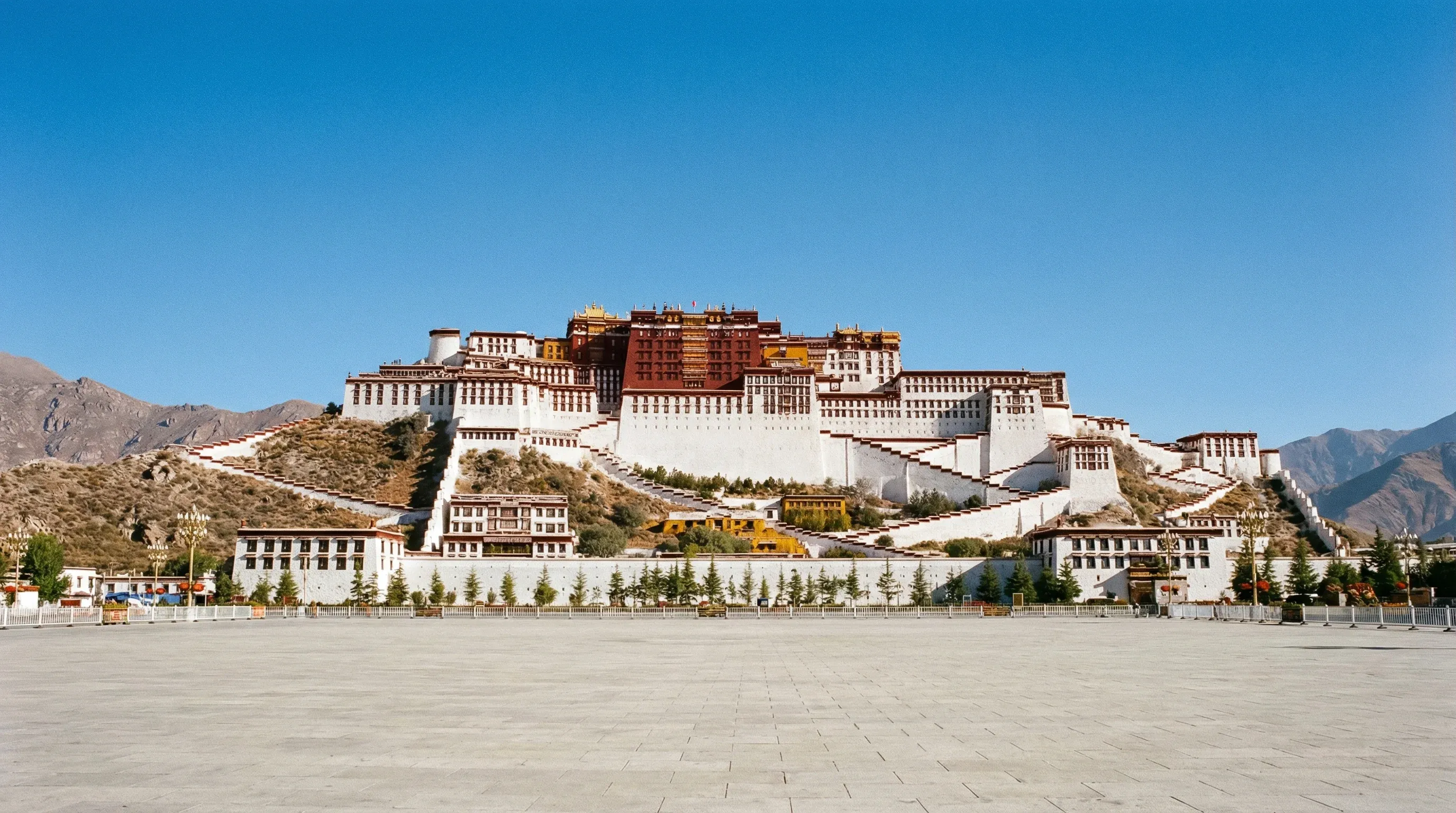
The Potala Palace is the iconic symbol of Tibet; climbing its steps is a rite of passage, though tough at this altitude. In the heart of Lhasa, the Jokhang Temple is the spiritual center, always surrounded by pilgrims prostrating themselves—a powerful sight for kids. Just outside the city, the Norbulingka (Summer Palace) offers beautiful gardens where families can picnic.
For the ultimate adventure, a drive to Everest Base Camp (China side) allows you to stand in the shadow of the world's highest peak without any climbing required (you can drive almost all the way). The stunning heavenly lakes, like Namtso Lake, offer surreal views of turquoise water against snowy mountains, though it's very cold and high.
Practical Advice
Best time is May to October. Avoid winter (too cold) and March (often closed to tourists). Take it slow: spend 2-3 days in Lhasa to acclimatize before going higher. Drink lots of water.
Food & Drink
Typical meal times: Lunch 1:00 pm to 2:30 pm, dinner 7:00 pm to 9:00 pm.
Typical meal costs: Mid-range due to logistics. A meal costs ¥150–300 (approx. $20–40 USD / €19–38 EUR).
Dietary requirements: Yak meat is the staple. Vegetables are scarcer in remote areas. Sichuan cuisine (spicy) is common, as is Western food in Lhasa hotels.
Signature dishes:
- Yak Butter Tea – A savory, salty tea churned with yak butter. An acquired taste but essential for hydration and energy at altitude.
- Momos – Tibetan dumplings filled with yak meat or vegetables, steamed or fried. Kids usually love them.
- Tsampa – Roasted barley flour mixed with tea and butter to form a dough; the staple food of Tibetans.
Why this score?
This is one of the world's most physically demanding regions due to the extreme altitude, with most of the plateau sitting above 4,000 meters. Families must contend with thin air, unpredictable weather, and basic infrastructure in remote areas like Everest Base Camp. While the main routes are paved, the environment remains inherently rugged and challenging.
Why this score?
Medical facilities in Lhasa have improved but remain basic by international standards, especially for complex surgeries or pediatric care. The primary concern is altitude sickness, and while specialized clinics exist, serious cases often require evacuation to lower altitudes like Chengdu. In rural Tibet, medical services are extremely limited and virtually non-existent for non-Chinese speakers.
Why this score?
Tibet is a dream destination for many, but its actual international visitor numbers are limited by strict permit requirements and high costs. Most foreign travelers visit in small, highly regulated groups, preventing the mass tourism seen in other regions. It remains a niche, high-effort destination that sees far more domestic than international travelers.

Tibet is expensive because you *must* hire a guide and vehicle by law. A private family tour can cost ¥1,500–2,500 ($210–350 USD) per day excluding flights. However, daily costs like food are reasonable. The value comes from the exclusivity and the dedicated service of your guide.

Getting Here & Around
Getting Here
- Train – The Qinghai-Tibet Railway is a bucket-list journey, climbing over 5,000m. It takes ~22 hours from Xining to Lhasa. Oxygen is pumped into carriages.
- Flight – Flights to Lhasa Gonggar (LXA) run from Chengdu, Xi'an, and Chongqing. Flying in requires slower acclimatization than the train.
Getting Around
- Private Van – As independent travel is banned, you will be in a private vehicle with a driver and guide for all travel outside Lhasa.
- Walking – Lhasa is walkable, but take it slow. Do not run or carry heavy kids due to thin air.
Nearby Airports (14 airports)
Bangda
BPXBangda
Xigaze Dingri Airport
DDRXigaze/Rikaze
Golog Maqin Airport
GMQGolog
Golmud
GOQGolmud
Haibei Airport
HBQQilian
Huatugou Airport
HTTHuatugou
Hilton Head Airport
HXDDelingha City
Shannan Longzi Airport
LGZShannan
Lhasa Airport
LXALhasa/Lasa
Nyingchi Airport
LZYNyingchi
Gunsa
NGQShi Quan He
Shigatse Peace Airport
RKZShigatse
Xining Caojiabu Airport
XNNXining
Yushu Batang
YUSYushu
View full flight map for China →

Packing List
Prescription medication to prevent altitude sickness (consult doctor before trip)
UV radiation is extreme at 4000m+; snow blindness is a risk
Lips crack quickly in the cold, dry, high-UV air
Useful to monitor family oxygen levels for peace of mind
Prevents bloody noses caused by the extremely dry mountain air
Most public restrooms do not provide paper; carry your own packs at all times.
Soap is frequently missing from public washrooms, even in malls.
Western-style deodorant is rare in local convenience stores; bring your preferred brand.
You will use your phone for everything (maps, translation, payment), draining battery fast.
Familiar brands like Calpol or Tylenol are hard to find; bring your own supply.

Activities & Best Times

Hiking, wildlife, outdoor exploration, ecotourism
The Tibetan Plateau offers globally unique high-altitude wilderness, including Mount Kailash and Everest Base Camp. Peak months avoid the extreme winter cold and the heavy monsoon clouds of summer, providing the best visibility for Himalayan peaks.

Urban tourism, museums, historical sites, architecture
Lhasa is a premier cultural destination featuring the UNESCO-listed Potala Palace and vibrant monastic traditions. Visiting during the warmer months ensures higher oxygen levels and more comfortable conditions for exploring historic city quarters.

Learning experiences, scientific sites, historical education
Specialized facilities like the Tibet Natural Science Museum provide significant insights into plateau ecology and Tibetan medicine. These indoor facilities are most accessible during the general tourism high season from spring to early autumn.

Spa retreats, wellness centers, peaceful getaways
High-altitude geothermal sites like Yangbajain and Tidrom offer unique restorative experiences in natural settings. Peak timing avoids the most severe winter weather which can make transport to these remote thermal springs difficult.

Scenic drives, countryside tours, route-based travel
Legendary routes such as the Friendship Highway and G318 offer world-class scenery and high-mountain passes. May-June and September-October are optimal to avoid both the summer monsoon's landslide risks and winter's heavy snow closures.

Winter sports, ski resorts, snow activities
The region features several dedicated ski resorts like Taiziling that cater to the winter sports market. The season is limited to the deepest winter months when cold temperatures maintain snow cover at high elevations.

Sport tourism, fitness activities, active recreation
Internationally recognized trekking routes like the Mount Kailash Kora represent high-level active tourism. Conditions are best in the dry shoulder seasons when trail stability is highest and visibility is most consistent.

Events, celebrations, seasonal attractions
Major events like the Saga Dawa and Shoton Festivals offer profound cultural immersion for international travelers. Rarity and strict permit requirements limit accessibility, making these highly specific seasonal draws.

Amusement parks, family entertainment venues
Entertainment parks such as Lhasa Romance Park offer domestic-focused cultural performances. These are primarily visited during the peak summer tourism window and offer limited appeal to sophisticated international families.

Attractions (29 total)



Public Holidays & Calendar Next 12 months
Public holidays, festivals, cultural celebrations, and seasonal natural phenomena coming up in Tibetan Plateau over the next 12 months.
Loading holidays and events...

Travel Advisory
All major agencies recommend exercising a high degree of caution. This is primarily driven by the risk of arbitrary law enforcement, potential exit bans, and heightened security measures in specific autonomous regions.
Safety Topics
Traveller Advice (4 groups)

While not illegal, there are no legal protections against discrimination. Public displays of affection are generally discouraged as they may draw unwanted attention or social stigma in more conservative areas.

All foreign visitors must register their place of residence with the local Public Security Bureau within 24 hours of arrival. Always carry your passport, as police frequently conduct random identification checks.

China is generally considered safe for women travelling alone, but standard personal security precautions should be taken, particularly when using late-night transport or in crowded tourist areas.

Media professionals face a high risk of surveillance, harassment, and potential detention. Reporting on sensitive political topics or visiting restricted areas like Xinjiang can lead to immediate intervention by security forces.
Agency Summaries
Travellers should remain vigilant due to the unpredictable application of local regulations. Heightened risks exist for those with familial or ethnic connections to sensitive regions like Xinjiang, where arbitrary detention and surveillance are more prevalent. Dual nationality is not legally recognized, which can severely limit access to consular assistance.
The State Department advises increased vigilance in Mainland China because of the arbitrary enforcement of domestic laws, which includes the use of exit bans. These bans may be applied to foreign nationals involved in business or civil disputes, often without a clear legal process or notification.
While most visits are trouble-free, there is a risk of arbitrary detention under broadly defined national security laws. Foreigners may face increased scrutiny, particularly when visiting minority-heavy areas or if they have backgrounds in government, NGOs, or media. Visa-free entry for short stays is currently available for British citizens through 2026.
Safety and security concerns are higher than in New Zealand, particularly regarding local law enforcement and surveillance. Identification must be carried at all times, and tourists are often targeted by elaborate tea house or massage scams involving exorbitant bills and threats.
Irish citizens are advised to be cautious due to the potential for exit bans and arbitrary detention. Entry procedures may include medical screenings or temperature checks. It is vital to comply with all visa regulations and stay mindful of the specific periods of stay allowed by local authorities.
Authorities have previously detained foreign citizens on vague grounds of endangering national security. The security situation in Tibet and Xinjiang is particularly tense, with significant police presence and movement restrictions. Travellers should also be aware of sophisticated phone scams targeting foreign residents.
Information is provided for general guidance only and does not constitute travel, safety, medical, or legal advice. Conditions may change. Users are responsible for independently verifying information before travel.