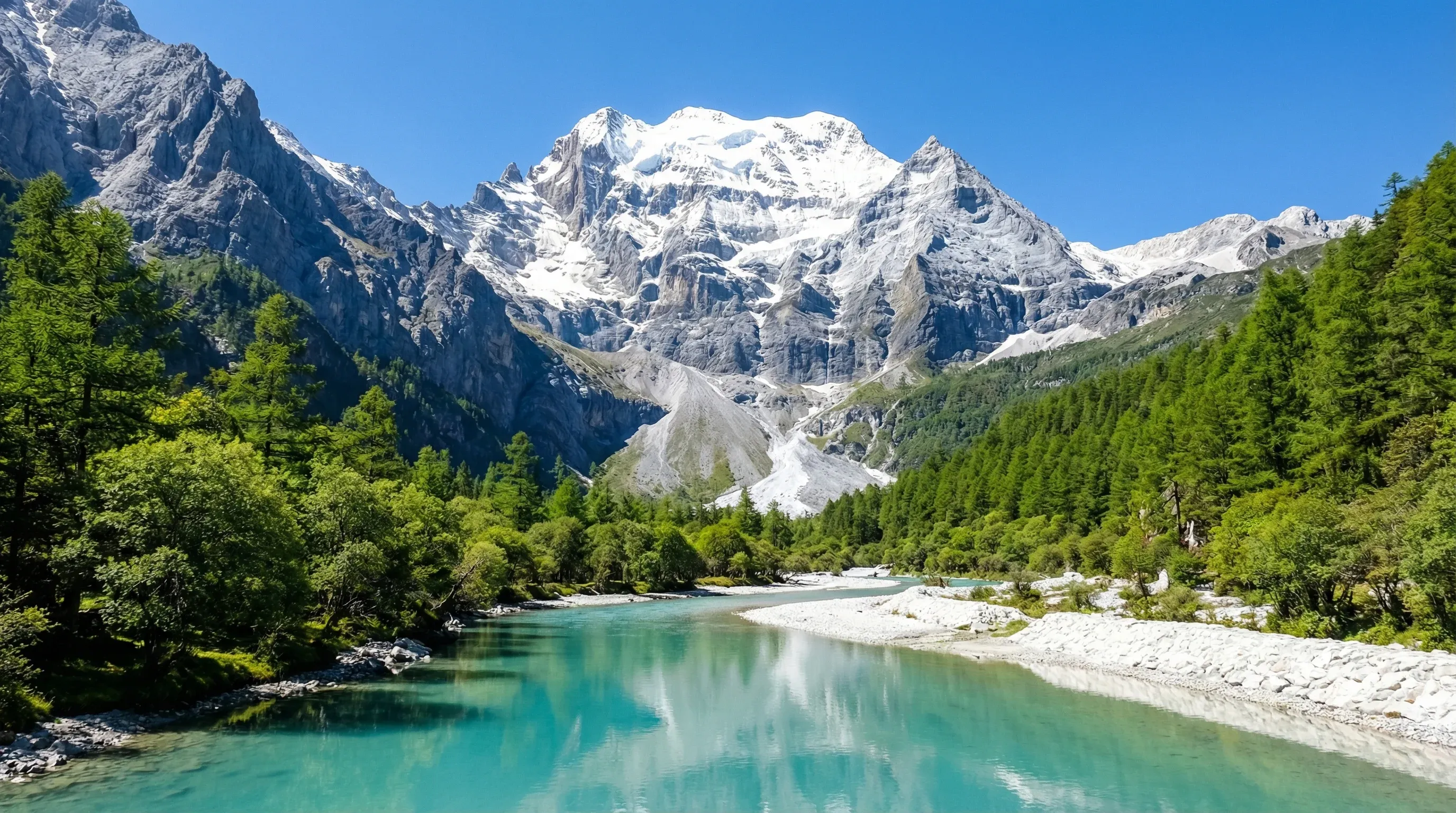

Yunnan Plateau & Ethnic Highlands
Rainbow cultures south of the clouds 🌈☁️
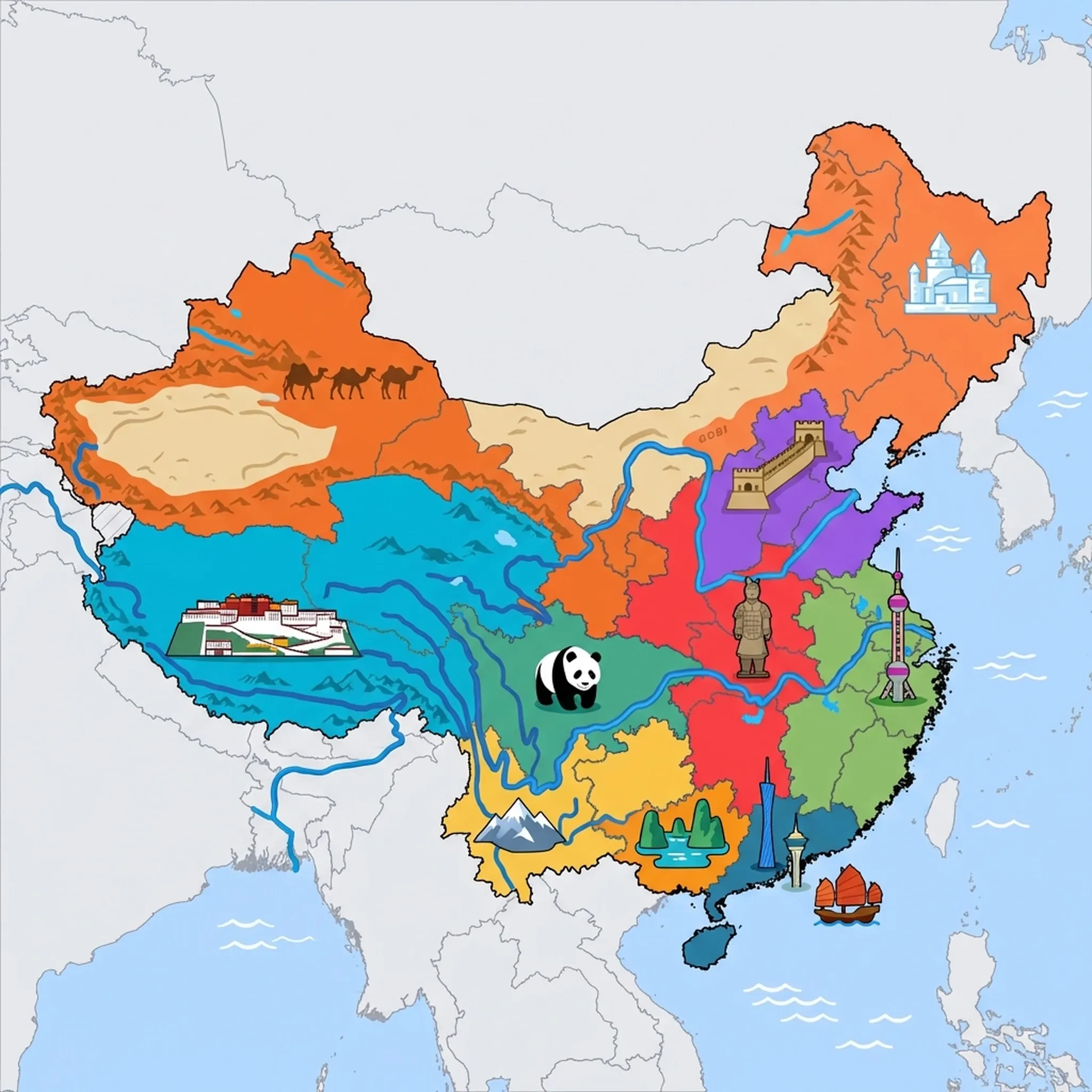
Click a region to explore
Overview
Yunnan, meaning "South of the Clouds," is often cited by travelers as their favorite province in China. It is incredibly diverse, home to 25 of China's 55 ethnic minorities, each with their own clothing, festivals, and food. For families, it offers a perfect balance of culture and nature without the intense crowds of the east coast. The climate is generally mild; Kunming is known as the "Spring City" because of its eternal spring-like weather. The vibe is bohemian and relaxed, attracting artists and hikers.
The province offers a greatest-hits mix of landscapes: you have the tropical elephant-filled jungles of Xishuangbanna in the south, the chill backpacker vibe of Dali's Erhai Lake in the center, and the Tibetan snowy peaks of Shangri-La in the north. It is a fantastic region for road trips, with good infrastructure and stunning scenery at every turn. Kids will love the costumes, the music, and the outdoor adventures.
Key Attractions
The Shilin Stone Forest near Kunming is a natural maze of towering limestone pinnacles that looks like a petrified forest—fun for kids to explore. In Lijiang, the Old Town of Lijiang is a UNESCO heritage site of wooden houses and canals, though it's best visited early morning to avoid crowds. Above the town looms the Jade Dragon Snow Mountain, accessible via cable car to a glacier park at 4,506 meters (bring oxygen!).
Further north, Pudacuo National Park in Shangri-La offers pristine lakes and forests with easy boardwalks for strollers. In the tropical south, the Xishuangbanna Tropical Botanical Garden is a lush wonderland where kids can see giant lily pads and exotic plants. The Three Pagodas of Chongsheng Temple in Dali is another iconic photo stop.
Practical Advice
Yunnan is a year-round destination, but pack layers. It can be t-shirt weather in the sun and freezing in the shade/night due to high altitude. Acclimatize gradually if heading to Shangri-La (3,200m).
Food & Drink
Typical meal times: Lunch 12:00 pm to 2:00 pm, dinner 6:00 pm to 9:00 pm.
Typical meal costs: Affordable. Family meal approx. ¥150–300 (approx. $20–40 USD / €19–38 EUR). Western food (pizza/burgers) is common in Dali/Lijiang.
Dietary requirements: Wild mushrooms and flowers are common ingredients (ensure mushrooms are well-cooked!). Goat cheese (Rubing) is a local specialty, rare in the rest of China.
Signature dishes:
- Crossing the Bridge Noodles – A fun DIY soup experience where you add raw ingredients (meat, veg, egg) into a bowl of boiling hot chicken broth to cook them instantly.
- Rubing – Firm goat cheese, usually pan-fried with salt or sugar. A hit with kids who miss dairy.
- Baba – A thick, round flatbread found in Lijiang/Dali, either savory or sweet.
Why this score?
The region is an adventure paradise, featuring the deep Tiger Leaping Gorge, the Meili Snow Mountains, and tropical jungles in the south. It offers a diverse range of activities from high-altitude trekking to elephant spotting, often in areas that feel culturally distinct from Han China. The terrain is rugged and requires significant travel time between destinations.
Why this score?
Kunming has several large hospitals that can handle most medical needs, and the city’s status as a regional hub ensures a decent standard of care. However, once in the highland towns like Lijiang or Shangri-La, medical facilities become much more limited, and altitude-related issues are a constant factor. English-speaking medical staff are rare outside of the provincial capital.
Why this score?
Yunnan is a favorite for long-term travelers and those interested in ethnic diversity, with Lijiang and Dali being its most famous icons. While well-known in the travel community, it doesn't command the same raw international numbers as the 'Golden Triangle' of Beijing-Xi'an-Shanghai. It remains an emerging favorite for adventurous international families.

Yunnan fits all budgets. You can find luxury boutique hotels in converted old homes for ¥1,000+, or comfortable guesthouses for ¥300 ($40). Food and transport are cheap. The main cost is "Maintenance Fees" (entry tickets) for old towns and parks, which can be pricey (e.g., Jade Dragon Snow Mountain + Cable Car is approx. ¥400 per person).

Getting Here & Around
Getting Here
- Airports – Kunming Changshui (KMG) is the huge regional hub. Lijiang (LJG) and Xishuangbanna (JHG) also have direct flights.
- Train – A new high-speed rail line connects Kunming to Dali (2 hrs) and Lijiang (3.5 hrs), revolutionizing travel here.
- Train (Intl) – The new rail line connects Kunming all the way to Vientiane, Laos.
Getting Around
- High-Speed Train – The best way to hop between the main cities (Kunming-Dali-Lijiang).
- Cycling – Biking around Erhai Lake in Dali is a classic family activity; quiet roads and great views.
- Private Driver – Recommended for Shangri-La or Xishuangbanna to reach scattered scenic spots.
Nearby Airports (23 airports)
Xingyi Airport
ACXXingyi
Bijie Airport
BFJBijie
Baoshan
BSDBaoshan
Cangyuan Washan Airport
CWJCangyuan
Diqing Shangri-La Airport
DIGDiqing
Dali
DLUDali City
Xishuangbanna Gasa International Airport
JHGJinghong
Jingmai Airport
JMJLancang
Kunming Changshui International Airport
KMGKunming
Guiyang Longdongbao International Airport
KWEGuiyang
Lijiang Sanyi Airport
LJGLijiang
Libo County Libo City Airport
LLBLibo City
Lincang Airport
LNJLincang
Liupanshui Yuezhao Airport
LPFYuezhao
Dehong Mangshi Airport
LUMMangshi
Ninglang Luguhu Airport
NLHNinglang
Simao Airport
SYMPu'er
Tengchong Tuofeng Airport
TCZTengchong
Tongren
TENTongren
Maotai Airport
WMTZunyi
Wenshan Airport
WNHWenshan
Zhaotong Airport
ZATZhaotong
Zunyi Xinzhou Airport
ZYIZunyi
View full flight map for China →

Packing List
High altitude UV is fierce even when the air feels cool
Temperature swings of 15°C between day and night are common
Essential for Xishuangbanna (tropical) and near lakes in summer
Summer is the rainy season; downpours are frequent but short
Most public restrooms do not provide paper; carry your own packs at all times.
Soap is frequently missing from public washrooms, even in malls.
Western-style deodorant is rare in local convenience stores; bring your preferred brand.
You will use your phone for everything (maps, translation, payment), draining battery fast.
Familiar brands like Calpol or Tylenol are hard to find; bring your own supply.

Activities & Best Times

Hiking, wildlife, outdoor exploration, ecotourism
The region offers world-class wilderness immersion, from the tropical rainforests of Xishuangbanna to the high-altitude trails of Tiger Leaping Gorge. Peak months provide clear views of the snow-capped peaks and dry conditions, while the rainy summer creates lush, albeit wetter, landscapes.

Urban tourism, museums, historical sites, architecture
Features authentic UNESCO Heritage sites like Lijiang and Dali, offering a high-quality window into Naxi and Bai cultures. Spring and autumn offer the most pleasant weather for exploring these historic urban centers away from the winter cold.

Learning experiences, scientific sites, historical education
Home to the UNESCO-listed Chengjiang Fossil Site and major natural history museums, providing internationally significant scientific learning opportunities. Facilities are most comfortably accessible during the warmer, more humid months, avoiding the freezing winter highland temperatures.

Spa retreats, wellness centers, peaceful getaways
Established geothermal destinations like Tengchong provide authentic thermal bath experiences that are highly restorative during the cold winter months. These facilities lose their appeal during the warmer, more humid summer season.

Scenic drives, countryside tours, route-based travel
The G214 and Erhai Loop offer some of China's most scenic highland driving. Peak months provide optimal visibility for mountain vistas; summer is avoided due to heavy monsoon rains and potential landslide risks on highland roads.

Winter sports, ski resorts, snow activities
High-altitude resorts at Jade Dragon Snow Mountain and Shangri-La provide unique, reliable snow coverage during the winter. While limited in terrain compared to the Alps, the cultural backdrop of the Tibetan plateau offers a unique family experience.

Sport tourism, fitness activities, active recreation
Boasts world-renowned trekking routes like Tiger Leaping Gorge and dedicated cycling routes around Erhai Lake. Best experienced in the dry seasons to ensure trail safety and comfortable conditions for high-intensity outdoor activities.

Amusement parks, family entertainment venues
Regional hubs like Colorful Yunnan Happy World offer modern entertainment that appeals to families during peak summer school holidays. Outdoor water parks and shows are seasonally dependent and are less appealing during the cooler, dry winter months.

Attractions (27 total)



Public Holidays & Calendar Next 12 months
Public holidays, festivals, cultural celebrations, and seasonal natural phenomena coming up in Yunnan Plateau & Ethnic Highlands over the next 12 months.
Loading holidays and events...

Travel Advisory
All major agencies recommend exercising a high degree of caution. This is primarily driven by the risk of arbitrary law enforcement, potential exit bans, and heightened security measures in specific autonomous regions.
Safety Topics
Traveller Advice (4 groups)

While not illegal, there are no legal protections against discrimination. Public displays of affection are generally discouraged as they may draw unwanted attention or social stigma in more conservative areas.

All foreign visitors must register their place of residence with the local Public Security Bureau within 24 hours of arrival. Always carry your passport, as police frequently conduct random identification checks.

China is generally considered safe for women travelling alone, but standard personal security precautions should be taken, particularly when using late-night transport or in crowded tourist areas.

Media professionals face a high risk of surveillance, harassment, and potential detention. Reporting on sensitive political topics or visiting restricted areas like Xinjiang can lead to immediate intervention by security forces.
Agency Summaries
Travellers should remain vigilant due to the unpredictable application of local regulations. Heightened risks exist for those with familial or ethnic connections to sensitive regions like Xinjiang, where arbitrary detention and surveillance are more prevalent. Dual nationality is not legally recognized, which can severely limit access to consular assistance.
The State Department advises increased vigilance in Mainland China because of the arbitrary enforcement of domestic laws, which includes the use of exit bans. These bans may be applied to foreign nationals involved in business or civil disputes, often without a clear legal process or notification.
While most visits are trouble-free, there is a risk of arbitrary detention under broadly defined national security laws. Foreigners may face increased scrutiny, particularly when visiting minority-heavy areas or if they have backgrounds in government, NGOs, or media. Visa-free entry for short stays is currently available for British citizens through 2026.
Safety and security concerns are higher than in New Zealand, particularly regarding local law enforcement and surveillance. Identification must be carried at all times, and tourists are often targeted by elaborate tea house or massage scams involving exorbitant bills and threats.
Irish citizens are advised to be cautious due to the potential for exit bans and arbitrary detention. Entry procedures may include medical screenings or temperature checks. It is vital to comply with all visa regulations and stay mindful of the specific periods of stay allowed by local authorities.
Authorities have previously detained foreign citizens on vague grounds of endangering national security. The security situation in Tibet and Xinjiang is particularly tense, with significant police presence and movement restrictions. Travellers should also be aware of sophisticated phone scams targeting foreign residents.
Information is provided for general guidance only and does not constitute travel, safety, medical, or legal advice. Conditions may change. Users are responsible for independently verifying information before travel.